


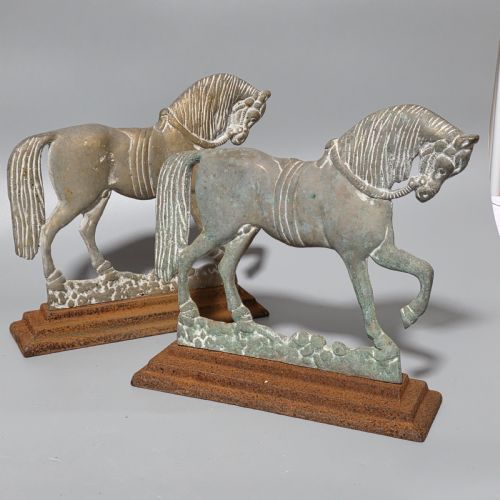


Victorian Iron Door Porter
A victorian iron door porter holds heavy interior doors open with functional mass and sculptural character.
Victorian Iron Door Porter
A victorian iron door porter serves to hold heavy interior doors ajar using solid metal weight. The pieces seen here date from the nineteenth century, including specific decades such as eighteen eighty and eighteen ninety, along with earlier Georgian examples.
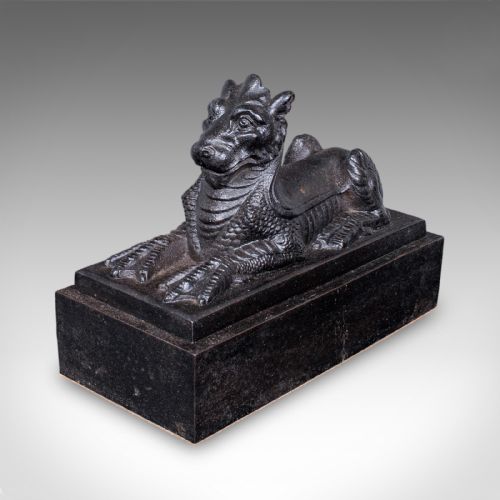
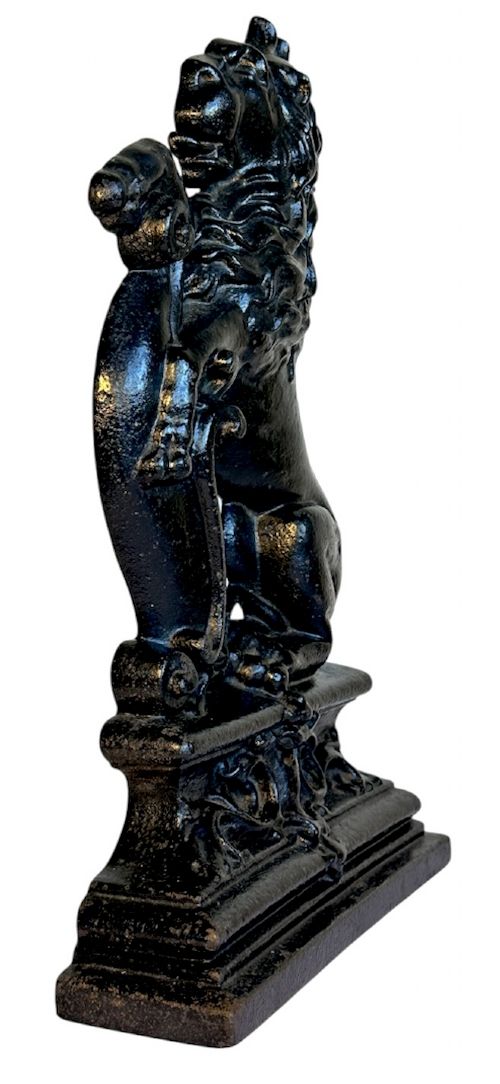
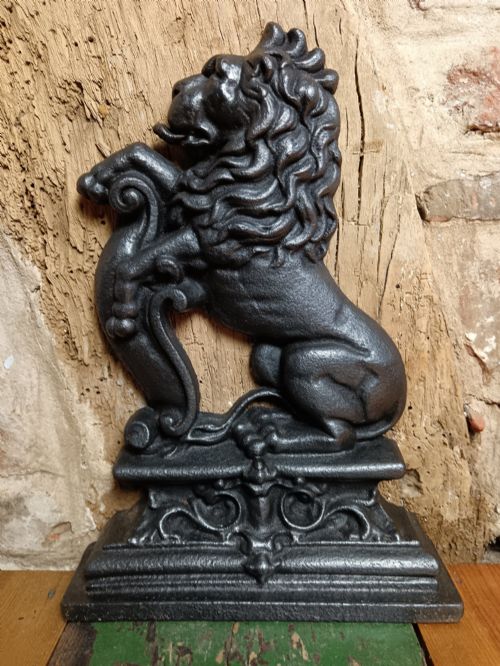
Most examples take the form of heavy figural castings designed as lions, dogs, dolphins, and historical figures like Lord Nelson and Mr Punch. These utilitarian objects double as substantial floor ornaments shaped by English country house aesthetics and folk art traditions.
How They Were Made
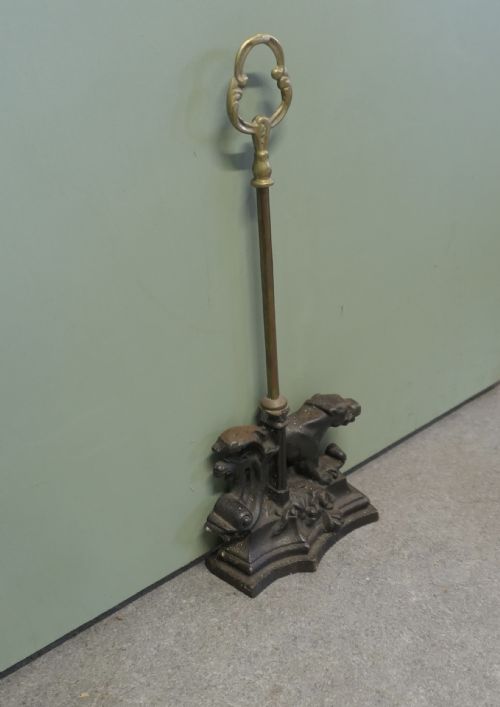
Foundries produced these heavy objects primarily through cast iron moulding, creating dense bodies capable of holding doors stationary. Many examples incorporate brass components, wooden elements, and applied paint finishes upon the metal surfaces.
Makers integrated sturdy cast iron bases with decorative figures, occasionally pairing iron structures with gilt or painted details to highlight the sculptural forms of animals, knights, and mythical creatures.
Listings demonstrate a recurring presence of lion figures, alongside animal subjects like dogs, horses, and dolphins rendered in cast iron.
What Varies In Quality
The sophistication of the casting defines the distinction between standard examples and superior pieces. Finer specimens display crisp facial expressions and legible anatomical details on lions, dogs, and human figures rather than soft, blurred edges.
Surface preservation significantly influences the character of each piece. Retained original paint or untouched patination on the iron and brass elevates the visual depth compared to modern repainting or heavy corrosion.
The Victorian Iron Door Porter Glossary
- Door porter
- A heavy portable weight placed on the floor to keep a door open. This term appears interchangeably with doorstop in period listings.
- Cast iron
- A hard, brittle alloy of iron and carbon poured into moulds to create heavy objects. It provides the dense mass necessary for holding doors.
- Gothic Revival
- An architectural and decorative style drawing inspiration from medieval forms. Pieces carrying this influence often feature heraldic or knightly motifs.
Victorian Iron Door Porter: Frequently Asked Questions
What is a door porter?
A door porter is a heavy freestanding weight designed to keep interior doors from swinging shut. These pieces rely on their substantial mass to hold doors in place.
Historically positioned in hallways and reception rooms, they combined everyday utility with decorative figural sculpture.
How do I date a piece?
Dating relies on stylistic markers, casting techniques, and material combinations seen in nineteenth-century production. Victorian examples often incorporate specific figural subjects like heraldic lions or literary characters.
Examining the wear on the iron base and the presence of original paint layers helps determine the age of the casting.
Are brass and iron combined?
Many examples pair a heavy cast iron base with brass additions or handles. This combination added decorative contrast to the utilitarian metal structure.
Foundries frequently utilised brass for specific figural elements or carrying grips attached to the main iron body.
Where were they used?
These items were placed in large country houses and domestic interiors to manage heavy wooden doors. They stood on the floor near entryways and corridors.
Their substantial weight allowed them to hold doors steady against drafts in busy households.