


Cast Iron Door Stop
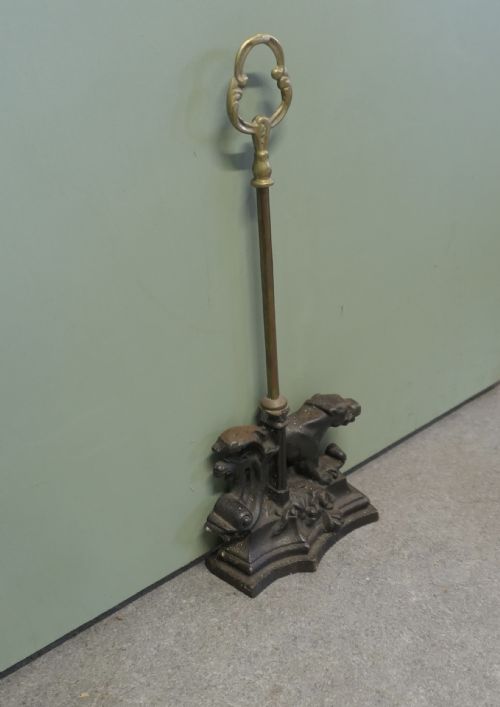
These heavy iron door stops hold heavy period doors open with decorative weight and distinct figurative presence.
Cast Iron Door Stop
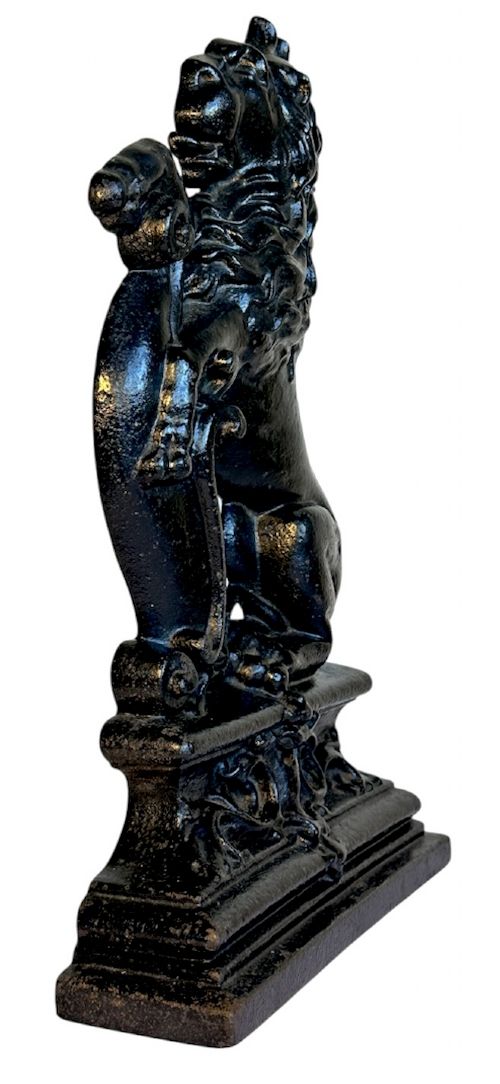
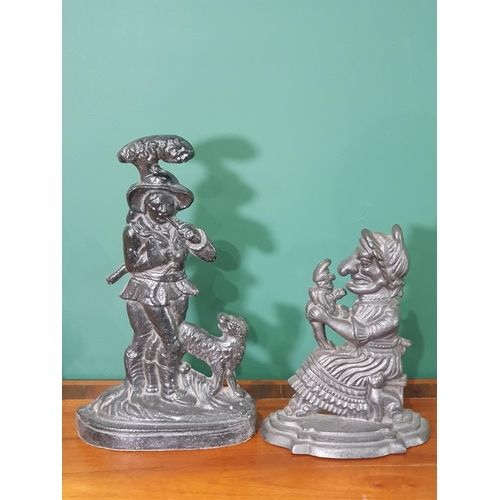
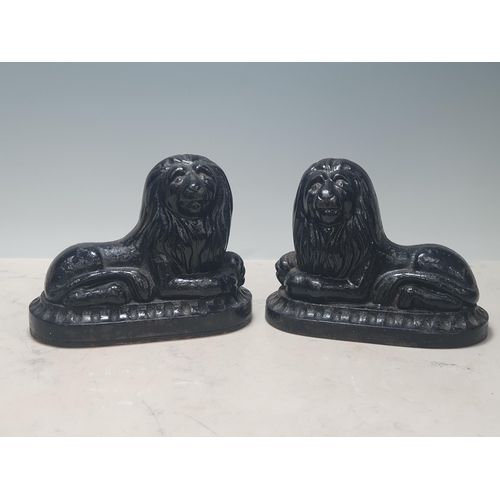
A cast iron door stop is a functional heavy object designed to keep internal doors open, taking the form of a portable weighted sculpture. When searching for a cast iron door stop, buyers encounter domestic animals, heraldic beasts, and popular theatrical characters from the nineteenth and early twentieth centuries.
The pieces on this page span the Victorian, Edwardian, and Regency periods, originating primarily from English country houses and workshops. Common configurations include figural door porters with integral handles, recumbent animals, and freestanding sculptural subjects ranging from spaniels to mythological dolphins.
What Varies in Quality
The survival of original painted or cold-painted surfaces dictates the visual appeal of a piece. Examples retaining authentic early polychrome decoration hold greater distinction than those stripped or repeatedly repainted over time.
Cast Iron Door Stop Retail Price Guide 2026
Typical asking prices for cast iron door stop among the pieces listed under this phrase on Sellingantiques today, from the lower quarter to the upper quarter. They describe what is for sale here now, not the wider market.
Listings feature cast iron materials combined with paint, brass, and wood across Victorian, Regency, and Edwardian periods.
John Crowley·Kenrick & Sons
The Cast Iron Door Stop Glossary
- Door porter
- A heavy door stop fitted with an upright handle or grip at the top for carrying the weight from room to room. This term is frequently used interchangeably with door stop.
- Cold painted
- A method of applying non-fired paint finishes to cast metal objects after the casting is complete. This decorative technique is prone to flaking with age and handling.
- Egyptian Revival
- A nineteenth-century design style incorporating motifs from ancient Egypt such as sphinxes and architectural elements. This aesthetic appeared in Regency and Victorian decorative metalwork.
- Armorial
- Bearing heraldic coats of arms, crests, or shields associated with notable families or institutions. Such pieces often display lions or unicorns rampant.
- Flat back
- A casting method where the reverse side of the sculpture remains flat against the wall or door base. This technique reduced metal weight and production costs.
Cast Iron Door Stop: Frequently Asked Questions
What is a door porter?
A door porter is a heavy cast iron door stop featuring an integrated vertical handle at the top. This handle allows users to lift and move the substantial weight without bending down.
These pieces served a practical function in large homes with heavy interior doors that needed to remain open for ventilation or movement.
How do I date a cast iron door stop?
Dating relies on stylistic clues, historical subjects, and manufacturing characteristics. Victorian pieces frequently depict characters like Mr Punch or heraldic lions, while Edwardian examples often feature simpler dog breeds or refined casting.
Evidence of early sand moulding techniques and untouched painted surfaces help confirm nineteenth-century origins.
Where were door stops used?
Door stops were utilised throughout grand country houses, town residences, and public buildings to control heavy interior timber doors. Servants moved them between reception rooms and hallways as daily routines required.
Their substantial weight prevented draughts from slamming doors shut in high-ceilinged period properties.