

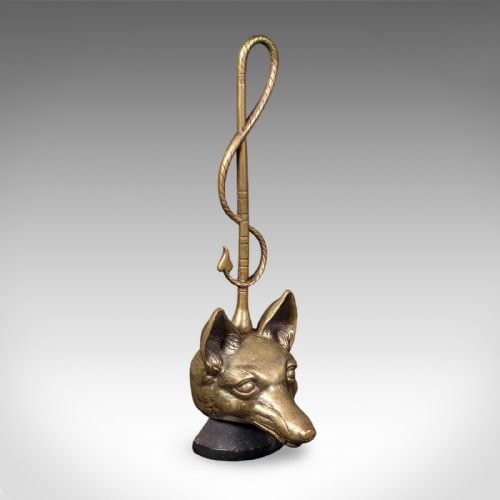


Antique Door Stop
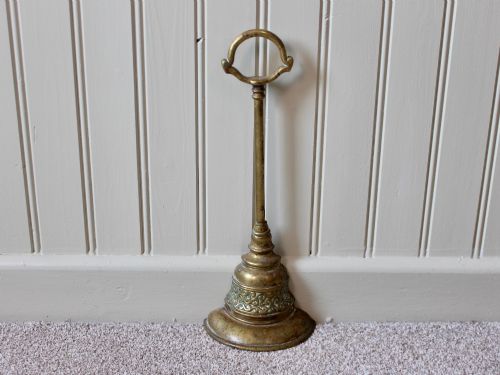
When you seek an antique door stop, you encounter heavy cast metal and brass figures designed to hold heavy doors open in country houses and parlours.
Antique Door Stop
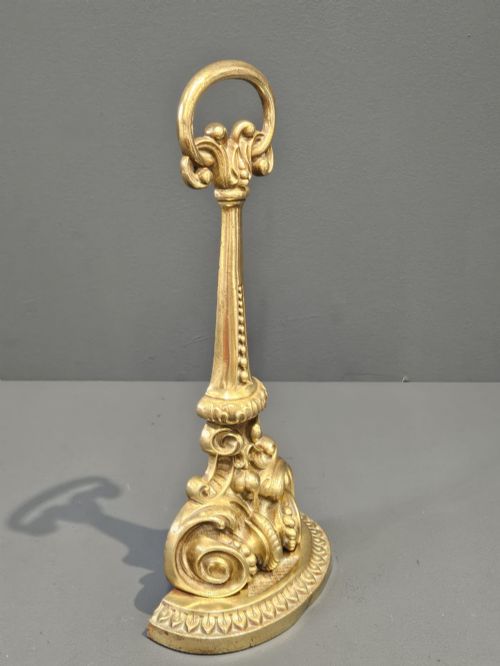
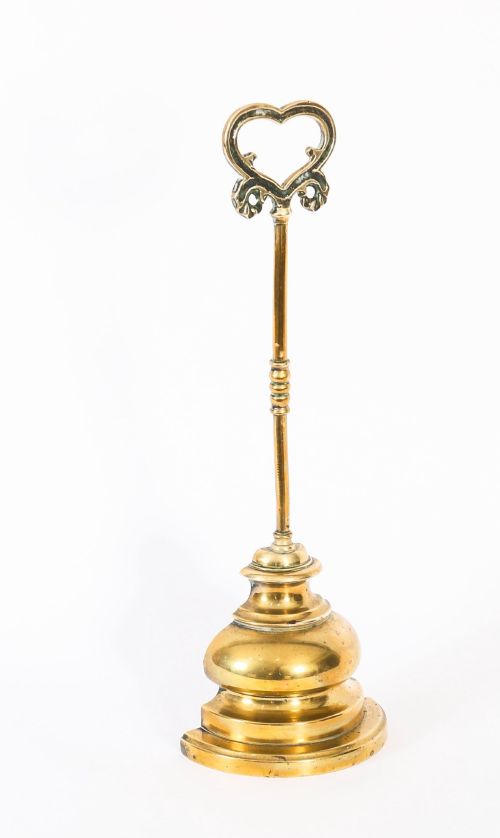
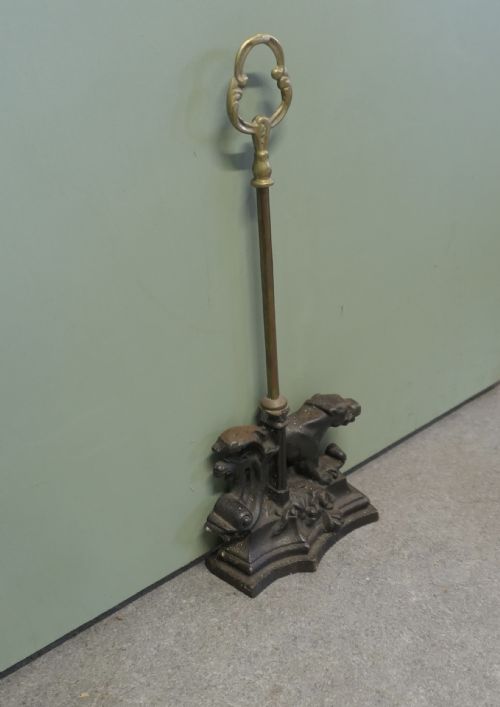
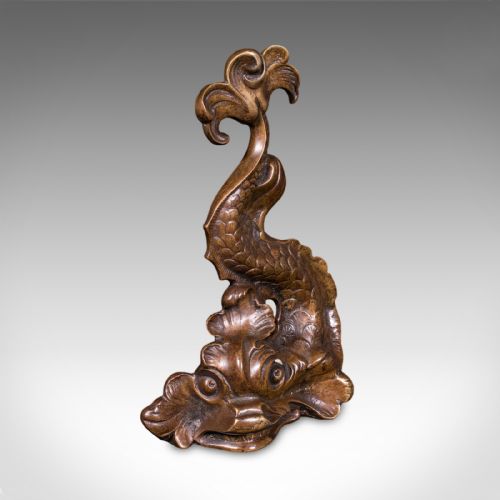
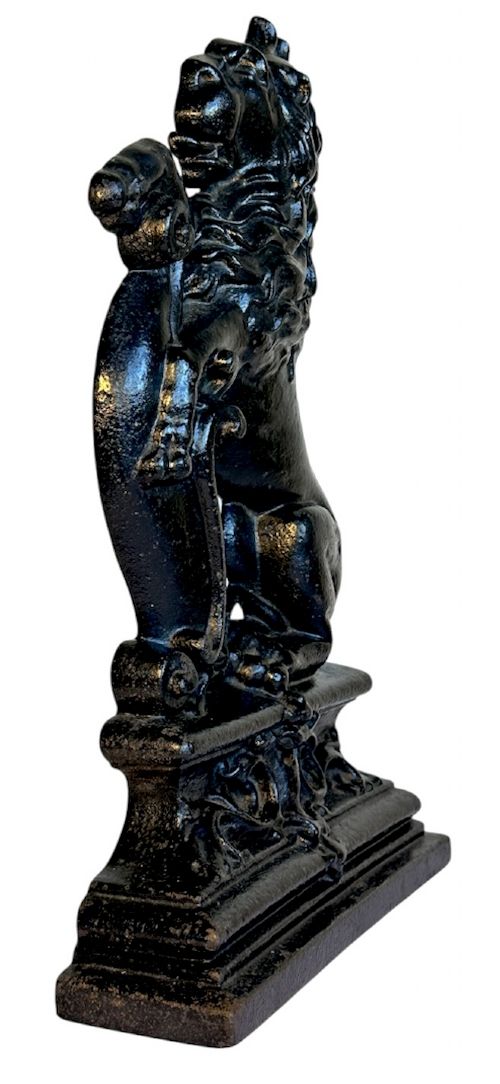
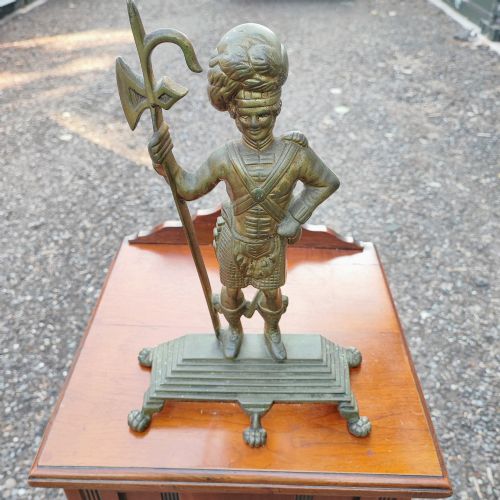
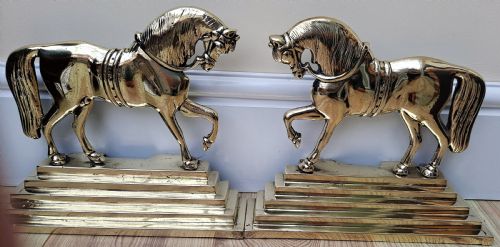
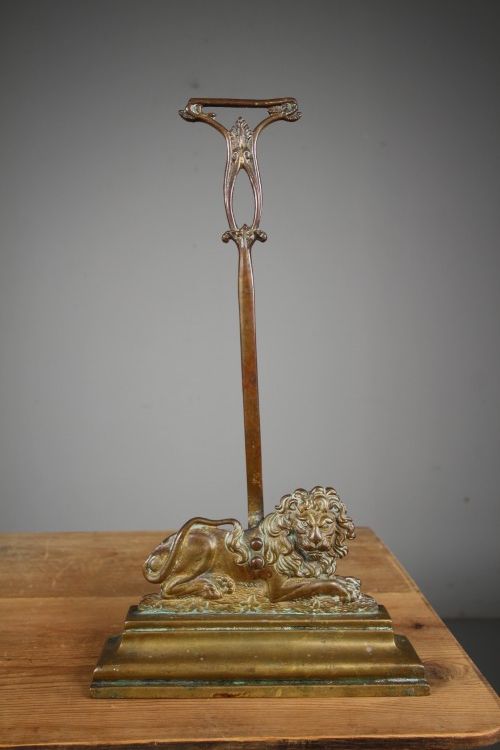
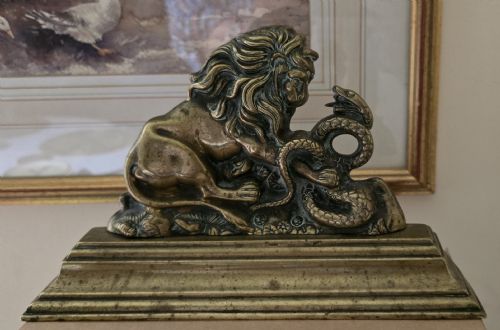
An antique door stop, often called a door porter, is a heavy utilitarian object designed to keep interior doors ajar in draughty corridors and rooms. The forms found on this page range from heraldic lions and mythological dolphins to character figures such as Mr Punch, soldiers, and animals.
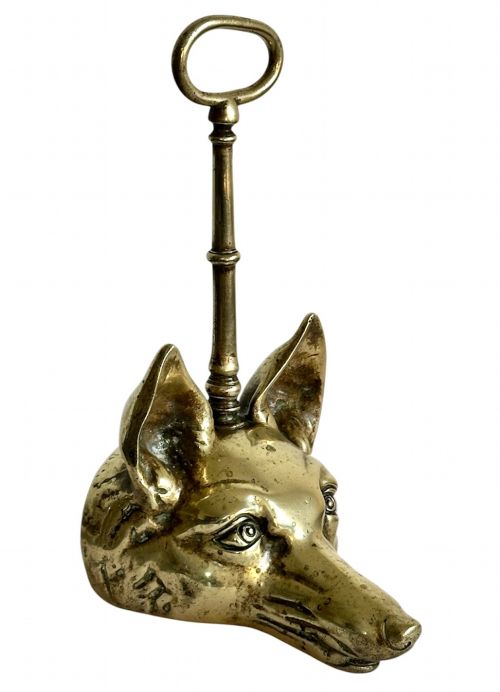
The Victorian period dominates the selections, alongside Georgian, Regency, and Edwardian examples. You will frequently meet cast iron and brass pieces shaped as domestic animals, sporting motifs like fox heads, or architectural elements such as lions' paws.
These functional sculptures reflect the domestic priorities of 19th-century interiors, combining utilitarian weight with decorative charm. They served to manage airflow in large English country houses and smaller residences alike.
Materials and Casting Techniques
Foundries primarily produced these heavy objects using sand casting for iron and brass. Molten metal poured into moulds created the robust bodies needed to withstand daily use against slamming doors.
Many iron examples received protective paint finishes, sometimes surviving in black or multi-coloured coats, while brass and bronze pieces relied on polished surfaces or lead weighting hidden within the interior cavities.
Makers occasionally incorporated lead, plaster, or iron weighting to ensure the pieces possessed sufficient mass to hold heavy doors firmly in place.
Listings feature robust materials including cast iron, brass, bronze, lead, plaster, and treen across Victorian and Regency periods.
Distinctions in Quality and Execution
The weight and internal balance distinguish superior castings from lighter reproductions. A quality door porter feels substantial in the hand and sits securely without wobbling on uneven floorboards.
Original surface finishes, whether patinated brass or early painted iron, elevate an example above pieces stripped or repainted in later decades.
Tonks·Kenrick & Sons·William Tonks and Co
The Antique Door Stop Glossary
- Door porter
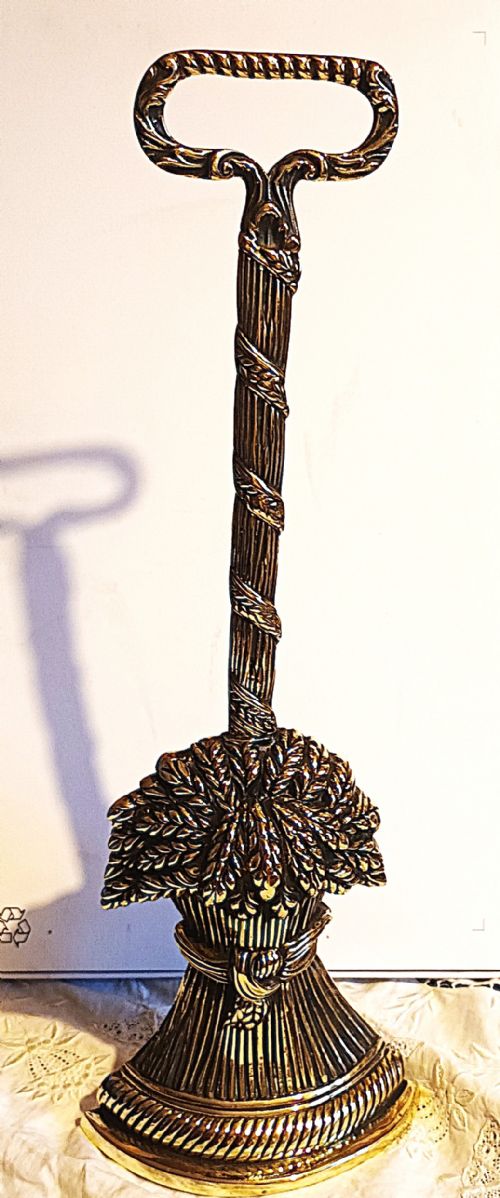
- An alternative term for a heavy door stop featuring an upright handle or finial at the top for easy carrying.
- Chimney horse
- A specific designation for heavy metal figures, often horses or animals, used near hearths or doorways.
- Treen
- Small decorative and utilitarian objects turned or carved from wood, including solid turned wooden doorstops.
- Cast iron
- An iron-carbon alloy poured into moulds, providing the heavy weight essential for functional door keepers.
- Regency
- The stylistic period spanning the early 19th century, known for classical motifs like dolphins and sphinxes.
Antique Door Stop: Frequently Asked Questions
How heavy should an antique door stop be?
A genuine antique door stop is remarkably heavy for its size, often weighing several kilograms to ensure it can hold open heavy oak or mahogany doors without sliding.
Lighter pieces frequently lack the necessary mass and may indicate a decorative reproduction rather than a functional period porter.
Were these used in every room?
These pieces were primarily utilised in principal rooms, entrance halls, and libraries of substantial houses where grand doors created significant draughts.
Bedrooms and smaller chambers rarely featured such elaborate metal figures, relying instead on simpler wedges or unattended doors.
How do I care for cast iron and brass?
Cast iron requires minimal intervention, benefiting occasionally from a light application of wax to protect painted or bare metal surfaces from moisture.
Brass items can be left with their natural aged patina or gently polished depending on personal preference, avoiding abrasive cleaners that remove historical detail.
Why do so many feature animals?
Animals such as lions, dogs, and foxes were popular motifs in 19th-century interior design, symbolising strength, loyalty, and sporting pursuits.
Foundries drew upon familiar heraldic symbols and domestic companions to make utilitarian hardware decorative and appealing to homeowners.