

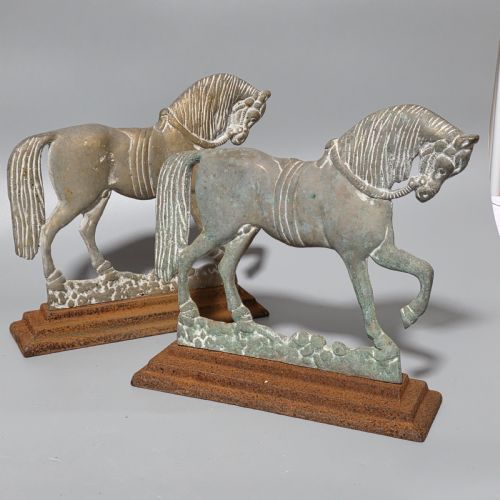


Heavy Brass Doorstop
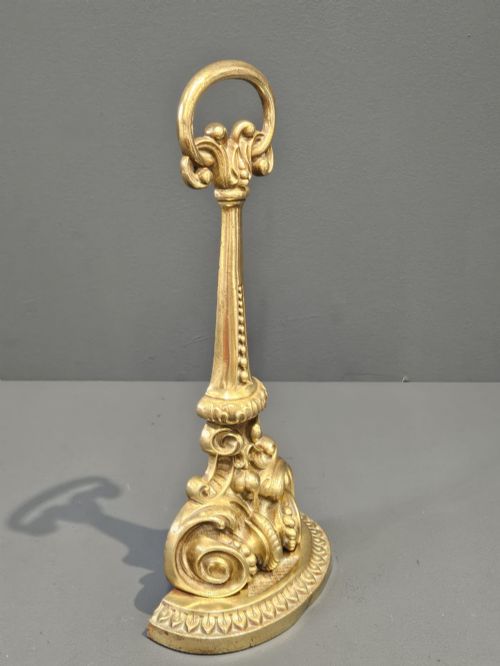
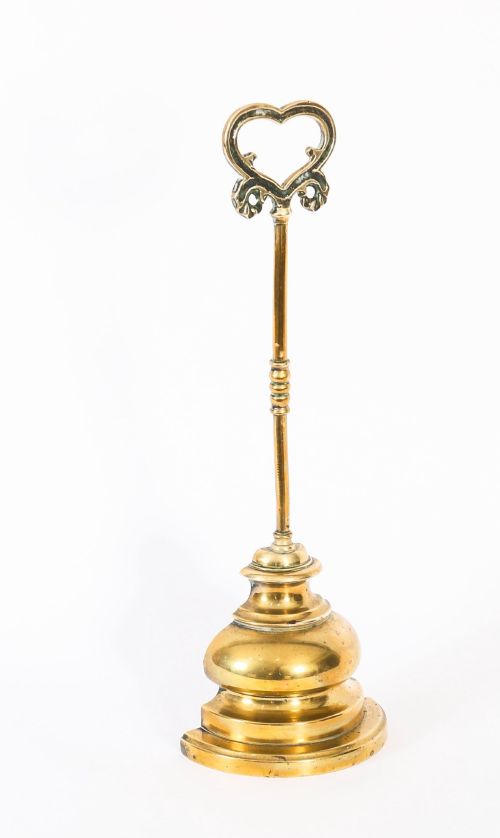
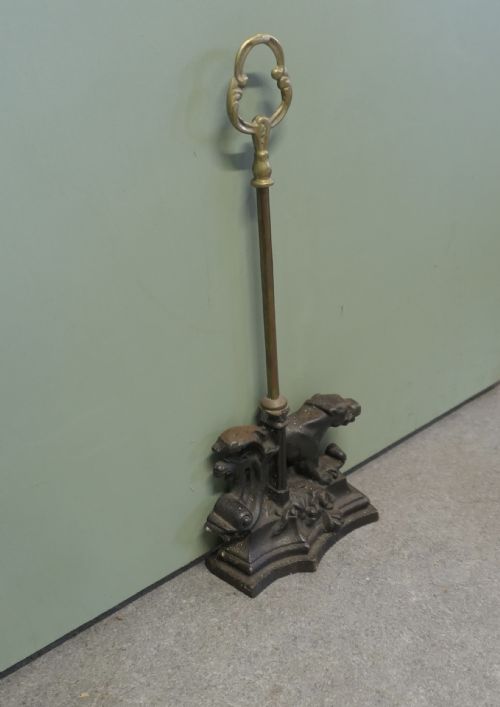
These heavy brass doorstop pieces hold open doors with solid weight and sculptural presence, spanning the Georgian, Victorian, and Edwardian periods.
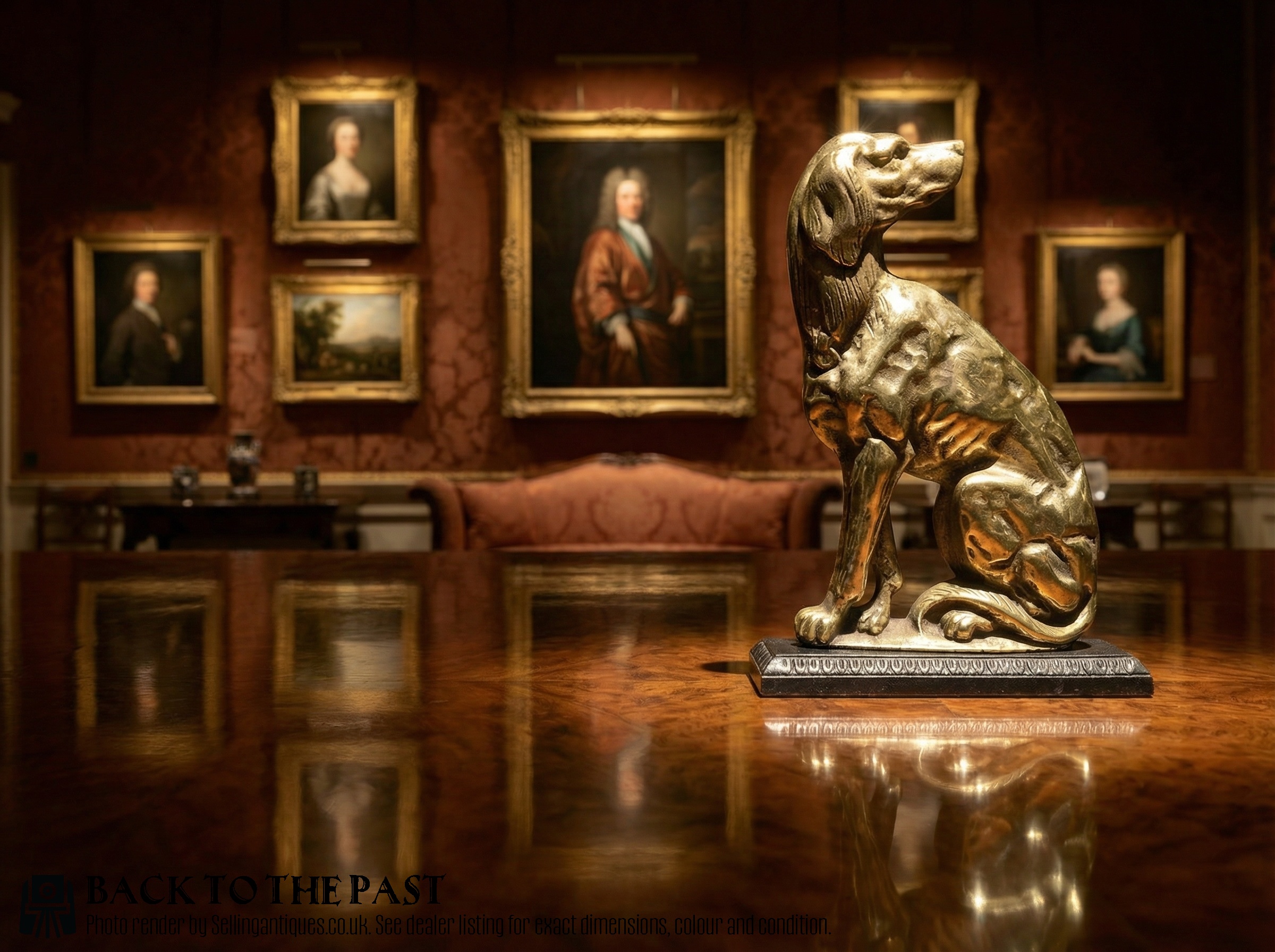
Heavy Brass Doorstop
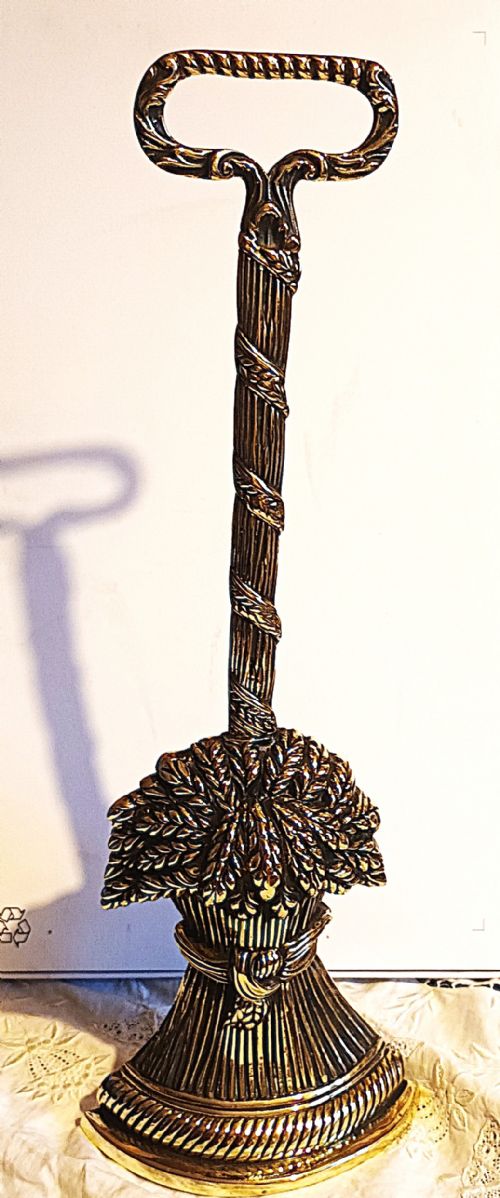
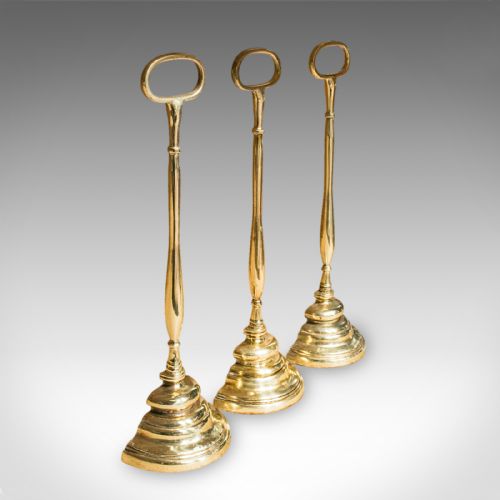
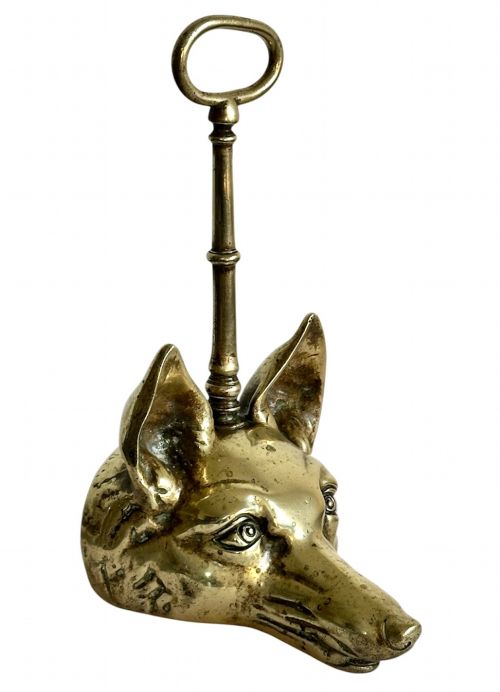
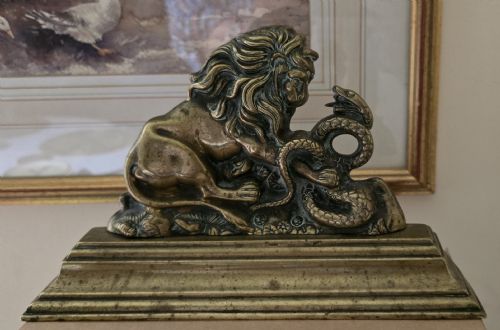
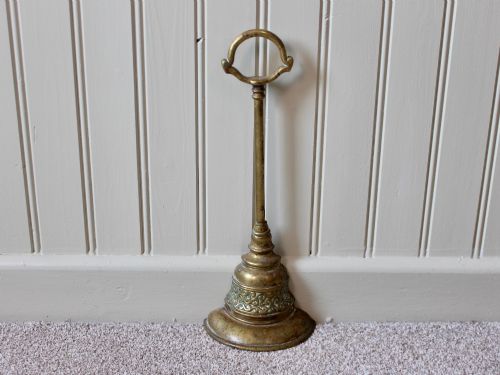
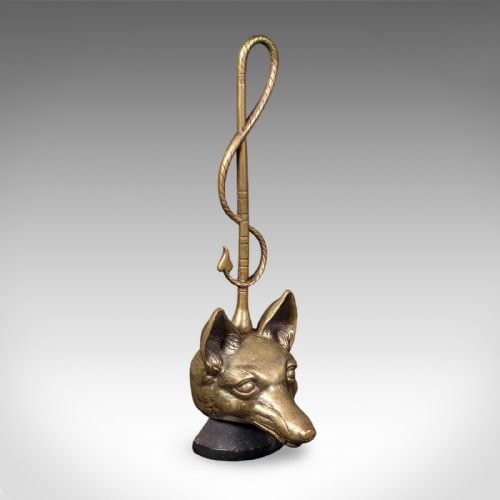
A heavy brass doorstop serves a practical purpose while bringing sculptural form to an interior, appearing frequently as figural animals, soldiers, and heraldic motifs. The examples found here span the Georgian, Victorian, and Edwardian eras, with Victorian pieces forming the majority of the selection. These items are also known historically as door porters or door keepers, designed to keep heavy interior doors from swinging shut in draughty hallways.
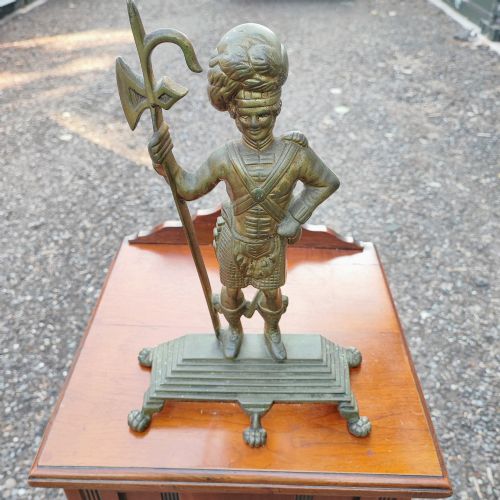
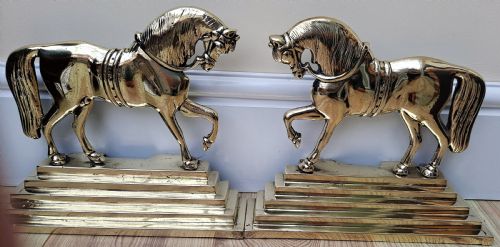
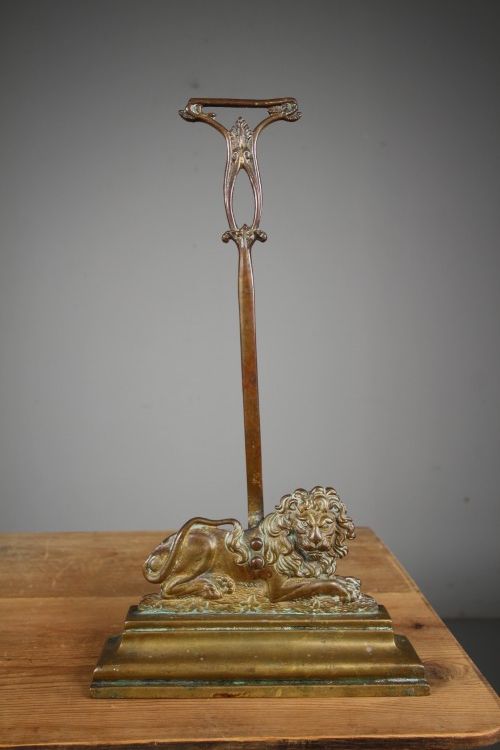
Makers and foundries produced these items in various figurative designs including lions, horses, dogs, foxes, and human figures such as Mr Punch, Lord Nelson, and Scottish soldiers. Alongside animal and human figures, architectural and decorative motifs like cherubs, dolphins, and chimney horses appear across the nineteenth century. Most pieces combine solid metal casting with an integrated handle or loop at the top for lifting.
Materials and casting methods
Production relied heavily on sand casting, where molten brass was poured into moulds to create thick, rigid bodies capable of withstanding daily household use. Foundries often weighted these hollow or semi-solid castings internally with lead or cast iron to achieve the necessary heft required to hold open heavy doors. Secondary materials such as granite and wood occasionally appear in related pieces, though solid brass remains the dominant medium.
Heavy Brass Doorstop Retail Price Guide 2026
Typical asking prices for heavy brass doorstop among the pieces listed under this phrase on Sellingantiques today, from the lower quarter to the upper quarter. They describe what is for sale here now, not the wider market.
Several doorstops take the form of Mr Punch, a Scottish soldier, or curling stones, bringing unexpected characters into the hallway.
Assessing craftsmanship and execution
The degree of detail in the casting separates standard production pieces from finer sculptural works, particularly in the rendering of facial expressions, fur, and clothing. Superior examples exhibit sharp definition in the moulding without the blurring or pitting often found in simpler commercial castings. Heavier internal weighting also distinguishes better examples, ensuring the piece stays firmly in place.
Proportion and balance contribute significantly to the overall merit of a piece, with high-quality items maintaining a stable base and a comfortable grip handle. The presence of maker marks or attribution to known foundries adds historical weight to the physical build. Pieces showing careful hand-finishing after the casting process demonstrate a higher standard of manufacture.
Tonks·William Tonks
The Heavy Brass Doorstop Glossary
- Door porter
- An alternative historical term for a heavy brass doorstop, referencing its function in moving about large interior entryways. These items were designed to stand independently against heavy wooden panels.
- Sand casting
- A traditional manufacturing method using compacted sand to form moulds for molten metal. This technique created the robust body shapes characteristic of nineteenth-century metalwork.
- Patina
- The surface sheen and oxidation acquired by metal over decades of exposure to air and handling. This natural ageing process indicates genuine period manufacture.
- Chimney horse
- A specific regional form of door porter depicting an equine subject, often associated with Georgian and Victorian hearth equipment. These figures combine utilitarian weight with decorative equestrian styling.
Heavy Brass Doorstop: Frequently Asked Questions
What is a door porter?
A door porter is another name for a heavy brass doorstop, designed to keep interior doors open in large houses. They combine substantial weight with a decorative handle for easy repositioning.
These items were standard household accessories in nineteenth-century hallways where draughts required doors to be held securely in place.
How heavy are these doorstops?
These pieces are cast with substantial metal thickness and often filled with lead or iron to provide the necessary mass. Their weight ensures they can hold back heavy timber doors without slipping.
Buyers should expect a solid heft that requires two hands to lift safely.
Are these pieces strictly Victorian?
While Victorian examples dominate the selection, the category includes Georgian, Late Regency, and Edwardian pieces spanning the nineteenth and early twentieth centuries. Design styles evolved from classical Regency motifs to more robust Victorian figural subjects.
Examining the casting style and subject matter helps determine the specific period of manufacture.
How do I clean antique brass?
Antique brass requires minimal intervention to preserve the natural patina developed over generations of use. Gentle dusting with a soft cloth is usually sufficient for everyday maintenance.
Avoid harsh chemical polishes that strip away the aged surface character valued by collectors.