

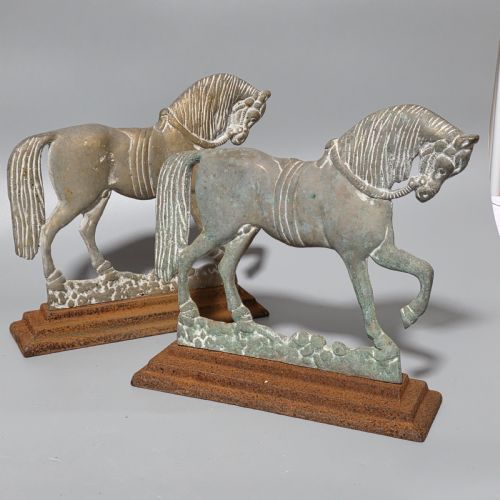


Brass Door Weight
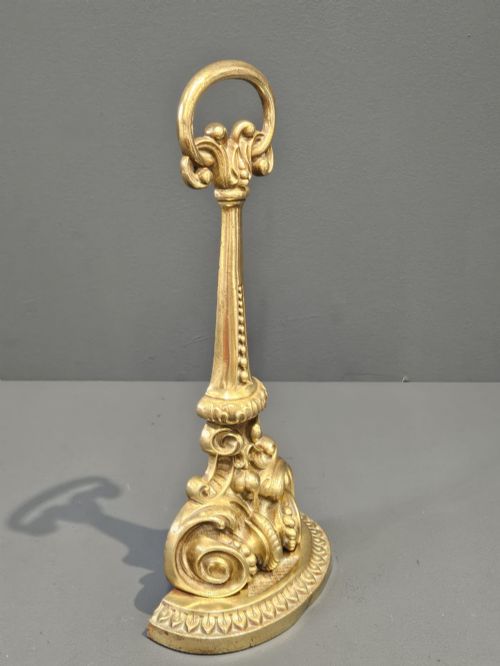
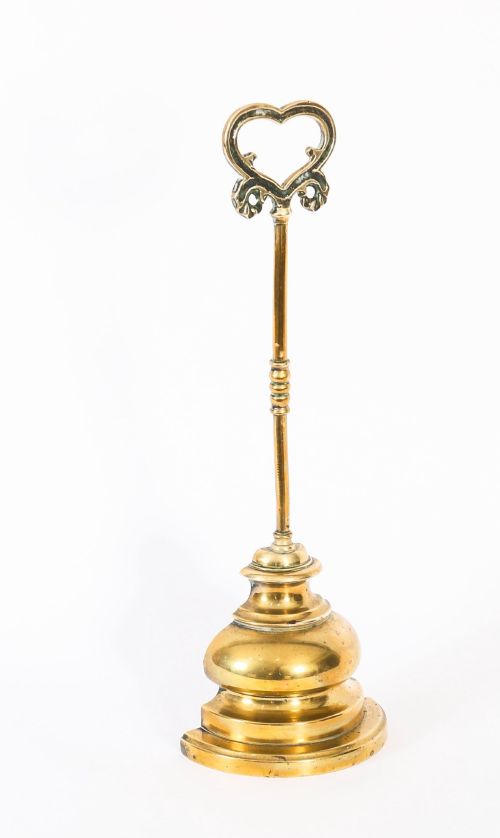
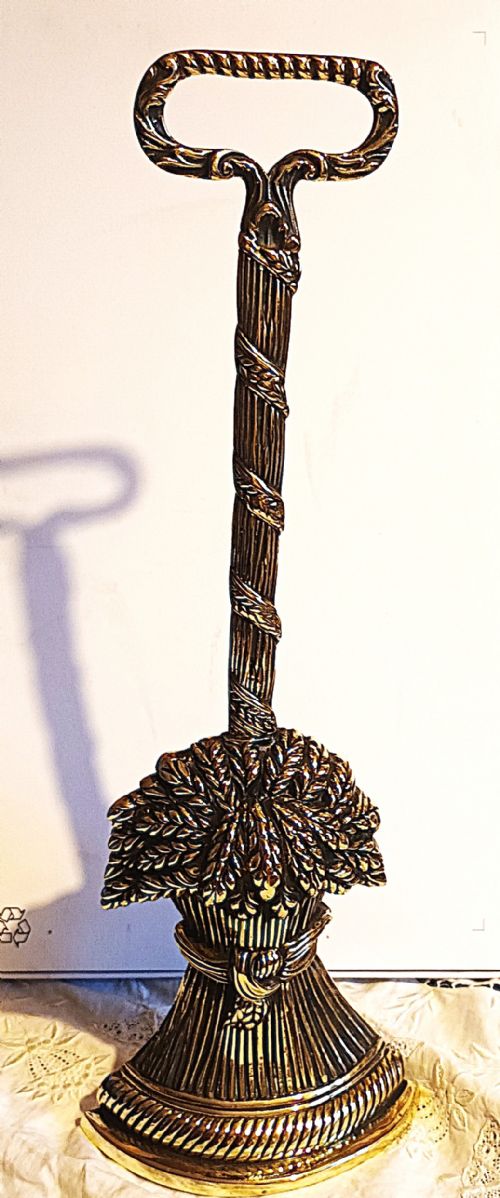
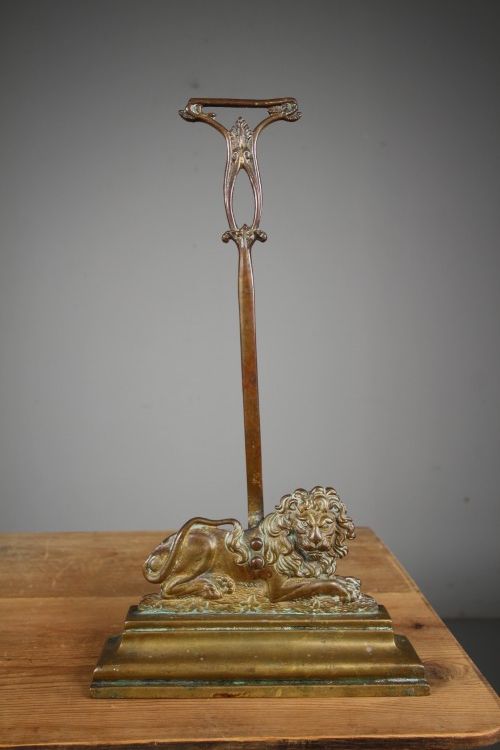
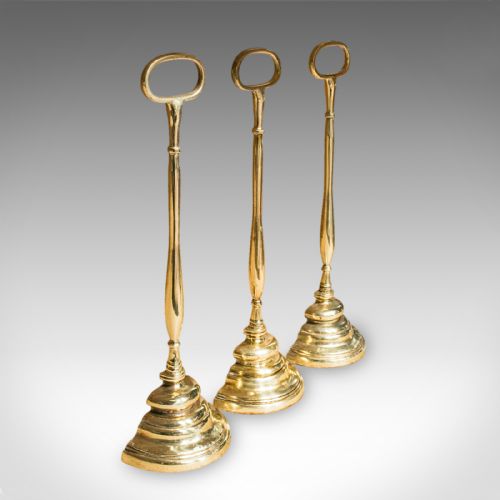
These heavy brass door weight pieces keep heavy interior doors ajar with solid cast metal and weighted bases.
Brass Door Weight
A brass door weight serves primarily to hold doors open in hallways and rooms across country houses and town residences. Most examples encountered here date from the nineteenth century, including Victorian and Edwardian periods, alongside Georgian and later pieces.
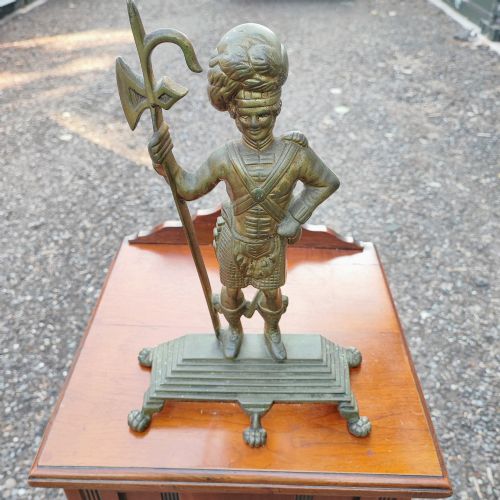
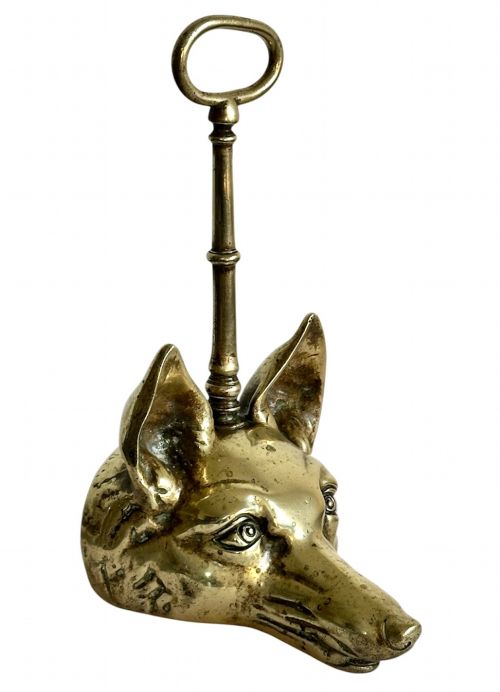
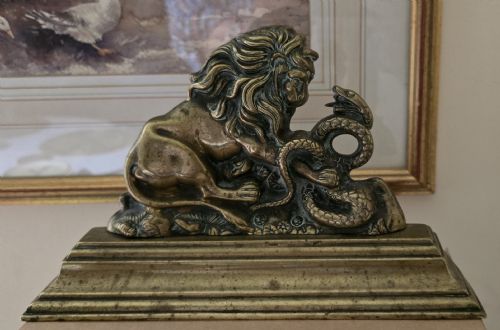
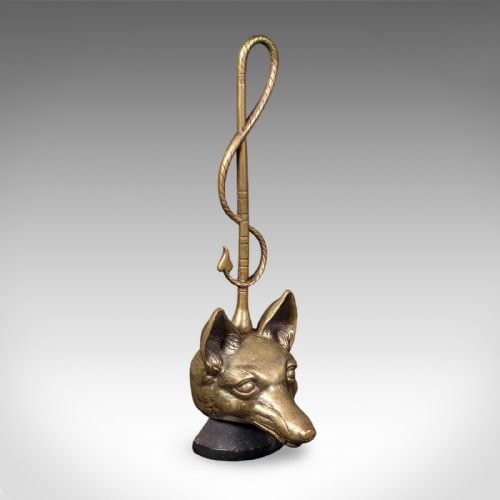
The dominant forms are doorstops and door porters shaped as animals, human figures, and heraldic motifs. Common subjects include lions, horses, foxes, and characters such as Mr Punch, alongside architectural designs.
Makers such as William Tonks and Peerage produced weighted metal doorstops that combined decorative cast forms with heavy internal lead or iron weights. These domestic utilitarian objects bridge the gap between practical hardware and decorative sculpture.
How they were made
Base stability required substantial internal mass, achieved by pouring molten lead or inserting cast iron weights into the hollow interior. These weighted bases were secured beneath the brass casing using original fixings or iron plates.
Brass Door Weight Retail Price Guide 2026
Typical asking prices for brass door weight among the pieces listed under this phrase on Sellingantiques today, from the lower quarter to the upper quarter. They describe what is for sale here now, not the wider market.
Mr Punch and Scottish soldiers stand ready to hold doors open.
What varies in quality
Originality of the internal weight dictates structural integrity, as intact lead or iron weighting ensures proper balance. Examples retaining their original weighted bases and matching pairs demonstrate higher desirability among collectors.
Tonks·William Tonks·Wm Tonks And Sons·Gustav Becker
The Brass Door Weight Glossary
- Door porter
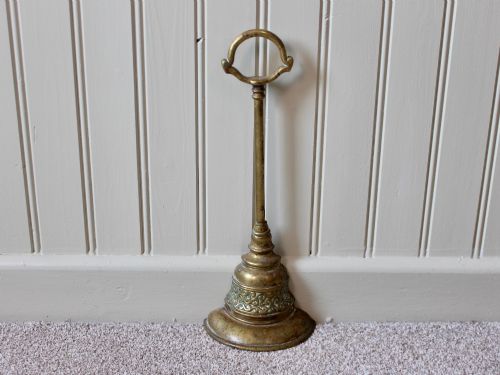
- A heavy portable stop designed to hold a door open without permanent floor fixing. These tall weighted items often feature an integrated handle at the top.
- Cast brass
- Molten metal poured into a mould to create solid or hollow objects. This technique allows for complex sculptural forms like animals and figures.
- Weighted base
- An internal fill of lead or iron placed inside a hollow metal shell to add gravity. This mass prevents the stop from sliding under heavy doors.
- Gothic Revival
- An architectural and decorative style drawing on medieval forms. Pieces in this aesthetic utilise pointed arches and traceried patterns.
Brass Door Weight: Frequently Asked Questions
What is a brass door weight?
A brass door weight is a heavy movable object placed against a door to keep it open. These functional items combine cast metal decoration with dense internal mass.
Most examples date from the Victorian and Edwardian eras, taking the form of animals, human figures, or heraldic devices.
How do I date a brass door weight?
Dating relies on stylistic clues, design registration marks, and manufacturing methods. Victorian and Georgian pieces often display distinct casting techniques and historical clothing styles.
Maker signatures or patent dates stamped into the metal provide precise attribution.
Why are some door weights filled with lead?
Lead or iron filling adds the necessary heft to keep heavy interior doors from moving. The dense internal weight anchors the decorative brass shell firmly to the floor.
Original weights ensure the piece functions as intended by the maker.
Are pairs of door stops common?
Matched pairs appear occasionally in nineteenth-century production for use on large double doors. These mirror-image castings balance the appearance of an entranceway.
Single examples remain far more frequent across domestic listings.