






Cast Brass Doorstop
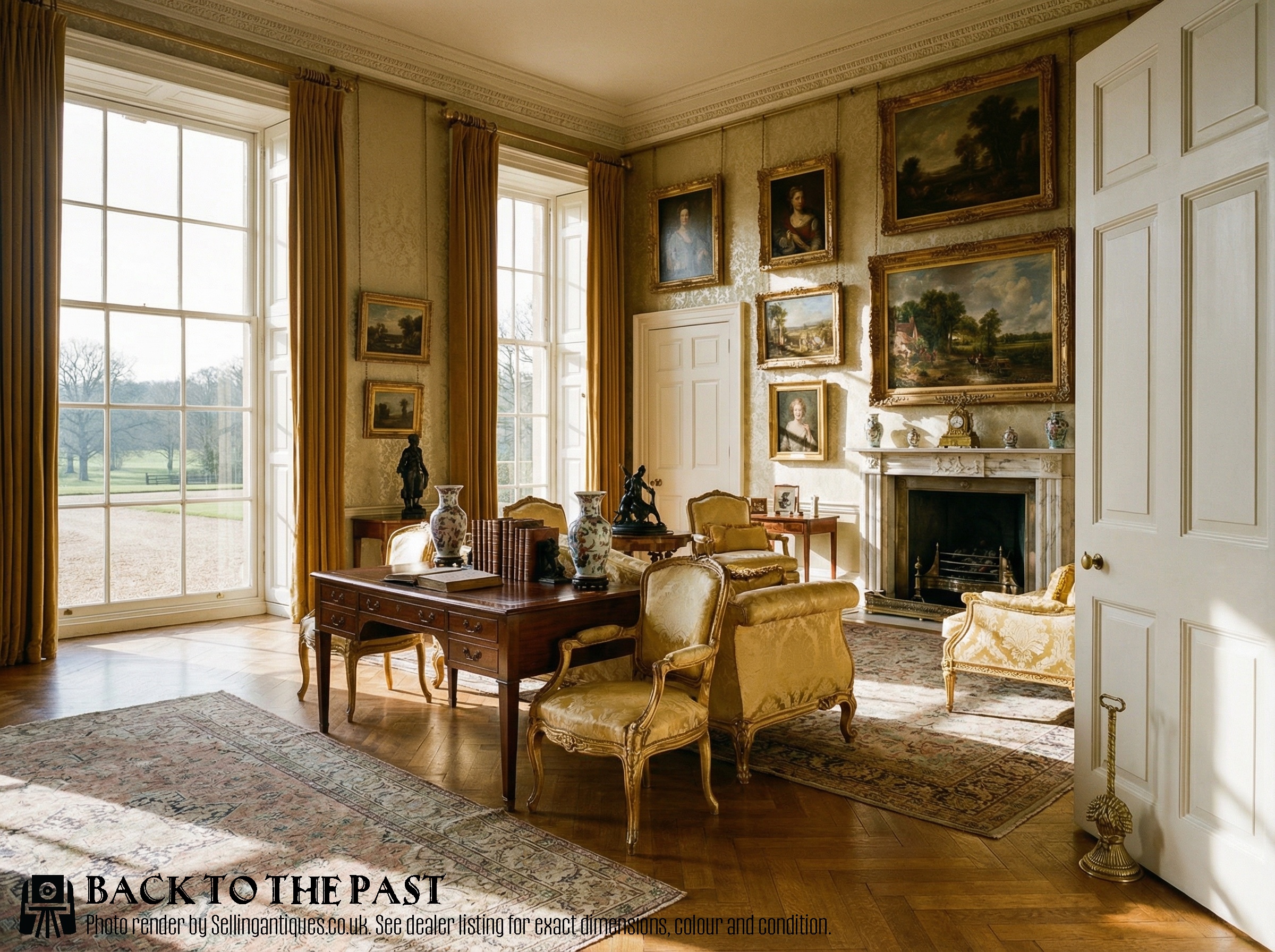
A cast brass doorstop holds heavy interior doors open while bringing sculptural weight to a hallway.
Cast Brass Doorstop
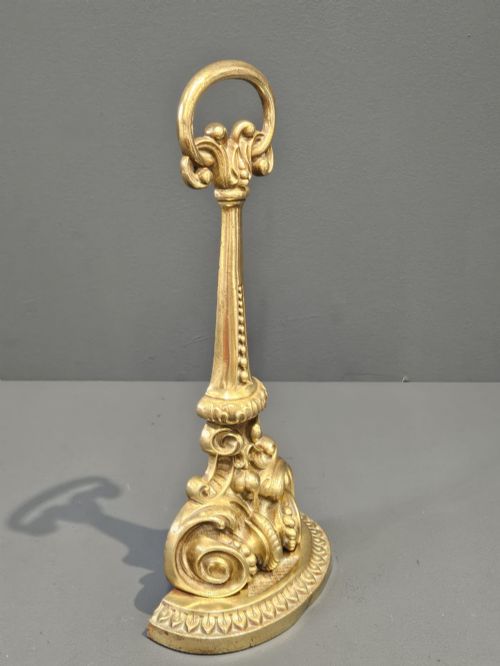
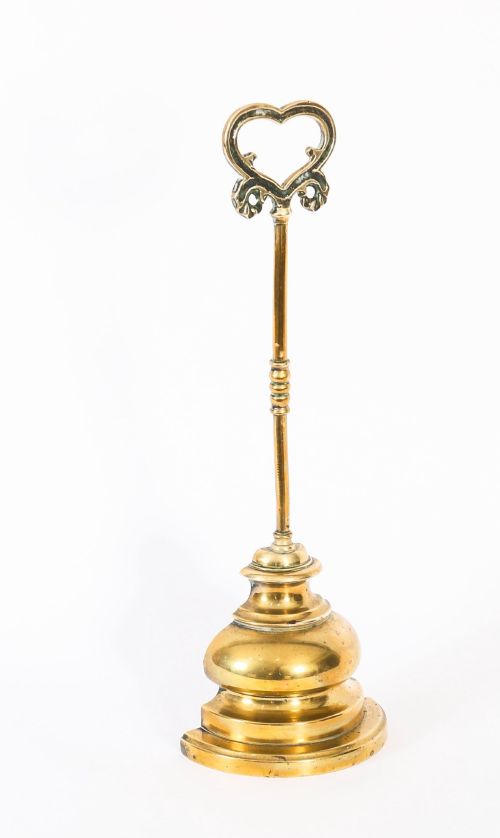
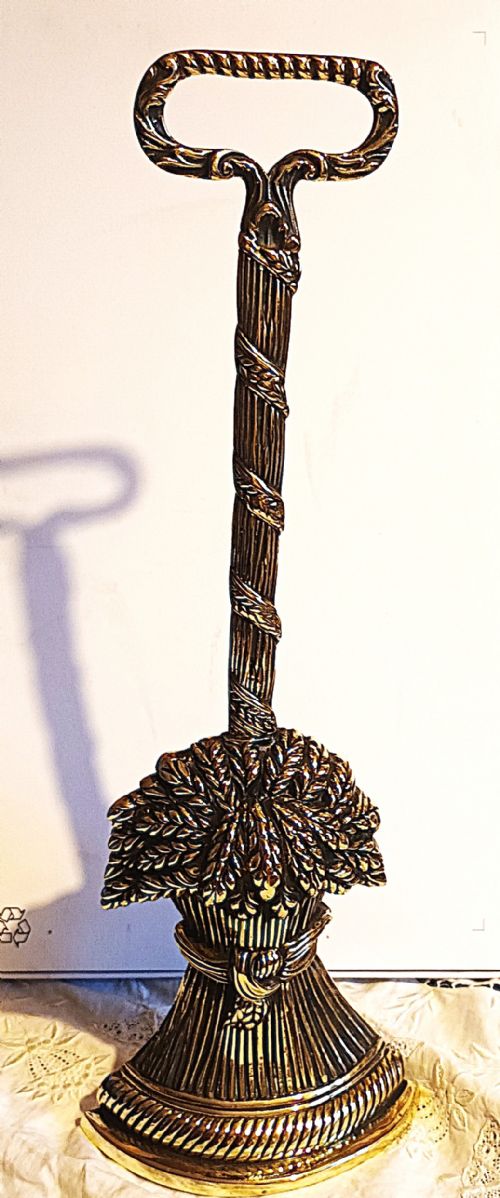
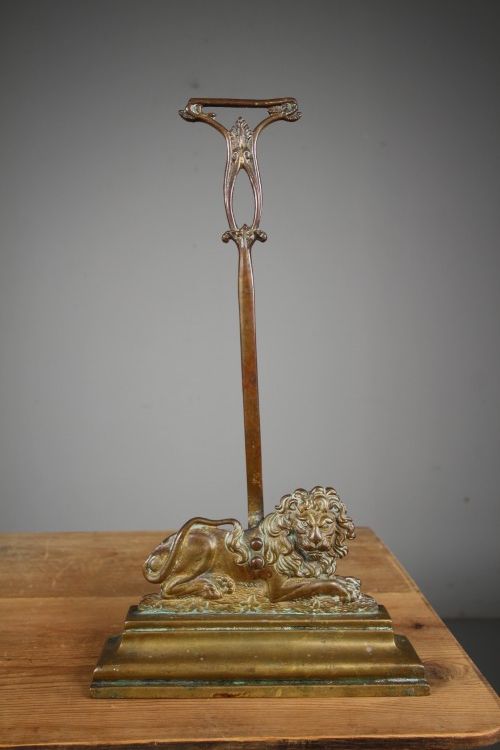
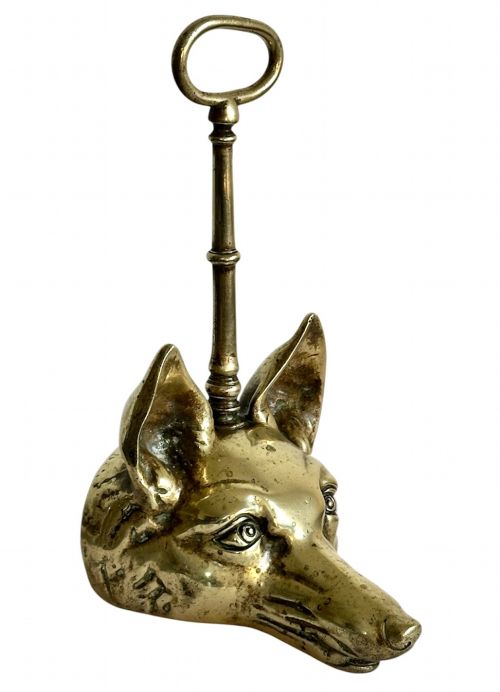
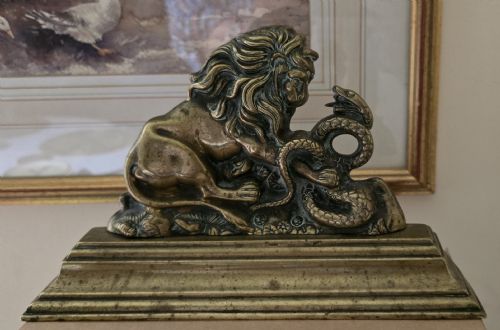
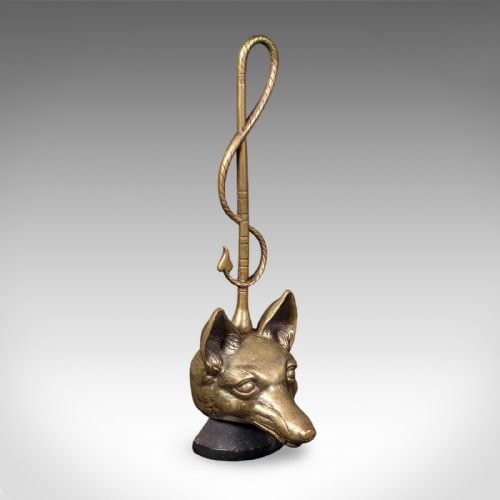
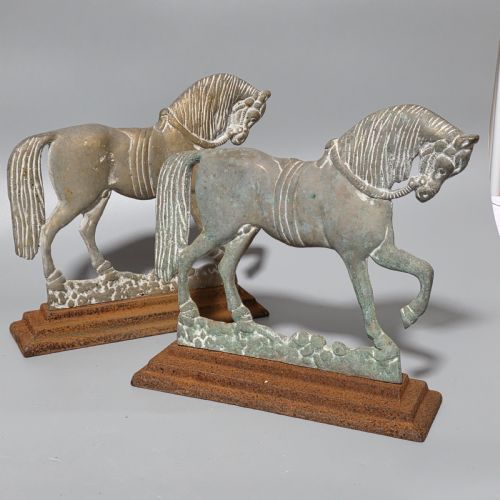
A cast brass doorstop is a weighty, decorative metal object designed to prop open heavy interior doors against draughts. When searching for a cast brass doorstop, buyers encounter figural animals, human characters, and classical motifs intended to catch the eye in a hallway or study. The most common examples seen here date from the nineteenth century, including Victorian and Georgian periods, often taking the form of lions, horses, stags, or figures such as Mr Punch.
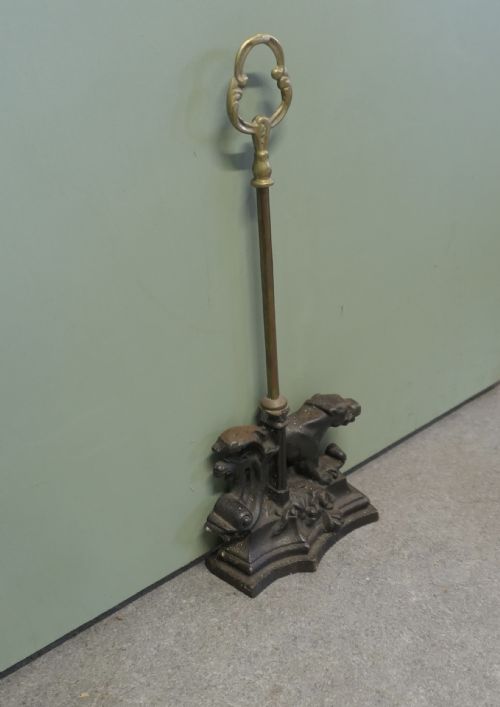
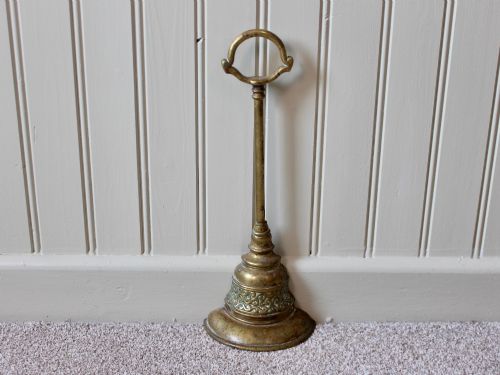
Many of these pieces double as door porters, featuring substantial handles at the top for lifting and moving them easily between rooms. Alongside purely brass examples, many period pieces incorporate a heavy cast iron base or internal weighting to provide the necessary heft. While most originate from English workshops, Dutch and Scottish examples also appear across the selection.
How They Were Made
These items are produced primarily through sand casting, where molten metal is poured into moulds formed from bonded sand. Cast brass provides the decorative exterior, displaying crisp details on figures like horses, dogs, and soldiers.
Cast Brass Doorstop Retail Price Guide 2026
Typical asking prices for cast brass doorstop among the pieces listed under this phrase on Sellingantiques today, from the lower quarter to the upper quarter. They describe what is for sale here now, not the wider market.
Materials across the selection combine cast brass with cast iron bases, lead weights, and occasional painted highlights.
What Varies in Quality
The choice of materials also dictates the standard of the piece, with heavier composite designs utilising solid cast iron plinths offering superior stability compared to lighter alternatives.
Tonks·William Tonks
The Cast Brass Doorstop Glossary
- Door porter
- A heavy portable doorstop fitted with an upright handle at the top. This allows the object to be lifted and shifted without bending down.
- Sand casting
- A manufacturing process using sand moulds to shape molten metal. It leaves a slightly textured surface texture that requires finishing.
- Plinth
- The solid base block supporting the main figural subject. It provides stability and extra weight for holding heavy doors.
- Regency
- An architectural and decorative style spanning the early nineteenth century. Pieces from this era often feature classical motifs and restrained ornamentation.
Cast Brass Doorstop: Frequently Asked Questions
How do I use a heavy doorstop?
Place the object firmly against the base of an interior door to prevent it from swinging shut in a draught.
Lift the piece by its integrated handle or top section when moving it between rooms to protect floor surfaces.
Were these always used for doors?
Most served as functional doorstops or porters in grand hallways and country houses to manage heavy wooden doors.
Some designs relating to hearths also functioned as fireside companions alongside coal buckets and pokers.
How do I date a brass doorstop?
Examine the casting quality, fastener types, and design styles such as Georgian, Regency, or Victorian.
Wear patterns on the base and the composition of internal iron weights also help determine the period.
Why do some have iron bases?
Foundries paired cast brass shells with iron bases or plinths to add essential weight without increasing material costs.
This combination kept the centre of gravity low, ensuring the object stayed firmly planted against heavy doors.