

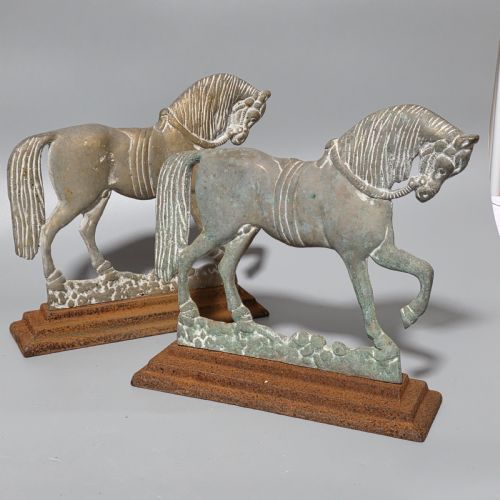


Victorian Brass Doorstop
A victorian brass doorstop holds heavy doors open while bringing sculptural weight and period character to a hallway.
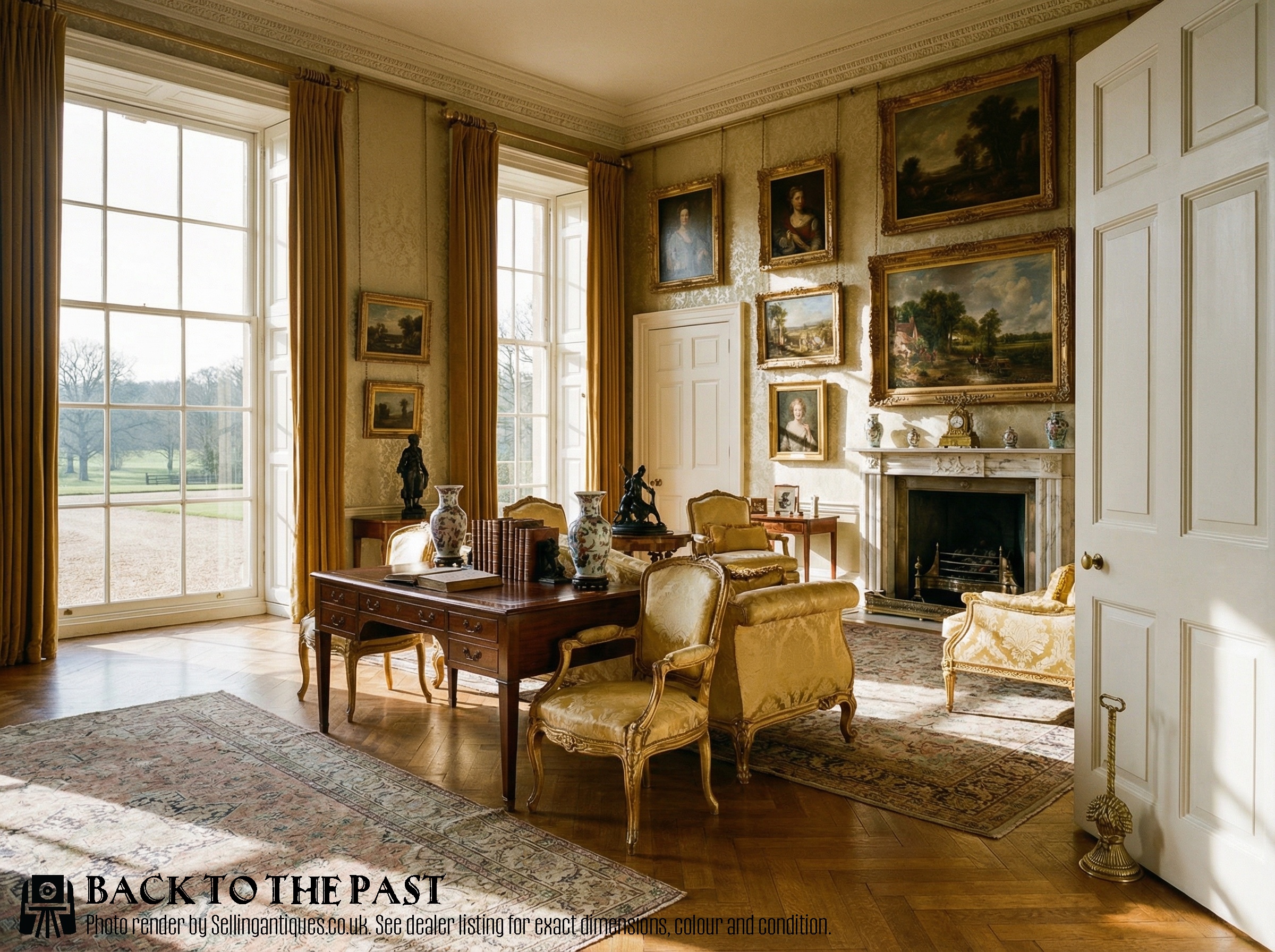
Victorian Brass Doorstop
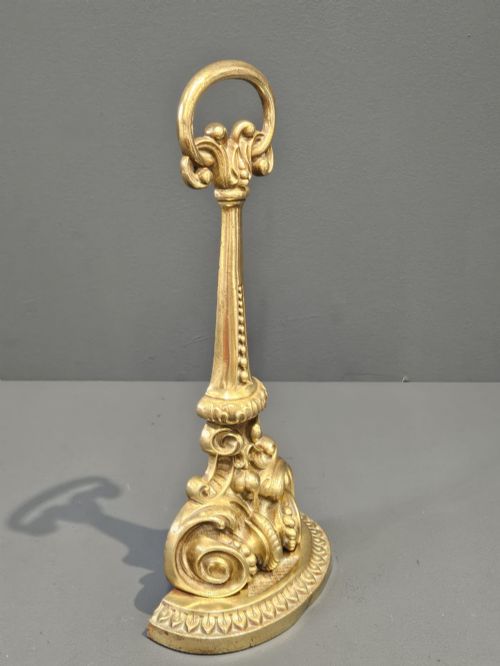
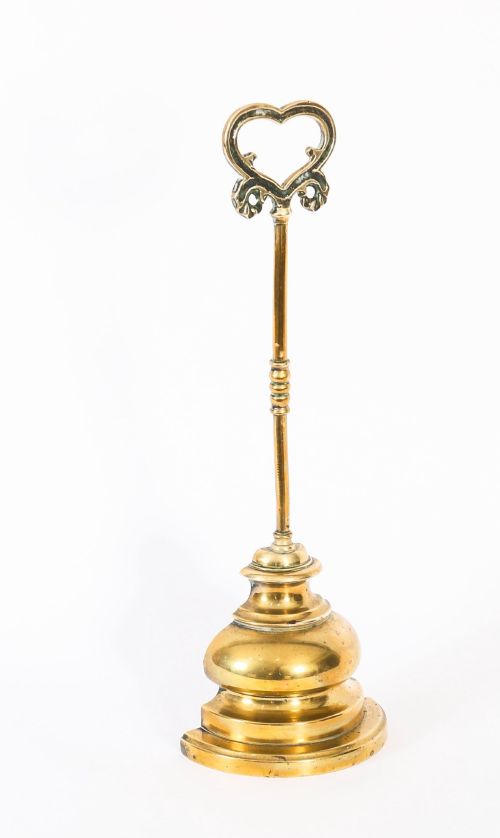
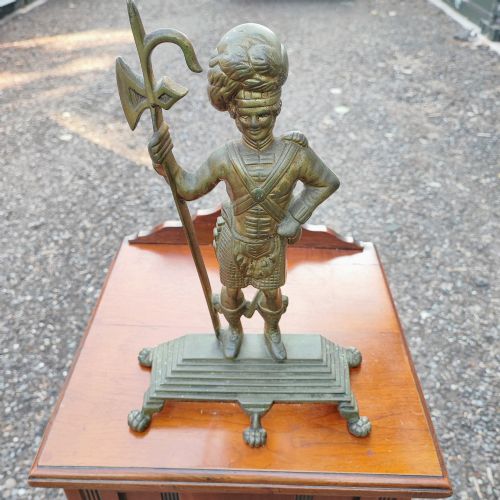
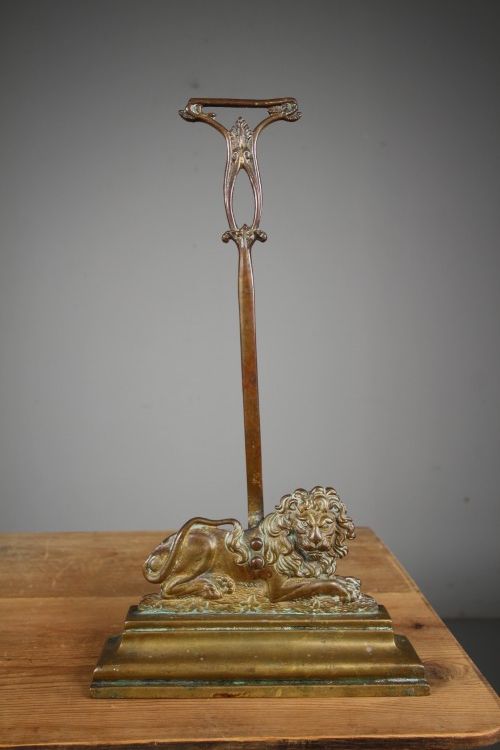
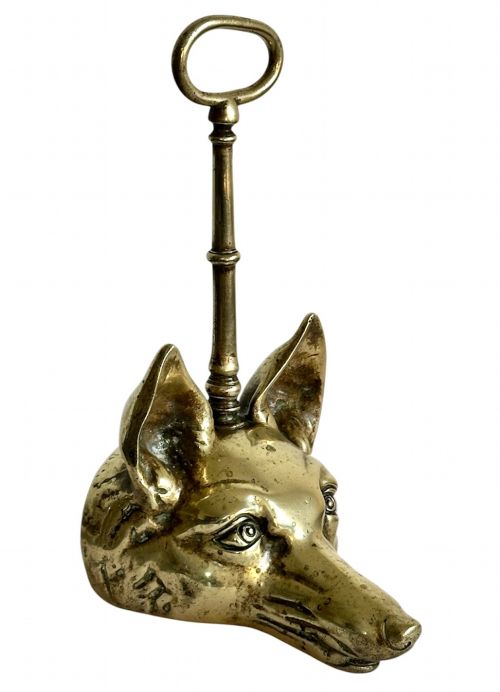
A victorian brass doorstop is a heavy utilitarian object designed to keep heavy interior doors from swinging shut in draughty hallways and reception rooms. The most common form on this page is the figural cast object, depicting animals, soldiers, mythological creatures, or human figures.
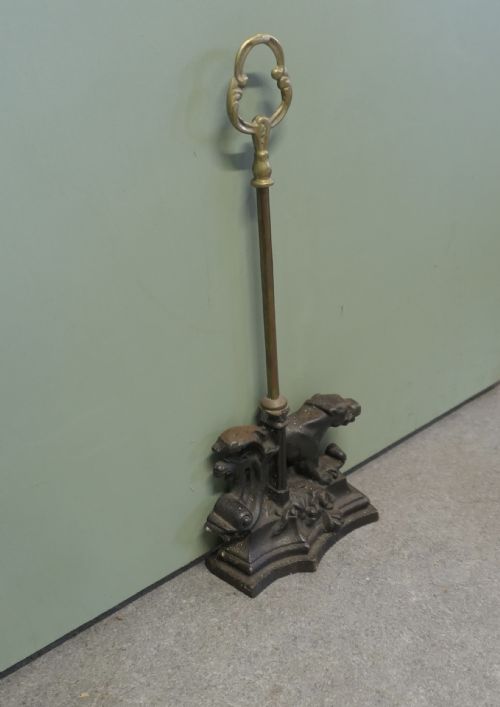
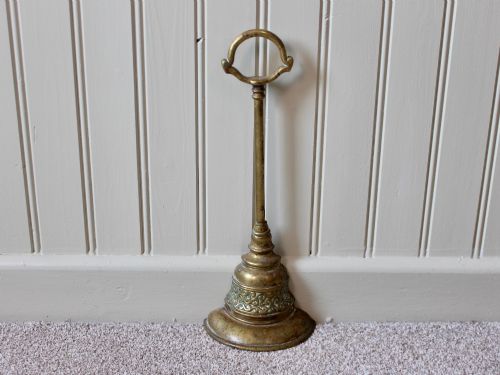
These pieces frequently double as door porters, standing tall with integrated carrying handles or rings at the top for easy movement between rooms. Many examples combine cast brass figures with weighted bases made of cast iron, granite, or lead to provide the necessary heft.
Materials and Techniques
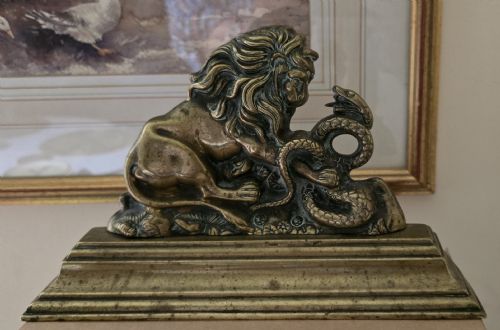
Foundries produced these objects using sand casting methods, pouring molten brass or bronze into bespoke moulds to create crisp relief details on figures like lions, horses, stags, and cherubs. Cast iron frequently served as an internal weighting material or a foundational plinth to anchor the lighter brass upper components.
Makers finished the cast metal through filing and polishing, occasionally incorporating weighted bases of stone or cast iron secured with internal iron rods. Some utilitarian variants integrated copper components or relied purely on solid brass construction for durability.
Victorian Brass Doorstop Retail Price Guide 2026
Typical asking prices for victorian brass doorstop among the pieces listed under this phrase on Sellingantiques today, from the lower quarter to the upper quarter. They describe what is for sale here now, not the wider market.
Listings feature brass, cast iron, bronze, granite, wood, and copper across Victorian, Georgian, and Edwardian periods.
Evaluating Execution
The integrity of the weighted base and the balance of the casting dictate practical utility, ensuring the object stands firmly without listing or wobbling under pressure from heavy doors.
Tonks·William Tonks·William Tonks and Sons
The Victorian Brass Doorstop Glossary
- Door porter
- A heavy portable doorstop, often taller than standard wedges, designed with an upper handle so it can be moved without bending down.
- Cast brass
- Molten alloy poured into a sand mould to form decorative shapes, yielding a heavier and more detailed result than pressed sheet metal.
- Plinth
- The solid base block, frequently made of cast iron or stone, that grounds the upper decorative figure and provides ballast.
- Registration number
- An official stamped or cast code that reveals the exact year or batch when a design was legally protected at the Patent Office.
Victorian Brass Doorstop: Frequently Asked Questions
How do I use a heavy doorstop safely?
Place the piece directly against the baseboard or skirting board to catch the door handle or edge securely. Ensure the heavy base sits flat on wooden or carpeted flooring to prevent tipping.
Because these objects often weigh several kilograms, lift them by the integrated handle rather than dragging them across delicate floor surfaces.
Were these always used just for doors?
While primarily manufactured to control draughts and keep interior doorways open, many similar heavy brass items served as fireside ornaments or companions. Their substantial weight also suited them for anchoring papers or functioning as decorative hearth sculptures.
Some specialised forms, such as curling stones, originated in sporting contexts before finding secondary utility in domestic hallways.
How can I tell a Victorian example from a later copy?
Examine the casting quality for hand-filed seams, sand texture remnants, and natural wear patterns on the underside where the base contacts the floor. Victorian pieces typically feature heavier gauge brass and deeper relief than modern reproductions.
Look for period mounting screws, iron rods, and patination that indicates decades of oxidation rather than applied chemical finishes.
What subjects are most common in these designs?
Animal studies dominate the field, featuring horses, stags, dogs, lions, and foxes reflecting country house tastes and equestrian interests. Mythological figures, cherubs, dolphins, and historical or literary characters also appear frequently.
Human figures range from soldiers and Scottish highlanders to comic personalities like Mr Punch.