


Heavy Brass Door Stop
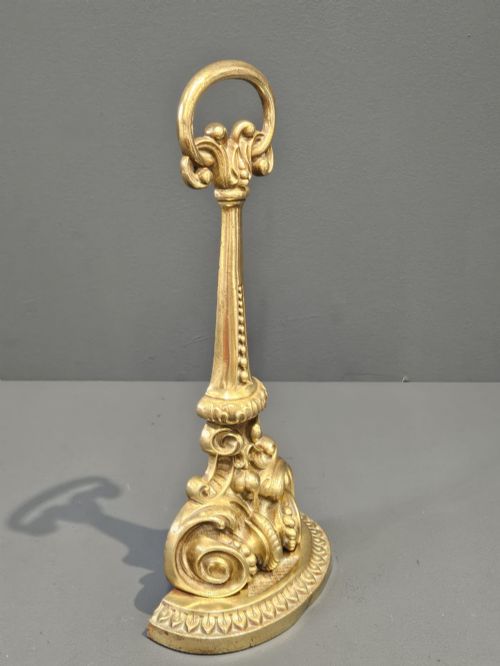
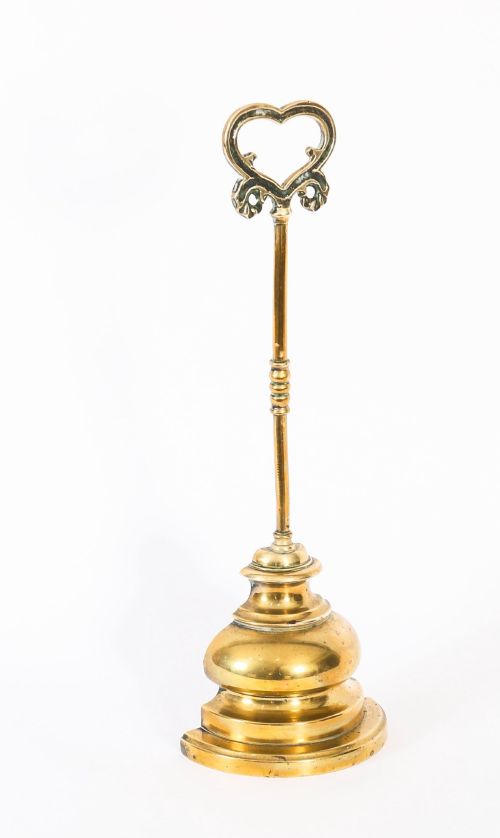
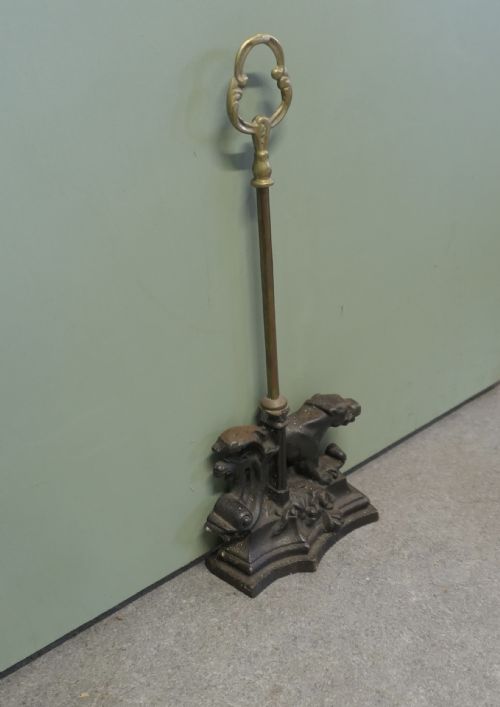
A heavy brass door stop holds open stubborn period doors with substantial weight and distinct figural character.
Heavy Brass Door Stop
A heavy brass door stop is a functional accessory designed to keep interior doors open in grand houses and domestic rooms alike. When you search for heavy brass door stop, you encounter robust items intended to manage heavy timber doors against draughts and spring hinges.
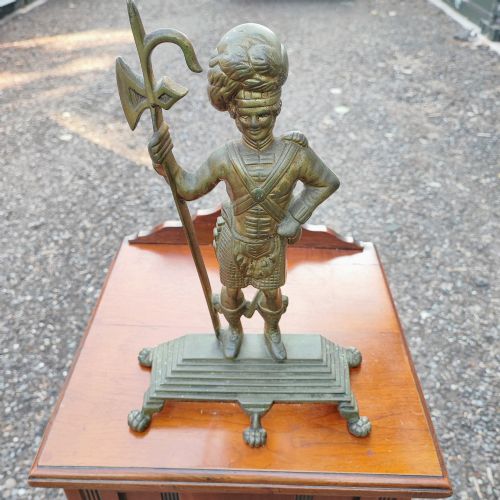
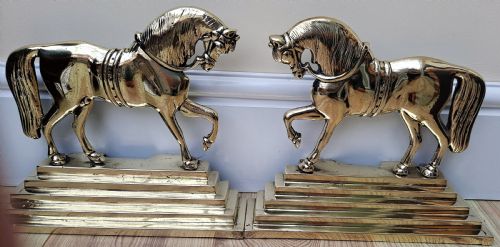
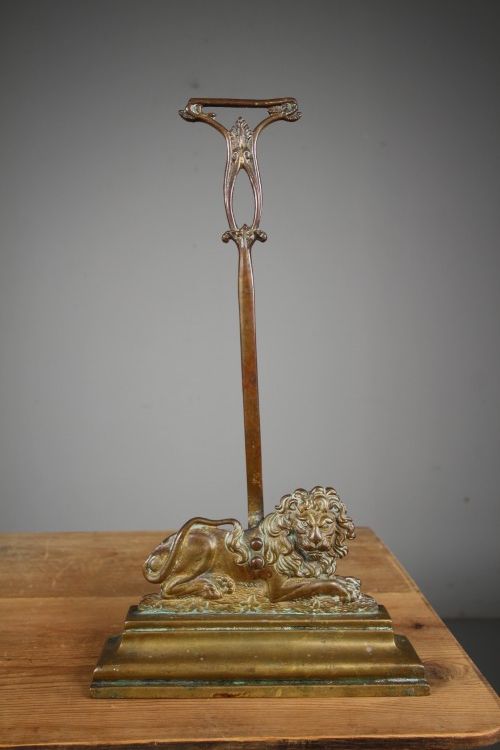
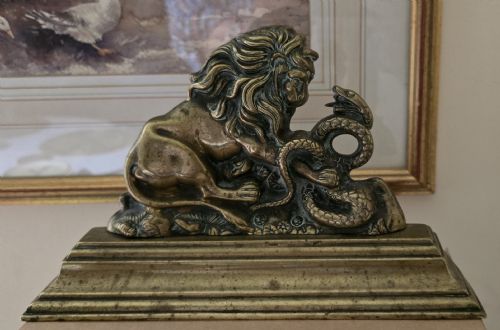
The pieces appearing on this page span the Georgian, Victorian, and Edwardian eras, with a strong representation of nineteenth-century examples. Common forms include figural subjects such as lions, horses, dolphins, soldiers, and literary or historical figures like Mr Punch and Lord Nelson.
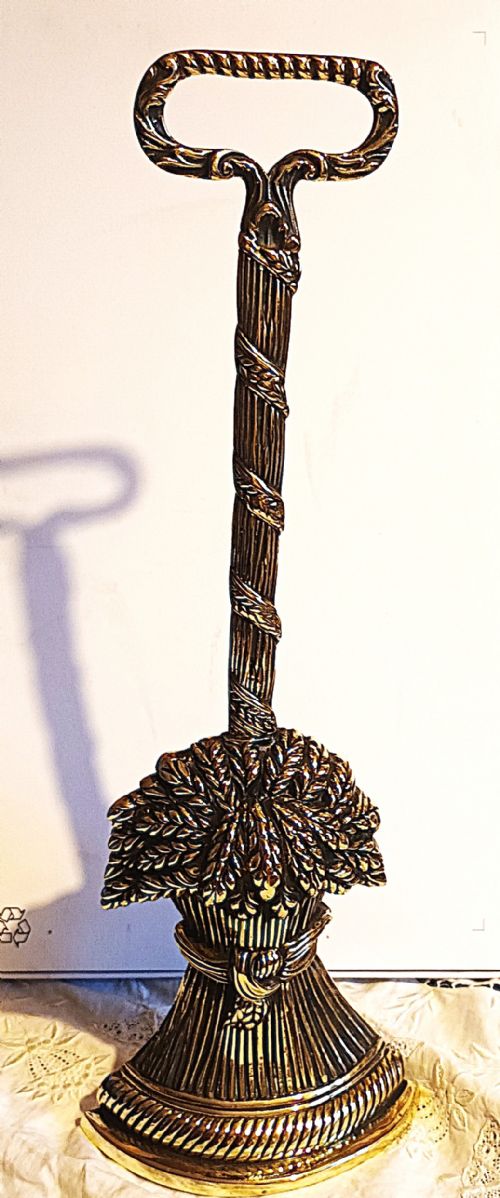
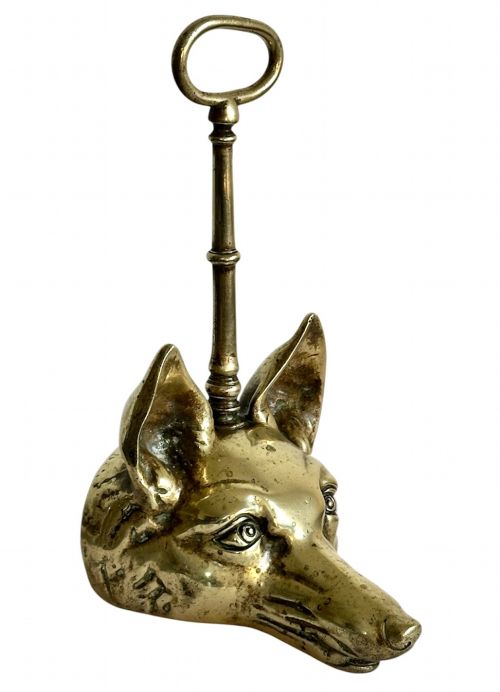
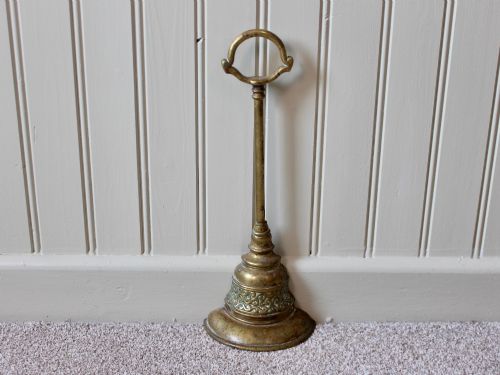
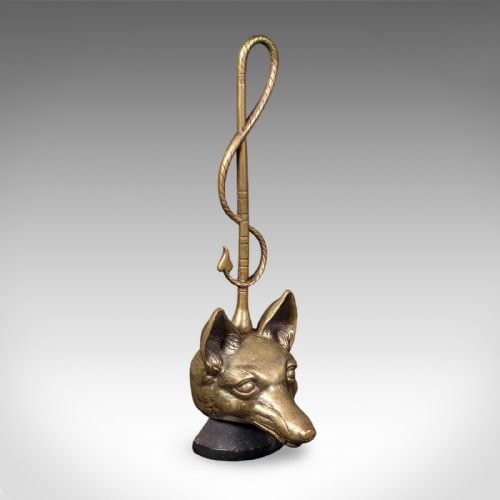
Most specimens function both as door porters and decorative objects, often featuring integrated handle loops at the top for lifting. They originate predominantly from English workshops, alongside occasional Dutch examples.
How they were made
These items were produced primarily using traditional foundry methods, utilising molten brass poured into sand moulds to create solid figural castings. The weight required to hold open a heavy door was achieved through dense metal composition, sometimes supplemented by lead weighting in the base.
Makers finished the cast metal through filing and polishing, often leaving textured surfaces or crisp chased details on subjects like animal coats and military uniforms. Iron and cast iron also appear in certain utilitarian or mixed-metal examples within the broader category.
Figural subjects in the inventory range from lions and prancing horses to Mr Punch, Lord Nelson, and Scottish soldiers.
What varies in quality
The overall heft and stability of the piece dictate its functional merit, while integrated handle loops show careful design integration rather than crude attachment. Original surface patination and the absence of clumsy repairs further distinguish finer specimens from standard production.
Tonks
The Heavy Brass Door Stop Glossary
- Door porter
- An alternative term for a heavy door stop, denoting a portable weight moved from room to room to keep doors ajar.
- Chimney horse
- A specific regional or stylistic descriptor applied to certain equine door stops, linking their visual form to hearth subjects.
- Halberd
- A two-handed pole weapon depicted in the hands of figural soldier door stops, characteristic of specific nineteenth-century casts.
- Figural
- Describes objects moulded in the likeness of humans, animals, or mythical creatures rather than relying on abstract geometric forms.
Heavy Brass Door Stop: Frequently Asked Questions
How heavy is a typical door stop?
These pieces possess substantial heft, often weighing several kilograms to ensure they can hold open heavy interior doors against draughts.
The weight is concentrated in the cast metal body and sometimes augmented with lead internal weighting to increase stability.
Were these used on exterior doors?
They were designed primarily for heavy interior doors within large houses, libraries, and formal reception rooms.
Their decorative figural designs suited them for prominent display inside rather than exposure to weather on outside thresholds.
How do I clean a brass door stop?
Maintenance usually involves gentle dusting with a soft cloth to preserve the natural aged patination accumulated over decades.
Aggressive metal polishes can strip away historic surface character, so cleaning should be approached with restraint.
How do I distinguish Victorian from Georgian examples?
Georgian pieces often display restrained neoclassical motifs or specific historical figures, while Victorian versions frequently embrace ornate or naturalistic animal forms.
Casting sharpness, screw types on base plates where applicable, and stylistic conventions of the dress or subject help indicate the period.