



Vintage Brass Doorstop
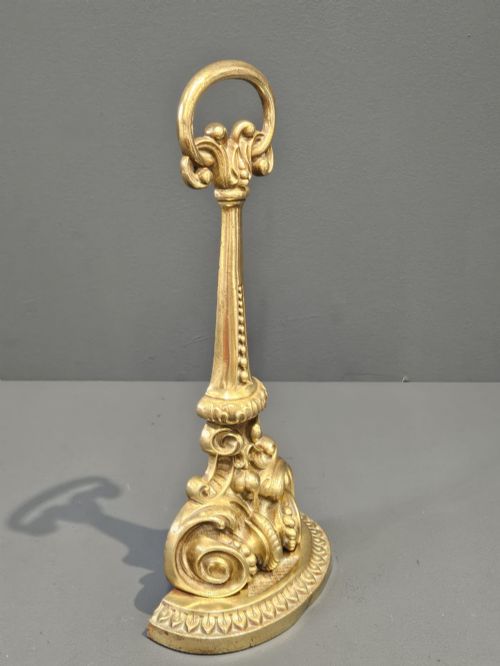
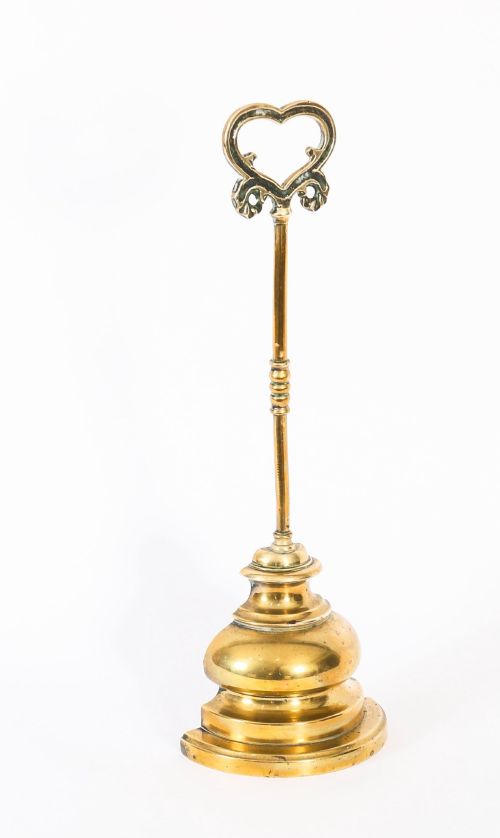
These heavy vintage brass doorstops keep heavy interior doors open while bringing sculptural metalwork into a hallway.
Vintage Brass Doorstop
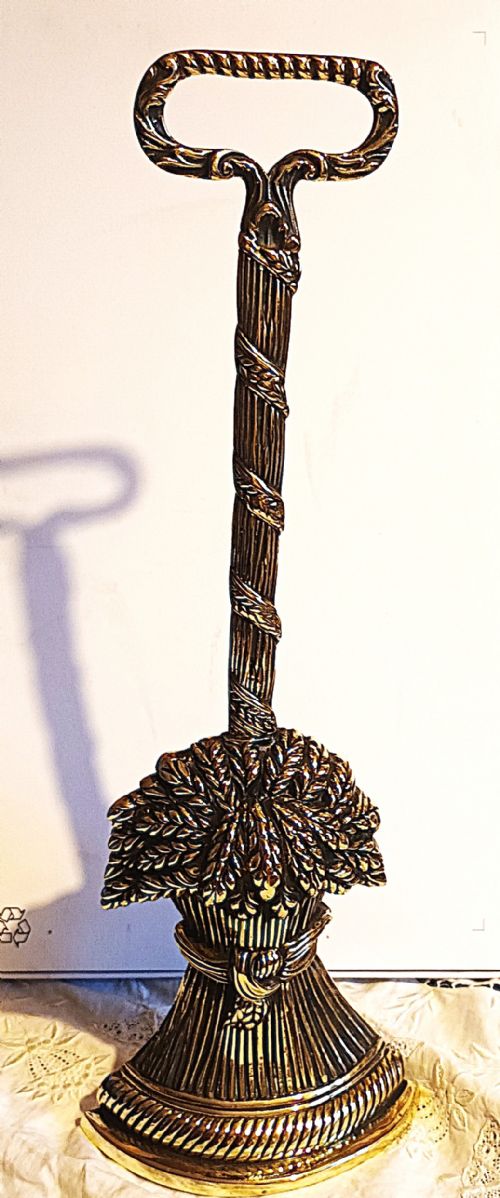
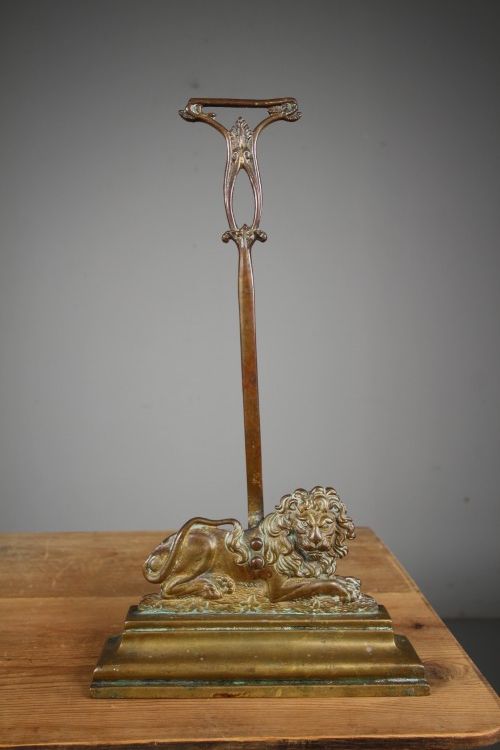
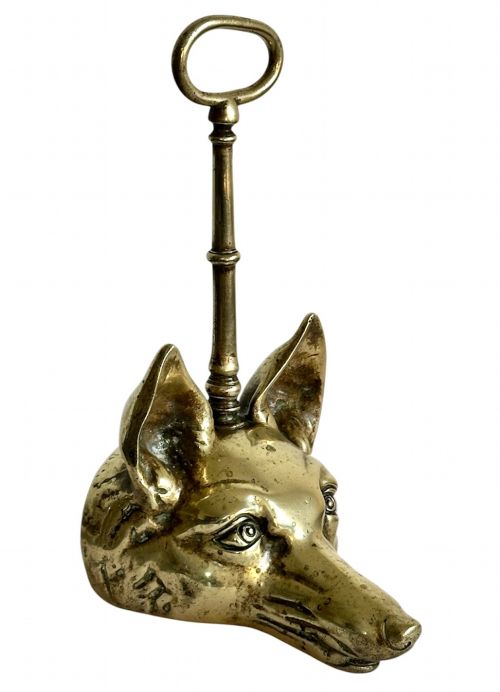
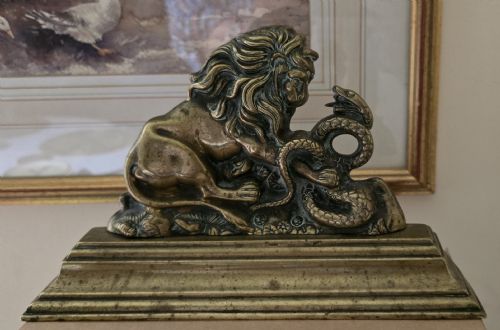
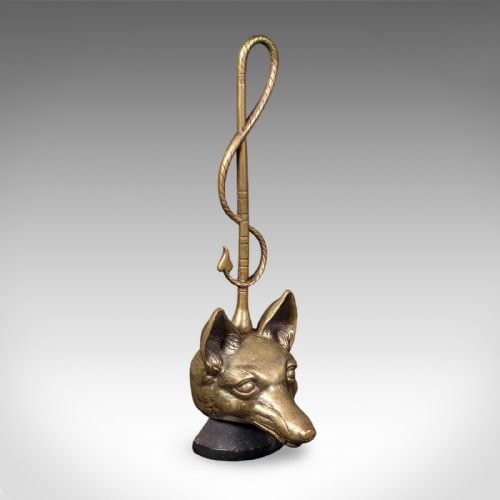
A vintage brass doorstop is a functional item designed to hold doors open, commonly taking the form of figural animals, human figures, or architectural motifs. The examples seen on this page span the Georgian, Victorian, and Edwardian periods, stretching from the late eighteenth century into the early twentieth century.
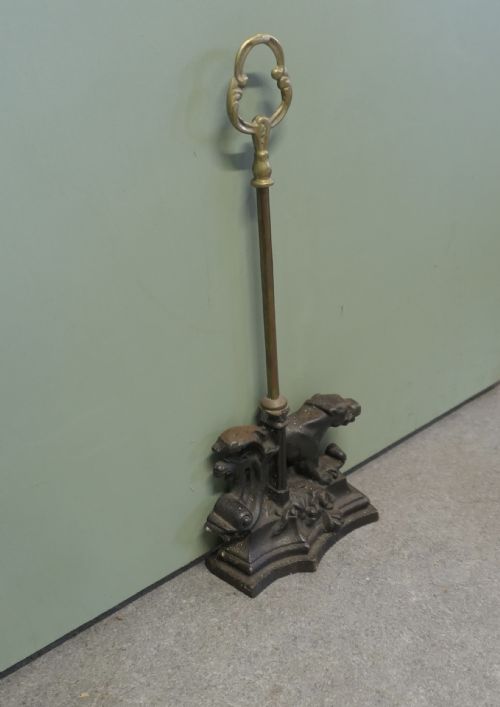
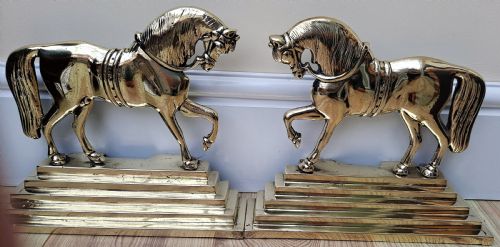
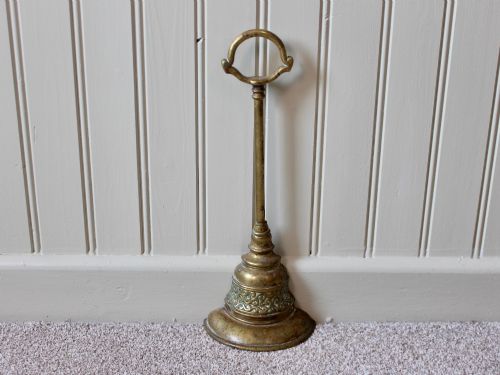
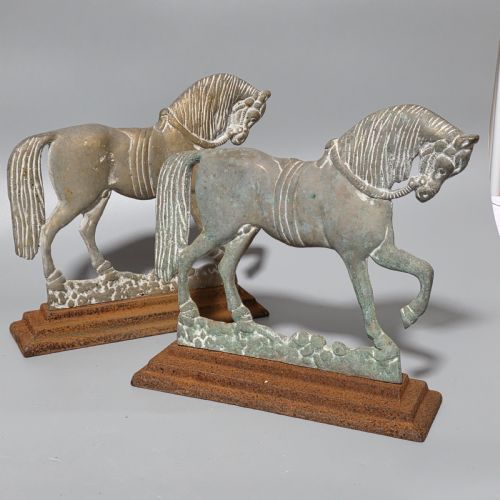
You will most frequently encounter nineteenth-century pieces, including Victorian and late Regency designs, which often depict lions, horses, cherubs, or botanical themes. These objects frequently double as door porters, shifting the weight from a small wedge on the floor to a substantial handle-mounted weight.
The materials used extend beyond pure brass to include cast iron, lead, and bronze combinations, occasionally paired with granite or wood bases. Alongside traditional doorstops, the selections include fireside ornaments and door butlers originating from English country houses.
Materials and casting methods
Most pieces are produced using traditional metal-casting techniques, utilising molten brass or cast iron poured into sand moulds. This process creates the thick, solid bodies necessary to hold heavy interior doors against draughts.
Vintage Brass Doorstop Retail Price Guide 2026
Typical asking prices for vintage brass doorstop among the pieces listed under this phrase on Sellingantiques today, from the lower quarter to the upper quarter. They describe what is for sale here now, not the wider market.
Distinctions in craftsmanship and design
Proportion and structural integrity also set pieces apart. Superior items maintain balanced weighting and secure handle attachments, ensuring the metal withstands daily contact with heavy doors without loosening.
Tonks·William Tonks
The Vintage Brass Doorstop Glossary
- Door porter
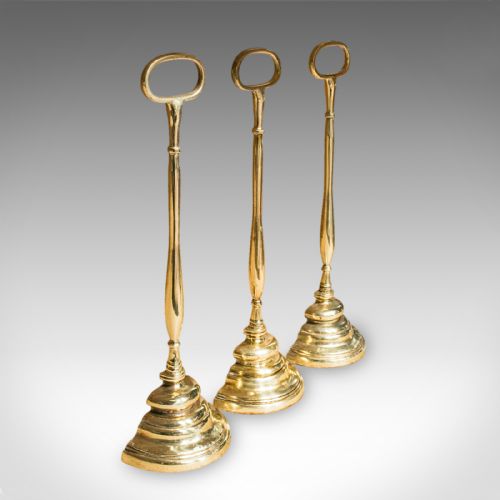
- A heavy portable doorstop equipped with an upright handle at the top, allowing it to be lifted and moved without bending down.
- Chimney horse
- A specific nineteenth-century brass doorstop design, often depicting an equine figure or equestrian motif near the hearth.
- Casting
- The manufacturing process where molten metal is poured into a mould to form solid figural shapes.
- Fireside ornament
- A decorative metal object placed near the fireplace, sometimes sharing the materials and makers of doorstops.
- Regency
- An English design period spanning the early nineteenth century, known for classical motifs and refined metalwork.
Vintage Brass Doorstop: Frequently Asked Questions
What is a door porter?
A door porter is a tall, heavy doorstop featuring a vertical handle at the top. This design allows you to pick up the weight without stooping to the floor.
These pieces were especially useful in large houses with heavy interior doors that needed to remain open during the day.
How do I date a brass doorstop?
Dating relies on stylistic clues, casting techniques, and the weight of the metal. Georgian and Regency pieces tend toward classical ornamentation, while Victorian examples often feature ornate figural animals and cherubs.
Examining the underside and the wear on the base also helps determine the age of the piece.
Are these doorstops solid brass?
Many examples are made from solid cast brass, but others combine brass shells with lead filling or cast iron internal weights. This mixed construction provided the necessary mass to hold doors securely.
Some pieces also incorporate iron or wooden components in their bases.
How were doorstops used historically?
Historically, doorstops were placed against interior doors to prevent them from slamming shut in draughty hallways and reception rooms. They were decorative as well as practical furnishings in country houses.
Servants moved them between rooms as family members traversed the house.