



Cast Brass Door Porter
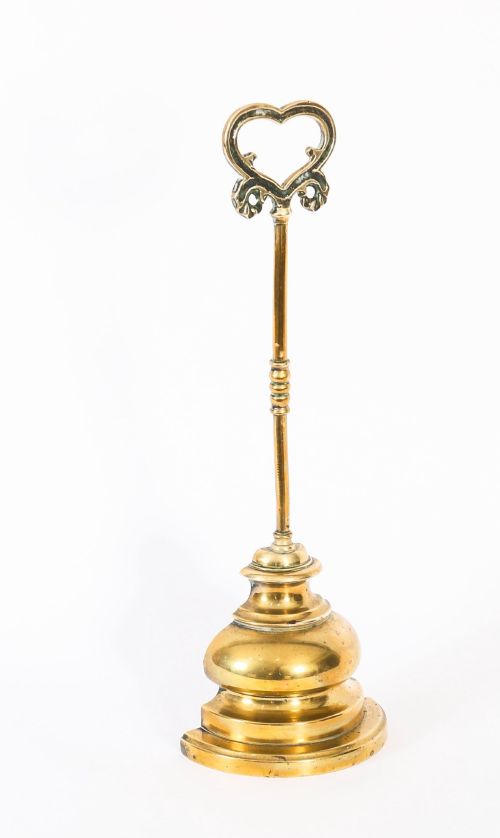
These cast brass door porters are heavy metal weights designed to hold interior doors open, combining utility with decorative character.
What cast brass door porters are
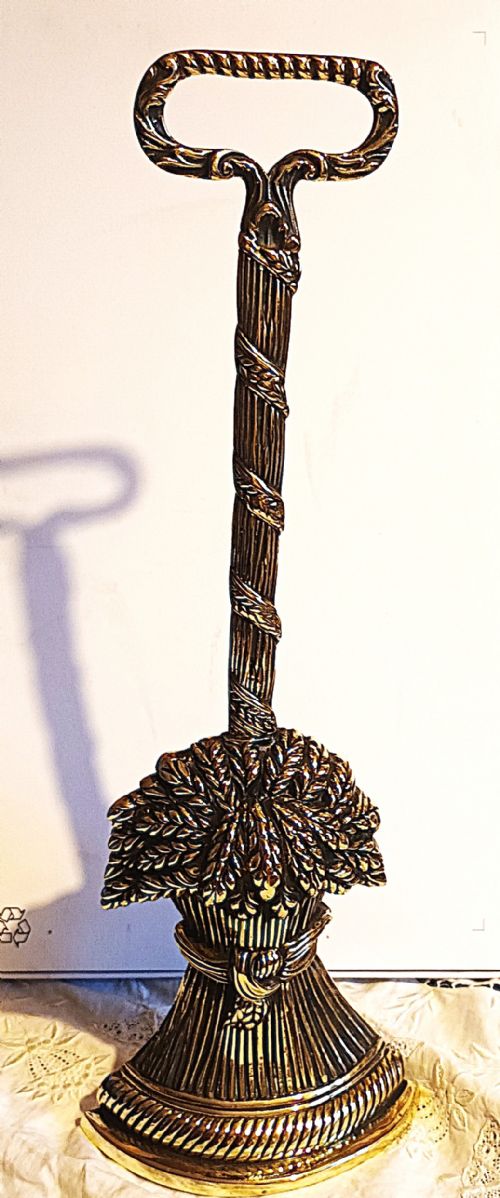
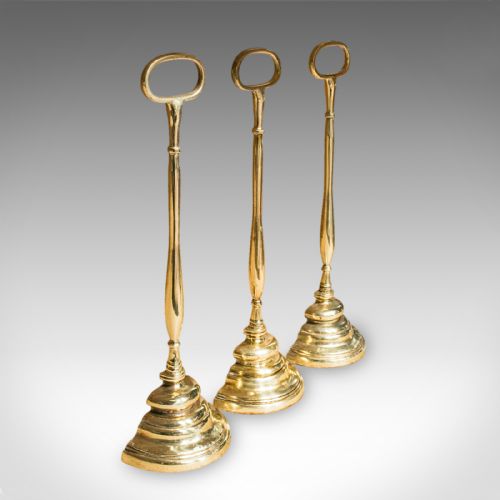
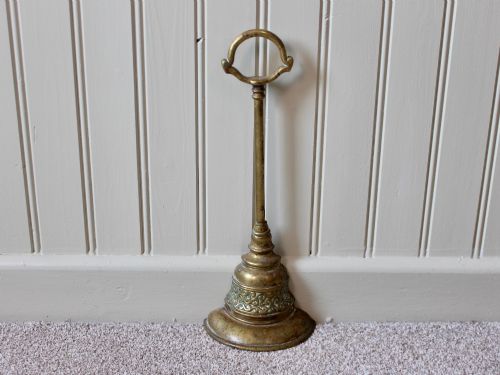
When you search for cast brass door porter, you encounter heavy weighted items designed to hold interior doors open against draughts. These domestic objects combine functional utility with sculptural presence, taking various decorative forms for the floor.
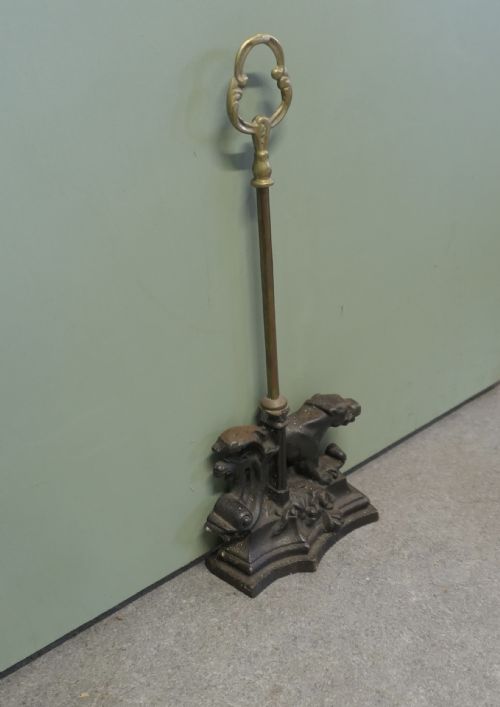
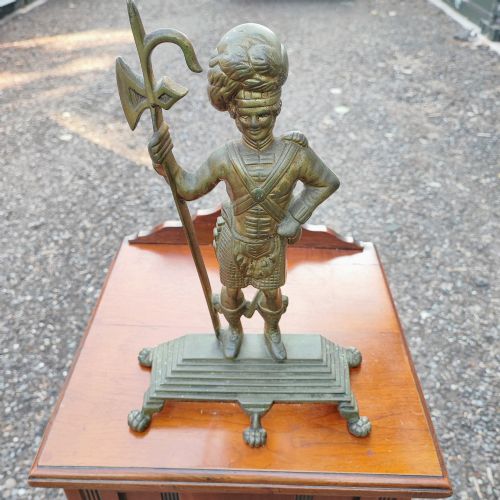
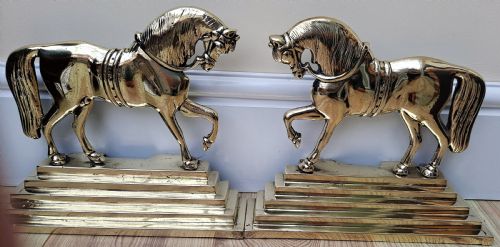
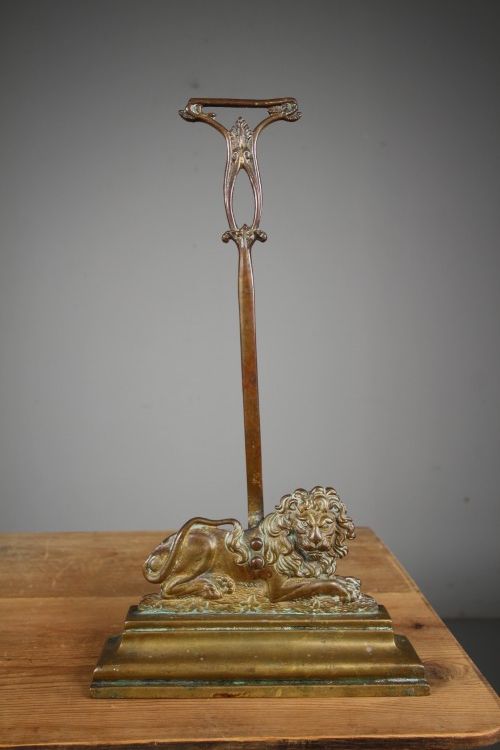
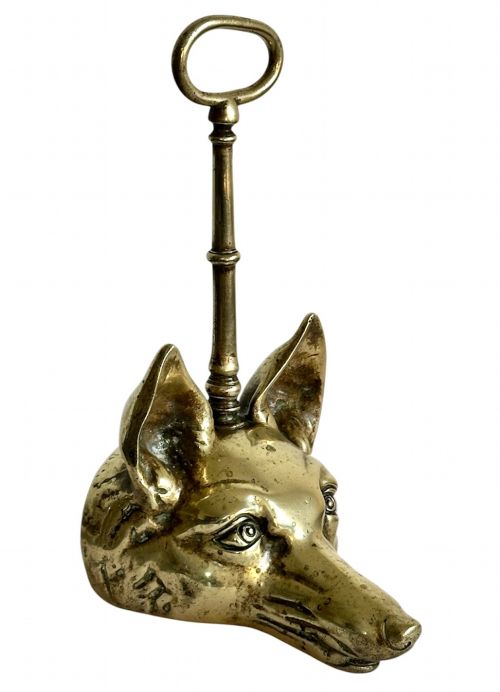
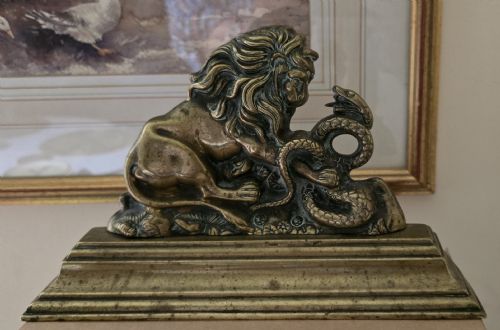
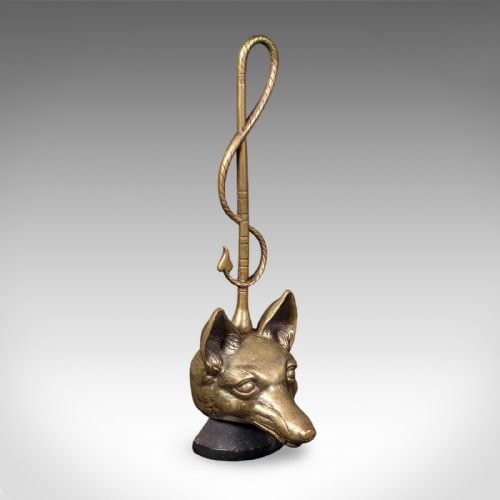
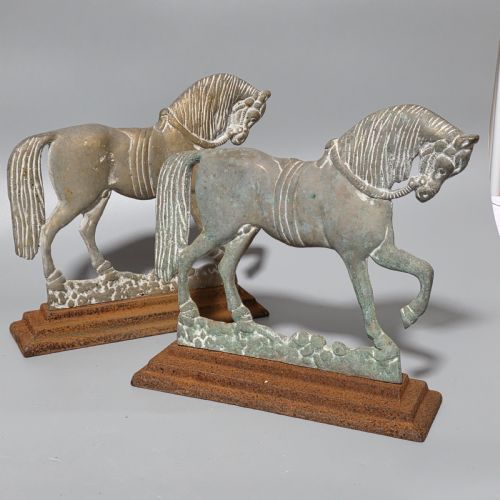
The pieces appearing on this page span the 19th century, Edwardian era, Victorian period, and Late Georgian times. You meet forms depicting animals, human figures, and nautical motifs, including foxes, lions and serpents, Mr Punch, horses, and mythical fish.
How they were made
These items utilise traditional foundry methods, pouring molten metal into moulds to achieve solid three-dimensional shapes. The primary material is cast brass, occasionally paired with heavy lead or cast iron bases to provide the necessary heft.
Detailing is achieved directly in the casting process or finished with chiselling and smoothing by hand. Figures such as animals or characters like Mr Punch are rendered in relief or full round form above the weighted base.
Retail Price Guide 2026
Typical UK retail prices for cast brass door porter, calculated from the Sellingantiques database of over a million retail prices indexed since 2003. This retail price guide relies exclusively on Sellingantiques data; no external sources or auction records are used, so the figures do not describe the wider market.
Mr Punch frequently stands guard on the floor, ready to argue with the draught.
What varies in quality
The choice of secondary materials also distinguishes pieces, with some incorporating heavier iron or lead plinths to improve stability. Heavier overall weight and integrated handles demonstrate practical consideration alongside aesthetic ambition.
The Cast Brass Door Porter Glossary
- Door porter
- A heavy portable weight placed against an interior door to keep it open. This term is often used interchangeably with doorstop.
- Plinth
- The weighted base block upon which the upright handle or decorative figure is mounted. It typically utilises cast iron or lead for added stability.
- Regency
- An architectural and decorative style period spanning the early 19th century. Pieces from this era often feature classical motifs or structured forms.
- Edwardian
- The period covering the early years of the 20th century up to the First World War. Items from this time exhibit varied revivalist domestic styles.
Frequently Asked Questions
What is a cast brass door porter used for?
These pieces function as heavy movable weights placed on the floor to prevent interior doors from swinging shut. They combine utility with decorative sculpture.
Their substantial weight holds doors securely in draughty hallways or rooms while adding character to the interior space.
How do I date a door porter?
Dating relies on stylistic clues, manufacturing techniques, and historical motifs associated with periods like the Victorian era or Regency style. Examining the base construction also helps.
Earlier 19th-century examples often display distinct casting characteristics and classical or animal subjects popular during those decades.
Why do some have iron bases?
Cast iron or lead bases were added to provide extra weight at the bottom of the porter. This ensures the heavy door remains stationary.
Combining brass figures with iron plinths was a practical method to increase stability without using excessive amounts of more expensive brass.
Where should I place a door porter?
They belong on the floor near interior doorways where doors need to stay open. Hallways and principal rooms are traditional locations.
Position them securely against the skirting board or wall when the door is fully open to avoid obstructing foot traffic.