

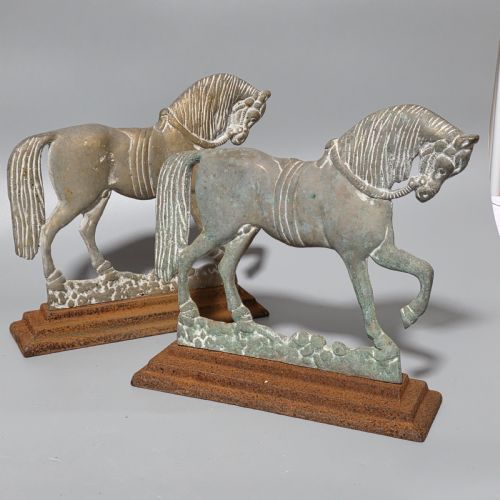


Brass Door Porter
A brass door porter keeps heavy household portals open with weight and substantial cast metal form.

Brass Door Porter
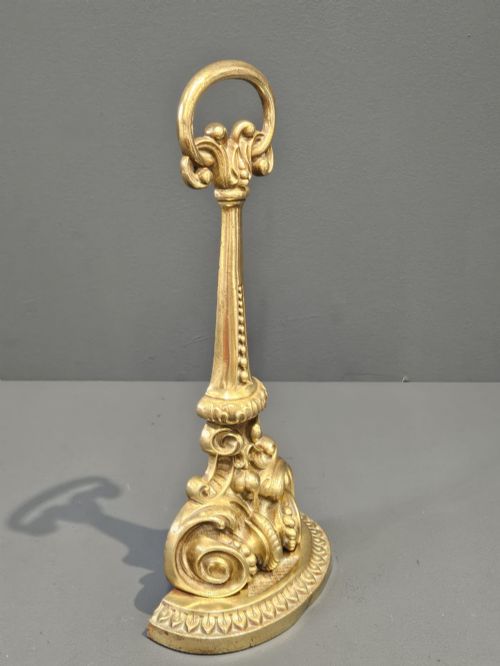
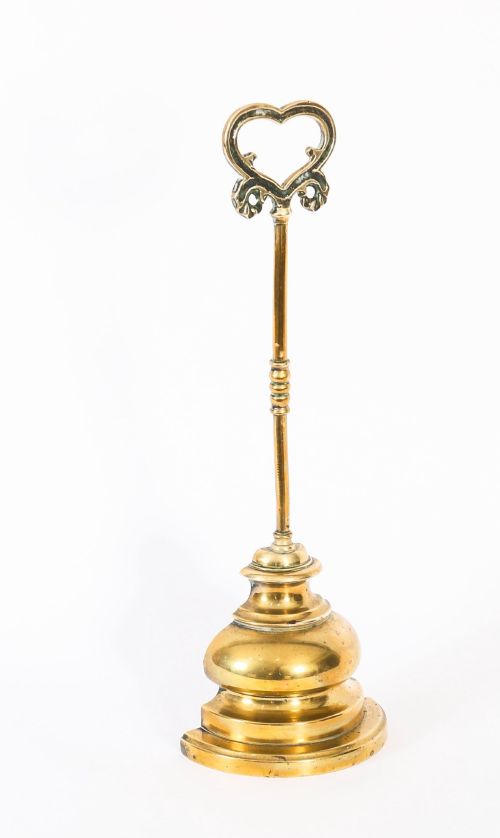
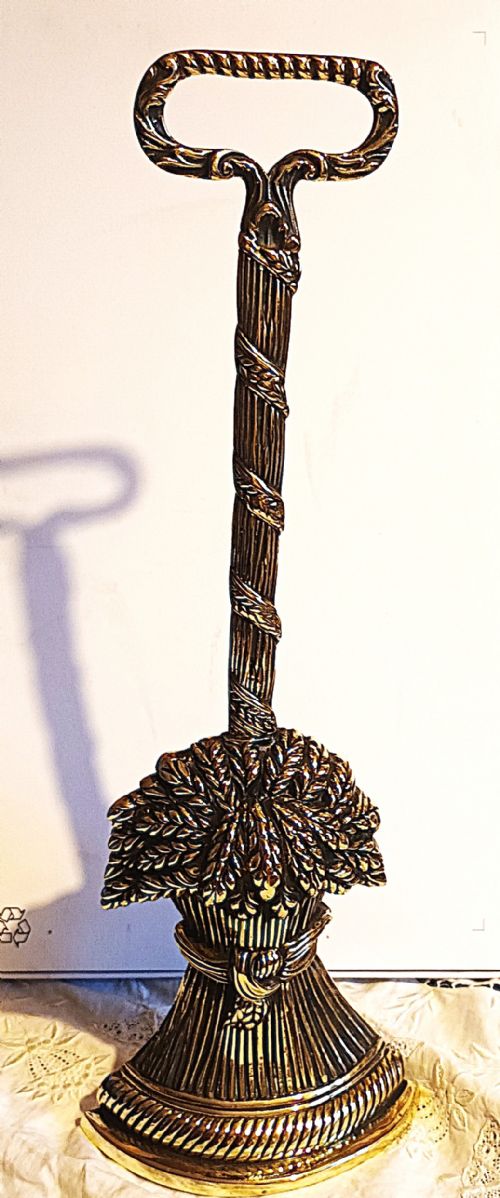
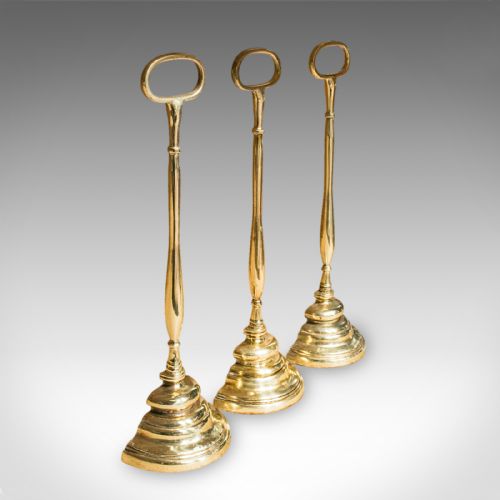
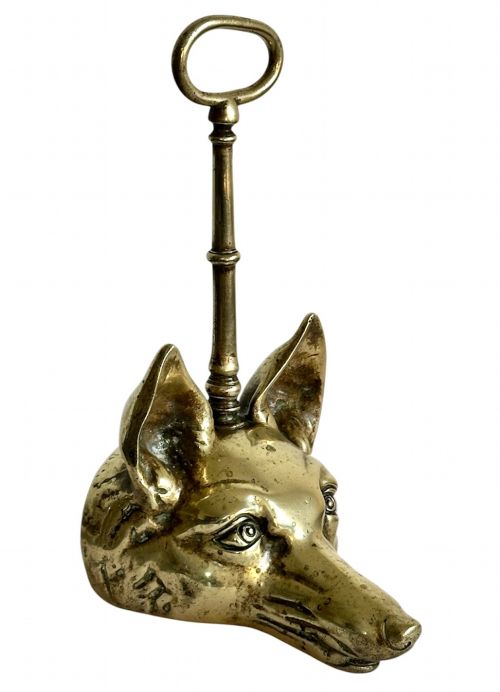
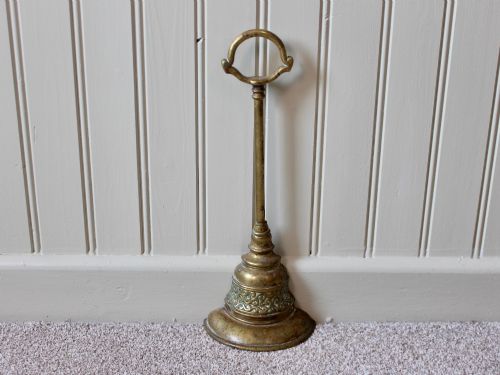
A brass door porter is a heavy freestanding weight designed to hold interior doors open against draughts, appearing frequently in Victorian and Georgian domestic spaces. These functional objects take the form of sculptural figures, animals, floral baskets, or classical motifs mounted on sturdy bases.
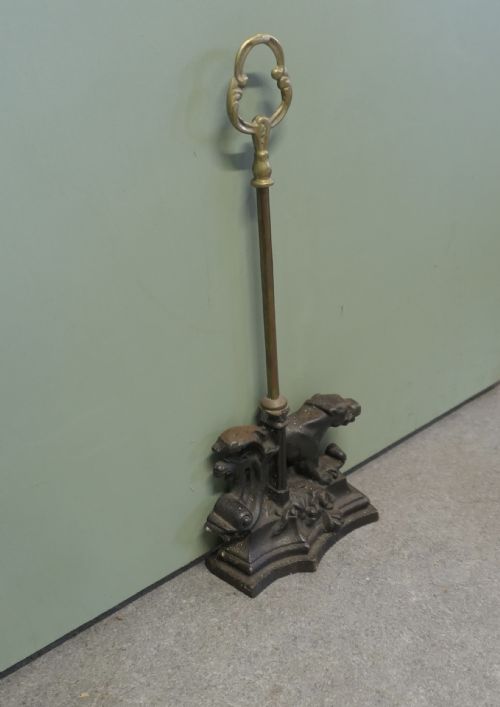
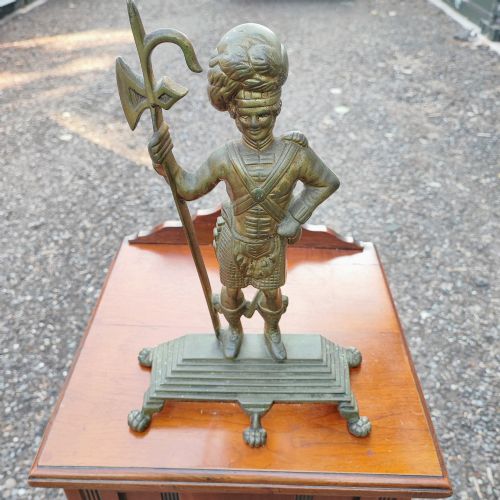
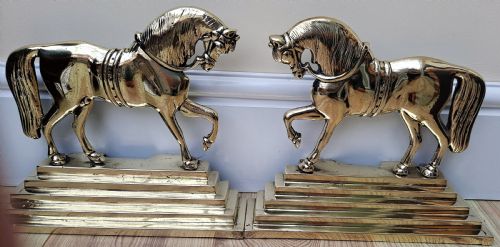
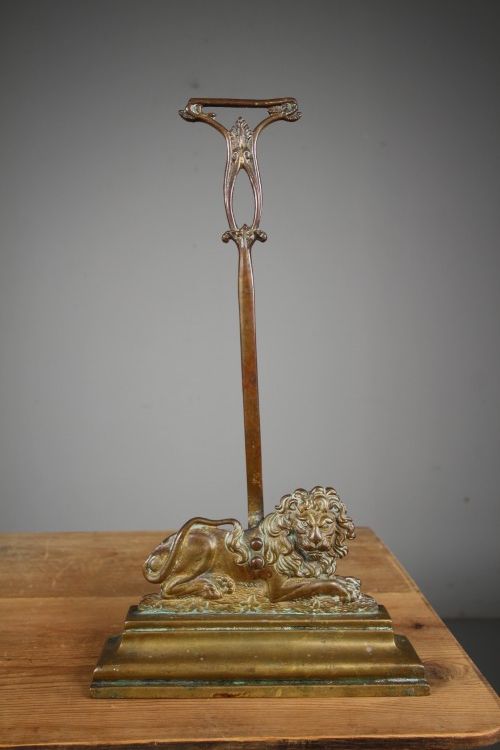
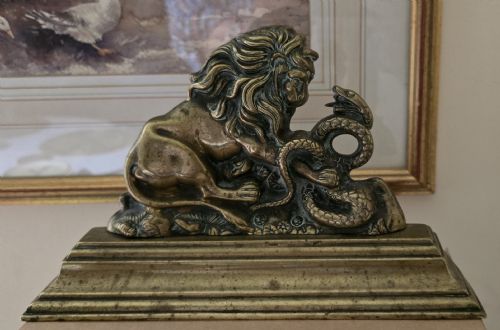
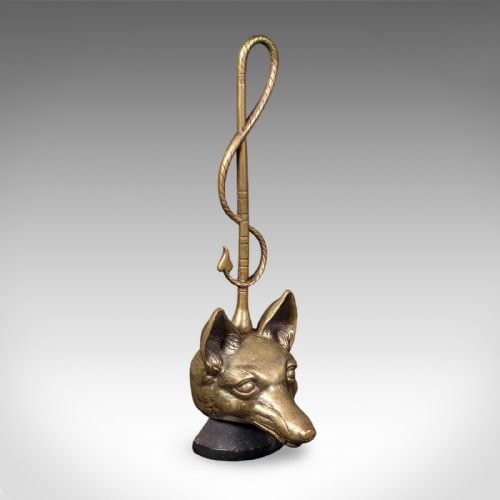
The versions met most often on this page date from the nineteenth century, spanning Victorian, Edwardian, and late Regency periods. They range from naturalistic depictions of lions, dogs, and horses to heraldic animals like griffins and whimsical characters such as Mr Punch or soldiers.
Many examples combine cast brass with supportive materials like lead or cast iron to achieve the necessary heft for stopping heavy wooden doors. Makers utilised varied styles from English country house designs to Gothic Revival to suit the interior aesthetics of the period.
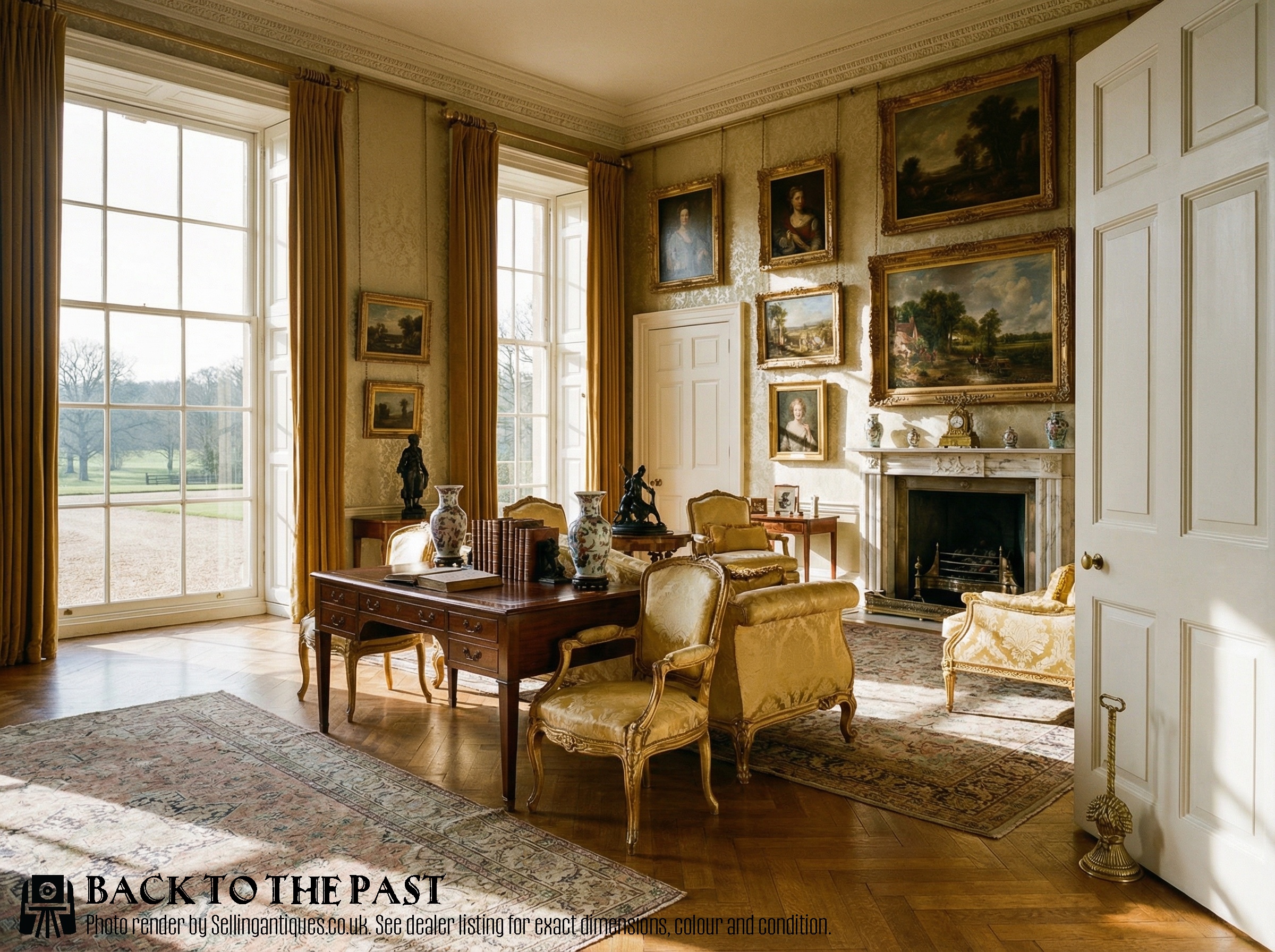
How They Were Made
Foundries produced these objects primarily through sand casting, pouring molten brass into moulds formed from patterns. This technique allowed for detailed figural work, capturing textures like fur, manes, and facial expressions in the metal.
Makers added internal weight by filling hollow brass shells with lead or attaching heavy cast iron bases beneath the main body. The combination of durable brass exteriors and dense weighting materials ensured the porters remained stable on floorboards.
Brass Door Porter Retail Price Guide 2026
Typical asking prices for brass door porter among the pieces listed under this phrase on Sellingantiques today, from the lower quarter to the upper quarter. They describe what is for sale here now, not the wider market.
Listings feature brass, cast iron, lead, and bronze materials across Victorian, Georgian, and Edwardian periods.
What Varies in Quality
Weight distribution and structural integrity also influence quality, as premium pieces integrate solid lead or secure iron bases that prevent tipping. Maker attribution, such as pieces stamped by Tonks, adds a layer of distinction through documented manufacturing heritage.
William Tonks·Tonks
The Brass Door Porter Glossary
- Door porter
- A heavy movable weight placed on the floor to keep a door from swinging shut. These objects combine utility with decorative metalwork.
- Cast brass
- Metal shaped by pouring molten alloy into a sand mould. This method permits intricate sculptural forms and detailed surface decoration.
- Lead filling
- Dense material inserted inside a hollow brass casting to increase weight. This hidden ballast provides the necessary mass to hold open heavy doors.
- Regency style
- An aesthetic period marked by classical restraint and animal motifs such as claw feet and dolphins. Pieces from this era often lean towards architectural symmetry.
- Figural stop
- A door porter shaped to represent a recognizable person, animal, or mythical creature. Common subjects include soldiers, lions, and cats.
Brass Door Porter: Frequently Asked Questions
How heavy is a typical brass door porter?
These pieces generally weigh several kilograms to hold heavy interior doors securely in place against draughts.
Manufacturers achieved this density by combining cast brass shells with internal lead fillings or iron floor plates.
Were these used on exterior or interior doors?
Owners placed them inside the house to manage heavy wooden doors within large rooms and hallways.
Their decorative figural designs suited formal reception spaces and country house interiors rather than damp outdoor entrances.
How do I identify a Victorian example?
Victorian pieces often feature naturalistic animal figures, floral baskets, or elaborate heraldic motifs cast in heavy brass.
Many incorporate iron bases or registration numbers stamped into the metal indicating design protection dates.
What is the difference between a door porter and a doorstop?
The terms are largely interchangeable within antique markets, though porter often implies a taller, freestanding handle-topped weight.
Both describe heavy objects designed to prop doors open without permanent floor or wall fixings.