

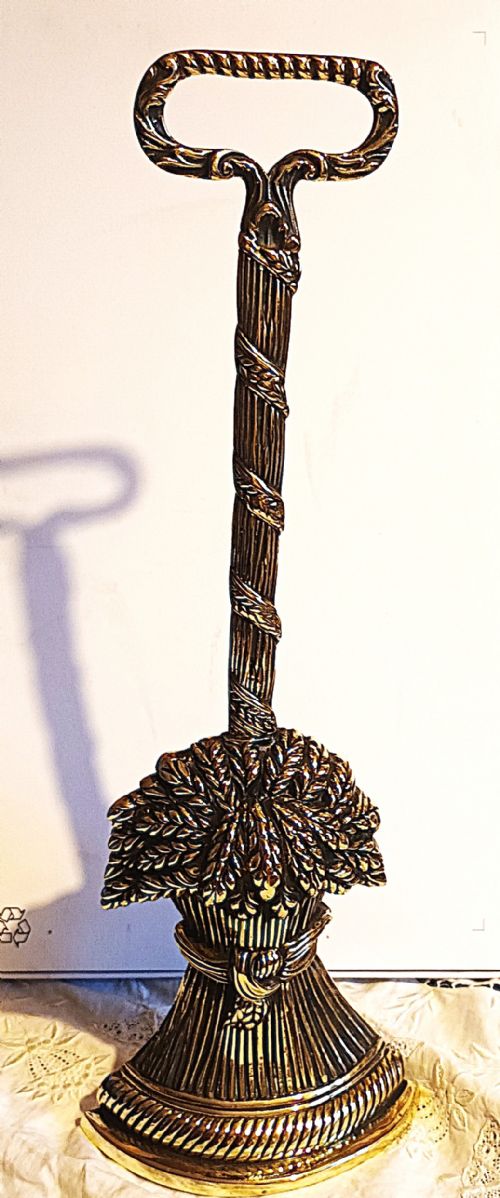


Traditional Door Stop
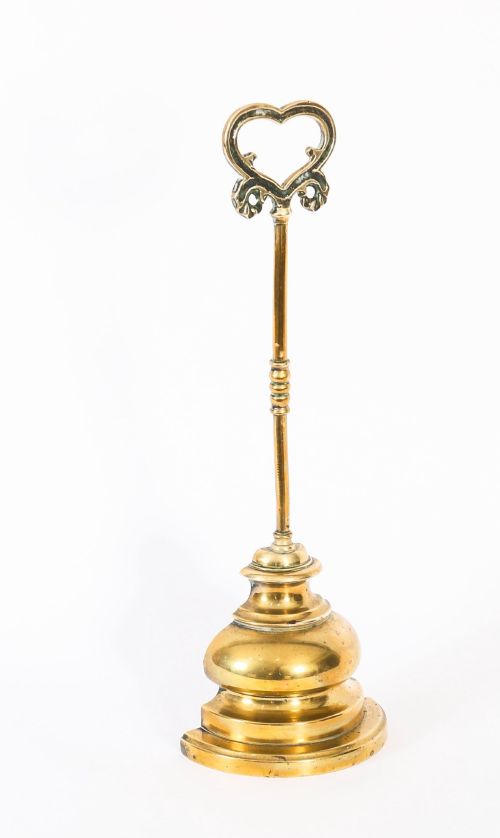
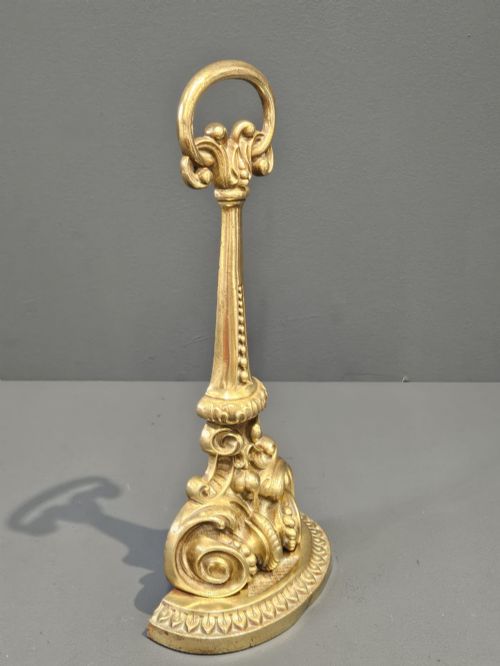
These traditional door stop pieces are solid heavy weights designed to hold heavy house doors open, crafted to combine practical utility with period character.
Traditional Door Stop
When you search for a traditional door stop, you are looking at substantial functional weights designed to keep heavy internal doors from swinging shut in draughty hallways and reception rooms. The selection on this page centres primarily on Victorian and nineteenth century examples, with occasional Georgian pieces appearing alongside them.
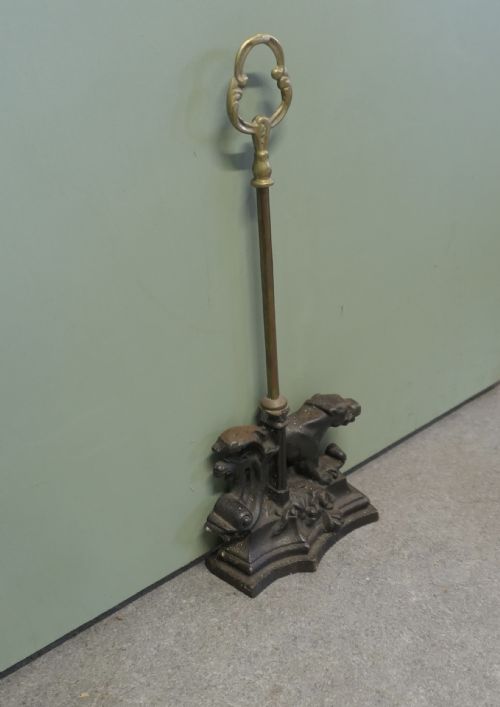
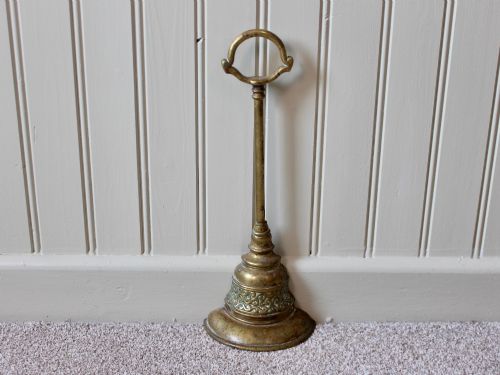
The dominant forms you will encounter are cast metal figures and weighted porters made in Britain. These range from figurative animal designs like lions and foxes to characterful subjects such as Mr Punch, alongside simpler brass porter shapes equipped with carrying handles.
Makers and foundries of the period produced these objects to be both decorative and utilitarian, meaning they sat on floorboards taking heavy knocks while contributing to the interior scheme. Alongside standard doorstops, related items such as boot scrapers occasionally surface within the same heavy cast metal tradition.
How they were made
The primary materials recorded in these pieces are brass and cast iron, often poured into sand moulds to create crisp relief and heavy mass. Iron examples frequently relied on lead weighting within their bases or hollows to achieve the heft required for holding large doors.
Finishes varied according to the metal and the intended room, with some brass cast items retaining polished bright surfaces while iron pieces were painted to resist rust and add colour. Foundries utilised standard casting techniques of the nineteenth century, leaving behind sand textures and casting seams that confirm their age.
What varies in quality
The structural integrity of the handle attachment and the stability of the base dictate longevity. Pieces that retain their original lead ballast and show honest wear to the underside without modern structural repairs represent the stronger end of the range.
Tonks
The Traditional Door Stop Glossary
- Door porter
- A heavy vertical doorstop often featuring an integrated ring handle at the top for lifting. This term was frequently used interchangeably with door stop in nineteenth century households.
- Cast iron
- An iron alloy poured into a mould in a molten state to create rigid, heavy objects. It provides the necessary mass for holding doors but requires paint or maintenance to prevent corrosion.
- Boot scraper
- A heavy metal blade or figurative iron casting placed near an entrance to clean mud from footwear. They share the same foundry traditions and materials as heavy door stops.
- Regency
- An English design period spanning the early nineteenth century known for classical restraint and clean lines. Pieces from this era often display simplified geometric or classical motifs.
Traditional Door Stop: Frequently Asked Questions
What is a traditional door stop?
A traditional door stop is a heavy metal weight designed to prop open interior doors against draughts and movement. They are typically cast in brass or iron during the nineteenth century.
These objects combine practical utility with decorative sculptural forms, often taking the shape of animals, figures, or weighted brass porter handles.
How do I date a door stop?
Dating relies on identifying the metal casting quality, style period, and construction methods characteristic of nineteenth century foundries. Victorian examples often show specific figurative styles and heavy sand cast textures.
Examining the wear on the base and the presence of original paint or unpolished brass patina helps establish the age of the piece.
Are door stops and door porters the same?
The terms are often used interchangeably, though a door porter specifically refers to a tall weighted stop with an upright handle. This design allowed servants to move the heavy weight easily between rooms.
Both items served the same fundamental purpose of keeping heavy panelled doors securely fixed in an open position.
Where should I place a heavy metal stop?
These heavy pieces sit directly on the floor near the swing of a heavy interior door. Their substantial mass keeps them firmly in place without requiring permanent installation into skirting boards.
They work particularly well in older houses with high ceilings and heavy wooden doors where modern rubber wedges look out of place.