




Cast Metal Doorstop
A cast metal doorstop holds a heavy door open with weight and substance, bringing period character to a hallway.
Cast Metal Doorstop
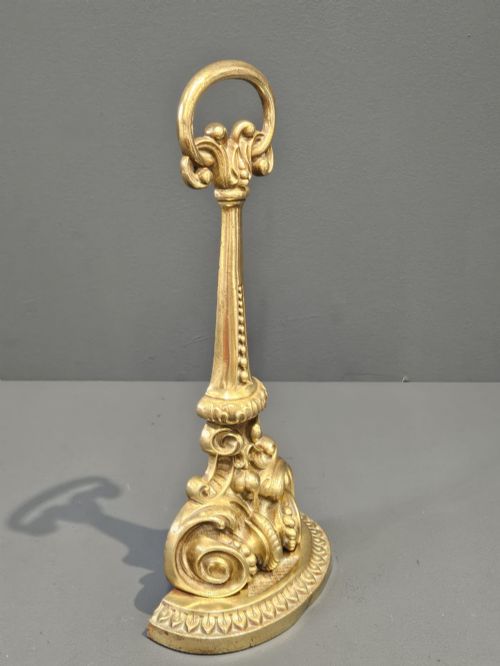
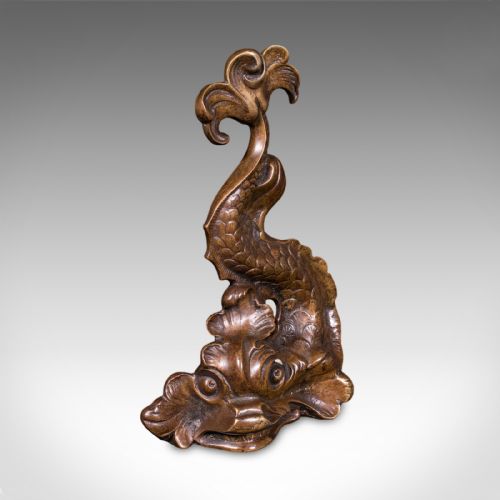
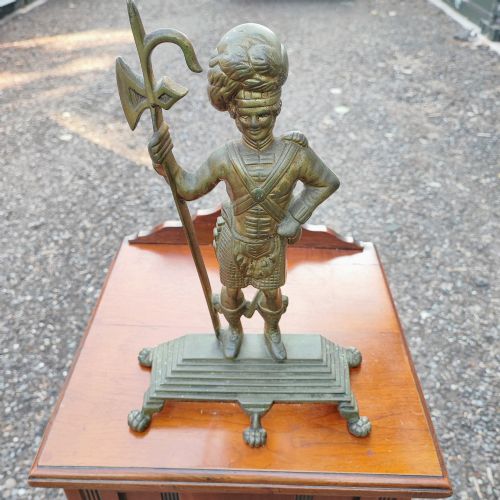
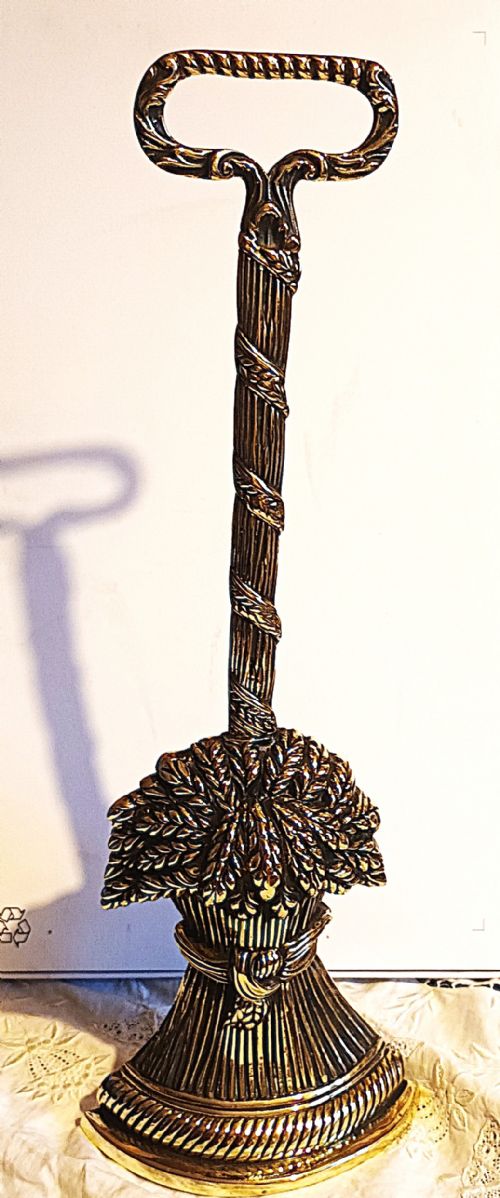
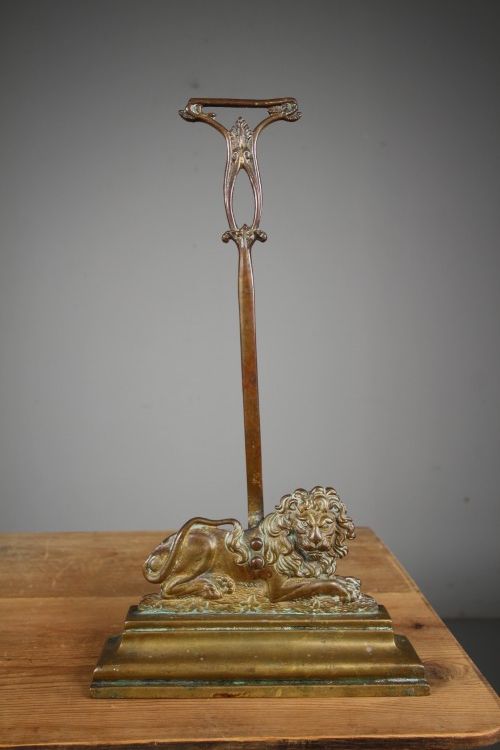
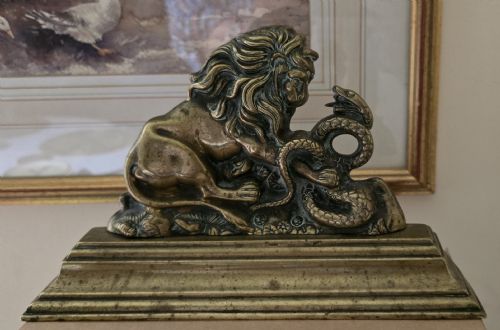
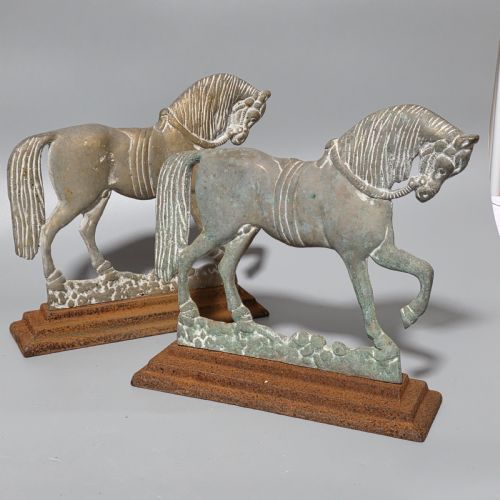
A cast metal doorstop serves a practical purpose while introducing sculptural form to interiors, originating from domestic needs in domestic spaces. These heavy objects keep interior doors stationary, taking the shape of lions, horses, human figures, and decorative motifs.
Most examples found here date from the nineteenth century and the Victorian period, reflecting the heavy manufacturing methods of the era. Makers cast these items in iron, brass, and bronze, often applying surface paint to highlight details on animals and human subjects.
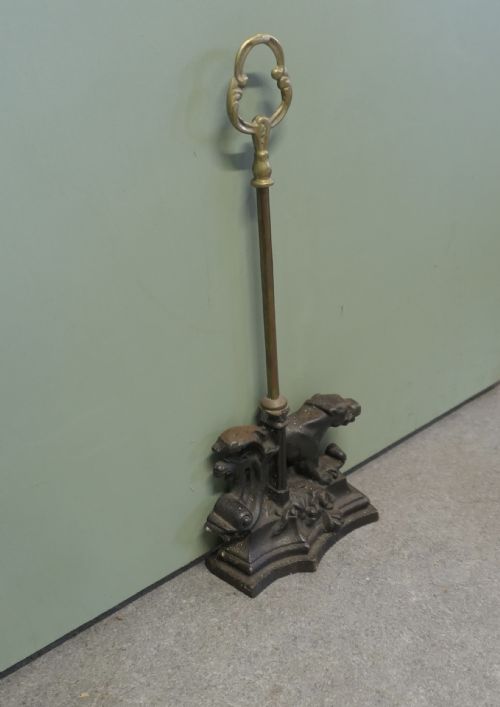
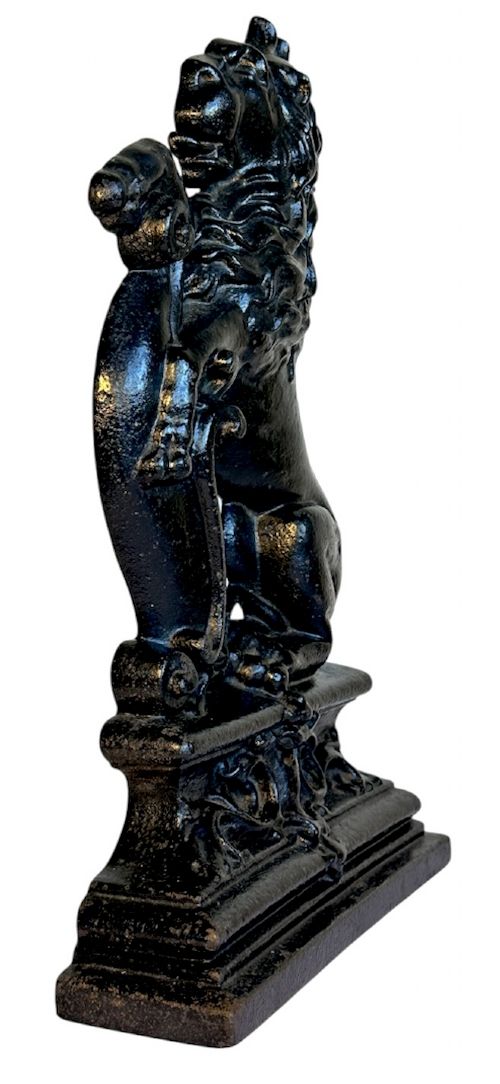
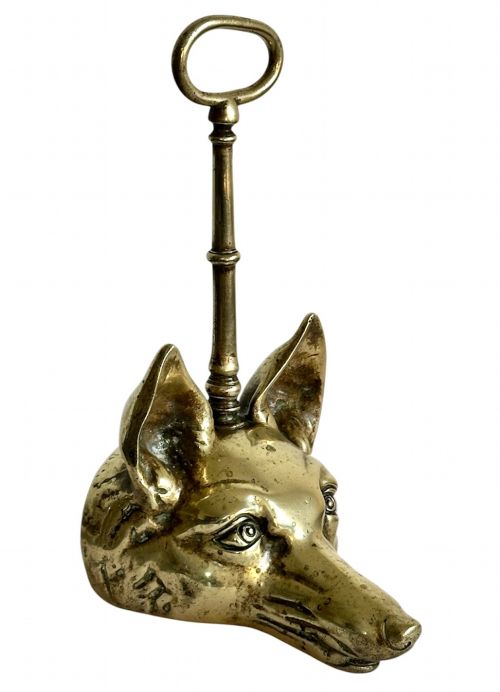
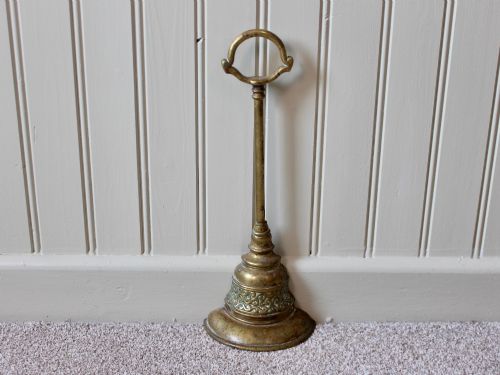
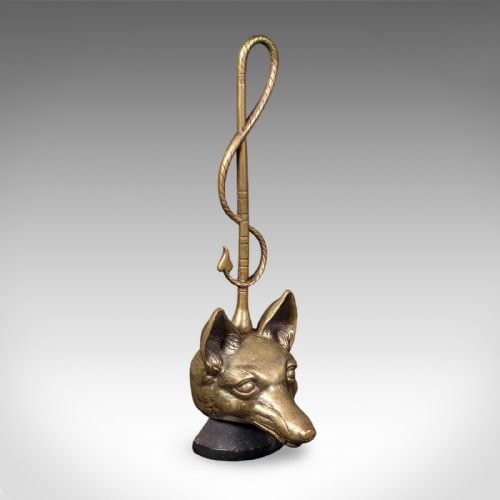
Forms range from traditional rampant lions and foxes to historical characters such as Lord Nelson and Mr Punch. Buyers encounter both utilitarian door porters designed with lifting handles and decorative sculptures that double as hearth ornaments.
How they were made
Foundries produced these objects by pouring molten iron, brass, or bronze into sand moulds, creating solid and weighty forms capable of holding heavy doors. Skilled artisans then finished the raw castings by hand, filing away rough edges and seams left by the moulding process.
Many iron and brass pieces received applied surface treatments, including black paint, polychrome detailing, or gilt finishes to enhance their decorative appeal. Makers integrated sturdy handles and loops into the upper sections of taller door porters to assist with daily movement across floors.
Current listings feature cast iron, brass, and bronze materials across Victorian, Regency, and Georgian periods.
What varies in quality
The choice of material and the survival of original painted surfaces influence the character of each piece. Heavier castings in solid bronze or substantial brass demonstrate superior material quality compared to lighter utility items.
William Tonks·Tonks
The Cast Metal Doorstop Glossary
- Door porter
- A tall, weighted door stop featuring an integrated handle at the top for lifting and carrying.
- Cast iron
- A strong, heavy alloy of iron and carbon poured into moulds to create rigid, durable objects.
- Gilt bronze
- Bronze coated with a thin layer of gold or gold-coloured finish to provide a bright appearance.
- Rampant
- A heraldic term describing an animal depicted standing on its hind legs with forepaws raised.
Cast Metal Doorstop: Frequently Asked Questions
How do I use a cast metal doorstop?
Place the heavy base directly against the lower edge of an interior door to prevent it from swinging shut in drafts.
Use the integrated handle on taller porters to lift and reposition the object around the room without bending down.
What materials are used for these doorstops?
Foundries cast these pieces primarily in cast iron, brass, and bronze, often adding painted details to the surface.
Heavier metal compositions ensure the object remains stationary when holding open substantial interior doors.
How can I tell the age of a door stop?
Examine the casting quality, surface wear, and material type to connect the piece with nineteenth-century production methods.
Nineteenth-century examples frequently feature heavy iron or brass construction styled in Victorian or Regency designs.
Were these items used for anything other than doors?
Some heavy castings double as fireplace ornaments or decorative sculptures placed within domestic hearth settings.
Smaller examples occasionally function as paperweights on heavy wooden desks in traditional interiors.