


Antique Door Porters
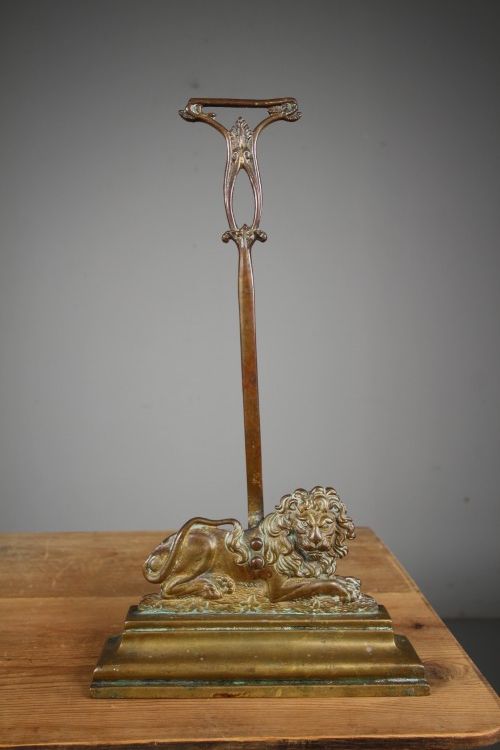
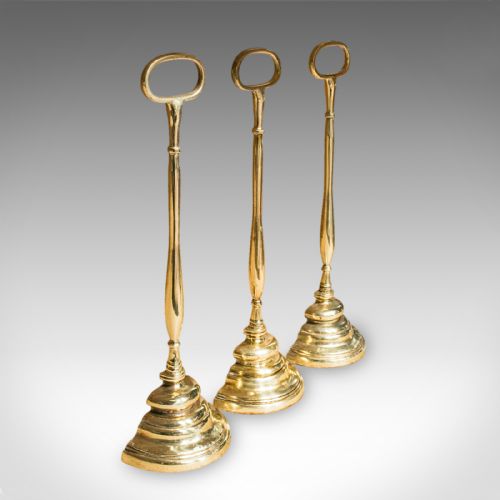
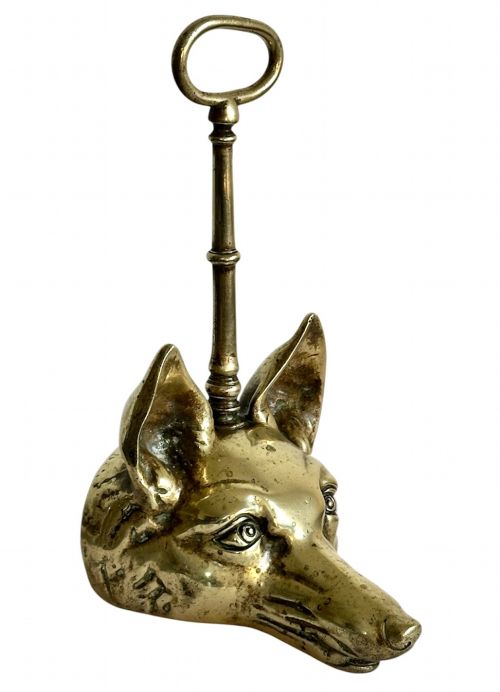
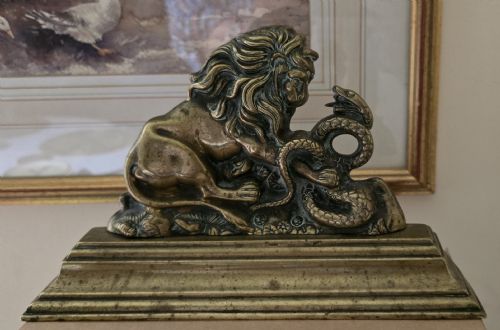
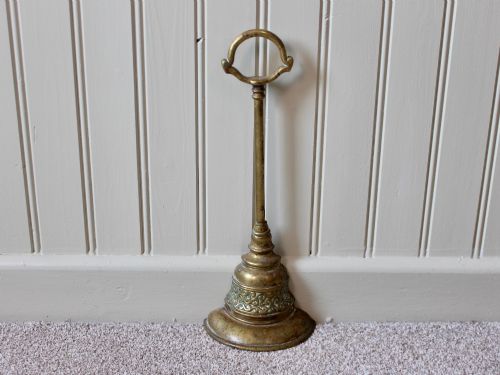
These antique door porters are heavy metal stops designed to hold heavy interior doors open against drafts, combining practical weight with sculptural presence.
What these pieces are
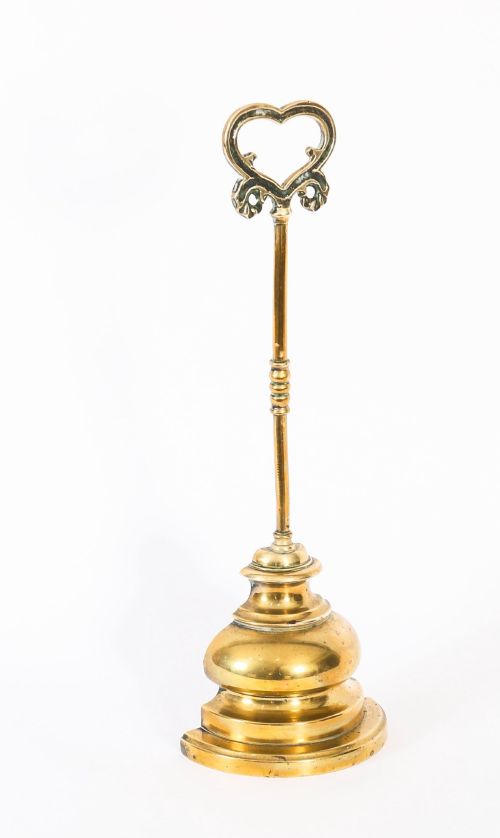
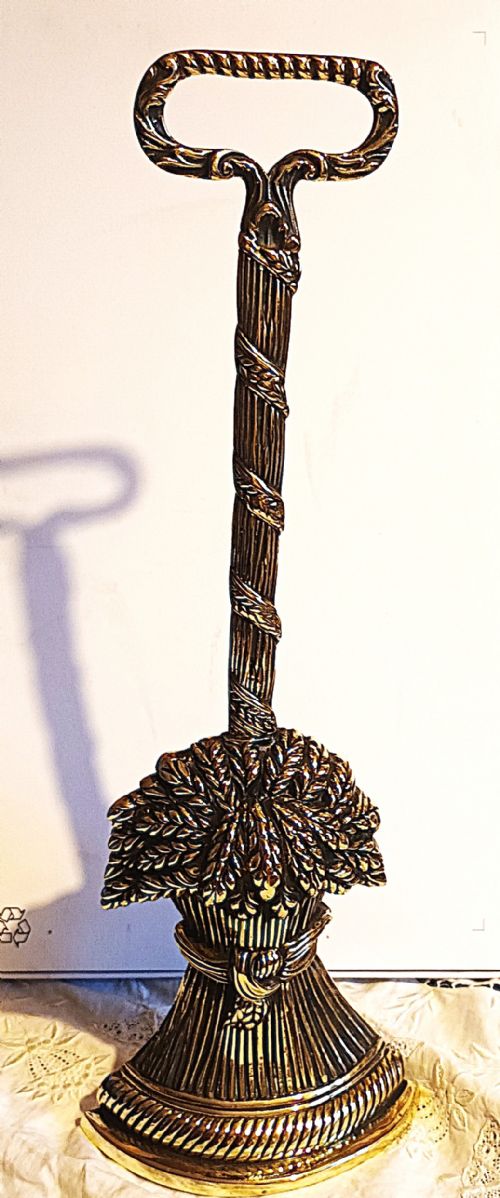
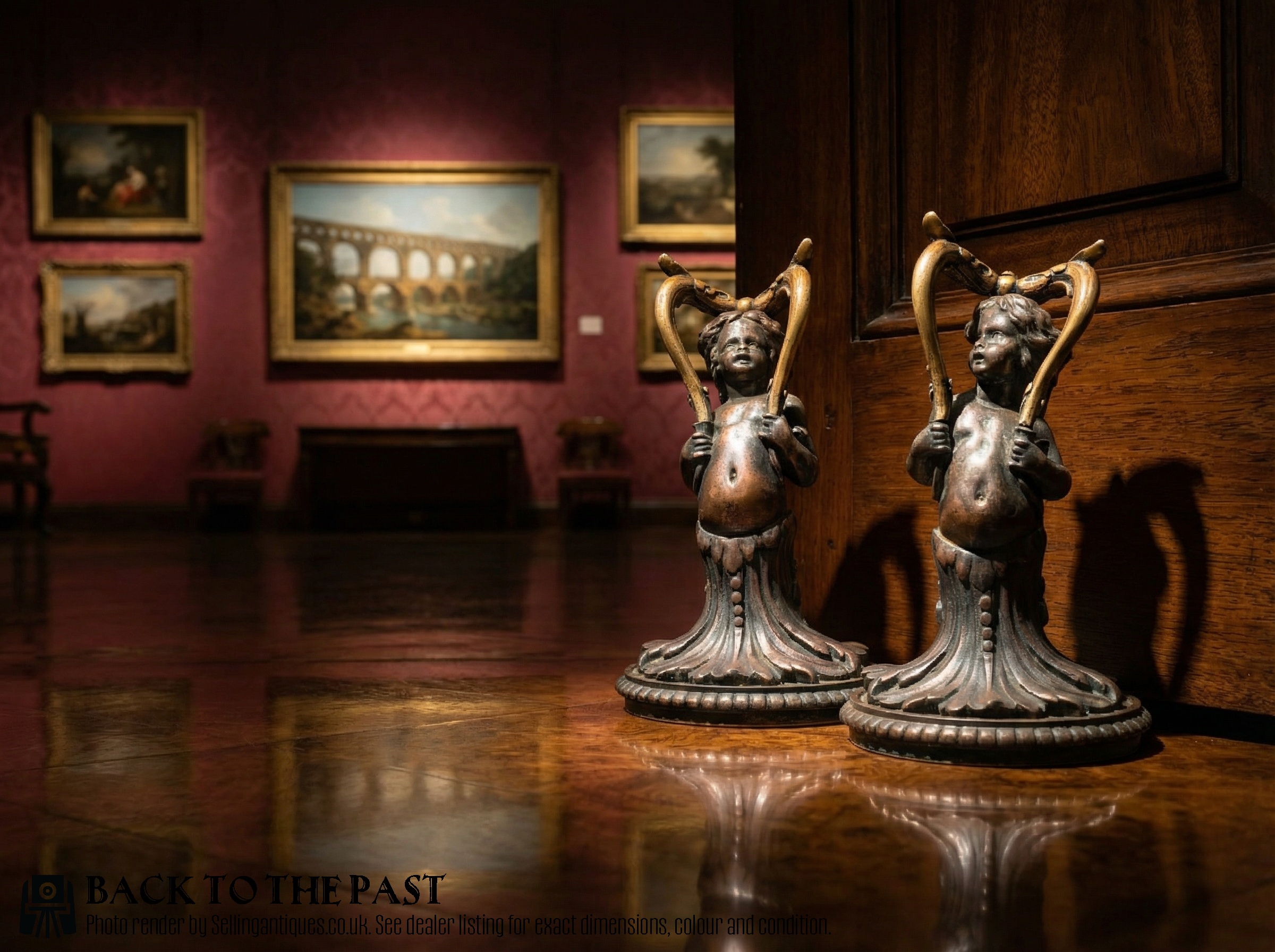
When you search for antique door porters, you are looking at substantial weighted objects designed to hold heavy interior doors open. The selection on this page consists primarily of pairs and individual pieces originating from the nineteenth century, including Victorian and Georgian examples.
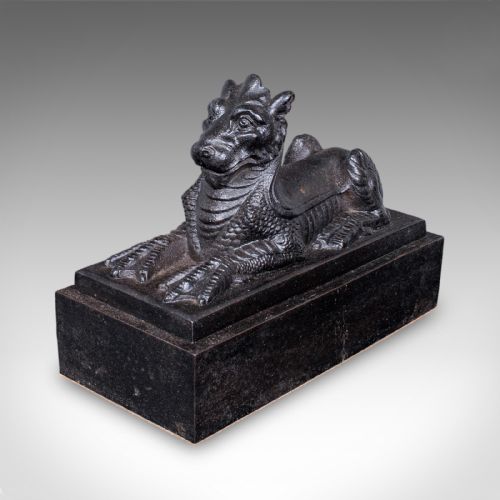
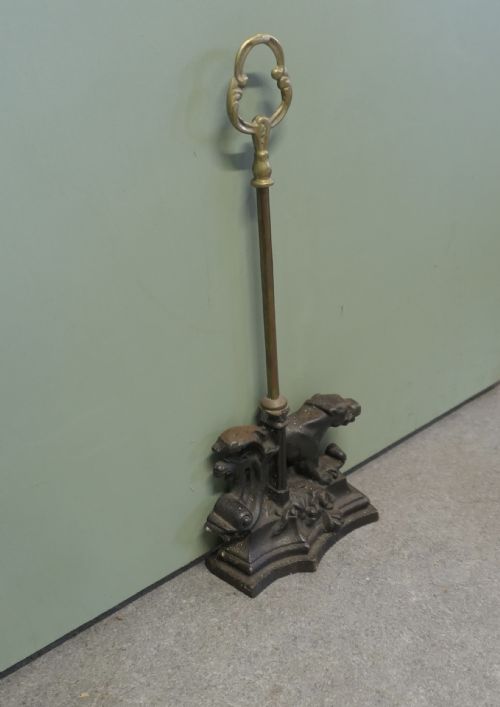
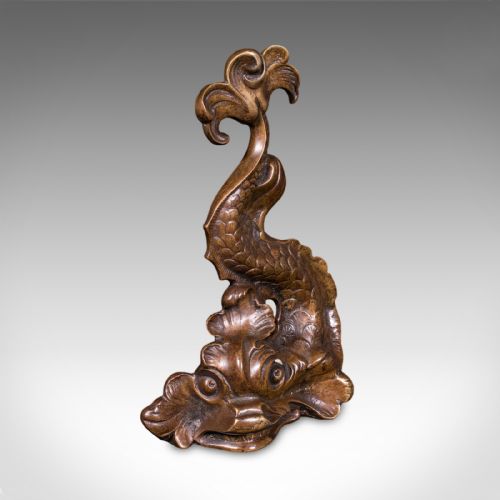
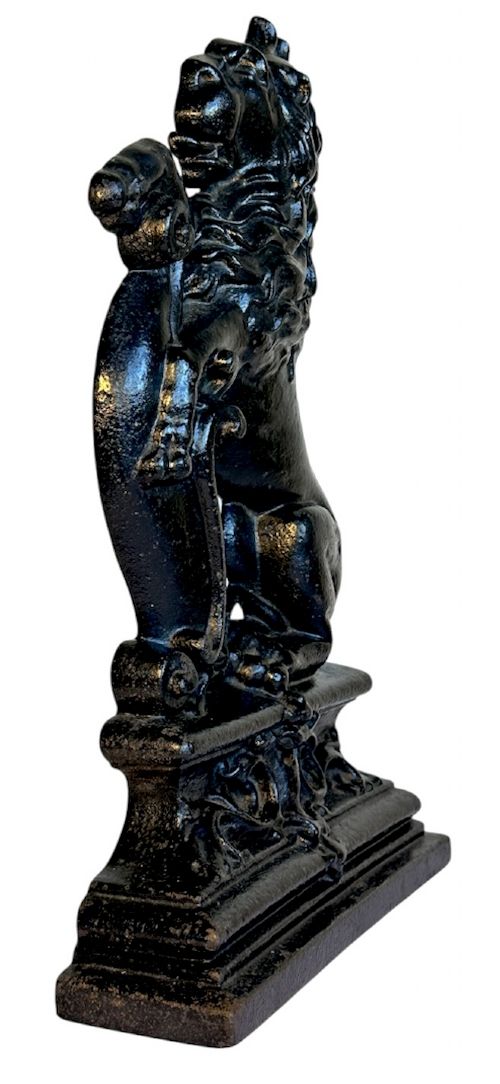
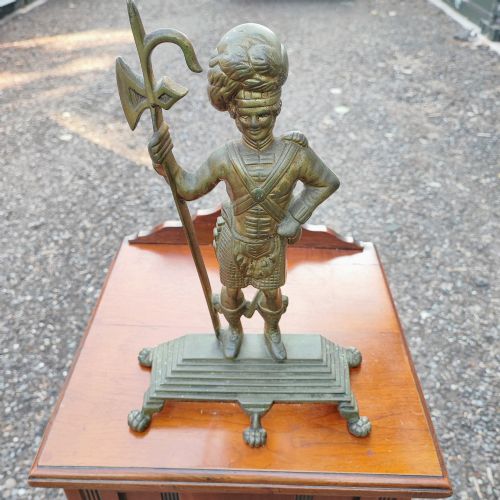
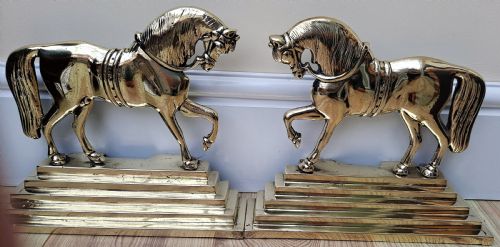
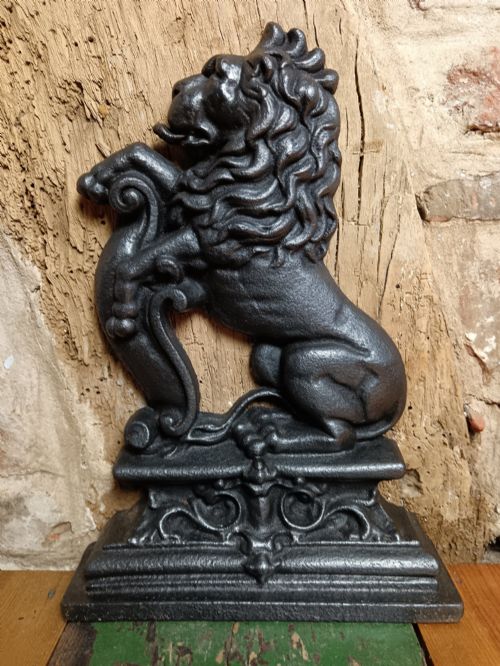
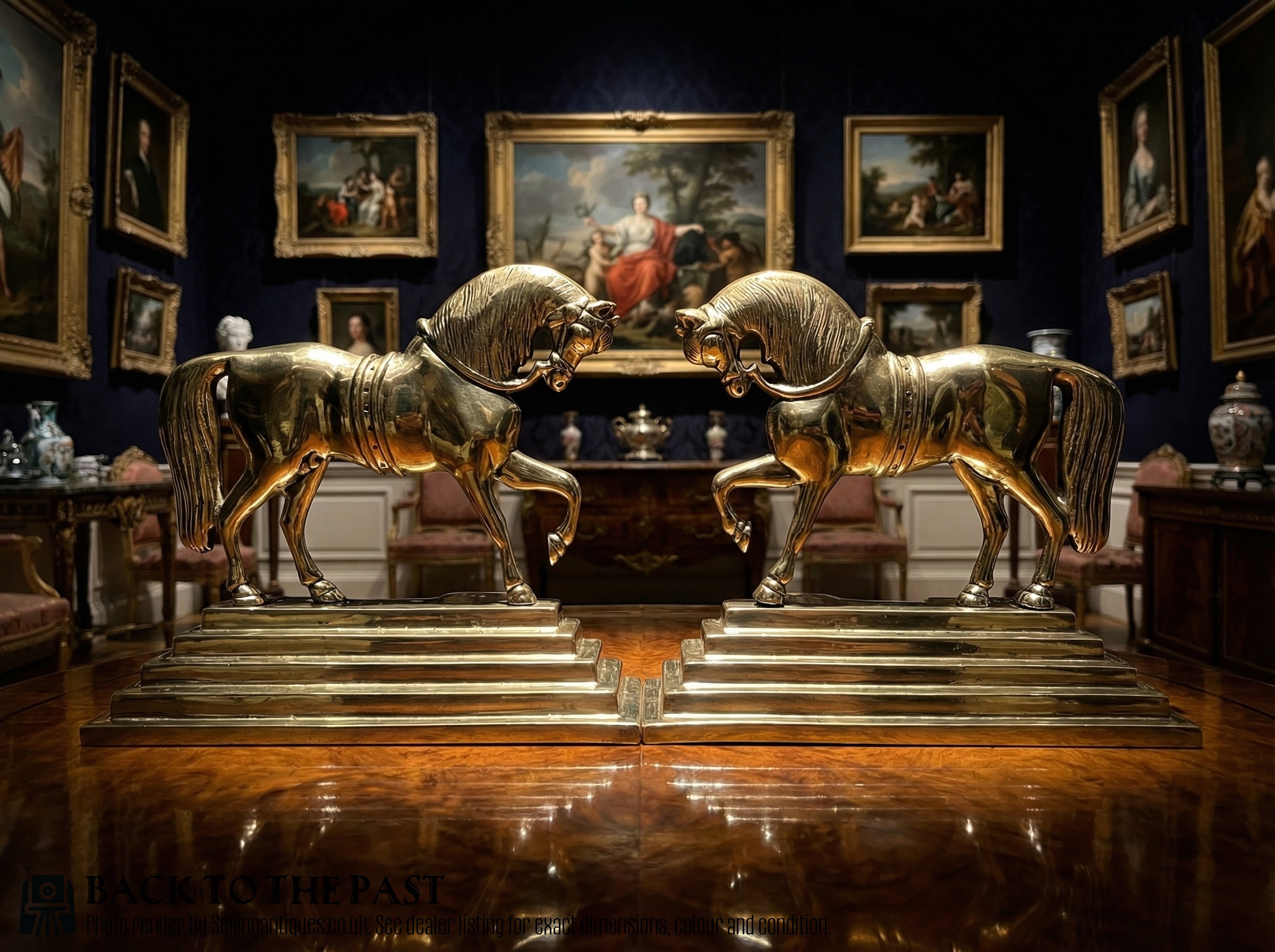
The forms you are most likely to meet here include horses, chimney horses, lions, cherubs, and fish mounted on cast iron bases. Makers also produced figural subjects such as hussars, utilising heavy metal casting to create utilitarian items with decorative presence.
How they were made
Metalworkers produced these heavy items using casting techniques in brass, cast iron, bronze, and steel. Molten metal poured into moulds created the robust figures necessary to anchor heavy doors against draughts.
Manufacturers often combined materials within a single piece, pairing cast iron bases with brass figures or bronze components to achieve stability and visual contrast. Gilt bronze finishes also appear, adding a layer of surface treatment to the cast metal foundation.
Retail Price Guide 2026
Typical UK retail prices for door porters, calculated from the Sellingantiques database of over a million retail prices indexed since 2003. This retail price guide relies exclusively on Sellingantiques data; no external sources or auction records are used, so the figures do not describe the wider market.
Nineteenth-century makers cast everything from fierce lions to cheerful cherubs just to keep doors from slamming.
What varies in quality
The distinction between standard production and finer pieces lies in the crispness of the metal casting and the articulation of the subject matter. Superior examples exhibit sharply defined details in the animal or human figures, whereas lesser pieces show softer contours from worn moulds.
Material composition and weight distribution also determine the character of each piece. Heavier bronze and cast brass formations offer greater functional stability than lighter iron alternatives, while integrated bases demonstrate superior structural integration.
William Tonks and Sons
The Antique Door Porters Glossary
- Chimney horse
- A traditional form of heavy metal ornament often utilised as a hearth decoration or door porter. These pieces reflect equestrian subjects popular in nineteenth-century interiors.
- Gilt bronze
- Metal coated with a thin layer of gold to produce a decorative surface finish. This technique enhances the visual depth of figural door porters.
- Cast brass
- An alloy poured into a mould to form solid decorative objects. This method allows for intricate detailing on nineteenth-century door stops.
Frequently Asked Questions
What are antique door porters used for?
These heavy metal objects serve primarily to keep interior doors from swinging shut in draughty hallways and rooms.
Period examples also function as decorative hearth ornaments or sculptural accents when not actively holding doors.
How do I identify a Victorian door porter?
Victorian examples typically feature robust casting in materials such as brass, bronze, and cast iron, often taking the form of animals or figures.
Many of these pieces incorporate heavy iron bases to provide the necessary weight for holding open large doors.
Are door porters and doorstops the same thing?
The terms are generally used interchangeably to describe heavy items placed on the floor to prop doors open.
Older terminology frequently favours door porter, particularly for substantial nineteenth-century brass and bronze items.
How do I care for antique brass door porters?
Keep the metal clean with a soft cloth to remove dust and prevent accumulation in the cast crevices of the figures.
Avoid harsh polishing agents that strip away the aged patina accumulated over the nineteenth century.