



Victorian Hearth Ornaments
Victorian hearth ornaments bring the domestic life of the nineteenth century straight into the room, offering heavy brass and glazed earthenware designed to stand near the fire.
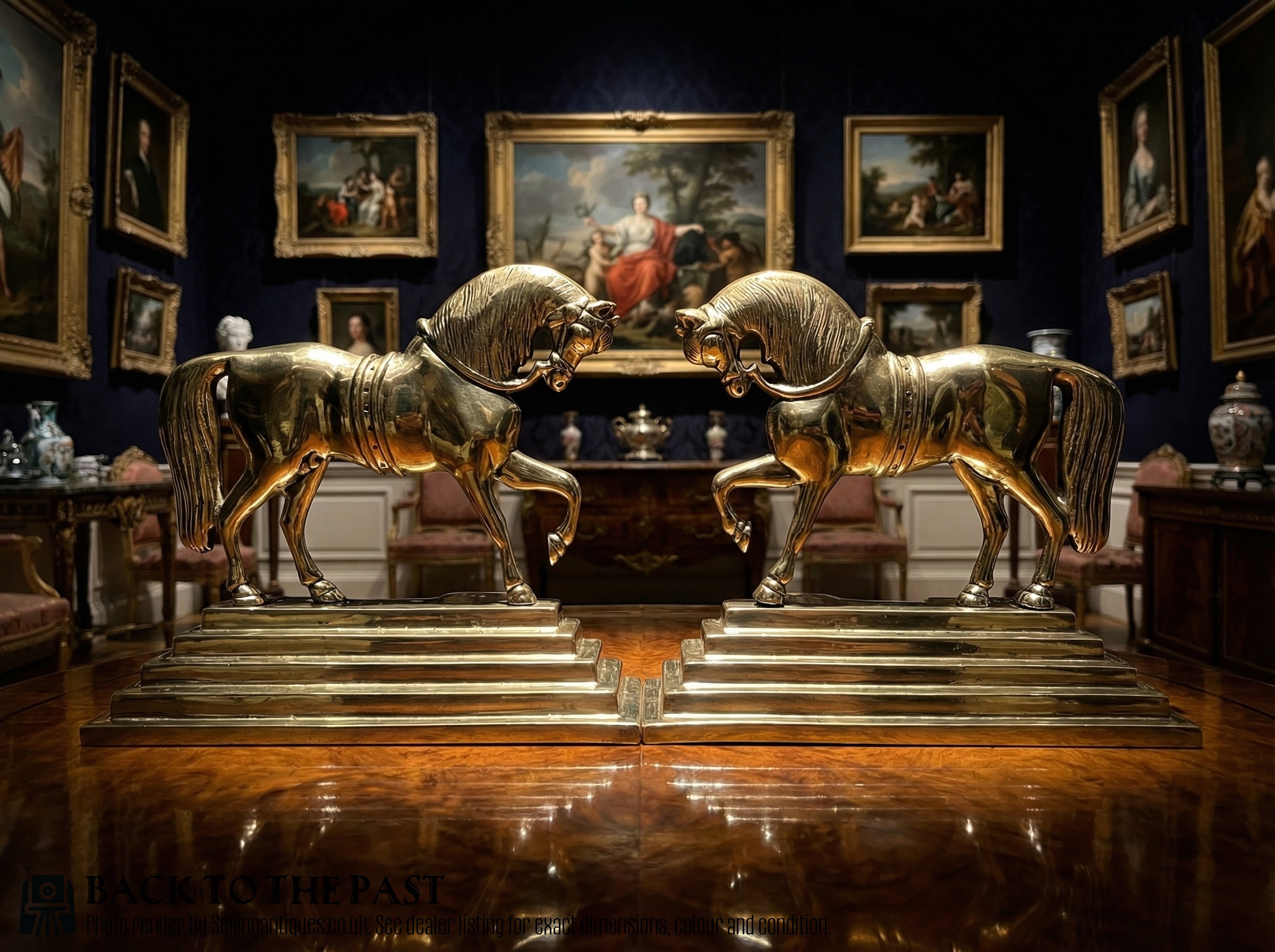
Understanding Victorian hearth ornaments
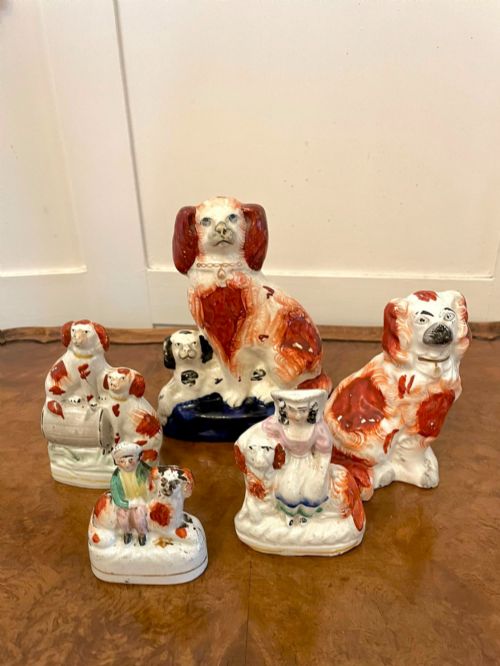
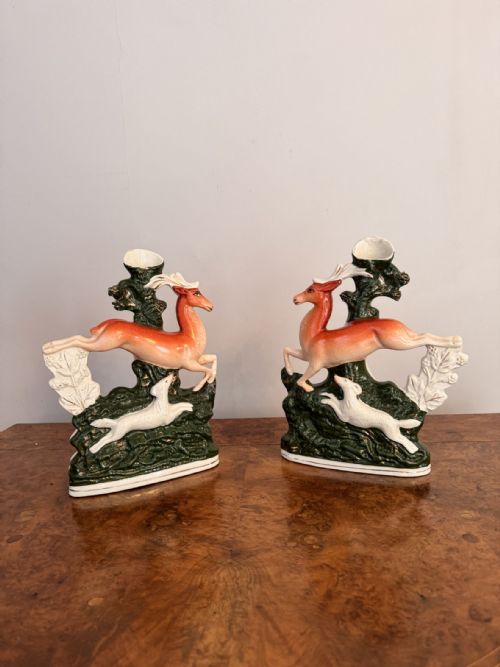
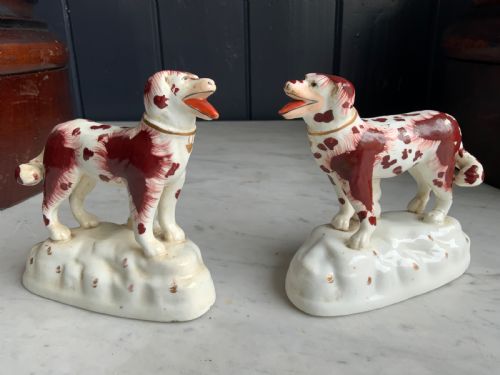
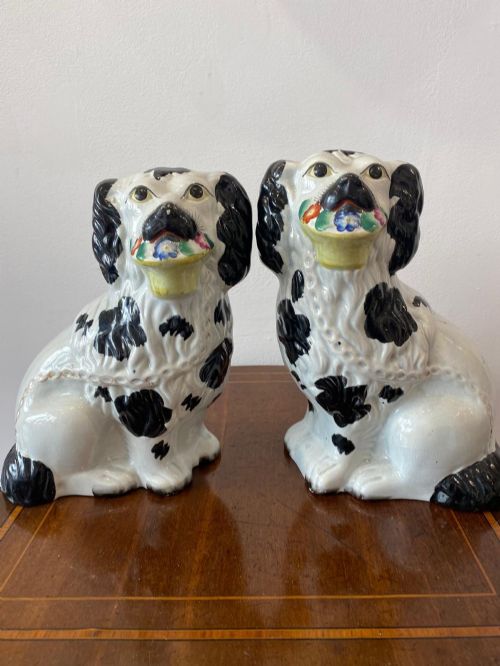
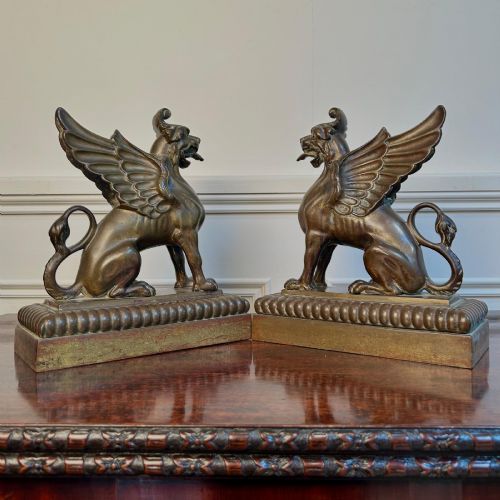
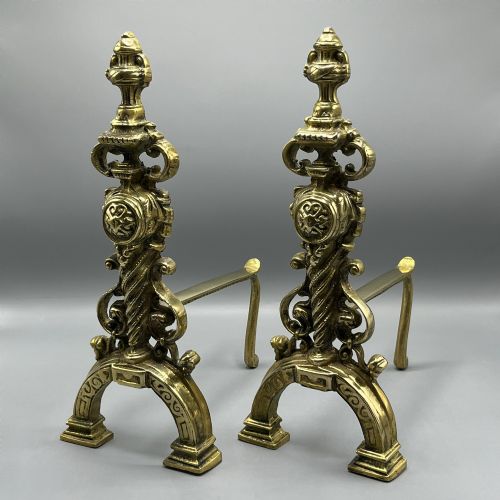
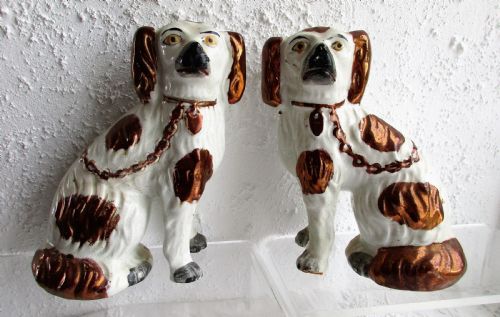
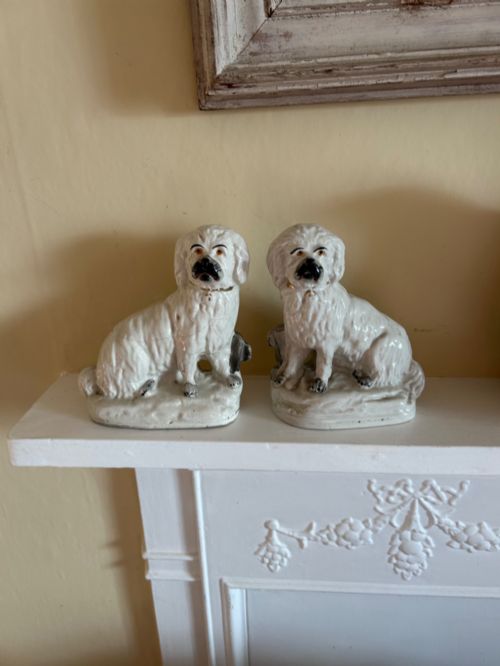
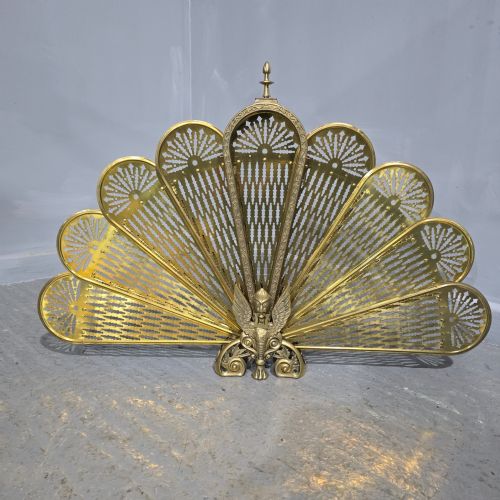
Buyers frequently encounter Staffordshire earthenware models finished with lead glaze, enamel, and gold paint. Metal alternatives appear as solid brass fire dogs, andirons, and chimney horses that double as door porters.
The objects bridge practical fireside utility with domestic display, reflecting the Victorian taste for animals and decorative metalwork around the fireplace. Both Georgian survivals and Victorian Country pieces surface within these categories.
Materials and construction
Pottery items rely on earthenware bodies formed into characteristic animal shapes, then coated with lead glaze to seal the surface. Artisans applied enamel colours and gold paint details by hand over the fired ceramic base.
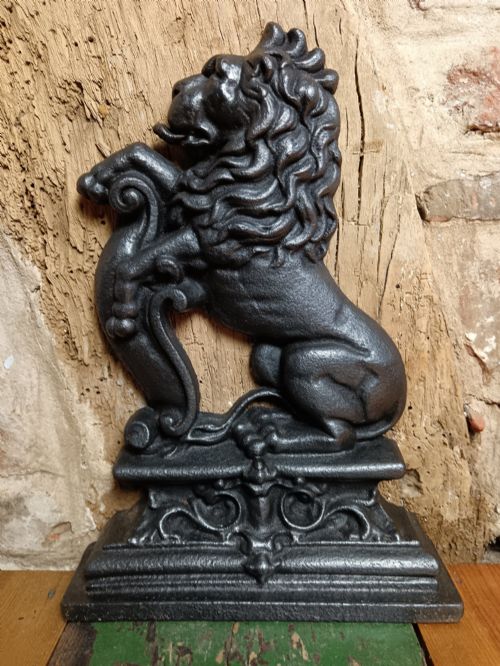
Metal pieces utilise solid brass, cast through traditional foundry methods to create heavy structural items like fire dogs and door porters. These metal objects depend on weight and durable casting rather than surface decoration to survive daily fireside use.
Retail Price Guide 2026
Typical UK retail prices for victorian hearth ornaments, calculated from the Sellingantiques database of over a million retail prices indexed since 2003. This retail price guide relies exclusively on Sellingantiques data; no external sources or auction records are used, so the figures do not describe the wider market.
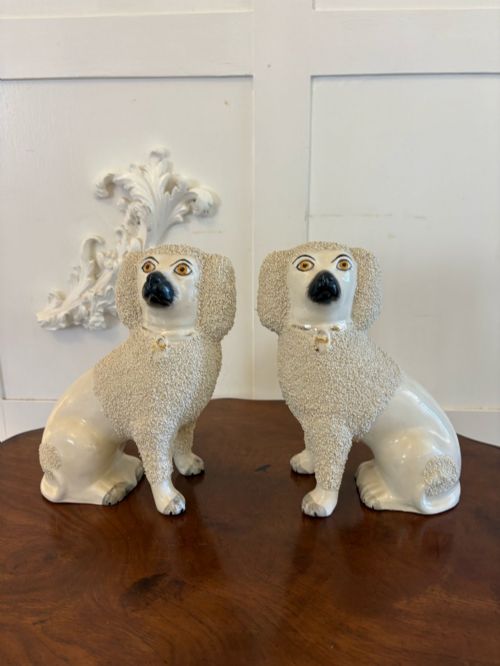
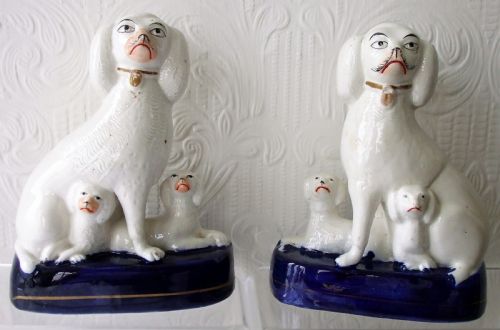
Pups frequently accompany adult Staffordshire poodles, ensuring that even solitary hearths came equipped with entire ceramic families.
Measures of quality
The Victorian Hearth Ornaments Glossary
- Earthenware
- A porous pottery body fired at lower temperatures, requiring a lead glaze to hold liquids and create a smooth decorative surface.
- Andirons
- Heavy metal supports used to hold logs in an open fireplace, often featuring decorative brass fronts designed to be seen when the hearth is empty.
- Staffordshire
- A generic term for ceramic figures and pottery produced in the numerous kilns of the Staffordshire potteries district.
- Lead glaze
- A shiny coating containing lead oxide applied to pottery before a final kiln firing to give a glossy finish.
- Door porter
- A heavy weighted object, also known as a doorstop, designed to keep interior doors open against draughts near the hearth.
Frequently Asked Questions
What are Victorian hearth ornaments?
These items are decorative and functional pieces placed near the fireplace during the nineteenth century. They include ceramic animal figurines and solid metal accessories.
Pottery dogs and heavy brass horses dominate the category, reflecting period domestic tastes.
How were Staffordshire poodles used?
Staffordshire poodles sat upon the mantelpiece or directly on the hearth beside the fireplace. They served purely as decorative ornaments for the nineteenth-century parlour.
Pairs were standard, often facing inwards towards the centre of the mantel or grate.
What is a chimney horse?
A chimney horse is a heavy metal figure, usually cast in solid brass, shaped like a horse. Despite the name, they served as doorstops or door porters within the home.
Their substantial weight kept heavy interior doors from swinging shut in draughty rooms.
How do I identify lead glaze?
Lead glaze appears as a glossy, slightly reflective coating over earthenware pottery bodies. It gives the ceramic surface a smooth sheen that protects the underlying enamel colours.
This technique was standard for nineteenth-century Staffordshire figures.