


Victorian Cast Iron Decor
Victorian cast iron decor brings sturdy utility and bold ornament into a room through heavy utilitarian objects recast as decorative pieces.
Victorian Cast Iron Decor
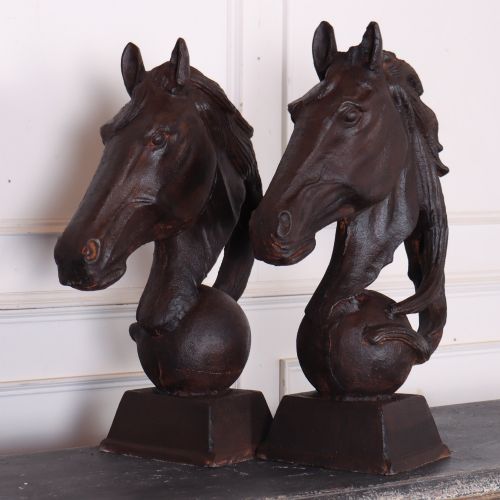
Victorian cast iron decor spans functional household items and architectural pieces produced during the nineteenth century, most frequently encountered here as doorstops, firebacks, and garden urns. You will regularly find animal figures such as lions, horses, and foxes shaped to hold doors or mark hearths. These items range from utilitarian boot scrapers and hitching posts to grand armorial plaques and garden benches.
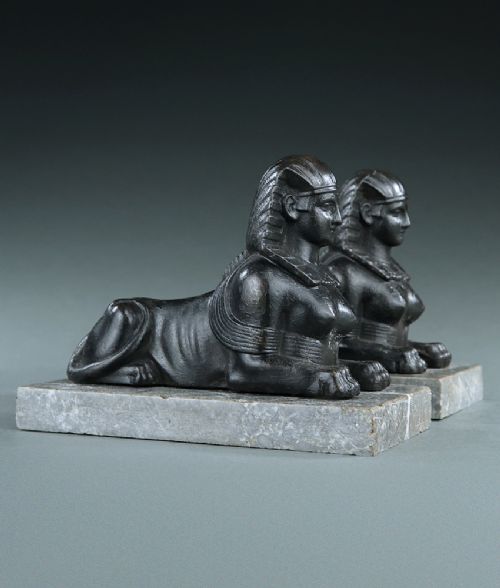
The aesthetic draws heavily on classical and regional idioms, yielding styles from English Country House to Egyptian Revival and French Country. Pieces often combine cast iron with secondary materials like marble or wood, as seen in busts mounted on plinths or cart wheels fitted with wooden spokes. The grouping reflects a period when industrial casting methods made robust metal ornament accessible to domestic interiors and gardens.
Judging quality in cast iron
Listings feature items spanning the nineteenth century, incorporating materials like cast iron, oak, marble, and wrought iron across various domestic forms.
Burgess Brothers of Weaverham
The Victorian Cast Iron Decor Glossary
- Fire back
- A heavy cast iron plate placed at the back of an open hearth to reflect heat and protect the masonry wall. These panels frequently display heraldic designs or decorative relief moulding.
- Doorstop
- A weighted object designed to hold doors open, commonly cast in the form of animals, figures, or architectural motifs. Victorian examples rely on heavy iron mass to secure interior doors.
- Hitching post
- A sturdy vertical post featuring a decorative top, historically used for tethering horses. Surviving cast iron versions often take the form of animal heads.
- Boot scraper
- A fixed metal blade or scraper mounted near an entrance to clean mud from footwear. They often incorporate decorative iron scrollwork or architectural styling.
- Stick stand
- A hall furniture piece designed to hold walking sticks and umbrellas. These items typically feature open cast iron framework to allow air circulation around damp items.
Victorian Cast Iron Decor: Frequently Asked Questions
What is Victorian cast iron decor?
These pieces comprise nineteenth-century household objects, fireplace accessories, and architectural salvage made from durable cast iron. They combine industrial utility with period decorative styles ranging from rustic farmhouse to Egyptian Revival.
Items include doorstops shaped like animals, heavy firebacks for hearths, garden urns, and stick stands. Each piece demonstrates the nineteenth-century capacity for mass-producing ornate metalwork.
How were firebacks used?
Firebacks stood upright against the brickwork at the rear of an open fireplace to absorb and radiate heat back into the room. They also protected the surrounding masonry from direct flame damage.
Because they faced intense heat and soot, many surviving examples bear thick accumulations of carbon or weathered surfaces. Their heavy iron construction made them permanent fixtures of the Victorian hearth.
How do I care for cast iron decor?
Keep cast iron pieces dry and occasionally dust them with a soft brush to prevent moisture accumulation. Avoid harsh chemical cleaners that strip historic painted finishes or natural patinas.
If rust appears, gently remove it with fine wire wool and apply a light coat of neutral wax or oil to seal the metal. Interior pieces require little maintenance beyond stable humidity levels.
How do I date these pieces?
Dating relies on stylistic clues, mounting methods, and manufacturing characteristics associated with nineteenth-century foundries. Arts and Crafts items often display floral motifs distinct from earlier classical revival designs.
Documentation stamped into the iron or maker details can occasionally narrow down the decade of production. Surface wear and the presence of original painted layers also provide clues to age.