




Victorian Figure Door Weight
A victorian figure door weight keeps a heavy internal door open with a solid metallic subject, bringing a sculptural presence to the floor.
Victorian Figure Door Weight
A victorian figure door weight takes the practical form of a door porter or door stop, designed to hold heavy doors open in period interiors. The pieces on this page span the Victorian era, the nineteenth century, and late Georgian periods.
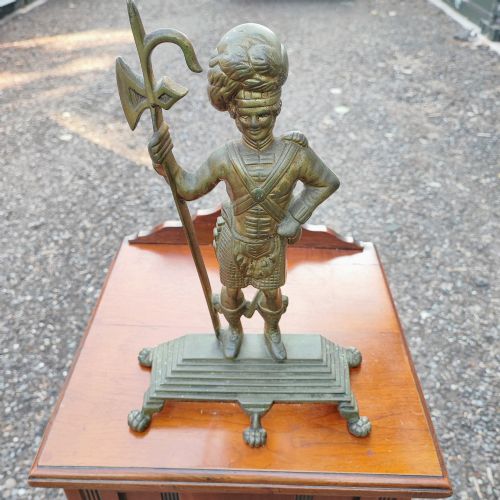
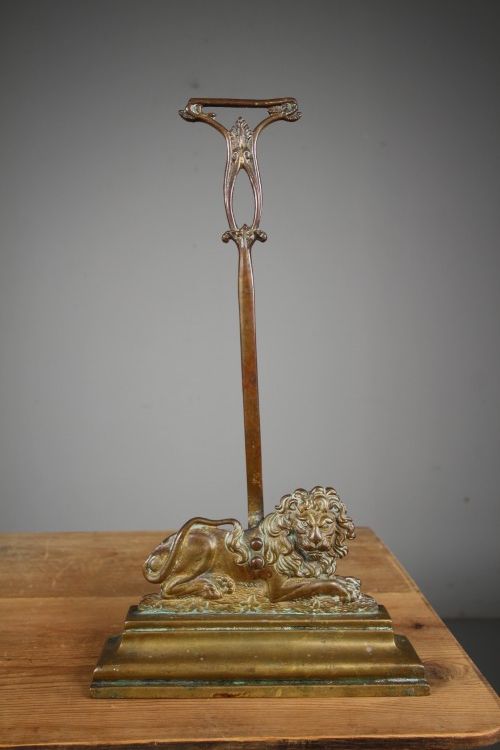
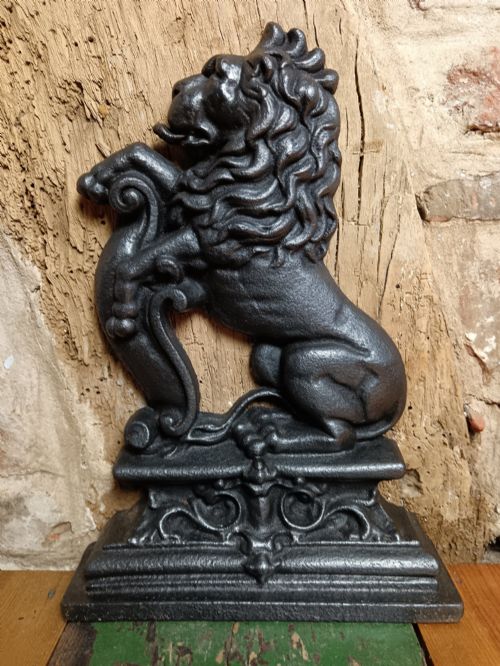
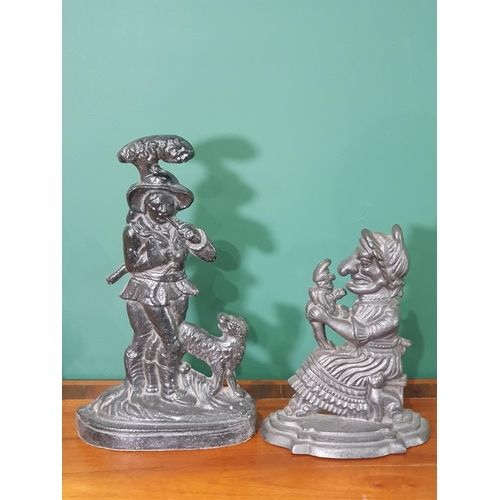
The subjects range from heraldic animals such as lions and rampants to historical and literary figures like Lord Nelson and Mr Punch. Dealers also list horses, spaniels, elephants, cherubs, and Scottish soldiers with halberds.
These items function as heavy door keepers made to stand firmly on the floor. Most examples on this page are cast iron or brass, occasionally appearing in bronze or with painted surfaces.
How they were made
Foundry workers utilised metal casting techniques to pour molten iron or brass into moulds to shape each figural door weight. Cast iron and cast brass form the primary structural bodies of these doorstops.
Listings feature items from the Victorian and Georgian periods, constructed in cast iron, brass, bronze, and gilt bronze.
What varies in quality
Original painted surfaces and untouched patination elevate an example above one that has been heavily restored or repeatedly refinished over the decades.
The Victorian Figure Door Weight Glossary
- Door porter
- A heavy movable weight designed to keep an interior door from swinging shut. These portable pieces sit directly on the floor rather than fixing to the skirting board.
- Cast iron
- An iron-carbon alloy poured into moulds while molten to create sturdy, heavy objects. It provides the substantial mass required to hold open heavy doors.
- Cast brass
- An alloy of copper and zinc melted and poured into a mould. It yields a bright metallic appearance that takes a fine polished or patinated finish.
- Gilt bronze
- Bronze coated with a thin layer of gold. This finish adds a lustrous, decorative surface to figural pieces.
Victorian Figure Door Weight: Frequently Asked Questions
How heavy are these door weights?
These pieces possess the substantial mass needed to hold heavy interior doors against draughts and spring hinges.
Their solid metal construction in cast iron or brass ensures they remain firmly planted on the floor.
Where were they placed?
Door porters stood directly on the floor inside principal rooms and hallways to manage heavy timber doors.
Their figural subjects turned a utilitarian object into a decorative feature near the hearth or doorway.
How do I care for cast iron?
Cast iron requires dry conditions and occasional gentle dusting to preserve the metal surface and any remaining original paint.
Avoid abrasive cleaners that might strip the historic patination accumulated over the nineteenth century.
What subjects are most common?
Animals such as lions, horses, spaniels, and elephants appear frequently alongside literary characters like Mr Punch.
Historical figures including Lord Nelson and Scottish soldiers also feature in nineteenth century production.