


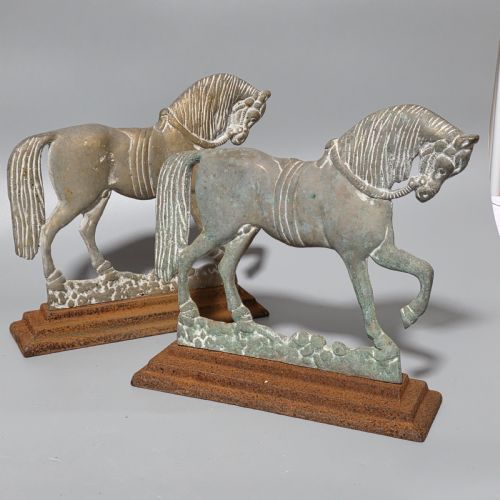


Antique Iron Door Porter
These heavy iron door porters hold back draughty country house doors with sculptural weight and enduring utility.
Antique Iron Door Porter
The antique iron door porter serves to hold doors open against sudden draughts in large rooms, functioning as a practical domestic accessory. You encounter these most frequently from the Victorian period, though examples stretch back into the Georgian era and forward into Edwardian times.
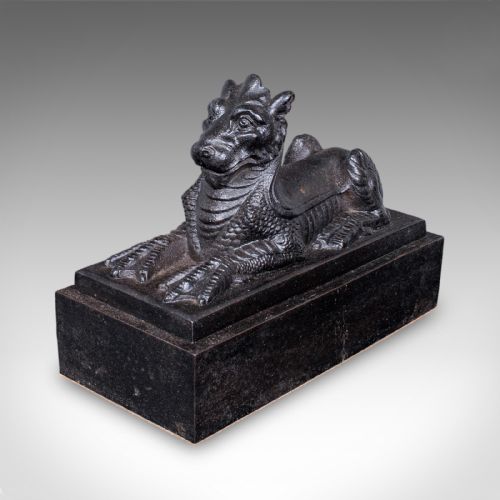
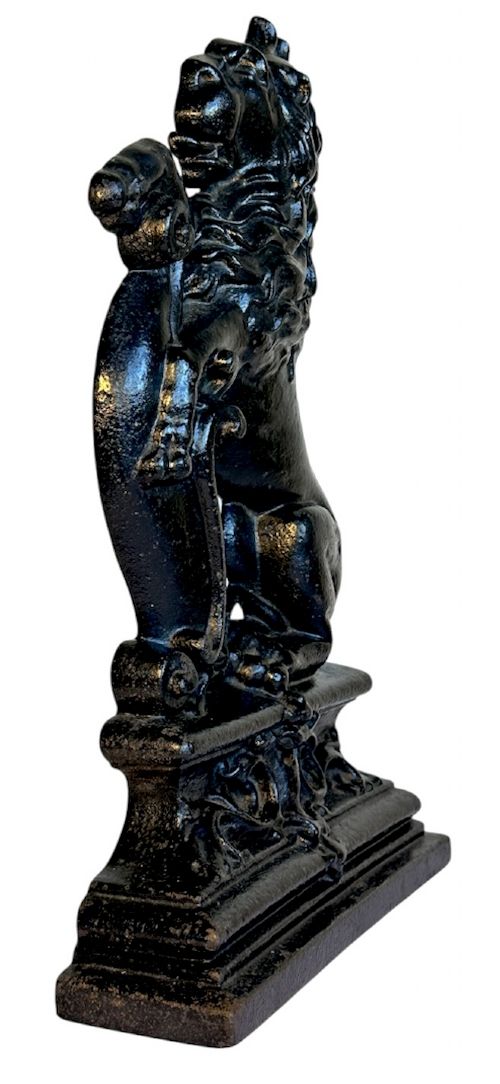
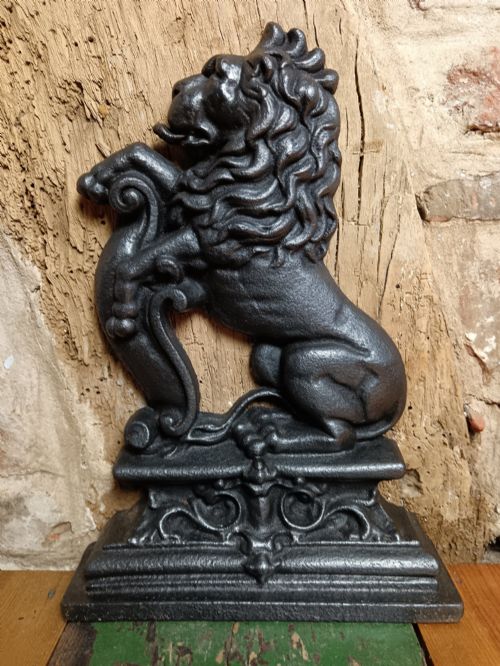
Form takes many sculptural shapes here, ranging from heraldic beasts like rampant lions and guardian figures to popular cultural characters such as Mr Punch. Animal studies including dogs, horses, foxes, and dolphins appear regularly alongside architectural motifs like the Egyptian Revival sphinx.
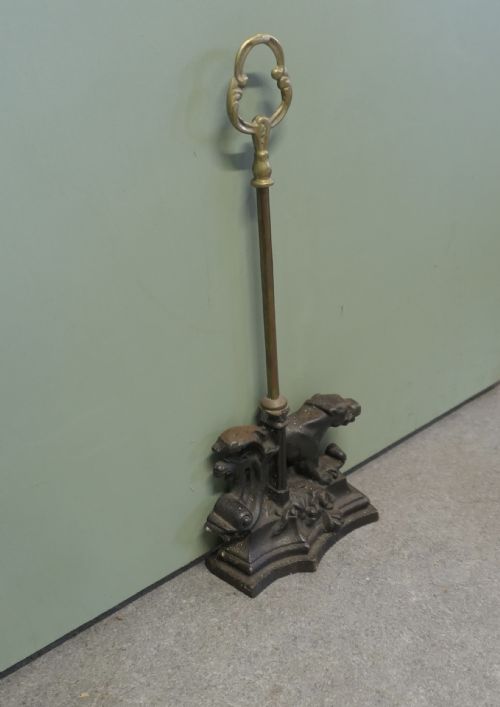
Makers fashioned these utilitarian objects to stand solidly upon floors, often combining heavy cast metal with integrated handles or brass fittings. Their presence shifts from domestic utility in farmhouses to formal display in English country houses.
Methods of manufacture
Moulders integrated substantial lifting handles into the upper portions of these heavy pieces so servants could move them easily between rooms. The combination of dense iron bases and durable surface finishes ensured the objects survived heavy daily use against timber doors.
Materials across this selection span cast iron, applied paint, brass, and occasional wood components.
Quality variations
Original painted surfaces and the retention of complementary brass elements elevate an object above plain, utilitarian metal versions. Weight and balance further separate superior castings designed for heavy doors from lighter decorative ornaments.
The Antique Iron Door Porter Glossary
- Door porter
- A heavy weighted object designed to keep a door propped open against draughts. This term is frequently used interchangeably with doorstop.
- Cast iron
- A strong, heavy alloy of iron and carbon poured into moulds to create solid decorative objects. It provides the essential mass needed to hold heavy doors in place.
- Egyptian Revival
- A nineteenth-century design style drawing on ancient motifs like sphinxes and pharaohs. Pieces from this movement bring classical archaeological themes into domestic accessories.
- Gothic Revival
- An architectural and decorative style inspired by medieval forms, appearing in heavy ironwork and figurative ornamentation. This aesthetic reflects nineteenth-century romanticism in everyday household items.
Antique Iron Door Porter: Frequently Asked Questions
How heavy are these door porters?
These pieces possess substantial weight derived from solid cast iron construction, allowing them to anchor heavy interior doors securely in place.
Their dense mass ensures they remain stable when positioned against sudden draughts without sliding across floorboards.
Where were door porters placed?
Households positioned these weighted objects on the floor directly behind interior doors to prevent them from slamming shut or swinging too widely.
Servants moved them between principal rooms and hallways as household ventilation needs changed throughout the day.
How do I care for cast iron?
Maintain painted or bare iron surfaces by keeping them dry and dusting them gently with a soft cloth to protect the original finish.
Avoid using harsh chemical cleaners that might strip away historic paint or damage patinated metal surfaces.
Are these pieces marked by makers?
Foundries rarely stamped these utilitarian objects with maker names or registration marks, leaving the attribution to stylistic clues and period characteristics.
Collectors rely on casting crispness, subject matter, and material combinations to understand the origin of each piece.