




Decorative Iron Door Porter
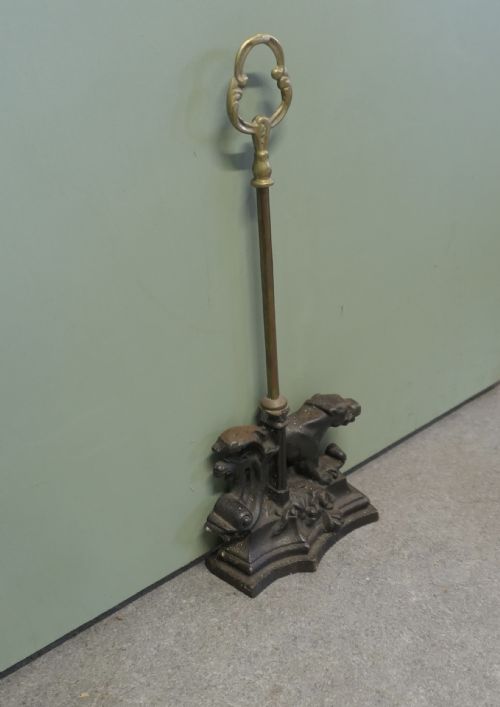
These decorative iron door porter pieces are heavy metal sentinels designed to hold heavy interior passages open, combining functional weight with distinct Victorian character.
Decorative Iron Door Porter
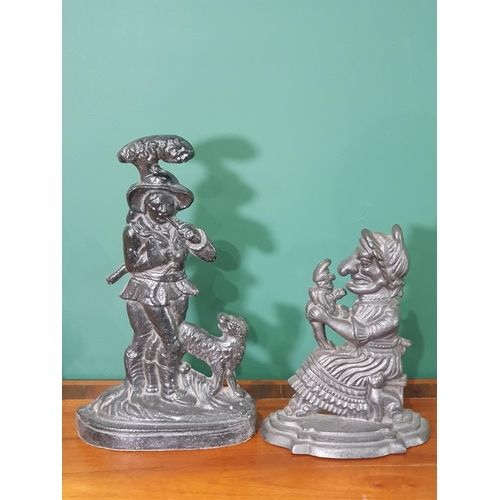
A decorative iron door porter serves to prop open interior passages, utilising substantial weight to resist heavy drafts in traditional homes. Buyers searching for a decorative iron door porter encounter sturdy cast examples shaped as figurative characters, animals, and heraldic motifs.
The pieces appearing on this page span the Victorian and Edwardian eras, with many dating specifically to the late nineteenth century around eighteen eighty. Common domestic forms take the shape of dogs, literary figures like Mr Punch, historical personalities such as Lord Nelson, and symbolic animals including lions and dolphins.
Originating predominantly from English workshops, these items function as both practical door keepers and miniature sculptures. The heavier variants manage grander domestic spaces, while smaller examples suit more modest rooms.
How they were made
Makers utilised sand casting techniques to pour molten metal into moulds, creating the solid forms characteristic of a decorative iron door porter. This process produced heavy bodies capable of withstanding daily domestic use without tipping.
Materials recorded across these items include cast iron, paint, brass, and wood.
What varies in quality
The crispness of the casting defines the visual success of the piece, separating finely detailed figures from softer, worn impressions. Sharper lines in the facial expressions and ornamentation indicate a superior initial mould.
The retention of original painted surfaces significantly influences the character of the object. Examples that preserve their early decorative finishes offer a more authentic representation of period domestic accessories.
The Decorative Iron Door Porter Glossary
- Door porter
- A heavy weight designed to keep an interior door from swinging shut. These items are also frequently described as doorstops or door keepers.
- Cast iron
- A strong, heavy alloy of iron and carbon poured into moulds to create solid decorative objects. This material provides the necessary mass to hold doors stationary.
- Victorian Gothic Revival
- An architectural and decorative style drawing inspiration from medieval forms popular during the nineteenth century. Pieces from this movement often display heraldic or knightly motifs.
- Great Exhibition
- The international exhibition held in London in eighteen fifty-one that influenced British design and ornamentation. Commemorative or thematic pieces often reference this period of industrial confidence.
Decorative Iron Door Porter: Frequently Asked Questions
What is a door porter?
A door porter is a heavy freestanding weight placed against an interior door to hold it open against draughts. They were standard accessories in nineteenth-century hallways and reception rooms.
Unlike modern rubber wedges, these pieces doubled as decorative ornaments featuring figures, animals, or heraldic crests to amuse visitors.
How heavy are they?
These pieces possess substantial weight due to their solid cast iron construction, typically ranging from several pounds upwards to heavy sentries designed for large doors.
This heft ensures the porter remains firmly in place when positioned against a heavy timber door.
Where were they used?
Door porters stood in the hallways, drawing rooms, and studies of Victorian and Edwardian homes where maintaining airflow through heavy doors was necessary.
They were positioned directly on the floor near the threshold, often within easy reach of the door handle.
How do I date one?
Dating relies on stylistic clues such as the costume of figurative subjects, Victorian Gothic Revival motifs, or specific historical figures like Lord Nelson.
The manufacturing texture of the cast iron and the presence of early painted finishes also help determine whether a piece belongs to the nineteenth century or the Edwardian era.