




Vintage Iron Door Stop
These vintage iron door stop pieces hold heavy doors while bringing character and sculptural form to the floor.
Vintage Iron Door Stop
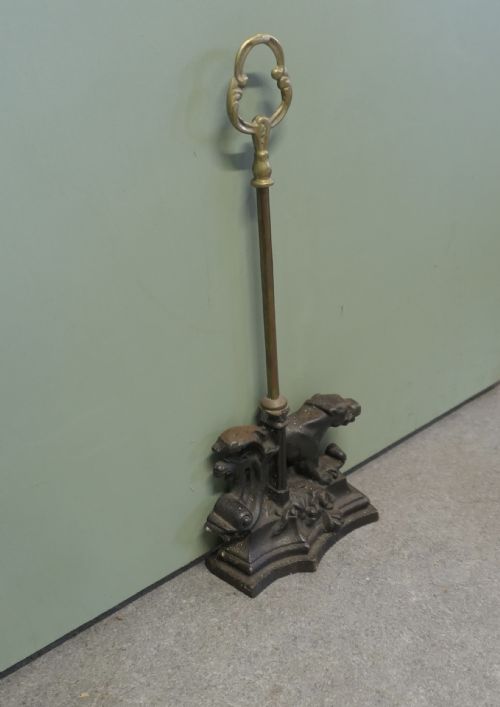
A vintage iron door stop serves the practical purpose of holding interior doors open while doubling as a decorative object for the floor. When you search for this phrase, you encounter solid metal items designed to withstand daily use in hallways and sitting rooms.
Most examples found on this page date from the Victorian and Edwardian periods, stretching back through the nineteenth century into Georgian times. These utilitarian items take the shape of animals, human figures, and heraldic symbols rather than plain wedges.
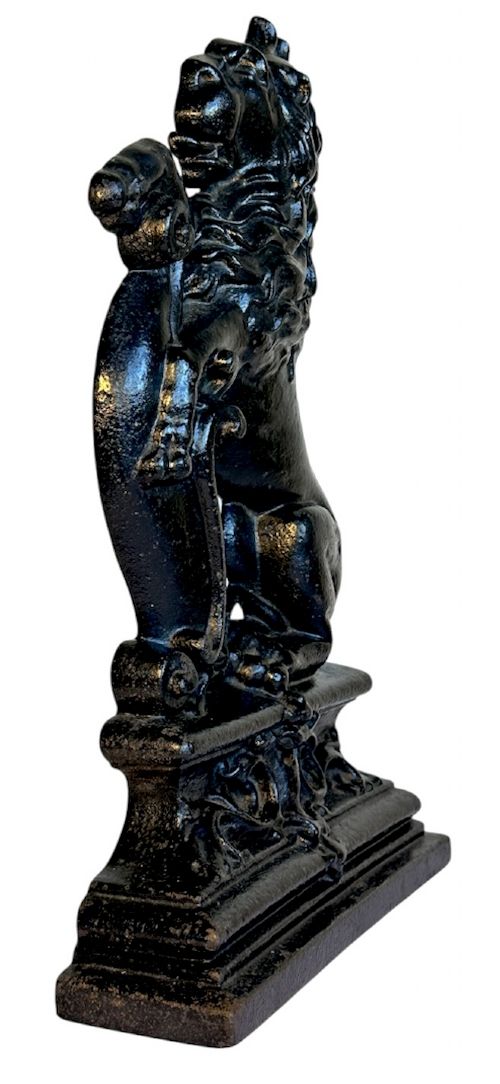
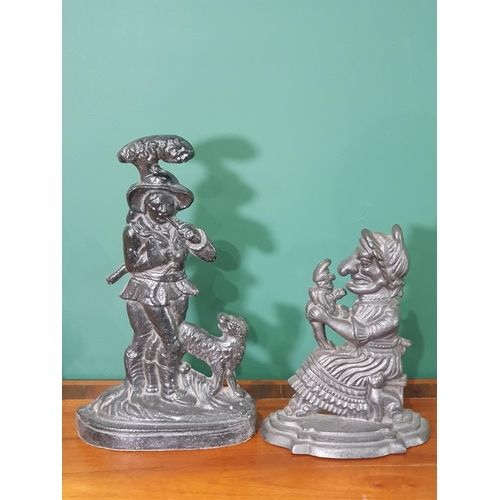
Common figurative subjects include lions, dogs such as spaniels and border collies, dolphins, horses, and cultural characters like Mr Punch and Lord Nelson. These pieces function as both functional hardware and miniature cast sculptures.
What varies in quality
The survival of the original painted surface also defines the character of each piece. Intact historic pigment or an honest, aged surface demonstrates how well the object has survived through the nineteenth and twentieth centuries.
Mr Punch watches the hallway floor with permanent mischief, ready to stop the draft.
The Vintage Iron Door Stop Glossary
- Cast iron
- A hard, brittle alloy of iron and carbon poured into moulds while molten. It provides the heavy mass required to keep doors stationary.
- Door porter
- An alternative term for a heavy door stop fitted with an upright handle at the top. This allowed the object to be lifted and moved without bending down.
- Patina
- The surface texture and coloration developed over years through handling, wear, and paint ageing. It serves as an indicator of age and authenticity.
- Figurative
- Representing a human or animal form rather than an abstract geometric shape. Most nineteenth-century door stops take this sculptural approach.
Vintage Iron Door Stop: Frequently Asked Questions
How heavy are these door stops?
These pieces possess substantial weight derived from solid cast iron construction, designed specifically to hold heavy interior doors against drafts.
Their mass ensures they remain stable on wooden or carpeted floors without sliding during daily movement.
Where were they placed?
Households positioned them directly on the floor beside doors in hallways, libraries, and principal rooms where airflow required doors to remain open.
They sat ready to catch the door handle or edge as people moved through the house.
How do I clean a cast iron stop?
Dust the surface gently with a dry cloth to remove loose particles without disturbing any remaining historic paint layers.
Avoid liquid cleaners or abrasive pads that might strip the aged finish or encourage corrosion on the bare iron.
Are all of them Victorian?
The majority originate from the Victorian era and the broader nineteenth century, reflecting the peak of this domestic hardware.
Some examples extend into the Edwardian period or date back to Georgian times, showing continuity in British home design.