




Victorian Cast Iron Dog
These heavy Victorian cast iron dog figures and andirons serve hearths and hallways with utilitarian weight and sculptural form.
Victorian Cast Iron Dog
When searching for a victorian cast iron dog, collectors encounter functional hearth furniture and substantial doorstops shaped as hounds, spaniels, and gun dogs. These pieces originate predominantly from the nineteenth century, spanning Victorian and Edwardian periods.
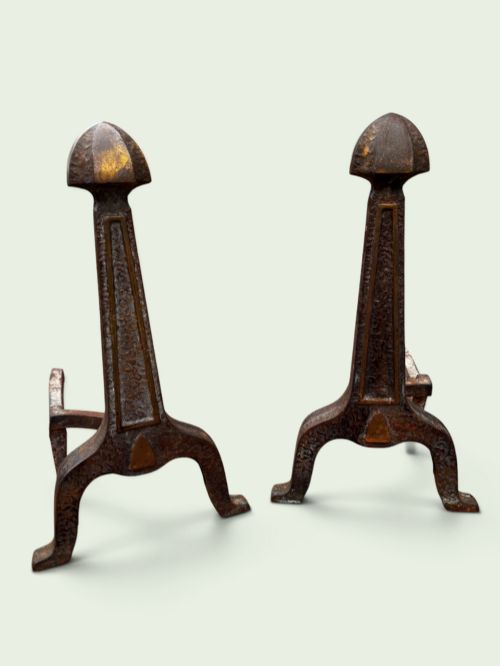
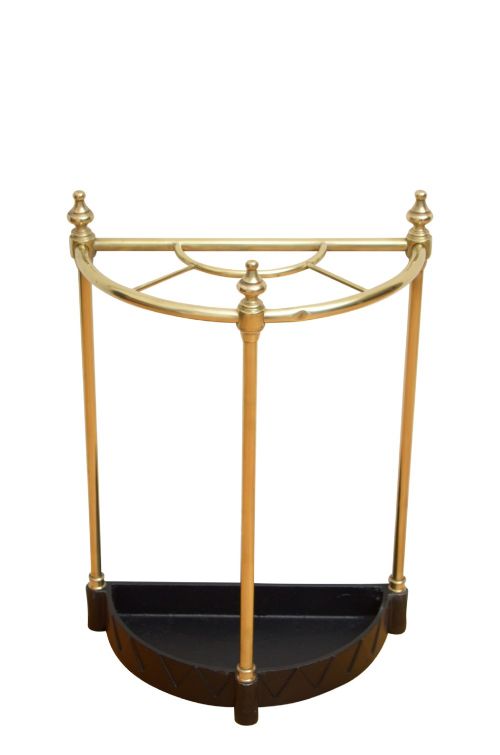
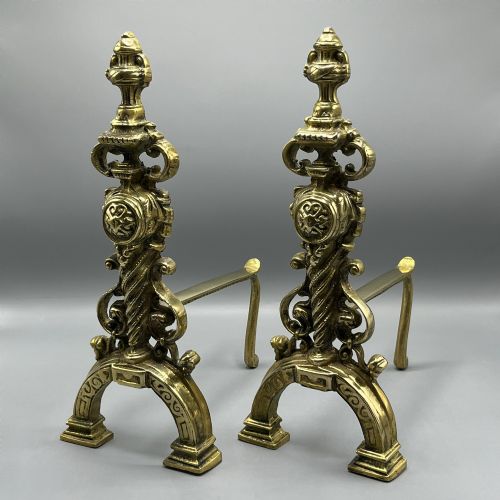
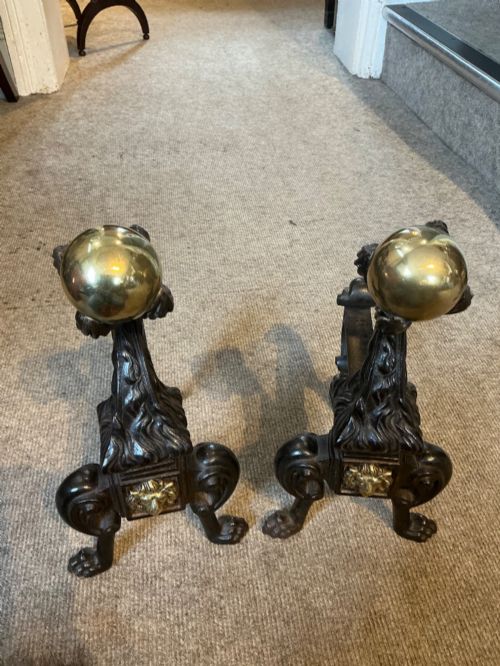
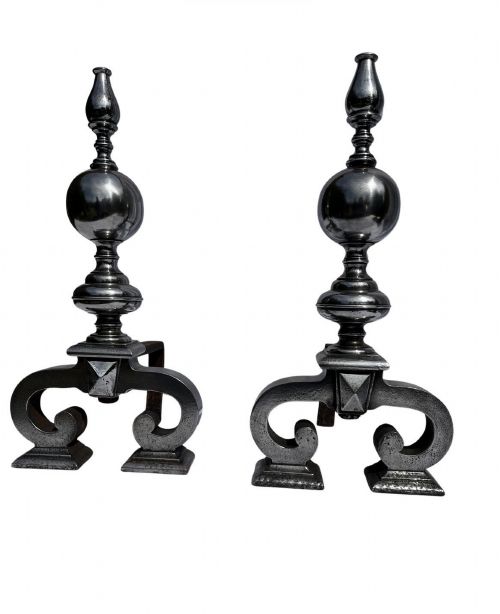
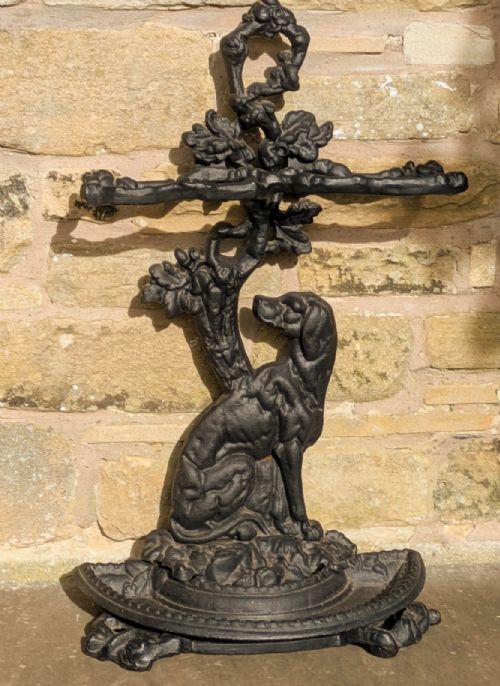
The common iterations on this page include pairs of fire dogs or andirons designed to support logs, alongside heavy doorstops and umbrella stands modelled in the likeness of specific breeds like border collies and hunting spaniels.
Materials and casting methods
Foundries utilised durable cast iron, often combining the heavy metal with polished brass details, steel rods, or firebrick components to withstand high hearth temperatures.
The molten iron poured into sand moulds captured fine anatomical details of the animals, whilst secondary forging and hand-polishing finished the surfaces of the fire dogs and doorstops.
Some loyal hounds spent their working lives holding doors open rather than guarding hearths.
Distinctions in quality
The distinction between ordinary foundry work and superior pieces lies in the crispness of the casting and the fidelity of the animal's form. Greater weight and thicker metal sections indicate sturdiness intended for daily hearth use rather than decorative lightness.
Finishes also separate standard utilitarian items from finer examples, particularly where cast iron integrates smoothly with heavy brass mounts or polished steel details.
The Victorian Cast Iron Dog Glossary
- Andirons
- Supports for logs in an open fireplace, frequently featuring decorative iron or brass fronts known historically as fire dogs.
- Doorstop
- A heavy weighted figure placed against internal doors to hold them open, often cast in the shape of dogs or domestic animals.
- Fire Basket
- A metal grate holding fuel within a fireplace, commonly flanked or supported by matching andirons.
- Stick Stand
- A hall accessory for umbrellas and walking sticks, sometimes cast in iron to resemble a seated gun dog before a tree.
- Animalier
- A nineteenth-century artistic style focusing on realistic depictions of animals in sculpture and decorative metalwork.
Victorian Cast Iron Dog: Frequently Asked Questions
What is a fire dog?
Fire dogs are metal supports placed inside an open fireplace to hold logs above the hearth floor, allowing air to circulate beneath the fire.
They often feature decorative fronts shaped as animals or human figures, serving both a functional and a visual purpose in nineteenth-century rooms.
How do I use a cast iron dog doorstop?
These heavy iron figures sit directly on the floor to hold interior doors open against draughts or movement.
Their substantial weight ensures they remain stable when positioned against heavy wooden doors in hallways and sitting rooms.
Were these pieces used outside?
Cast iron items were primarily designed for interior domestic use around hearths and hallways rather than outdoor exposure.
Placing them outside risks rust and surface degradation due to moisture and changing weather conditions.
How do I tell Victorian pieces from later ones?
Nineteenth-century pieces generally display heavier metal casting, simpler construction methods, and signs of genuine hearth wear.
Later reproductions often lack the distinct surface texture left by nineteenth-century sand moulds and finishing techniques.