


19th Century Iron Dog
A 19th century iron dog brings hearthside character and robust utility to a room, functioning primarily as a functional fire dog or heavy doorstop.
19th Century Iron Dog
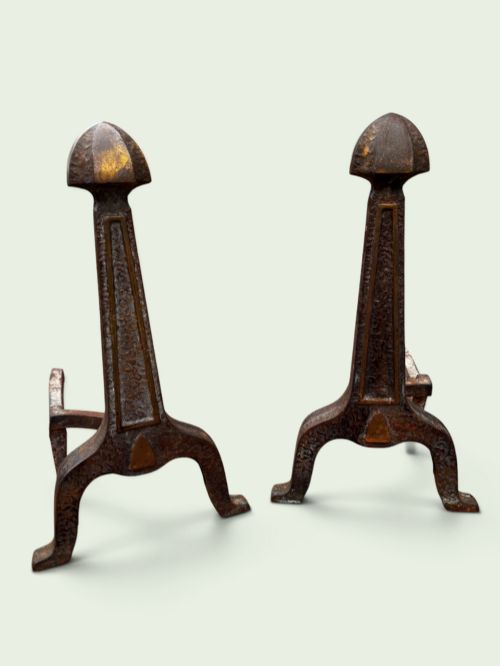
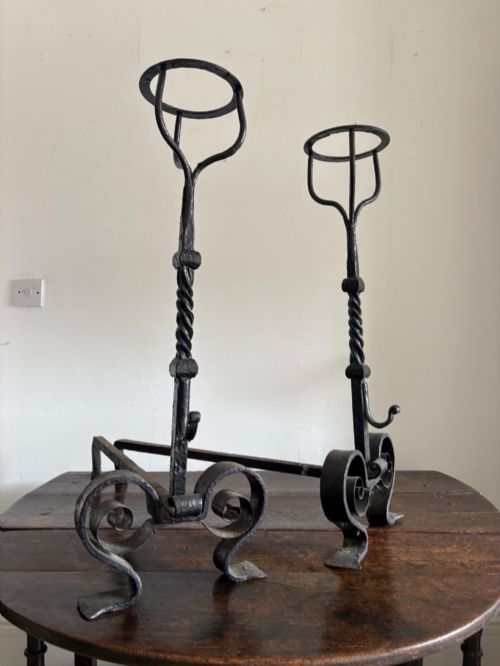
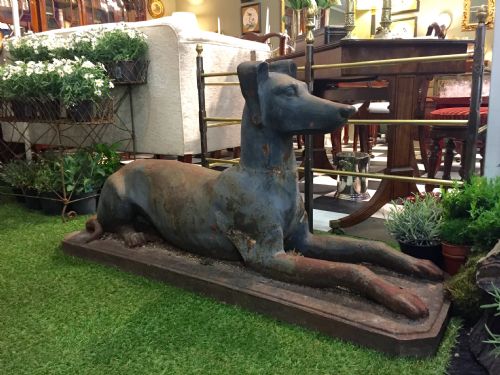
A 19th century iron dog typically appears as a heavy cast or wrought iron andion designed to support logs in an open hearth. These hearth accessories frequently take the form of actual canine figures, lions, or traditional architectural fire dogs associated with the period.
Beyond fireside furniture, the category extends to utilitarian objects such as heavy doorstops, nutcrackers, and stick stands shaped like dogs. Most examples seen span the Victorian era, often reflecting Gothic Revival or Neoclassical design influences.
French and English origins dominate the available selection, ranging from simple country house pieces to monumental pairs styled with decorative brass or ormolu mounts. Buyers encounter everything from life-size decorative figures to smaller functional fire grates.
Materials and construction methods
Makers utilised durable cast iron and wrought iron for the primary body of these pieces, providing the necessary weight and heat resistance for hearth use. Iron components were frequently paired with brass, polished steel, or gilt bronze to add decorative contrast.
Foundries employed traditional casting techniques to shape intricate details, producing substantial objects built to withstand daily use. Surface finishes vary from plain dark iron to polished elements and occasional enamel or ceramic additions.
Listings feature cast iron, wrought iron, brass, and bronze alongside ceramic figures like Staffordshire dogs and Kutani vases.
Assessing quality and proportion
The integration of mixed materials, such as combination brass and iron assemblies or finely chased ormolu mounts, separates standard utilitarian items from workshop pieces made with greater decorative ambition.
Carron Foundry·Henri Jaquesmart
The 19th Century Iron Dog Glossary
- Andiron
- A metal support used in pairs to hold logs in an open fireplace. Also known in various regions as a fire dog.
- Chenet
- The French term for an andiron, frequently applied to decorative hearth furniture featuring brass or bronze elements.
- Fire Grate
- A metal basket or framework holding fuel in a fireplace. Some examples incorporate integrated fire dogs at the sides.
- Wrought Iron
- Iron that has been heated and shaped with hand tools by a blacksmith. This material offers high tensile strength compared to cast iron.
- Cast Iron
- Iron poured in a molten state into a mould to form a specific shape. It provides the heavy mass needed for durable hearth furniture and doorstops.
19th Century Iron Dog: Frequently Asked Questions
What is the difference between an andiron and a fire dog?
The terms are generally interchangeable for the metal supports used to hold logs in a fireplace. Regional preferences often dictate which word a dealer uses.
Historically, both terms describe the same heavy utility item placed on the hearth floor.
Were these iron dogs meant for actual fires?
Most examples made of cast or wrought iron were built specifically to handle the heat of an open hearth. Their substantial weight kept logs elevated for better airflow.
Some life-size decorative figures served primarily as hall ornaments rather than functional fire furniture.
How do I clean a cast iron fire dog?
Light dusting and occasional application of a suitable grate polish or oil help maintain the dark metal surface. Avoid harsh chemical cleaners that strip the historic finish.
Keeping the iron dry prevents surface oxidation in damp environments.
Are French and English fire dogs constructed differently?
French examples from the period frequently incorporate decorative brass, ormolu, or bronze mounts alongside the iron body. English pieces often lean toward heavier, simpler ironwork or polished steel.
Both national styles reflect the prevailing Gothic Revival and Neoclassical tastes of the century.