
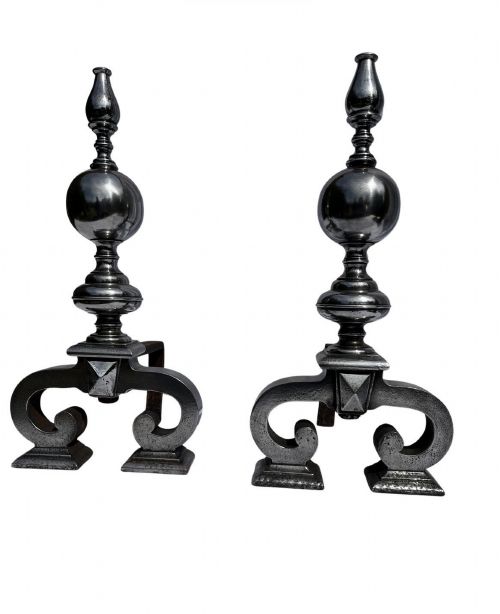


English Cast Iron Dogs
English cast iron dogs are sturdy hearth supports and fireside figures designed to hold logs, bringing centuries of robust metalwork directly into your room.
English Cast Iron Dogs
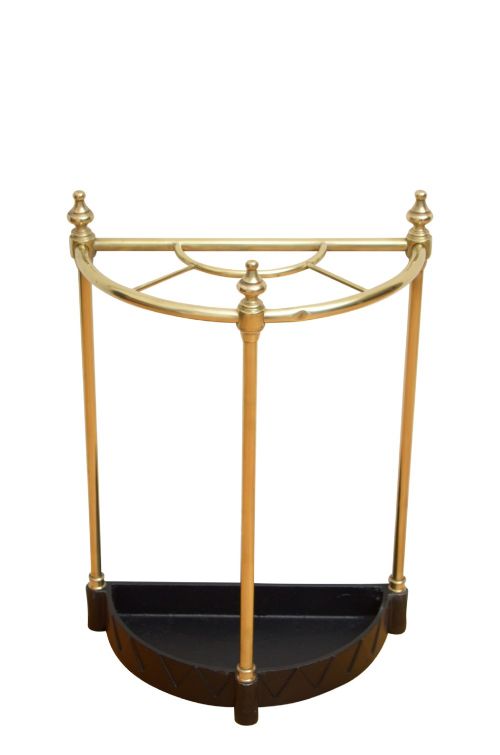
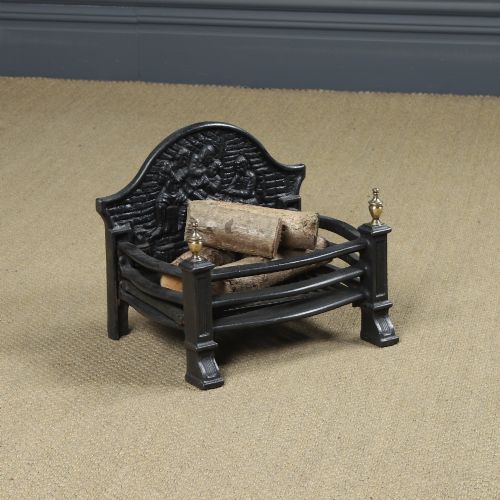
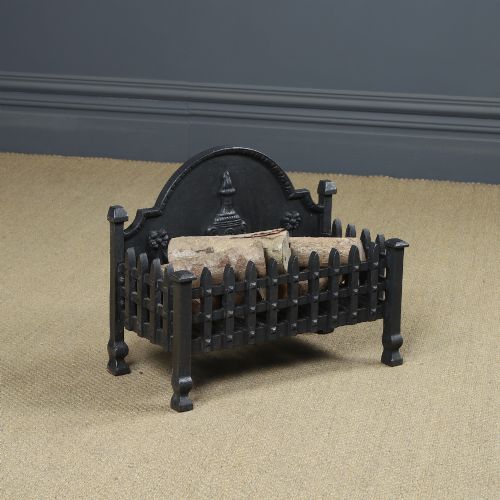
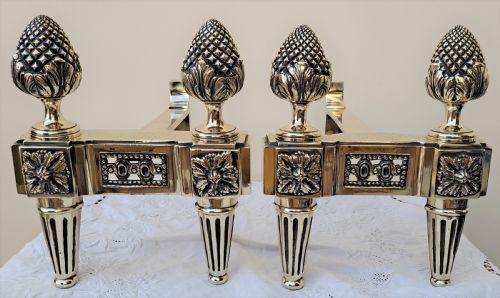
When you search for english cast iron dogs, you encounter heavy hearth furniture, utilitarian doorstops, and decorative andirons designed for open fires. These pieces appear in forms ranging from simple fire dogs and mulling andirons to working fire baskets and companion tool rests.
The versions most common on this page date from the Victorian and Edwardian eras, alongside later pieces styled after earlier centuries. You also find specialised items like border collie and retriever doorstops cast from the same durable metal.
Origins stretch from robust nineteenth-century utility to occasional sixteenth-century examples bearing specific dates like 1580. They serve as both functional fireplace supports and substantial interior ornaments.
How they were made
Foundries utilised molten metal poured into moulds to create these heavy items, combining cast iron with occasional brass fittings, wrought iron, and polished steel. Firebrick lining appears in certain basket assemblies to withstand intense hearth temperatures.
Surface finishes range from simple dark paint to highly polished iron and gleaming brass highlights. These treatments protected the underlying metal while offering distinct visual contrast against the dark hearth.
Materials recorded across the site include cast iron, wrought iron, polished steel, brass, and firebrick.
What varies in quality
The distinction between standard utility items and finer examples lies in the crispness of the casting and the refinement of surface finishing. Sharper relief work on decorative motifs separates superior pieces from simpler utilitarian production.
Material choice also defines the tier of a piece, with combinations of polished steel, brass, and heavy cast iron indicating higher ambition than plain painted metal. Integrity of form and the presence of matched pairs elevate certain items above single survivors.
The English Cast Iron Dogs Glossary
- Cast Iron
- Iron shaped by pouring molten metal into a mould. This heavy material provides the primary substance for the fireside accessories and dogs found here.
- Andirons
- Horizontal metal bars supported on legs, used to raise logs off the hearth floor to improve airflow. They frequently feature decorative vertical fronts.
- Fire Basket
- An enclosed metal grate designed to hold burning coal or wood within a fireplace opening. These assemblies often incorporate integrated andirons.
- Doorstop
- A heavy weighted object used to hold interior doors open. Cast iron versions frequently take the shape of dogs such as border collies or retrievers.
- Mulling Andiron
- A specialised hearth support equipped to heat beverages. It represents a more complex form within standard fire dog design.
English Cast Iron Dogs: Frequently Asked Questions
How do I use fire dogs?
Fire dogs sit within an open hearth to support logs above the floor, allowing air to circulate beneath the fire for a cleaner burn. They work alongside fire baskets and grates to organise the fuel.
Heavier pairs can support substantial timber, while smaller decorative examples suit shallow hearths or decorative settings.
What is an inglenook fire basket?
An inglenook fire basket is a self-contained metal grate designed to sit deep within large traditional fireplaces. These units hold the fuel securely away from the masonry walls.
They frequently incorporate integral andirons and decorative cast iron panels to radiate heat forward into the room.
How do I date cast iron pieces?
Dating cast iron relies on stylistic markers such as Gothic Revival or Neoclassical details, alongside construction methods and foundry marks. Victorian and Edwardian examples show distinct decorative conventions compared to earlier work.
Earlier pieces from the sixteenth or eighteenth centuries display simpler hand-finished textures and specific regional casting characteristics.
Are cast iron dogs purely decorative?
Most cast iron dogs were originally manufactured for heavy utilitarian service in open hearths. Their primary role was supporting burning wood or coal safely off the floor.
Over time, many pieces transition to purely decorative roles, while smaller dog-shaped castings served specifically as doorstops.