


Country House Doorstop
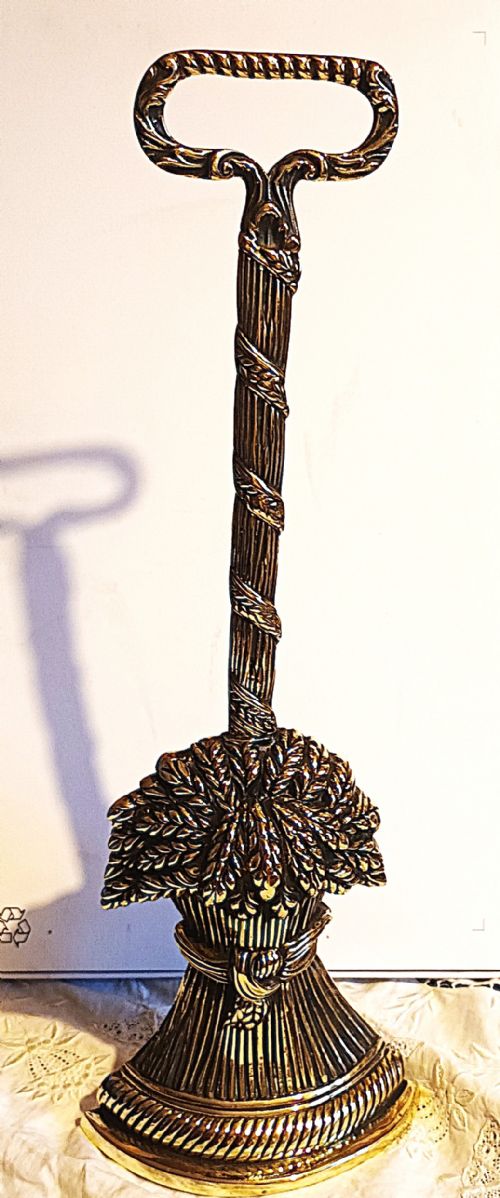
A country house doorstop is a heavy utilitarian object designed to keep heavy internal doors open, prized for bringing character to a hallway.
What They Are
A country house doorstop is a heavy utility item designed to prop open interior doors against drafts. The examples seen here span the Victorian, Edwardian and nineteenth-century periods, capturing a domestic tradition of practical ornamentation.
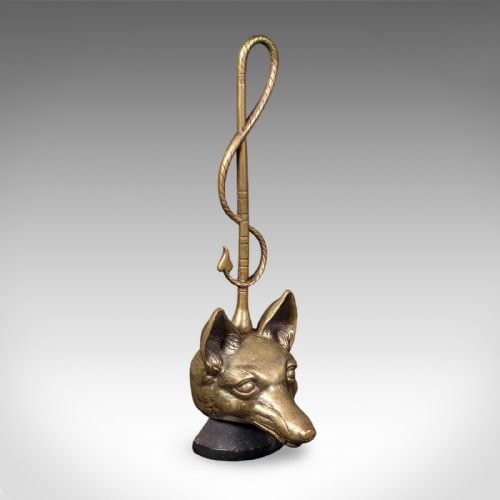
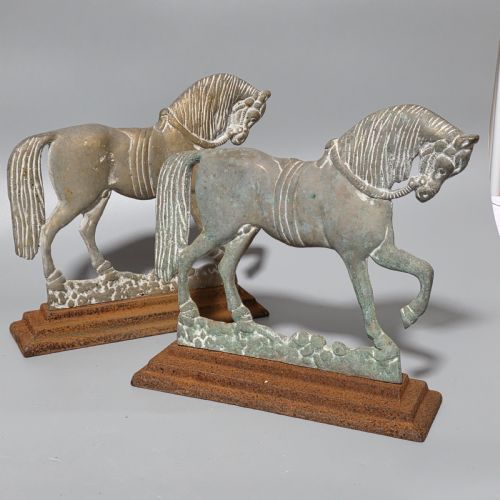
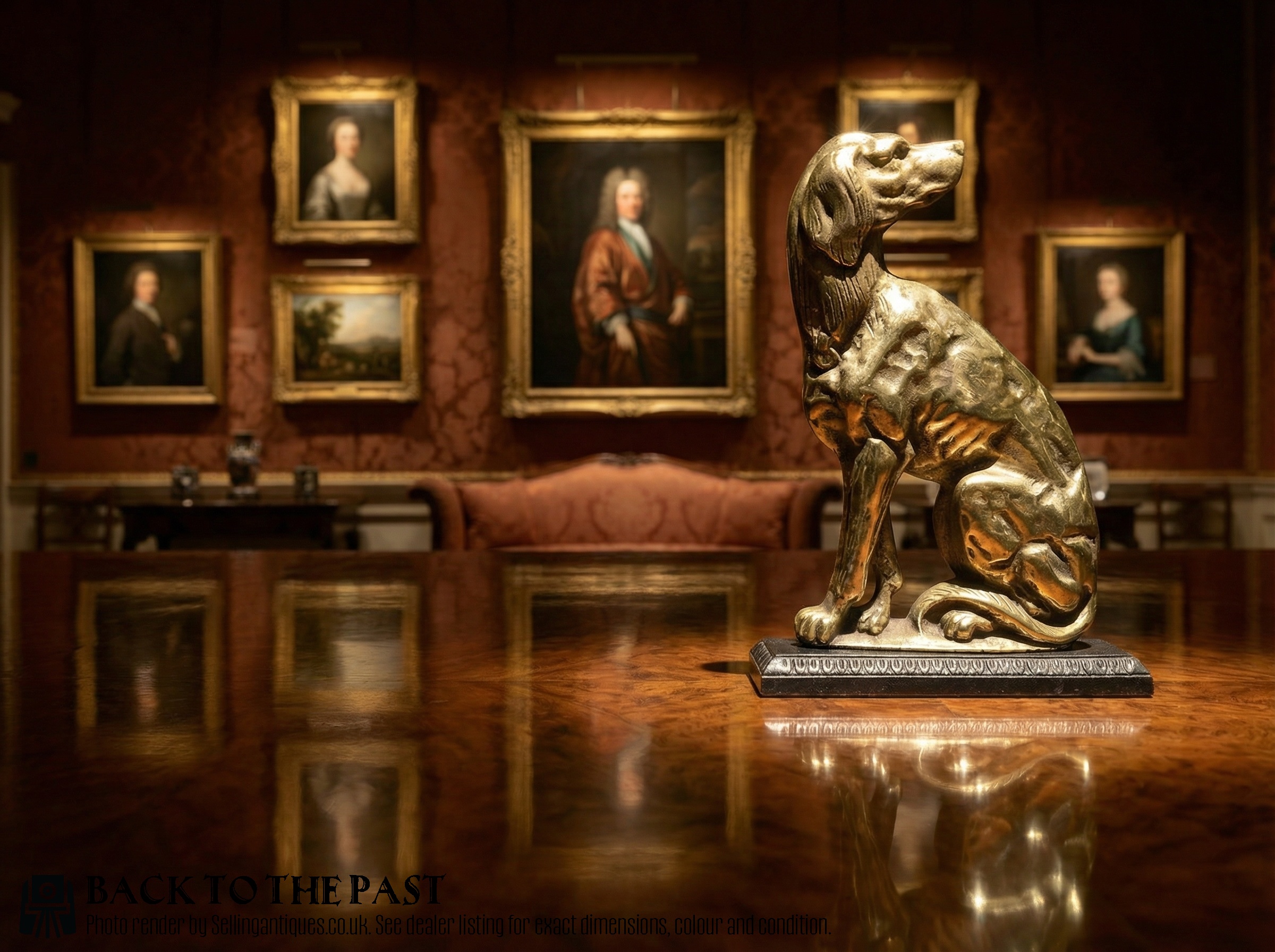
The forms recorded in the evidence range from animal figures such as dogs, horses and a fox head to figures of a ploughman and armorial designs, alongside simpler turned wooden pieces. Most items are English or Scottish in origin, constructed for domestic service in large houses.
The version a buyer is most likely to encounter on this page is a cast iron or brass animal or figural doorstop from the nineteenth century or the Edwardian era. These pieces combine functional weight with sculptural presence.
How They Were Made
The primary materials recorded in the evidence are cast iron, brass and oak. Cast iron and brass components are frequently combined in single pieces to contrast dark metal with bright polished elements.
Manufacturing methods rely heavily on metal casting, producing sturdy figures capable of holding weighty doors. Wooden examples such as the oak pieces are shaped through turning, displaying the natural grain of the timber.
Retail Price Guide 2026
Typical UK retail prices for country house doorstop, calculated from the Sellingantiques database of over a million retail prices indexed since 2003. This retail price guide relies exclusively on Sellingantiques data; no external sources or auction records are used, so the figures do not describe the wider market.
Listings feature items from the Victorian and Edwardian periods, constructed primarily from cast iron and brass alongside oak.
What Varies in Quality
The integration of mixed metals, such as brass fittings paired with heavy cast iron bodies, elevates the visual interest of a piece. Finer examples retain their original surface finishes and patination accumulated through decades of domestic use.
The Country House Doorstop Glossary
- Cast iron
- An iron-carbon alloy poured into moulds to create heavy, rigid objects. It provides the essential mass needed for a doorstop to hold firm.
- Brass
- A copper and zinc alloy valued for its bright golden appearance and resistance to corrosion. It often forms the decorative highlights or handles on metal doorstops.
- Door porter
- An alternative historical term for a heavy doorstop designed to keep doors stationary. These portable weights were essential in rambling country houses.
- Armorial
- A design incorporating heraldic bearings or family crests. Such pieces indicate institutional or grand domestic provenance.
Frequently Asked Questions
What is a country house doorstop?
A country house doorstop is a heavy decorative weight placed against interior doors to prevent them from slamming or shutting in drafts. These objects combine utilitarian heft with sculptural forms suited to traditional interiors.
Historically used in large residences, they remain practical accessories for modern homes with high ceilings and heavy wooden doors.
How heavy are these doorstops?
These doorstops are manufactured from dense materials like cast iron, brass and oak to ensure sufficient mass. Their substantial weight allows them to hold open heavy panelled doors securely.
Because they were built for heavy domestic service, buyers can expect a solid heft well beyond modern decorative alternatives.
What periods do these pieces come from?
The available selection spans the nineteenth century, the Victorian era and the Edwardian period. Dating is typically determined by the manufacturing style, material composition and subject matter.
Victorian and Edwardian examples predominate, reflecting the peak era of domestic service and country house expansion.
How do I care for a metal doorstop?
Metal doorstops in cast iron and brass require minimal maintenance beyond occasional dusting with a dry cloth. Avoiding abrasive cleaners preserves the historical patination on the surface.
Keep them away from persistent dampness to protect iron components from surface oxidation.