



Heavy Metal Doorstop
These heavy metal doorstop examples are robust cast iron and brass pieces designed to hold open doors with solid weight and traditional style.
Understanding the heavy metal doorstop
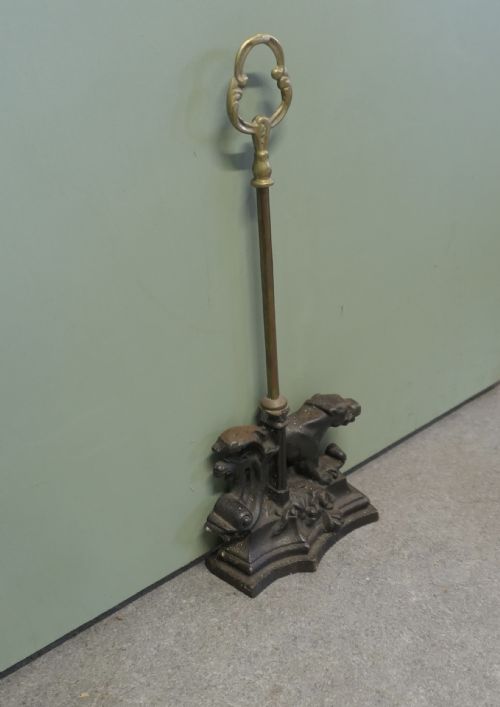
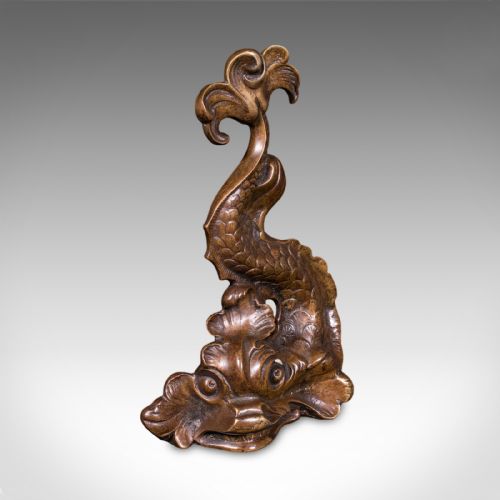
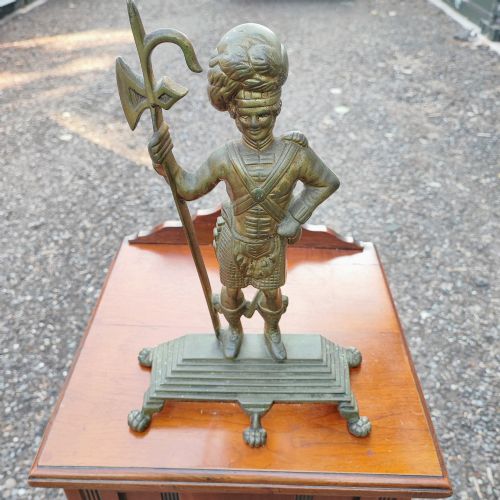
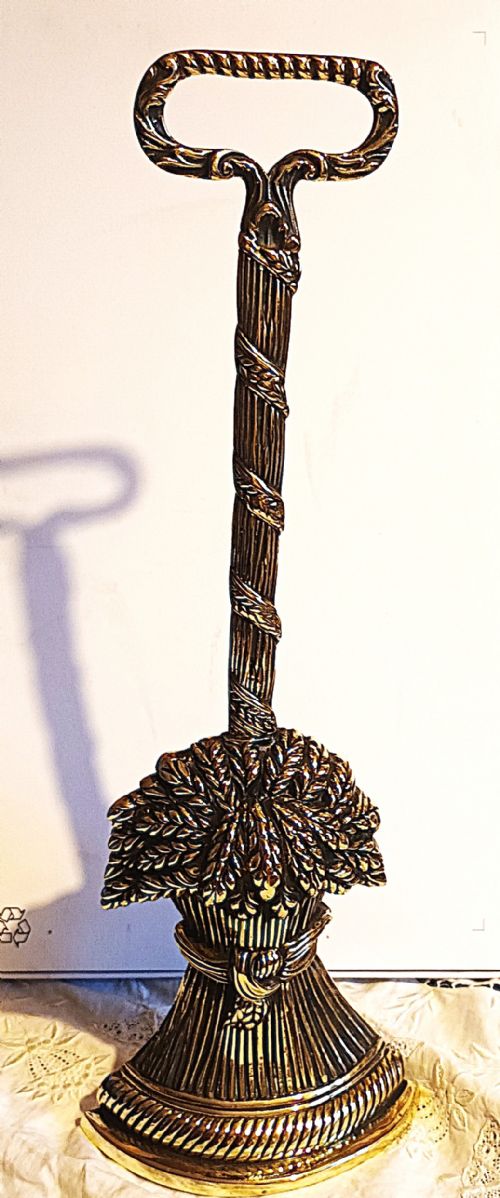
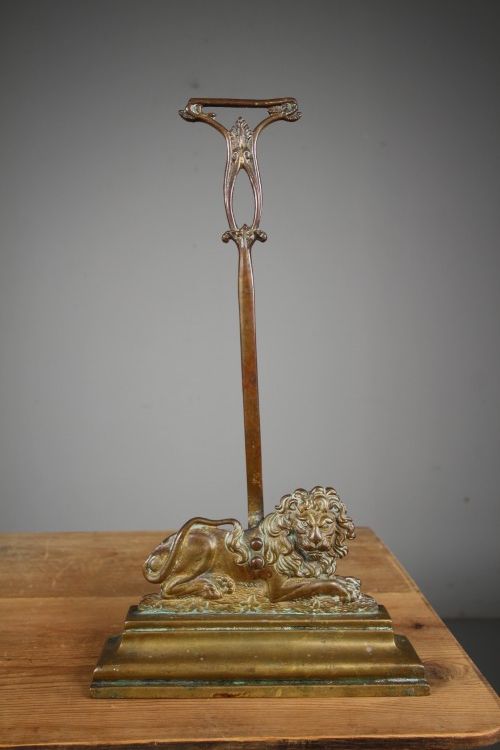
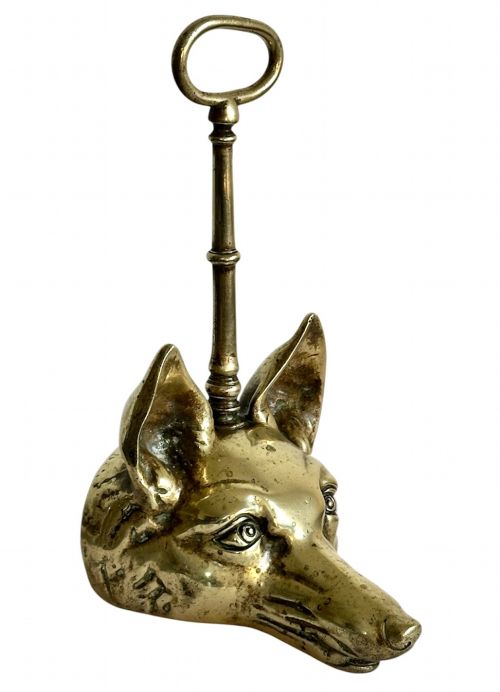
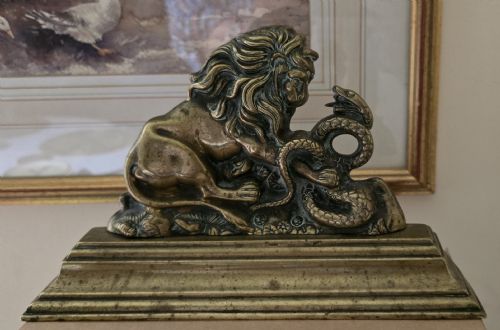
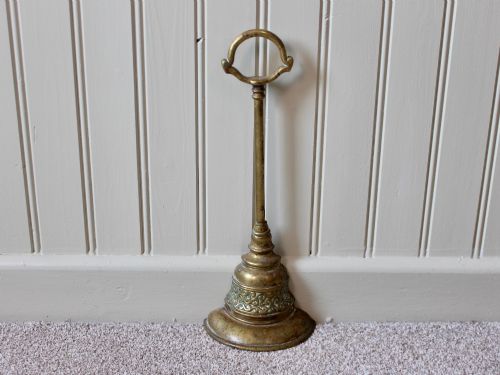
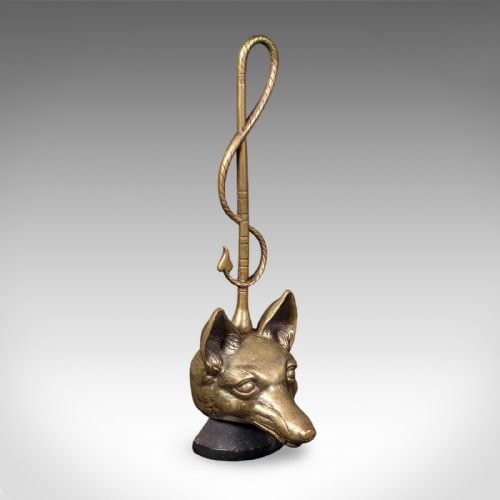
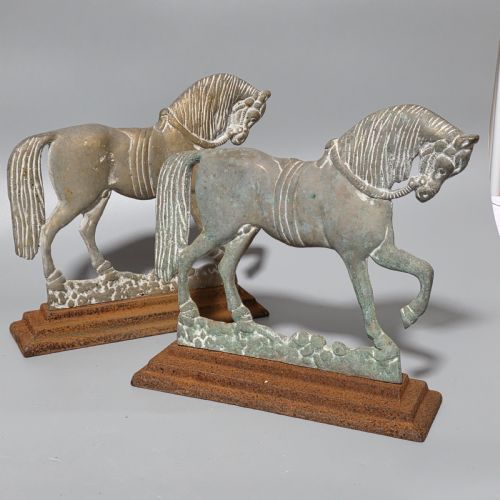
A heavy metal doorstop is a functional item designed to keep doors stationary, appearing on this page in nineteenth century and Victorian formats. The forms recorded include lions, horses, and standard porters.
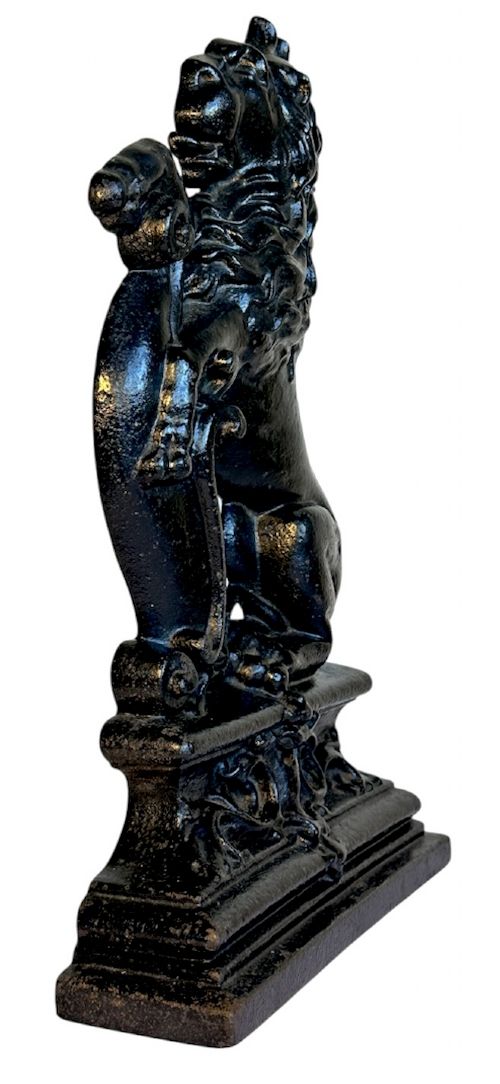
Buyers meet cast iron and brass versions frequently, often shaped as figurative door keepers or rampant lions. These pieces originate primarily from English workshops of the eighteen fifties to eighteen nineties.
Materials and construction
These items rely on cast iron and brass, utilised for their substantial weight and durability. The manufacturing process involves pouring molten metal into moulds to create solid figures and porters.
Metalworking techniques of the period produced thick, heavy castings capable of withstanding daily use. Finished items combine iron and brass components to achieve structural stability.
Retail Price Guide 2026
Typical UK retail prices for heavy metal doorstop, calculated from the Sellingantiques database of over a million retail prices indexed since 2003. This retail price guide relies exclusively on Sellingantiques data; no external sources or auction records are used, so the figures do not describe the wider market.
Listings feature nineteenth century items constructed from cast iron and brass in Victorian styles.
Judging quality and character
The integration of brass elements alongside iron adds a layer of refinement to the construction. Quality rests in the heaviness of the metal and the fidelity of the nineteenth century form.
The Heavy Metal Doorstop Glossary
- Door porter
- A heavy movable weight used to keep an interior door open, often featuring a handle or top loop for lifting.
- Cast iron
- An iron-carbon alloy poured into a mould to form solid shapes, providing the primary weight for these items.
- Figurative
- Representing a human or animal form, as seen in the lion and horse designs.
- Victorian
- The period of Queen Victoria's reign, aligning with the nineteenth century dating of these metal pieces.
Frequently Asked Questions
How heavy is a cast iron doorstop?
These pieces possess substantial physical weight derived from solid cast iron and brass construction. This mass ensures the object holds heavy interior doors securely in place without sliding.
Weight varies depending on the specific size and figurative design of the porter.
Are these doorstops English in origin?
The recorded items include English nineteenth century pieces fashioned from cast iron and brass. Makers in England produced these utilitarian objects during the Victorian era.
Provenance is indicated by the traditional forms and metalworking methods characteristic of the period.
What animals appear on these doorstops?
Lions and horses are the primary animal figures represented in this selection of metal doorstops. These motifs reflect popular Victorian taste for figurative cast iron accessories.
Examples include rampant lions and horse doorstops dated to the nineteenth century.
How do I care for cast iron?
Cast iron requires minimal maintenance beyond keeping the metal dry and free from moisture accumulation. Gentle dusting preserves the surface condition of the antique material.
Avoid harsh chemical cleaners that might alter the aged finish of the iron and brass.