
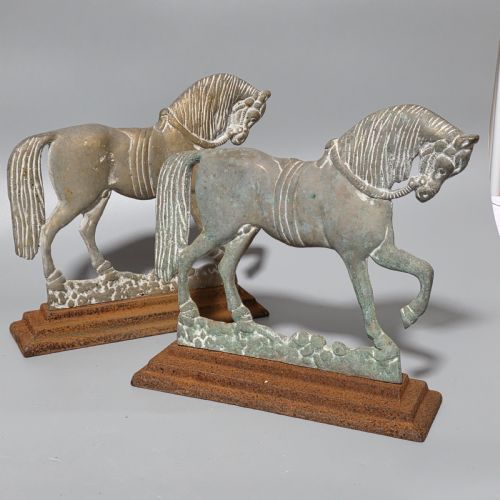


19th Century Doorstop
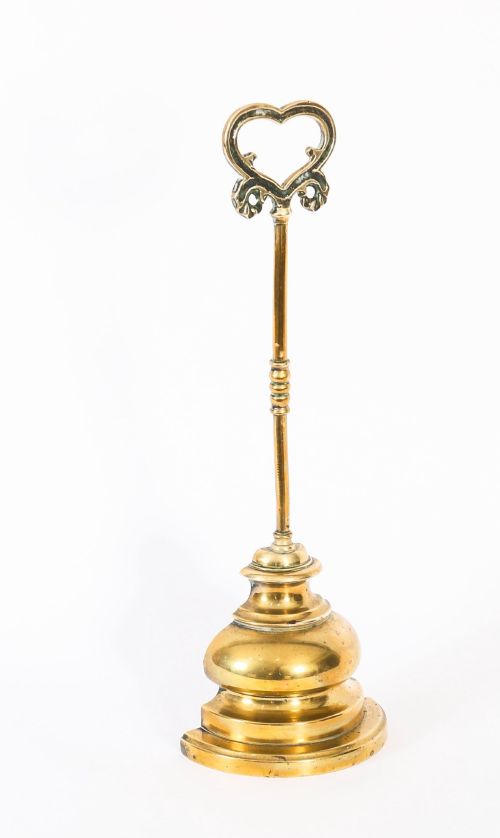
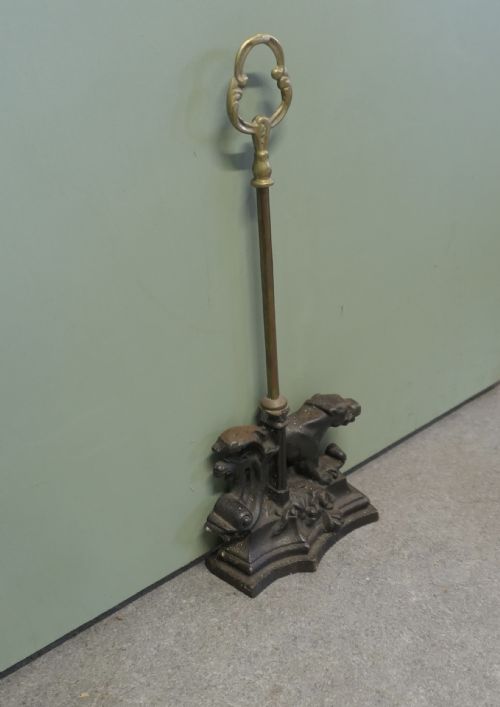
A 19th century doorstop keeps heavy period doors open with genuine weight and character.
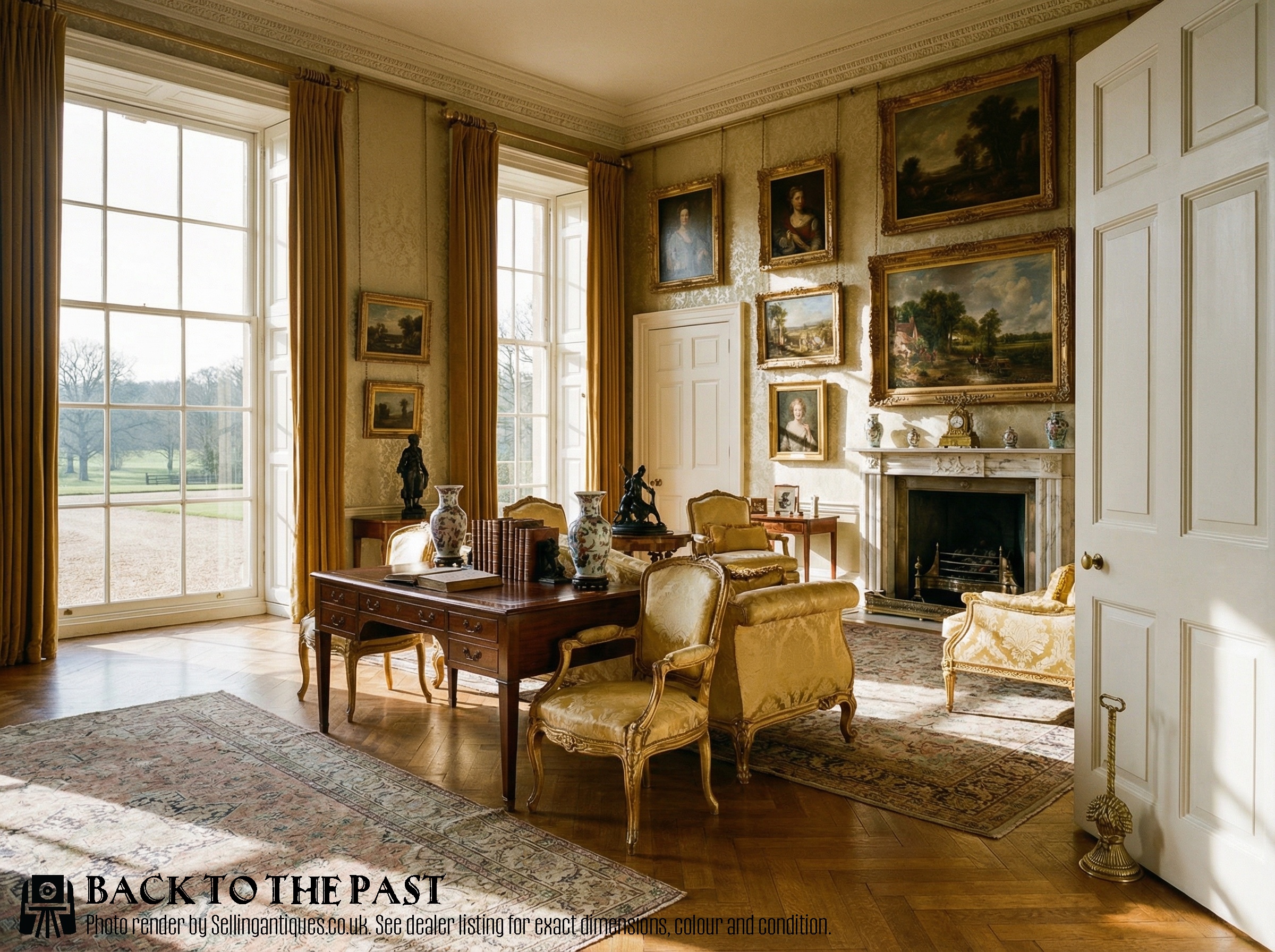
19th Century Doorstop
When you search for a 19th century doorstop, you encounter heavy functional objects designed to hold internal doors open against draughts. These pieces originate predominantly from the Victorian era, alongside earlier Regency examples.
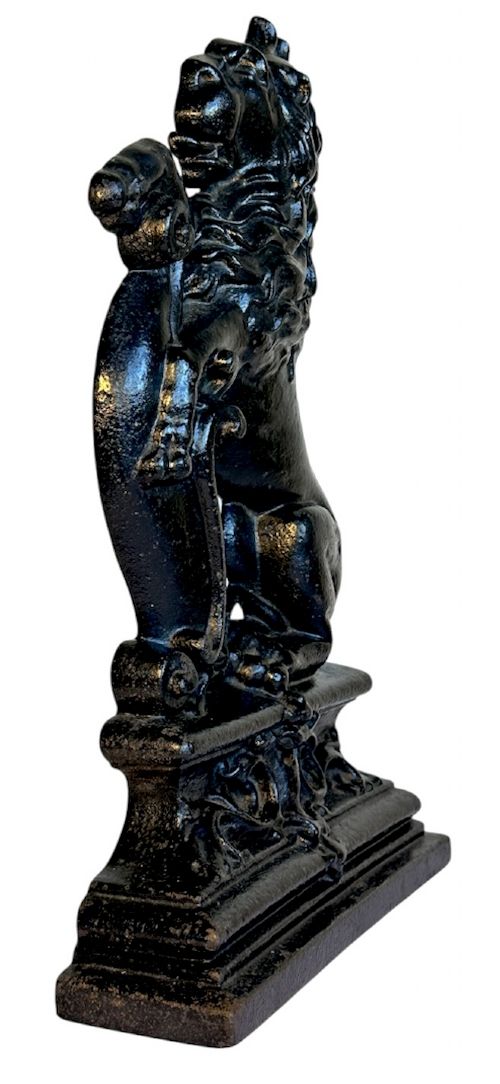
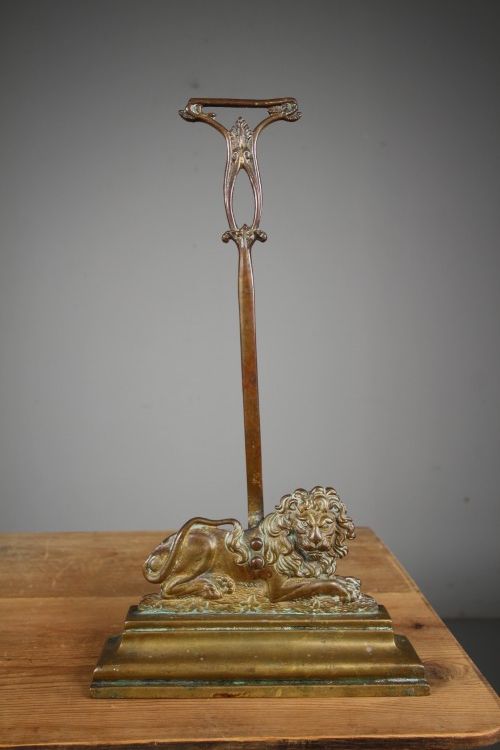
The most common form on this page is the cast iron or brass lion, often depicted rampant or standing guard. Other frequent subjects include horses, dogs, and figures such as Mr Punch.
Beyond standard door porters, the inventory includes figurative sculptures and related lead-weighted utilitarian forms. These items served a purely domestic purpose in large houses with heavy timber doors.
What varies in quality
Substance and proportion also dictate value, with heavier bronze and thick brass examples outperforming lighter utilitarian pieces. Original surface patination and surviving early paint layers separate untouched examples from later restorations.
19th Century Doorstop Retail Price Guide 2026
Typical asking prices for 19th century doorstop among the pieces listed under this phrase on Sellingantiques today, from the lower quarter to the upper quarter. They describe what is for sale here now, not the wider market.
Design styles span standard Victorian utility, Regency classical motifs, and Egyptian Revival pieces.
Kenrick
The 19th Century Doorstop Glossary
- Door porter
- An alternative term for a heavy doorstop designed to be lifted by a handle or top grip. These portable weights stood against doors rather than fixing to the floor.
- Rampant
- A heraldic posture showing an animal standing on one hind leg with forelegs raised. This stance appears frequently on cast iron lion doorstops.
- Sulphide
- A small white ceramic plaque embedded inside decorative glass items. They appear in related heavy glass paperweights from the period.
- Egyptian Revival
- A nineteenth-century design style incorporating motifs from ancient Egypt. Sphinx figures serve as notable examples within this category.
- Andiron
- A horizontal metal support used in fireplaces, though heavier cast examples occasionally double in function. These share manufacturing techniques with door porters.
19th Century Doorstop: Frequently Asked Questions
How heavy are these doorstops?
Most examples weigh several kilograms to ensure they can hold open heavy interior doors without sliding.
Their substantial mass comes from solid cast iron, bronze, or weighted brass construction.
Can I use them on modern doors?
These pieces function effectively on modern doors provided there is sufficient clearance beneath the sweep.
Their considerable weight holds fast against standard domestic draughts.
How do I clean cast iron?
Dust surfaces gently with a dry cloth and avoid harsh chemical cleaners that strip original finishes.
Preserving the aged surface patina maintains the character of the metal.
Were they used in pairs?
Some designs, particularly horses and dogs, appear as matching pairs intended for wide double doors.
Single figures usually sufficed for standard room entrances.