




Brass Handle Doorstop
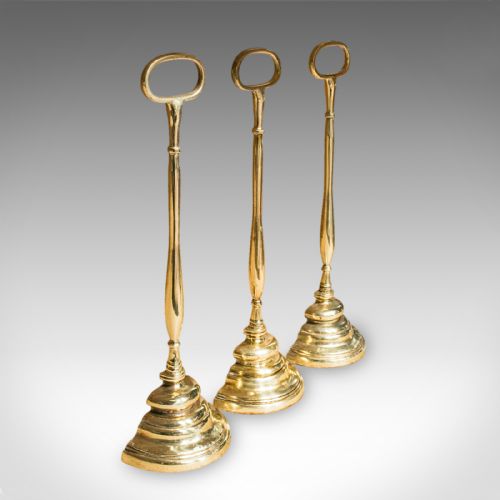
These brass handle doorstop examples keep heavy doors firmly in place while adding period character to a hallway.
Brass Handle Doorstop
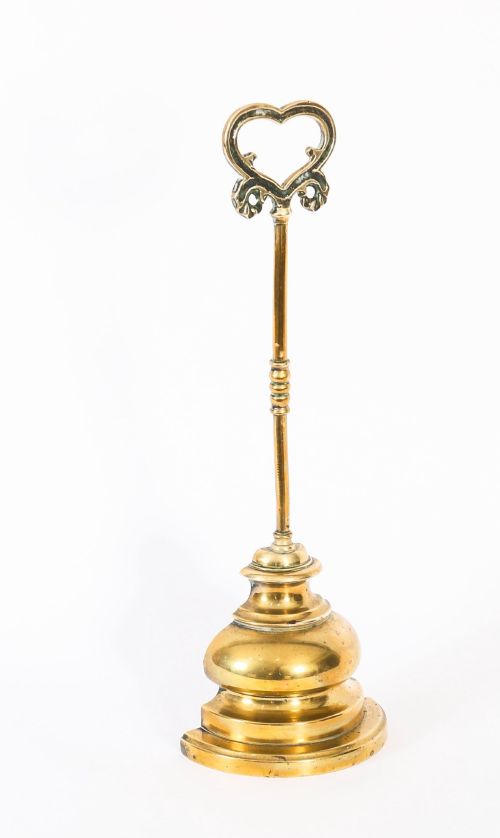
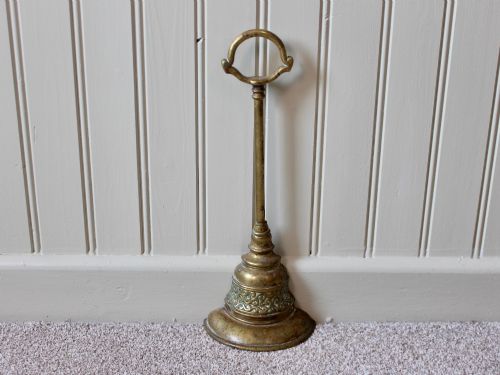
A brass handle doorstop serves as a functional weight for keeping interior doors open, frequently taking the form of a portable door porter with an integrated grip at the top. When buyers search for a brass handle doorstop, they encounter heavy floor pieces designed to be lifted easily by a top handle.
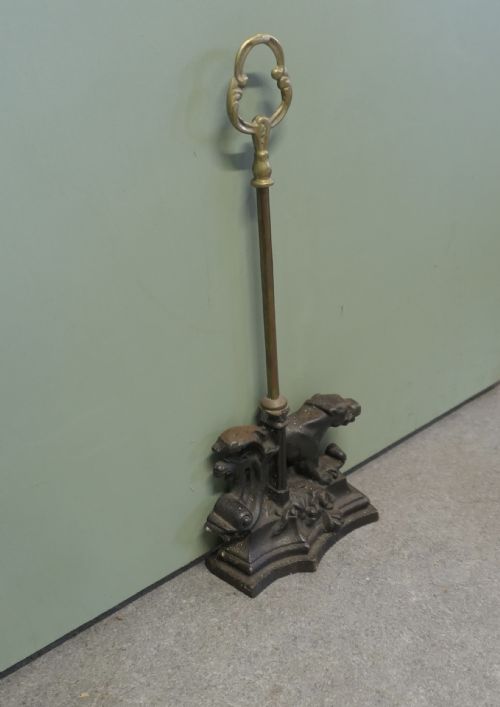
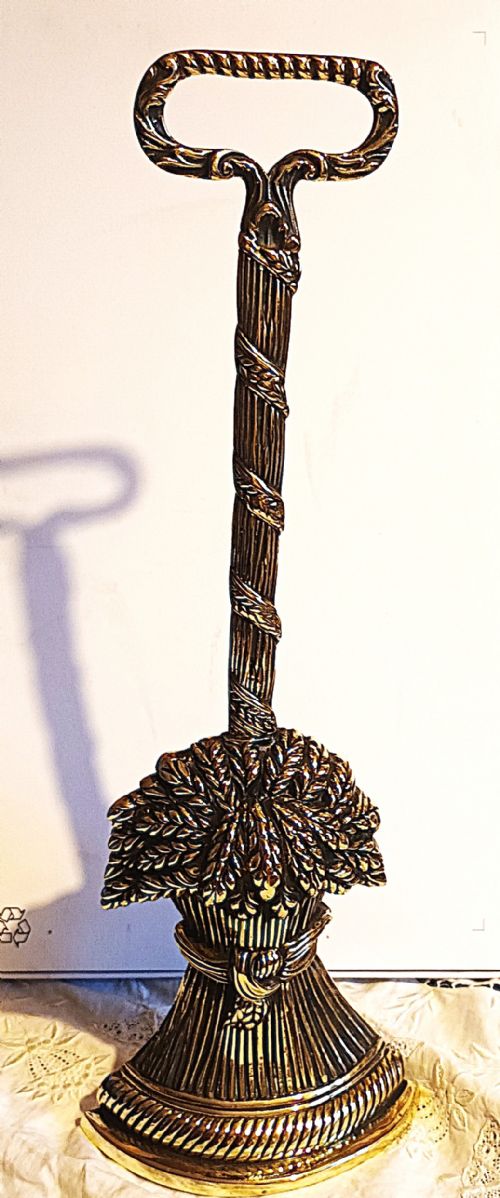
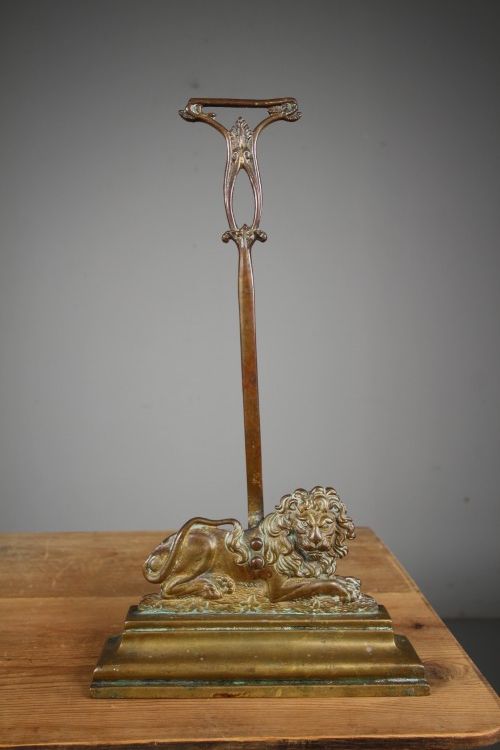
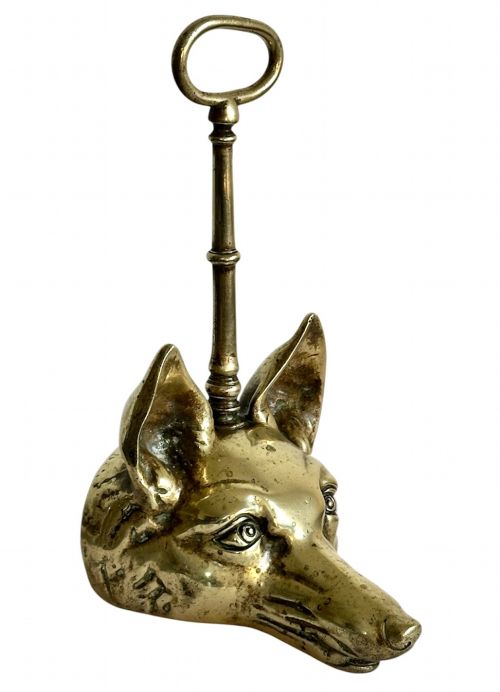
The selections on this page span the nineteenth century, including Victorian and Edwardian examples alongside earlier Georgian and Regency designs. These pieces often feature sculptural figures, animal motifs such as lions or foxes, and traditional porter shapes intended for daily domestic use.
Materials and construction methods
Foundries utilised cast brass and cast iron to create durable bodies capable of holding heavy doors. Molten metal was poured into moulds to form detailed figural motifs, geometric porter shapes, and sturdy handles.
Many heavy weights incorporated lead or iron internals to add sufficient mass for holding large doors. Bases were occasionally weighted with denser materials like granite or paired with other heavy items such as Scottish curling stones.
Heavy Scottish curling stones occasionally double as functional floor stops, proving that winter sports equipment makes surprisingly effective hallway furniture.
Factors influencing quality
The choice of primary metal and the presence of a substantial, weighted base separates standard utility stops from superior decorative door porters. Heavier casts using thick brass or iron plates provide better longevity and stability.
William Tonks
The Brass Handle Doorstop Glossary
- Door porter
- A heavy portable weight with an upright handle used specifically for keeping doors propped open. These tall pieces allow users to move the stop without bending down to the floor.
- Cast brass
- Molten brass poured into a mould to create solid decorative objects. This technique enables intricate surface detail and a polished metallic finish.
- Regency
- A British design period spanning the early nineteenth century known for classical restraint and elegant proportions. Pieces from this era often display refined neoclassical styling.
- Curling stone
- A heavy rounded granite stone traditionally used in Scottish ice sports. These dense items occasionally serve alternative heavy utilitarian functions as floor stops.
Brass Handle Doorstop: Frequently Asked Questions
What is a brass handle doorstop?
A brass handle doorstop is a weighted floor object featuring an upper grip for easy lifting. It is designed to hold heavy doors open in hallways and rooms.
These pieces combine utilitarian weight with decorative metalwork, often taking the shape of figural porters or animal motifs.
How do I date a door porter?
Dating involves examining the casting style, motifs, and material combinations typical of periods like the Georgian, Victorian, or Edwardian eras. Finer neoclassical details often indicate earlier nineteenth-century origins.
Maker marks, where present, help pinpoint specific Victorian production years and foundry origins.
Are these doorstops heavy enough for large doors?
Most pieces utilise dense metals like cast brass, iron, or internal lead weighting to ensure they remain stable against heavy doors. Their substantial mass prevents them from sliding when holding open doors with strong draughts.
Certain examples also incorporate granite or heavy stone bases for extra stability.
How should I clean antique brass?
Antique brass benefits from gentle dusting and minimal interference to preserve its natural historic patina. Avoid harsh abrasive cleaners that strip the surface character built up over centuries.
A soft dry cloth is usually sufficient for regular maintenance of displayed pieces.