



Vintage Door Stop
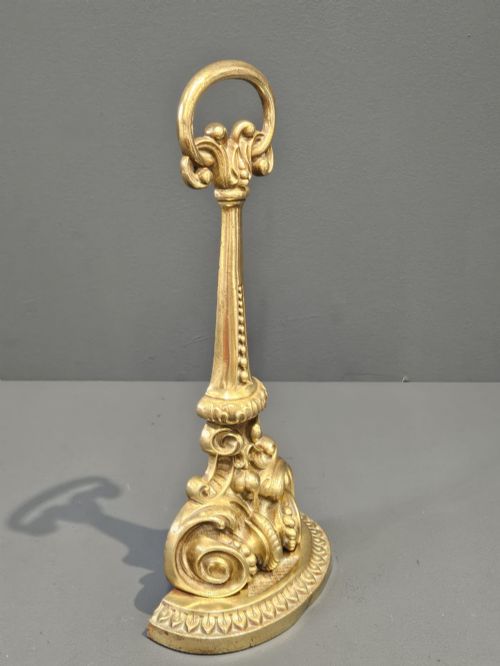
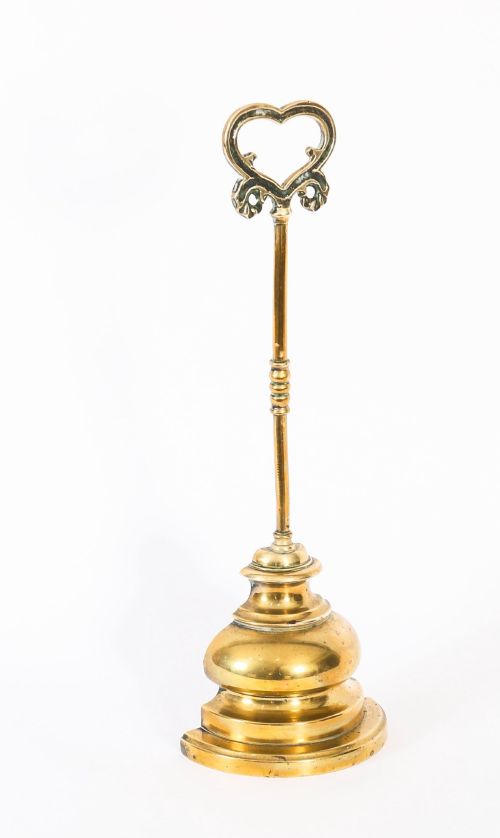
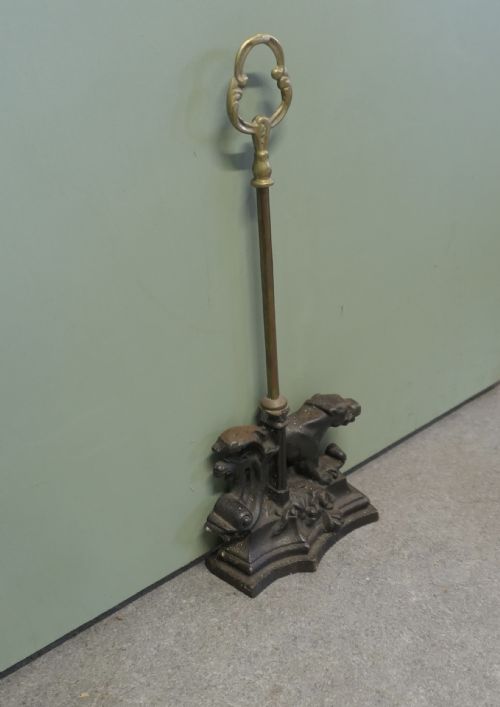
These vintage door stop pieces keep heavy doors open while bringing sculptural character to a room.
Vintage Door Stop
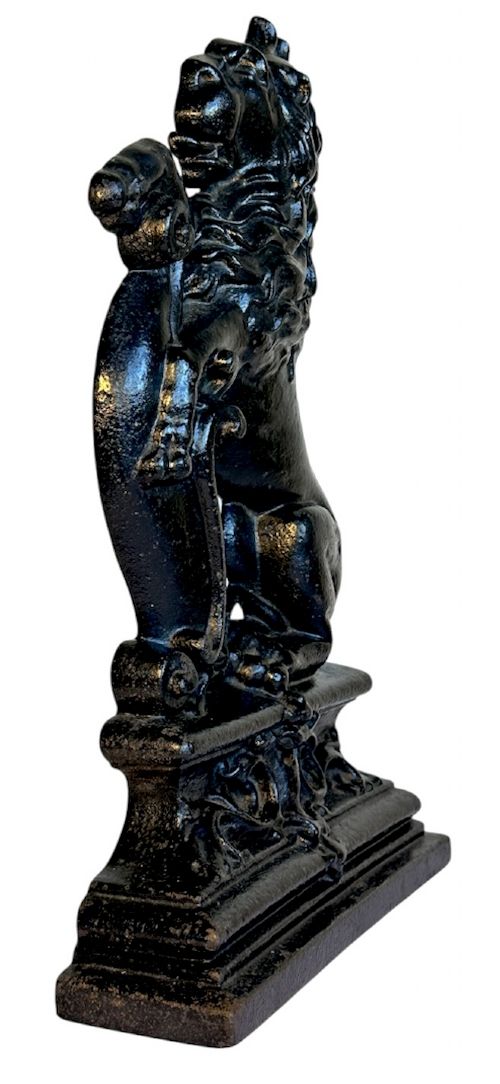
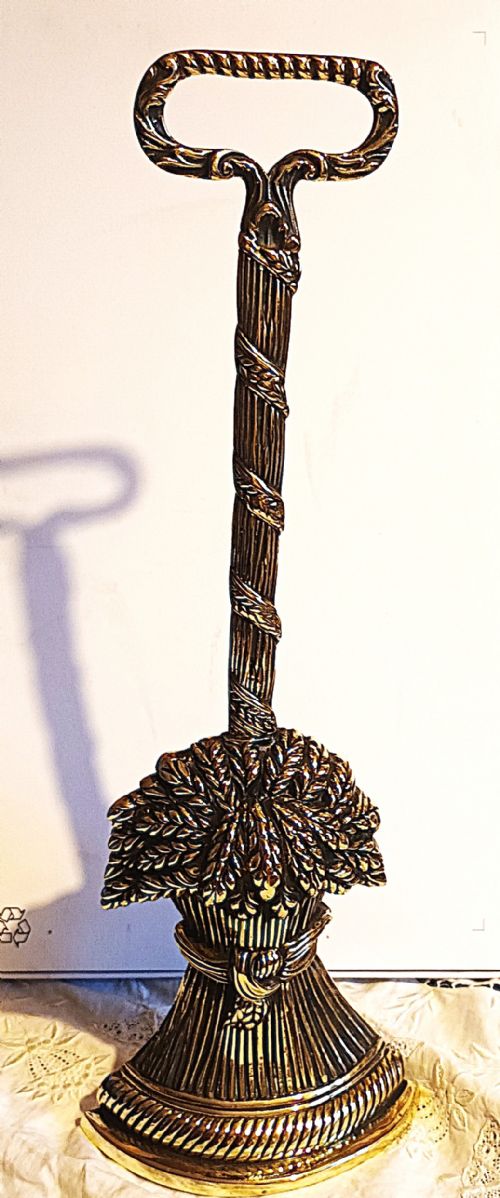
A vintage door stop functions as a heavy, weighted object designed to hold interior doors open against drafts. When exploring this selection, buyers encounter cast metal figures and heavy utilitarian guards originating from the Victorian, Edwardian, and Georgian eras.
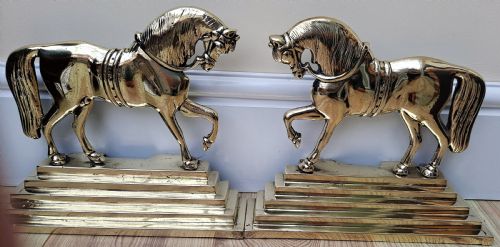
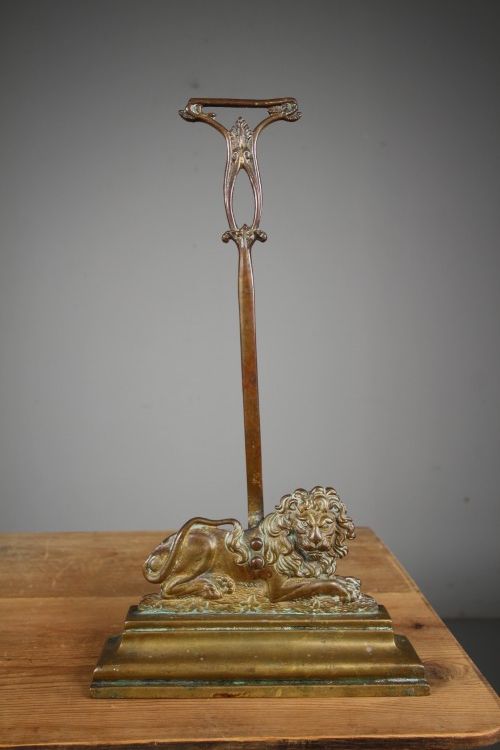
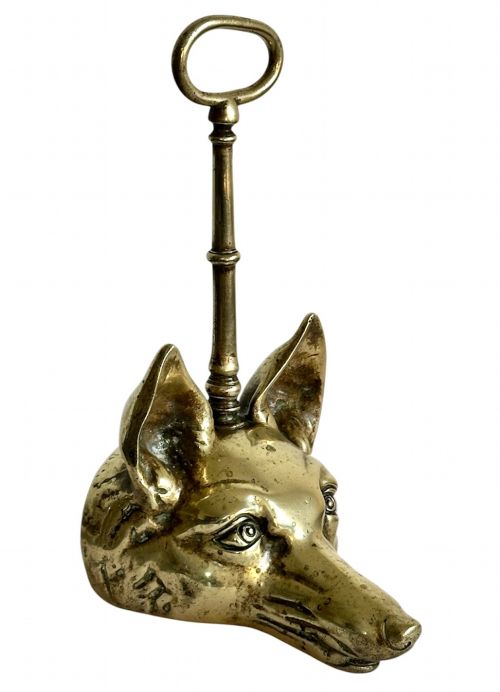
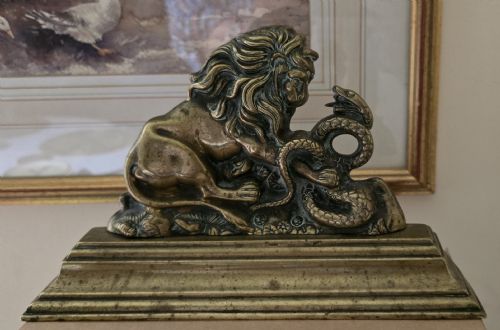
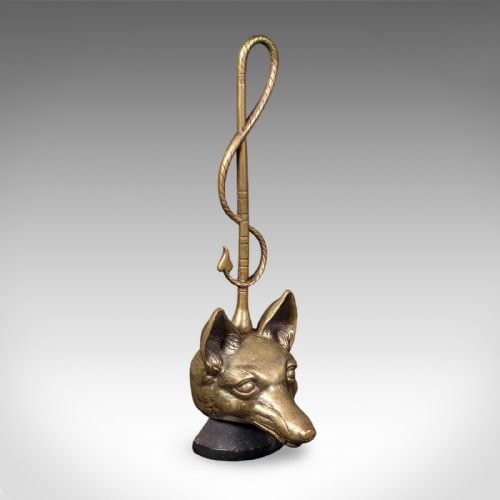
The most common formats on this page include figural representations cast in iron or brass, taking the shape of lions, dogs, horses, and characters such as Mr Punch and Lord Nelson. These pieces frequently double as decorative figures when not actively holding back a heavy timber door.
Materials and Casting Methods
Heavier iterations utilise lead or dense plaster cores, while rarer variations incorporate bronze or are formed as matching pairs designed to anchor wide double doors in English country houses.
Listings feature items spanning the Georgian, Victorian, and Edwardian periods, constructed from cast iron, brass, lead, and plaster.
Assessing Fine Examples
Original surface treatments, such as unpolished patination or early painted finishes, elevate the desirability of a piece compared to later chemical stripping or modern repainting.
Tonks
The Vintage Door Stop Glossary
- Door porter
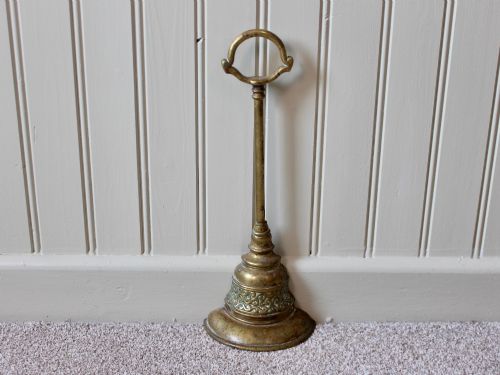
- An alternative term for a heavy door stop, often featuring an upright handle for easy lifting.
- Patina
- The surface ageing and oxidation accumulated on metal over decades of exposure and handling. This natural finish confirms the true age of brass and iron objects.
- Figural
- Describing an object shaped into the form of a human, animal, or character rather than a purely geometric shape. These sculptural items dominate country house interiors.
- Casting
- The manufacturing process of pouring molten metal into a mould. Metalworkers used sand moulds to produce these heavy utilitarian items.
Vintage Door Stop: Frequently Asked Questions
How heavy are these vintage door stops?
Most pieces possess substantial weight derived from solid cast iron or brass construction, allowing them to hold heavy interior doors firmly in place.
Smaller examples weigh a few kilogrammes, while larger figures and double door pairs require greater effort to lift.
Where were these pieces used originally?
These items served functional roles in grand hallways, drawing rooms, and bedrooms of period homes to prevent heavy doors from slamming in draughty corridors.
Today, owners utilise them in similar domestic settings to combine practical utility with traditional decorative appeal.
Can I clean cast brass door stops?
Gentle dusting or wiping with a soft cloth preserves the historic surface without stripping away the accumulated patina that collectors value.
Avoid harsh chemical metal polishes that remove subtle casting details and create an overly bright, modern shine.
How do I identify a Victorian piece?
Victorian examples frequently display specific animal and character motifs like lions, dogs, and Mr Punch alongside robust iron or brass construction.
Examining the underside for casting seams and natural wear patterns helps confirm nineteenth-century production methods.