


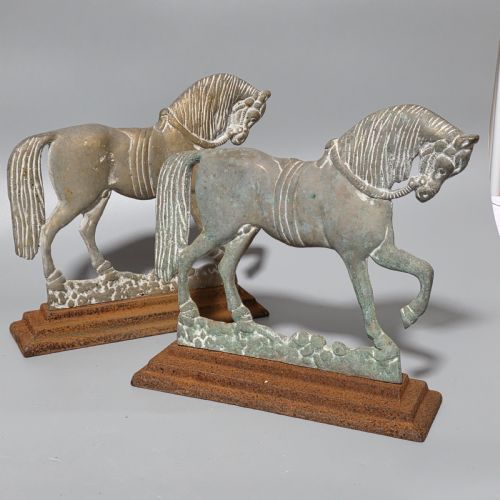


Antique Iron Doorstop
These heavy metal weights are antique iron doorstops, made to hold heavy doors open with a sturdy presence.
What They Are
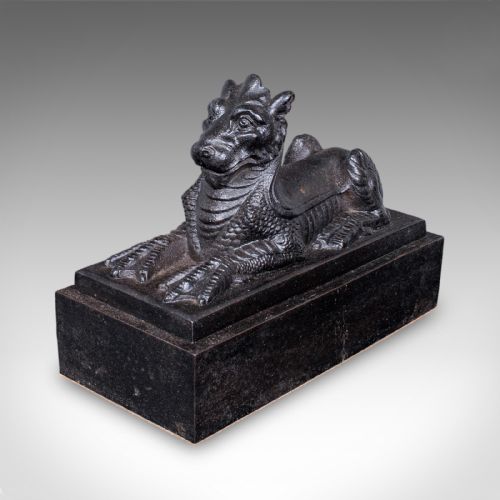
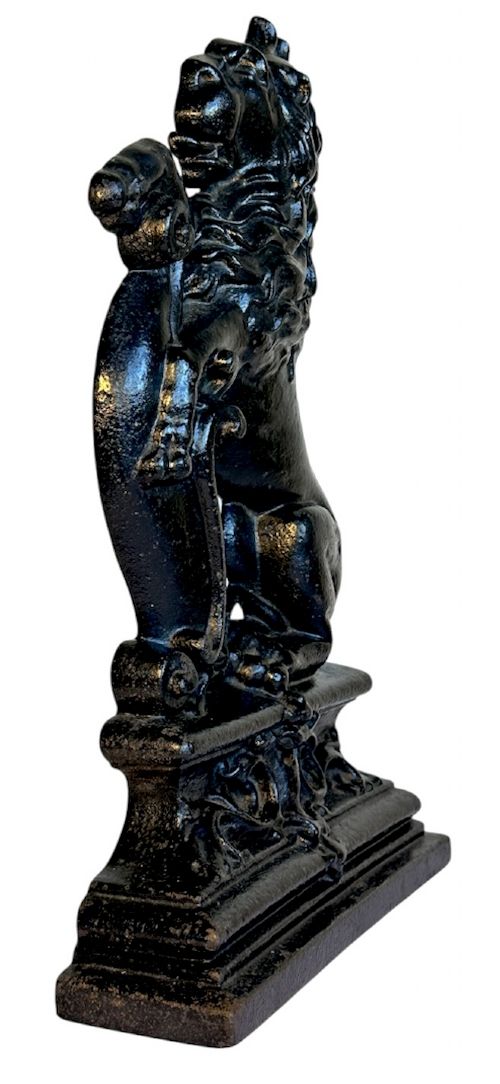
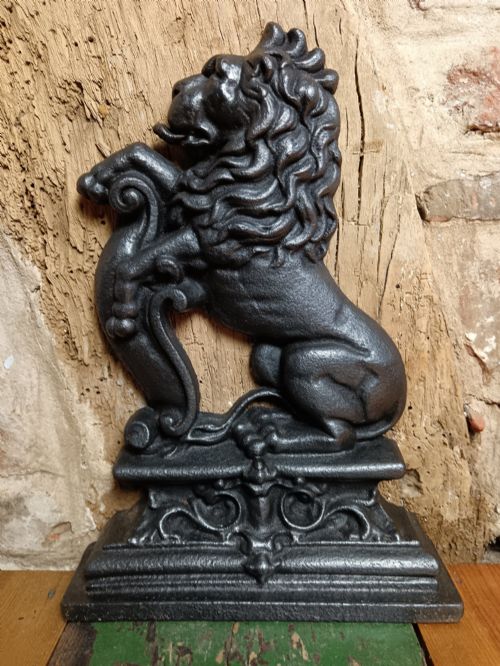
An antique iron doorstop is a functional heavy object designed to keep doors stationary, appearing frequently as figural animals or heraldic motifs from the nineteenth century. Buyers searching this phrase encounter substantial Victorian pieces shaped as lions, frogs, fish, dogs, and characters such as Mr Punch.
The selection on this page centres on British items produced during the Victorian era and the broader nineteenth century. These utilitarian items served a daily purpose in hallways and reception rooms before becoming decorative items for modern interiors.
How They Were Made
The manufacturing process relies on traditional foundry techniques from the nineteenth century, resulting in robust objects with substantial weight. Makers utilised simple two-part moulds, leaving characteristic casting seams and rough interior surfaces beneath the decorative exterior.
Retail Price Guide 2026
Typical UK retail prices for iron doorstop, calculated from the Sellingantiques database of over a million retail prices indexed since 2003. This retail price guide relies exclusively on Sellingantiques data; no external sources or auction records are used, so the figures do not describe the wider market.
Animal forms dominate the recorded archive, featuring lions, frogs, dogs, sheep, and fish.
What Varies in Quality
Quality in these items rests upon the crispness of the cast and the sculptural detail of the subject matter, distinguishing finely rendered animal forms from softer, worn castings. The preservation of original painted surfaces also plays a significant role in the distinction between standard utilitarian examples and finer decorative pieces.
Kenrick
The Antique Iron Doorstop Glossary
- Cast iron
- A strong, heavy alloy of iron and carbon poured into moulds while molten. It provides the essential weight needed to hold heavy doors open.
- Door porter
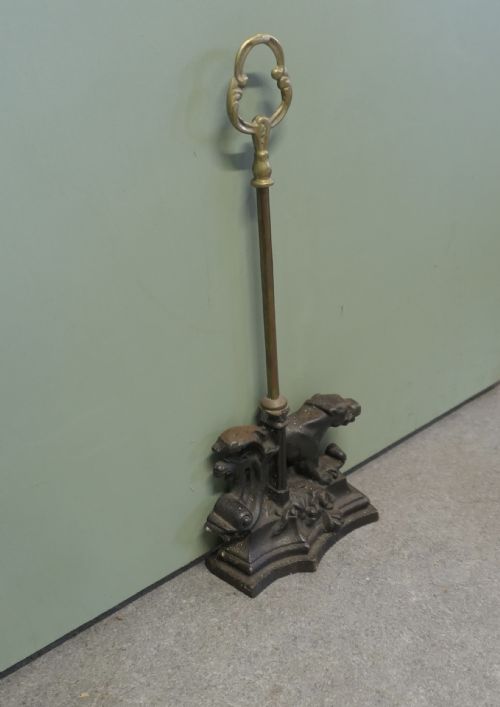
- An alternative term for a doorstop, often featuring a vertical handle or shape designed to be lifted easily. These items were positioned in grand hallways.
- Rampant
- A heraldic term describing an animal depicted standing on its hind legs with forelegs raised. Lions in this posture form a common motif for these nineteenth-century weights.
- Figural
- Representing a human or animal form rather than a purely geometric or abstract shape. Many pieces adopt this sculptural approach to disguise a heavy utility object.
Frequently Asked Questions
What is an antique iron doorstop?
An antique iron doorstop is a heavy cast metal object used historically to prop interior doors open in large homes. They combine utilitarian weight with decorative sculptural forms.
Most examples date from the nineteenth century and take the shape of animals, heraldic symbols, or popular characters from the period.
How were doorstops used?
These pieces were placed on the floor next to heavy timber doors to prevent them from slamming shut in draughty hallways and reception rooms. Their substantial weight kept them firmly in position during daily household use.
Servants moved them between rooms as needed, making them both mobile tools and prominent decorative accessories in domestic interiors.
How do I clean an iron doorstop?
Cleaning should be limited to gentle dusting with a dry cloth to preserve any surviving original paint or surface patina. Moisture can cause rust to form on exposed iron surfaces.
Avoid chemical polishes or abrasive pads, as these can strip away historical finishes and alter the appearance of the metal.
Are these pieces solid iron?
The pieces recorded here are formed from cast iron, poured into foundry moulds to create heavy, solid objects. This material choice ensures the high density required for holding doors.
Some items may incorporate brass elements or retain layers of historic paint applied over the iron base.