



Heraldic Lion Ornament
These heraldic lion ornament pieces bring enduring sculptural presence to an interior or garden, offering the classic symbolism of strength through centuries of British craftsmanship.
Heraldic Lion Ornament
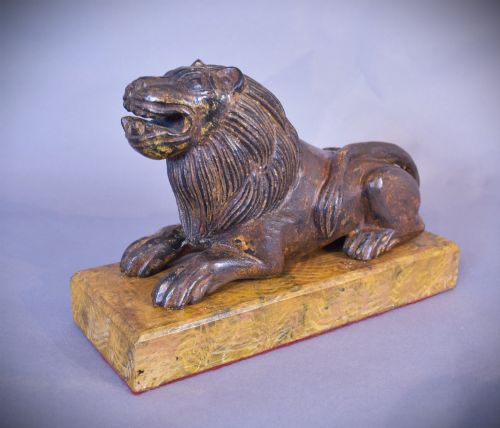
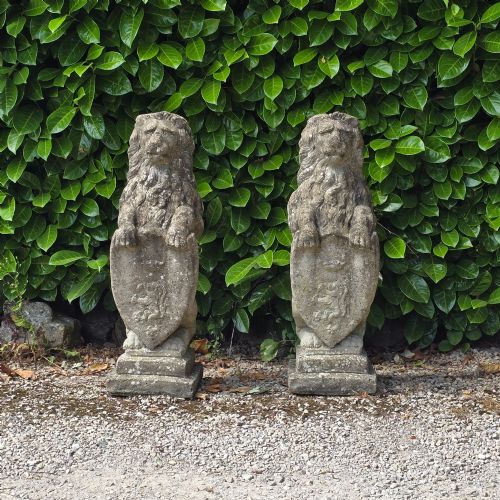
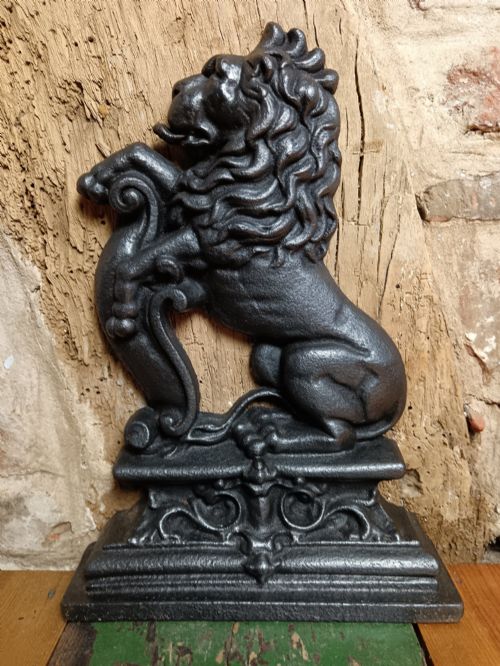
When searching for a heraldic lion ornament, collectors encounter a diverse range of sculptural forms designed for both interior utility and exterior display. The selection spans distinct periods from the seventeenth century through to the mid twentieth century, reflecting shifting tastes in British design.
Domestic interiors frequently feature functional items such as cast iron doorstops and door porters, alongside giltwood decorative ornaments from the Georgian era. Garden settings typically showcase larger weather-resistant sculptures, including pairs of seated lions on plinths and gate finials.
The materials vary widely across the inventory, encompassing carved wood, cast iron, reconstituted stone, and earthenware figures with traditional glaze and paint. Traditional architectural styles and classical revival influences dominate the aesthetic of these sturdy figures.
How they were made
Makers utilised traditional casting techniques for metal items, pouring molten iron into durable moulds to create heavy doorstops and door porters intended for daily domestic use. Bronze and cast iron components often received protective or decorative surface treatments including paint or gilding.
Woodcarvers shaped pieces like the mid Georgian decorative ornaments from solid timber, applying gilt over preparatory layers to achieve a rich metallic sheen. Stone and reconstituted stone garden figures relied on skilled masonry and moulding methods to withstand weathering outdoors.
Heraldic Lion Ornament Retail Price Guide 2026
Typical asking prices for heraldic lion ornament among the pieces listed under this phrase on Sellingantiques today, from the lower quarter to the upper quarter. They describe what is for sale here now, not the wider market.
What varies in quality
Surface preservation significantly influences the character of each piece, whether through the honest patination of weathered outdoor stone or the intact application of historic paint and gilt. The integrity of the material foundation, from dense timber to heavy iron, dictates the long-term durability of the ornament.
The Heraldic Lion Ornament Glossary
- Doorstop
- A heavy moveable weight designed to keep a door open, often cast in iron or bronze in figurative shapes. These practical objects doubled as decorative sculptures in nineteenth-century hallways.
- Finial
- A decorative architectural ornament that terminates the top of a gatepost, pier, or architectural feature. Pairs of these carved stones or metal castings frame entrances.
- Giltwood
- Timber that has been coated with a thin layer of gold leaf or powder. This technique elevated carved ornaments in formal Georgian interiors.
- Reconstituted stone
- A composite material made from crushed stone bound with cement and cast in a mould. It provides a durable alternative to natural carved stone for garden statuary.
Heraldic Lion Ornament: Frequently Asked Questions
Where should I place a heavy doorstop?
Cast iron and bronze doorstops function best in busy hallways where their considerable weight easily restrains heavy interior doors.
Position them against the baseboard so the sculpted figure remains visible as a decorative feature when not actively holding a door.
How do I care for outdoor stone figures?
Reconstituted and natural stone garden ornaments endure external weathering naturally without requiring aggressive cleaning.
Allow benign weathering and moss growth to develop patination, as scrubbing removes the historic character that collectors value.
What is the difference between a finial and a statue?
Post finials are specifically engineered with flat bases or fixing points to mount securely atop architectural gate piers or boundary walls.
Freestanding statues and garden statuary rest directly on the ground or on dedicated stone plinths rather than capping a structural post.