




Black Cast Iron Lion
A black cast iron lion brings sculptural weight and heraldic presence to an interior, whether cast as a heavy doorstop or a hearth accessory.
Black Cast Iron Lion
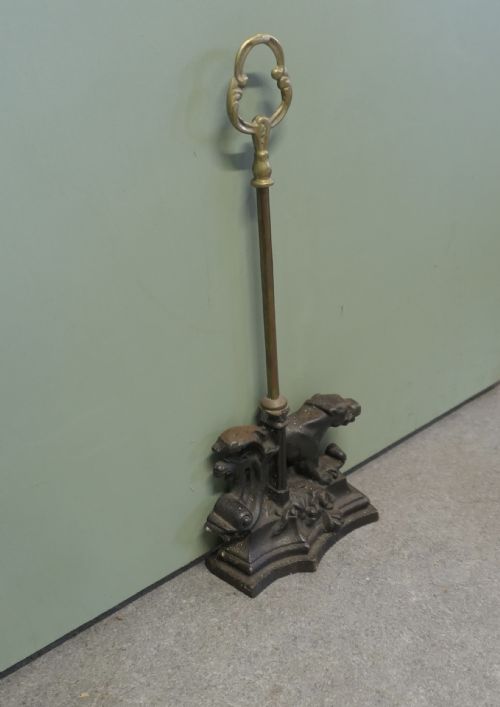
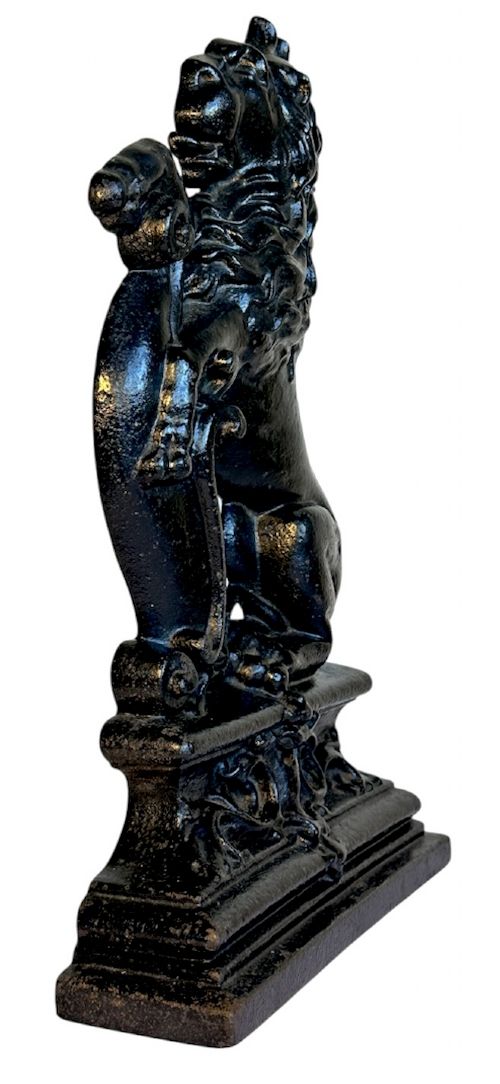
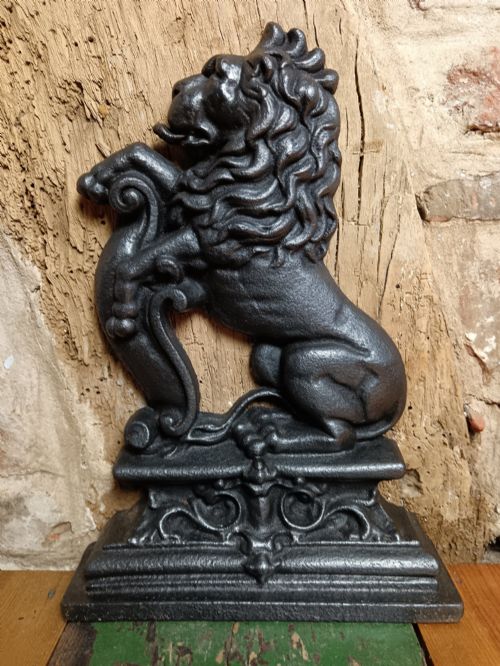
A black cast iron lion most commonly takes the form of a heavy doorstop or door porter, rendered in a rampant pose to hold doors firm. These domestic ironmongery items date predominantly from the Victorian period, serving practical household needs with bold sculptural authority.
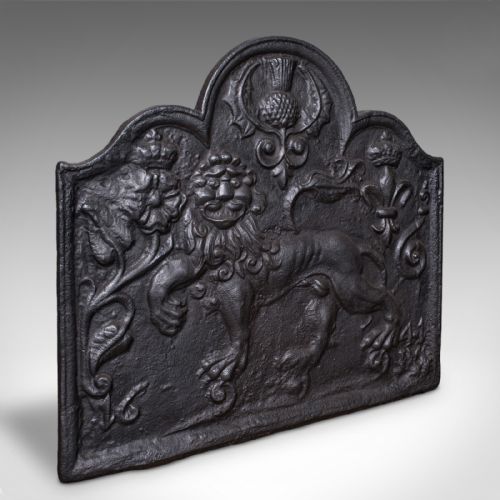
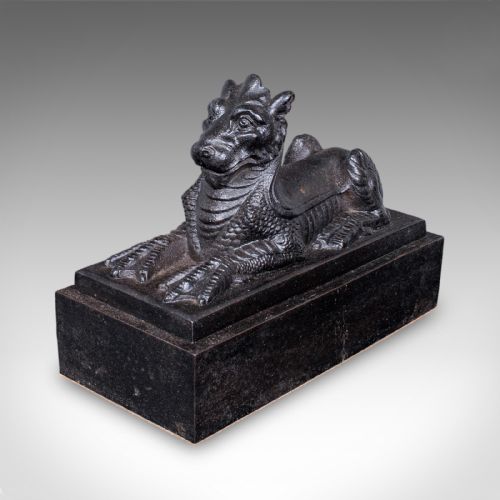
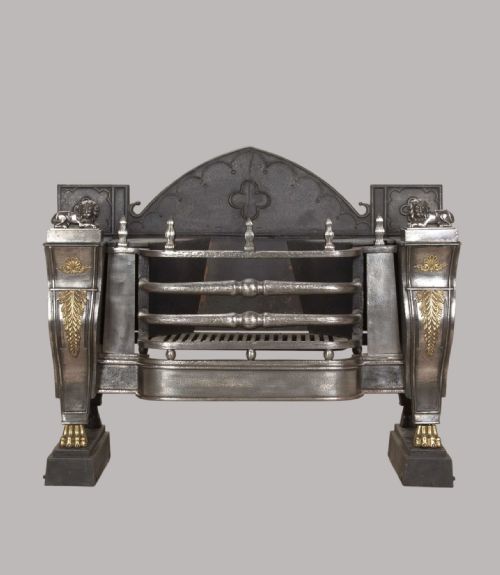
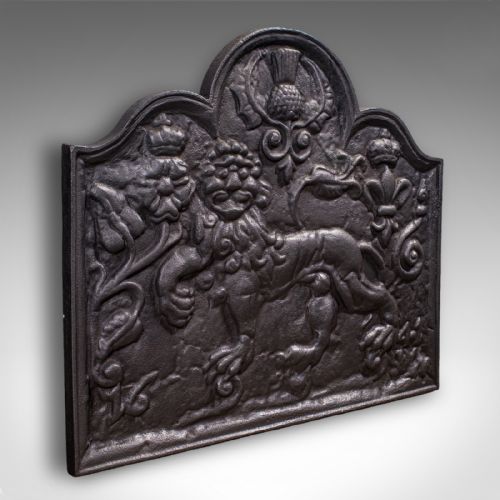
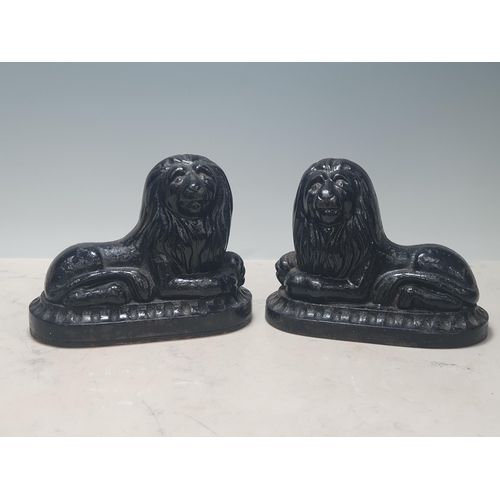
Beyond doorstops, the inventory includes hearth furniture such as firebacks, fire grates, and andirons bearing lion motifs. Other functional items include boot scrapers, door knockers, decorative sculptures, and coffee table bases shaped from the same durable metal.
The pieces span the nineteenth century, from Regency classical designs through Victorian Gothic Revival interpretations up to the nineteen-twenties. English manufacture predominates, utilising iron casting techniques refined across the industrial era.
Materials and casting methods
Molten iron is poured into sand moulds to capture the fine relief details of the lion's mane, muscular frame, and heraldic stance. This casting process allows for sharp definition in heavy metal objects designed to withstand daily domestic use.
Surfaces are frequently finished with black paint or retained in raw iron, sometimes paired with brass components, wrought iron framework, or marble elements in larger furniture bases.
Materials recorded across the inventory include cast iron, wrought iron, brass, paint, and marble used in architectural and fireplace accessories.
Quality variations in iron lion castings
Original surface preservation and structural integrity also separate standard utilitarian items from finer decorative examples. Weight and balance matter considerably in functional pieces like doorstops and fire grates.
The Black Cast Iron Lion Glossary
- Cast iron
- An iron-carbon alloy poured into a mould in a liquid state. This material forms the primary body of these doorstops, firebacks, and grates.
- Rampant
- A heraldic term describing an animal standing on its hind legs with forepaws elevated. This pose defines the majority of the lion doorstops on the page.
- Fireback
- A heavy iron plate placed at the back of an open fireplace to reflect heat and protect the masonry. Many feature relief castings of lions and armorial themes.
- Andirons
- Horizontal metal bars supported by legs, used in pairs to hold logs in an open fireplace. They frequently incorporate decorative iron terminals.
- Boot scraper
- A fixed iron blade or scraper mounted near an entrance to clean mud from footwear. They often feature cast animal figures as part of their structural mount.
Black Cast Iron Lion: Frequently Asked Questions
What were iron lion doorstops used for?
These heavy iron figures served the practical purpose of propping interior doors open against drafts in large houses. Their substantial weight kept heavy timber doors securely in place.
Over time, their decorative heraldic qualities made them popular ornaments in hallways and studies, combining utility with Victorian interior styling.
How do I care for a cast iron lion?
Keep the iron clean from dust and moisture using a dry cloth to prevent surface oxidation. Avoid using harsh chemical cleaners that might strip the historic black finish.
Applying a light coat of microcrystalline wax can help protect the surface of pieces kept indoors. Ensure they rest on stable surfaces due to their considerable weight.
How can I tell a Victorian piece from later ones?
Victorian castings typically exhibit sharper relief work and greater weight consistency compared to twentieth-century reproductions. Examining the wear patterns on the base and the texture of the iron provides clues to age.
Stylistic markers such as Gothic Revival detailing or Regency classical proportions also help place the object within the nineteenth-century timeline.
Where should I place a cast iron lion in my home?
A heavy doorstop or boot scraper functions well in an entrance hall or mudroom, retaining its original domestic purpose. Smaller sculptures and fire accessories suit fireplace hearths and living spaces.
Their dark metal finish pairs well with stone, timber, and brick surrounds, adding a strong sculptural element to period and contemporary interiors alike.