




Black Iron Door Weight
These black iron door weight examples, better known as doorstops, keep your heavy interior doors firmly held open while bringing substantial sculptural character to a room.
Black Iron Door Weight
When you search for a black iron door weight, you encounter heavy functional pieces designed to prop open heavy doors against draughts. The majority of these examples hail from the Victorian period, alongside a few pieces from the Regency and Edwardian eras.
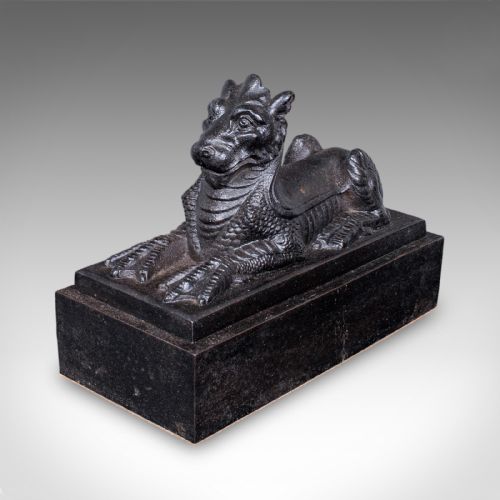
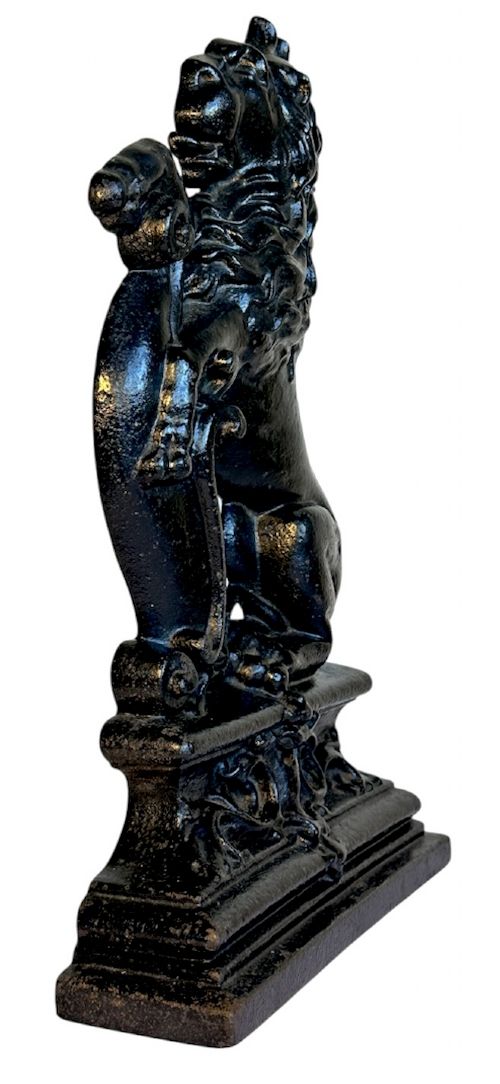
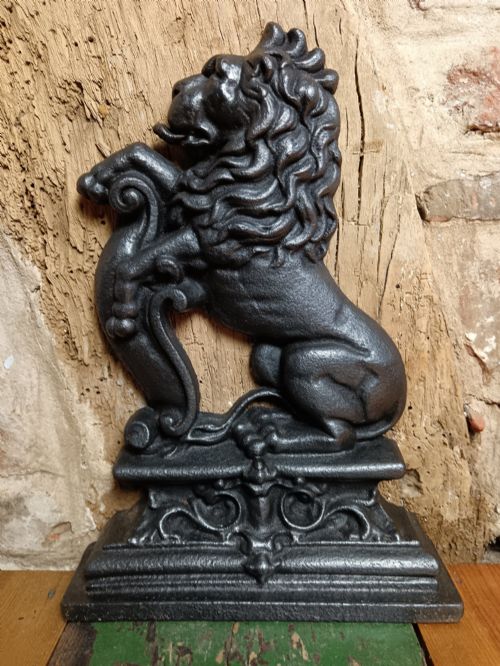
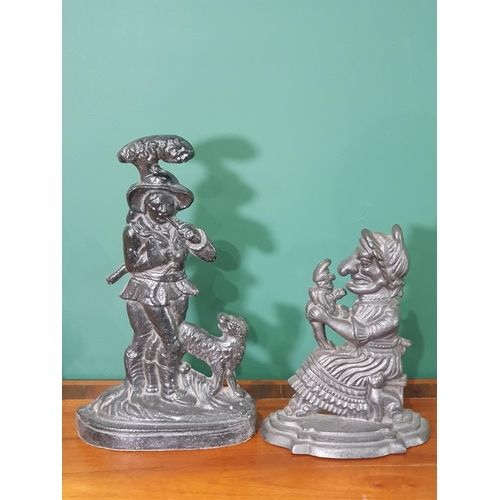
The assortment on this page predominantly takes the form of doorstops and door porters, shaped into figural and animal subjects. Common motifs include rampant lions, domestic dogs, foxes, dolphins, mythical sphinxes, and literary or theatrical figures such as Lord Nelson and Mr Punch.
Most entries originate from English workshops and country houses, spanning the nineteenth century with specific dates cluster around eighteen eighty. You find both single heavy doorstops and occasional matching pairs designed for grander entranceways.
Materials and manufacture
These items rely entirely upon heavy cast iron, poured into moulds to create solid, enduring forms that possess the necessary mass to hold doors securely. The metal is exceptionally durable, allowing for crisp relief work that defines the musculature of animals and the folds of garments.
Black Iron Door Weight Retail Price Guide 2026
Typical asking prices for black iron door weight among the pieces listed under this phrase on Sellingantiques today, from the lower quarter to the upper quarter. They describe what is for sale here now, not the wider market.
The tragicomic phrase The Goose is Dead immortalises a curious piece of nineteenth-century folklore in solid iron.
Assessing quality in cast iron doorstops
Quality reveals itself in the sharpness of the casting and the fidelity of the sculptural modelling, where finer pieces capture realistic textures in animal fur or elaborate details in historical costume. Softer casts lose definition around the edges and obscure the finer points of the maker's original model.
The integrity of the painted surface significantly impacts desirability, particularly when original pigments survive with natural patination rather than later repainting. Heavier and larger castings also indicate higher quality, intended for substantial country house doors rather than light domestic use.
The Black Iron Door Weight Glossary
- Cast iron
- An iron-carbon alloy poured into a mould to form solid objects. It provides the heavy mass needed for doorstops.
- Door porter
- An alternative term for a doorstop featuring an integrated handle at the top. This allows the heavy iron weight to be lifted easily.
- Egyptian Revival
- A nineteenth-century design style incorporating pharaonic motifs. Pieces in this style include sphinx figures.
- Rampant
- A heraldic term describing an animal standing on its hind legs with forepaws raised. This pose appears frequently on lion doorstops.
Black Iron Door Weight: Frequently Asked Questions
What is a black iron door weight used for?
These heavy iron objects are designed to prop doors open and prevent them from swinging shut in draughty hallways. Their substantial weight keeps them firmly planted against the base of heavy wooden doors.
Beyond their practical utility, they served as decorative interior accessories in period homes, often placed near fireplaces or main entryways.
How heavy are these doorstops usually?
Cast iron doorstops are engineered with significant mass to hold heavy doors in place without sliding. Their actual weight varies according to their size, ranging from smaller animal figures to large, imposing architectural or figural door porters.
This high density is a direct result of the solid cast iron construction used across the nineteenth century.
How do I date a Victorian iron doorstop?
Dating relies upon stylistic cues, such as the specific theatrical characters, heraldic animal poses, or neoclassical motifs popular during the period. The presence of nineteenth-century registration marks or characteristic casting textures also helps determine the era.
Later reproductions often lack the crispness of detail and the dry, patinated surfaces found on nineteenth-century originals.