


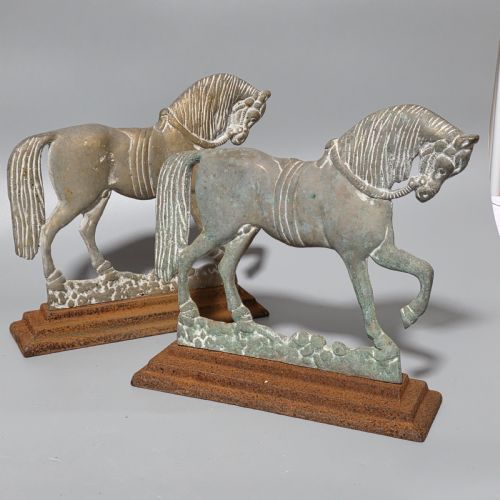


Antique Cast Iron Porter
An antique cast iron porter holds doors open with heavy metal heft and distinct character, spanning lions, figures and animals.
Antique Cast Iron Porter
When you search for an antique cast iron porter, you find heavy utilitarian objects designed to hold doors open in homes and country houses. These pieces function as doorstops and door porters, keeping heavy interior doors from swinging shut in draughty hallways and rooms.
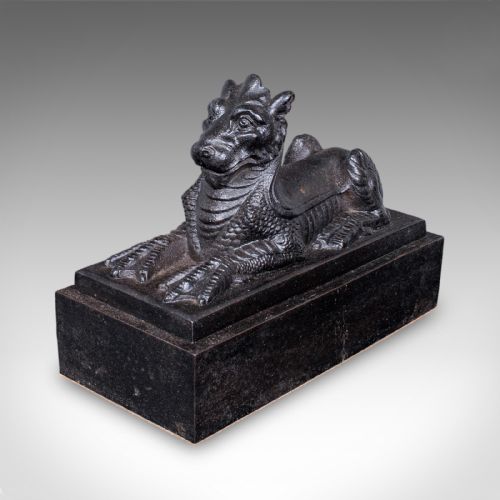
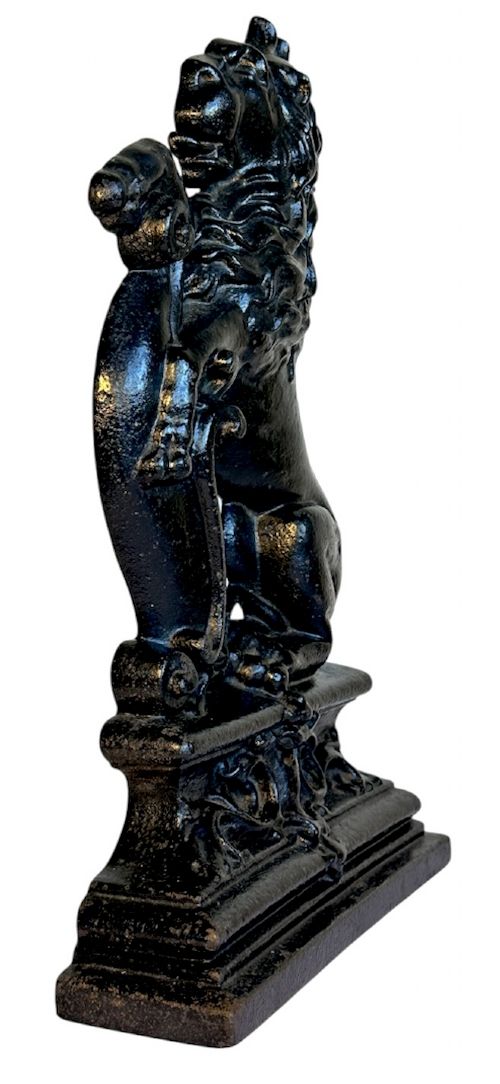
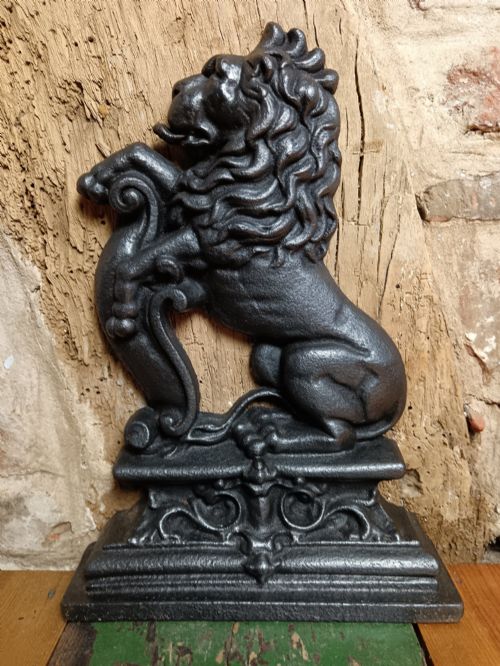
The most common versions on this page are Victorian doorstops cast into figurative shapes, including rampant lions, dogs like border collies and spaniels, and characters such as Mr Punch. You also encounter fireplace ornaments and architectural forms originating from the Georgian, Regency, and Edwardian periods.
Originating largely from English workshops, these items served a domestic purpose while displaying decorative motifs ranging from Victorian Gothic Revival and Egyptian Revival to folk art. They combine functional weight with sculptural presence, making them practical accessories for period interiors.
Materials and Casting Techniques
These items are produced primarily from cast iron, utilising foundry techniques that pour molten metal into sand moulds to create robust figurative shapes. The resulting heavy metal body provides the necessary mass to anchor a swinging door firmly in place.
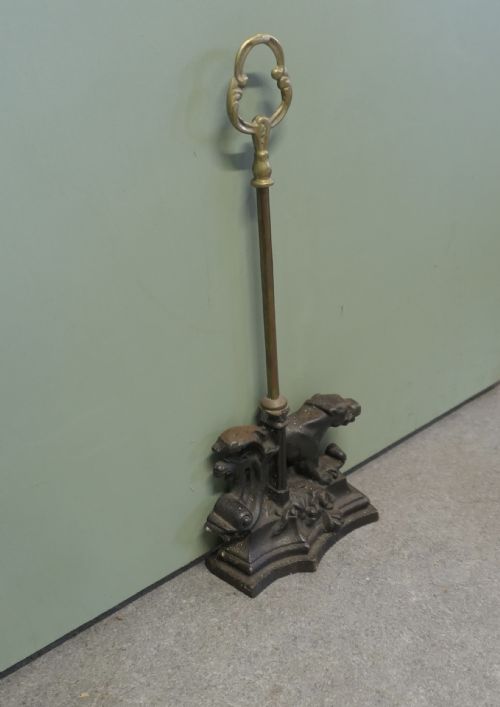
Many examples incorporate secondary materials such as brass for handles or mounts, alongside painted finishes that add colour and detail to lions, human figures, and animals. Over decades, the combination of iron, brass, and applied paint develops a characteristic surface texture unique to nineteenth-century foundry work.
A cast iron frog complete with reed motifs stands ready to hold your door.
Distinctions in Quality
The integrity of the original painted surface also separates standard items from superior survivals, with undisturbed historic paint maintaining the authentic character of the piece. Heavy iron density and well-balanced proportions ensure the object performs its utilitarian role effectively while retaining visual appeal.
The Antique Cast Iron Porter Glossary
- Door porter
- A heavy weight designed to keep a door open. These objects are also frequently referred to as doorstops or door keepers.
- Cast iron
- An iron-carbon alloy poured into moulds to create rigid, heavy objects. It forms the primary structural material for these nineteenth-century items.
- Egyptian Revival
- A nineteenth-century design style drawing on ancient Egyptian motifs. This aesthetic appears on sphinx doorstops from the Regency period.
- Victorian Gothic Revival
- An architectural and decorative style inspired by medieval forms. Pieces influenced by this movement often feature heraldic beasts like rampant lions and knights.
Antique Cast Iron Porter: Frequently Asked Questions
What is an antique cast iron porter used for?
These heavy metal objects function primarily as doorstops to hold interior doors open against draughts in hallways and rooms. They were standard accessories in nineteenth-century English country houses and domestic interiors.
Beyond utilitarian duties, many served as decorative ornaments by fireplaces or on landings, combining practical weight with sculptural animal or figurative designs.
How do I identify a Victorian porter?
Victorian examples typically feature dense cast iron construction depicting popular nineteenth-century motifs such as lions, dogs, horses, and characters like Mr Punch. Look for heavy metal mass and robust foundry work characteristic of the period.
Many pieces from this era reflect specific design movements like Gothic Revival or folk art, displaying moulded details that distinguish them from later reproductions.
How do I live with a heavy doorstop?
Place the porter directly against the base of an interior door where its substantial iron weight will prevent movement from draughts. Their compact footprints allow them to sit neatly beside skirtings without obstructing walkways.
They require minimal maintenance beyond gentle dusting to preserve the historic painted or bare iron surfaces over time.