




Victorian Lion Doorstop
These heavy Victorian lion doorstop pieces hold open doors with undeniable presence, combining utilitarian weight with striking sculptural form.
Victorian Lion Doorstop
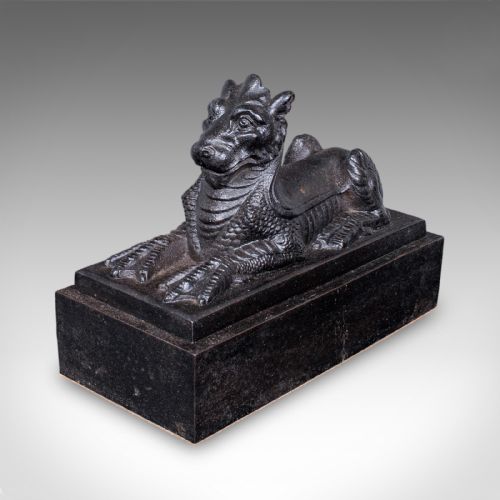
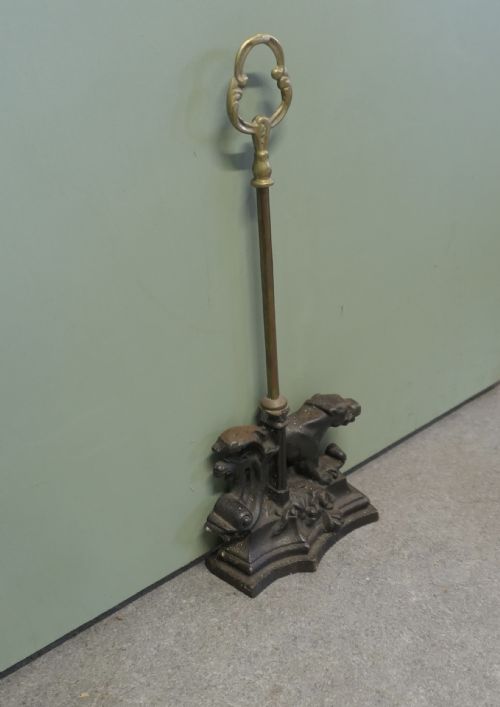
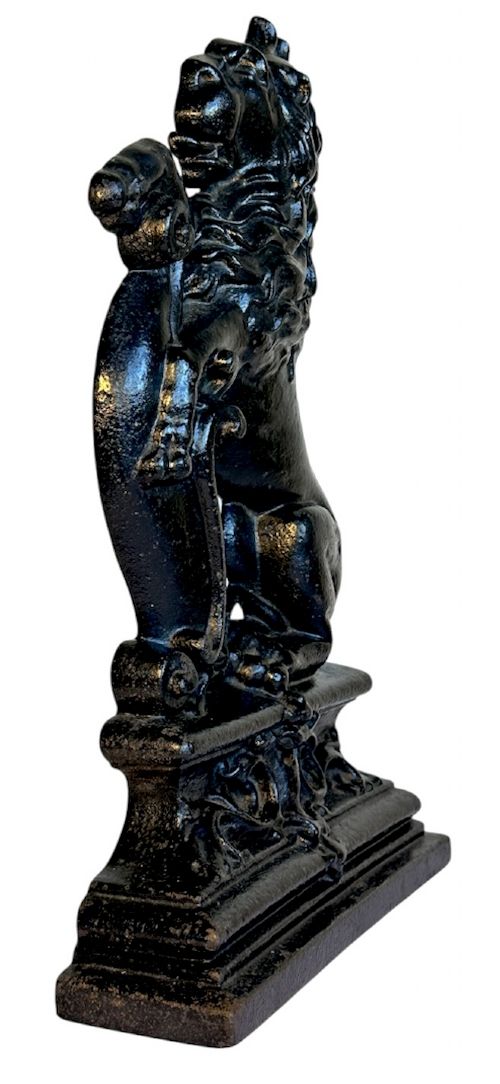
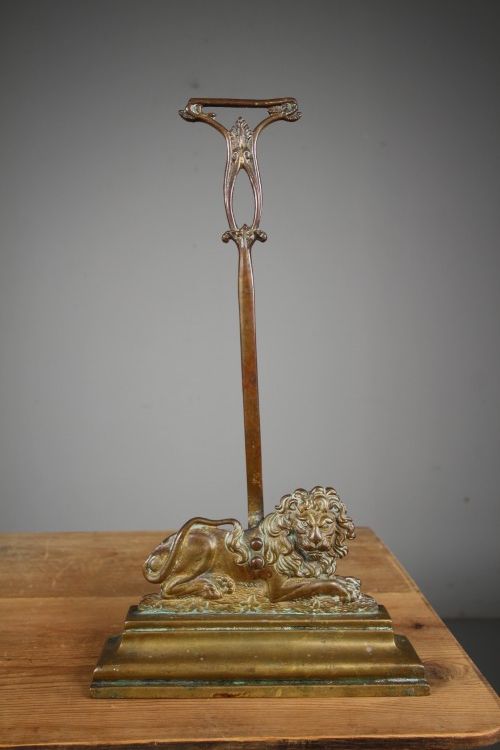
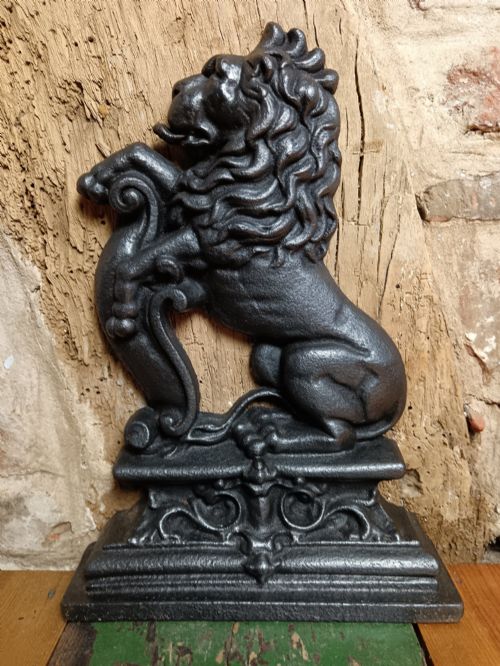
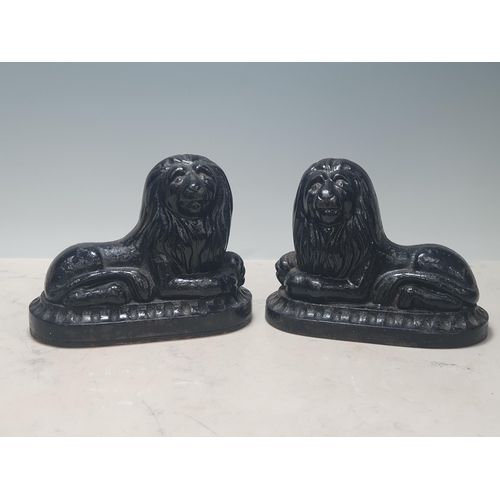
A victorian lion doorstop serves the practical function of keeping heavy interior doors ajar while doubling as a substantial decorative sculpture. Buyers encounter these pieces cast in robust metals, often taking the form of a rampant lion, a guardian figure, or a recumbent beast.
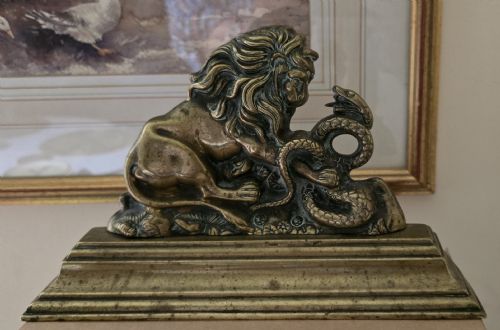
The majority of these pieces originate from the nineteenth century, spanning from the mid-Victorian era through to the end of the century. Alongside full figures, variations include heraldic designs, serpent motifs, and detailed lion paws.
Most examples function strictly as door porters, though related ironwork such as boot scrapers occasionally appears within the same functional category. These objects reflect the Victorian taste for bringing robust imagery and heraldry into everyday domestic spaces.
Materials and casting methods
Foundries utilised heavy metal casting to produce these sturdy objects, relying primarily on cast iron, brass, and bronze. Iron pieces often retain remnants of early black paint or surface oxidation acquired through decades of service.
Molten metal was poured into sand moulds to capture the detailed manes, muscular frames, and heraldic stances of the beasts. Brass and bronze variants received additional finishing work to achieve a polished or patinated surface.
Listings demonstrate that iron remains the most common metal for these heavy pieces, alongside brass, bronze, and painted finishes.
Assessing quality and finish
Surface preservation significantly influences the character of the piece, particularly where original paint finishes or natural metal patination remain intact. The weight and structural integrity of the casting itself determine how effectively the piece performs its duty.
The Victorian Lion Doorstop Glossary
- Door porter
- A heavy portable weight designed specifically to keep doors open. This term is frequently used interchangeably with doorstop.
- Rampant
- A heraldic term describing an animal standing on its hind legs with forepaws elevated. This posture forms the basis for many lion designs.
- Recumbent
- An attitude where the animal is lying down at rest. Recumbent lion pairs often flank an entryway.
- Cast iron
- An iron-carbon alloy poured into moulds to form rigid objects. It provides the heavy mass necessary for holding doors.
- Patina
- The surface sheen and coloration developed through age and handling. It distinguishes period metalwork from modern reproductions.
Victorian Lion Doorstop: Frequently Asked Questions
How heavy are they?
These pieces possess substantial weight derived from solid cast metal construction. This heft ensures they hold heavy interior doors firmly in place.
Lighter examples rely on broader bases to maintain stability during daily use.
Were they used outside?
Most examples served inside grand nineteenth-century hallways and reception rooms. Their sturdy metal construction allows them to withstand sheltered exterior environments.
Exposed outdoor placement accelerates surface oxidation and weathering on iron pieces.
How do I clean the metal?
Dusting with a dry cloth preserves the existing surface finish and accumulated patina. Avoid harsh chemical cleaners that strip away historic paint or oxidation.
Light application of wax can protect iron surfaces from further moisture exposure.
What is a door porter?
A door porter is simply a traditional name for a heavy portable doorstop. These items were designed to be easily moved by hand from room to room.
Many feature integrated handle loops at the top for this purpose.