


Victorian Cast Iron Lion
These heavy victorian cast iron lion figures and domestic implements bring sculptural presence and functional utility to hearth and hallway.
Victorian Cast Iron Lion
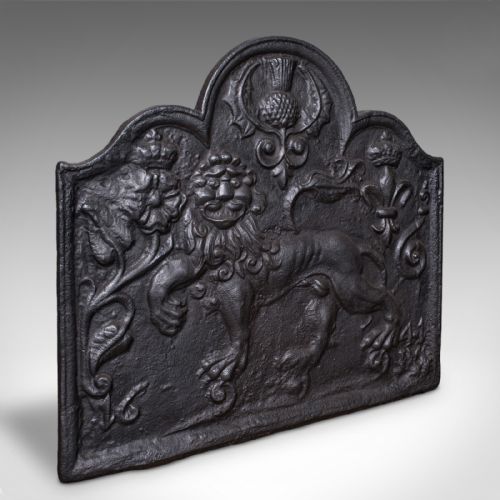
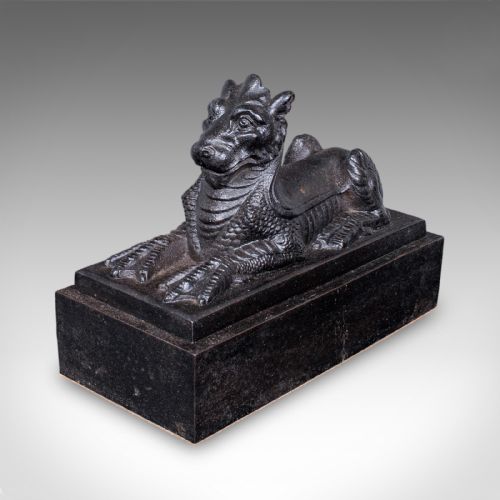
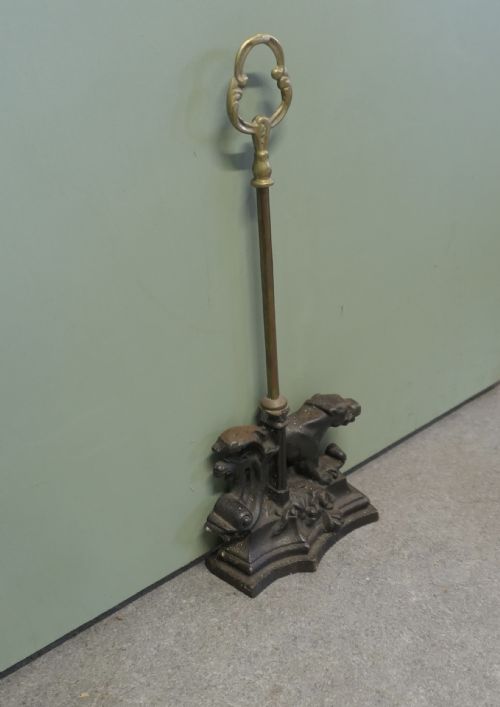
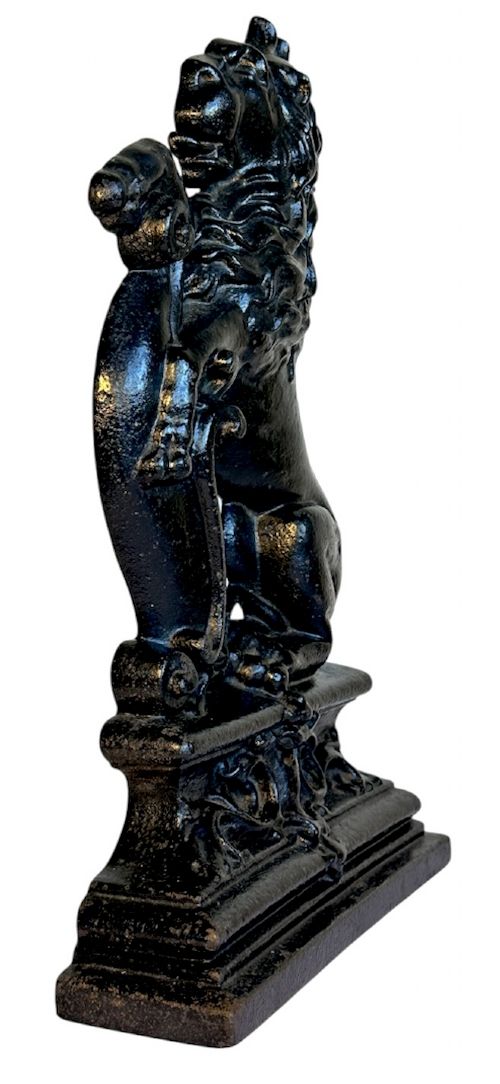
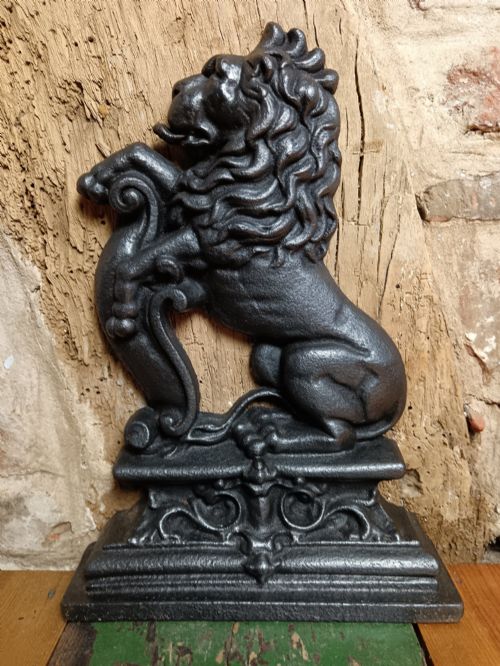
A victorian cast iron lion primarily takes the form of a doorstop, also known as a door porter, designed to hold heavy doors open in domestic settings. These pieces span figures in the rampant stance, recumbent postures, and heraldic representations linked to royal coats of arms.
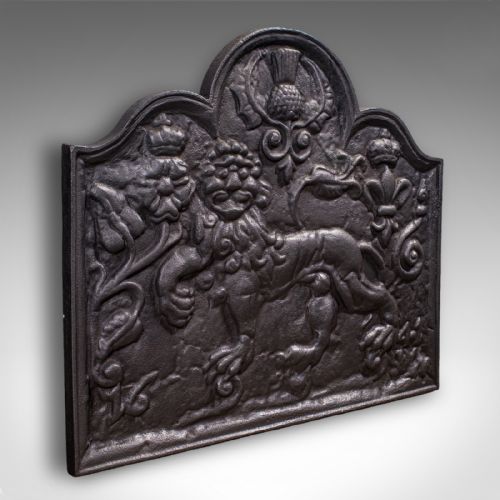
Beyond doorstops, the inventory includes firebacks, fireplace accessories, wall plaques, boot scrapers, and hearth ornaments from periods stretching through the nineteenth century. Buyers encounter both utilitarian items and architectural castings that served decorative functions inside nineteenth-century homes and gardens.
The design vocabulary draws on gothic revival, neo-classical, and heraldic traditions, often mirroring motifs found on large scale ironwork. Examples range from domestic door keepers weighing a few kilograms to monumental royal coats of arms intended for public display.
How they were made
Foundries produced these objects by pouring molten iron into sand moulds taken from carved wooden or metal patterns. This method captured sharp detail in heraldic manes, facial expressions, and paws, leaving characteristic casting seams along the sides of the figures.
Many surfaces retain layers of early paint, enamel paint, or blacking applied to prevent rust and provide a uniform finish. Some examples incorporate supplementary materials such as brass fittings, oak supports, or remnants of gold leaf on crests and coats of arms.
Recumbent lions lounge quietly on the hearth, guarding the carpet from imaginary drafts since eighteen-fifty.
What varies in quality
The survival of original surface finishes significantly influences the character of a piece. Castings retaining untouched early paint or natural historical patination display greater visual depth than those stripped and repainted in modern times.
The Victorian Cast Iron Lion Glossary
- Doorstop
- A heavy weighted object placed on the floor to prevent a door from swinging shut. Many nineteenth-century versions take the form of animals or heraldic figures with an integrated handle.
- Rampant
- A heraldic posture showing an animal standing on its hind legs with forepaws raised. This stance appears frequently on cast iron doorstops and fireplace plaques.
- Fireback
- A heavy iron plate placed at the back of an open hearth to reflect heat into the room and protect the masonry wall. They often feature moulded royal crests or lion motifs.
- Andirons
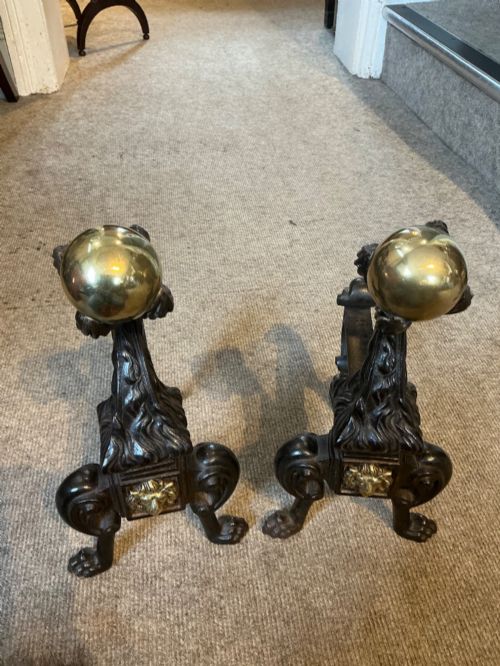
- A pair of horizontal metal supports used to hold logs in an open fireplace. They frequently incorporate decorative iron or brass terminals facing the room.
- Heraldic
- Relating to coats of arms, crests, and formal symbols of lineage or royalty. Cast iron pieces in this style display lions, unicorns, and crowns derived from official insignia.
Victorian Cast Iron Lion: Frequently Asked Questions
What is a door porter?
A door porter is simply an alternative term for a heavy doorstop. These items were positioned in hallways to keep heavy interior doors stationary.
The vertical handle cast into the top of the lion figures allowed servants to lift and move them easily across wooden or tiled floors.
Where were these pieces used?
Cast iron lions and associated hardware were manufactured for domestic interiors, country houses, and public buildings throughout the nineteenth century. Doorstops and fire grates served practical daily functions in parlours and reception rooms.
Larger heraldic crests and fireplace accessories were installed in formal reception spaces to project status and decorative taste.
How do I care for cast iron?
Cast iron requires minimal maintenance beyond keeping the surface dry and free from household dust. A soft brush or dry cloth is sufficient for routine cleaning.
Avoid using water or harsh chemical cleaners, as moisture promotes oxidation and rust on exposed metal surfaces.
How can I tell the period?
Dating relies on examining the casting technique, the style of the base, and the wear patterns on the iron. Nineteenth-century pieces often display sand-cast textures and heavy patination accumulated over decades of use.
Comparing the stylistic details, such as neo-classical or gothic revival elements, helps align the object with documented production eras.