


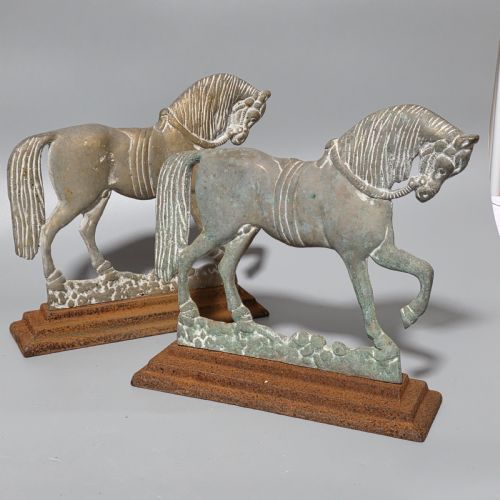

Vintage Door Weight
These heavy vintage door weight pieces keep draughty rooms shut, combining domestic function with sculptural presence.
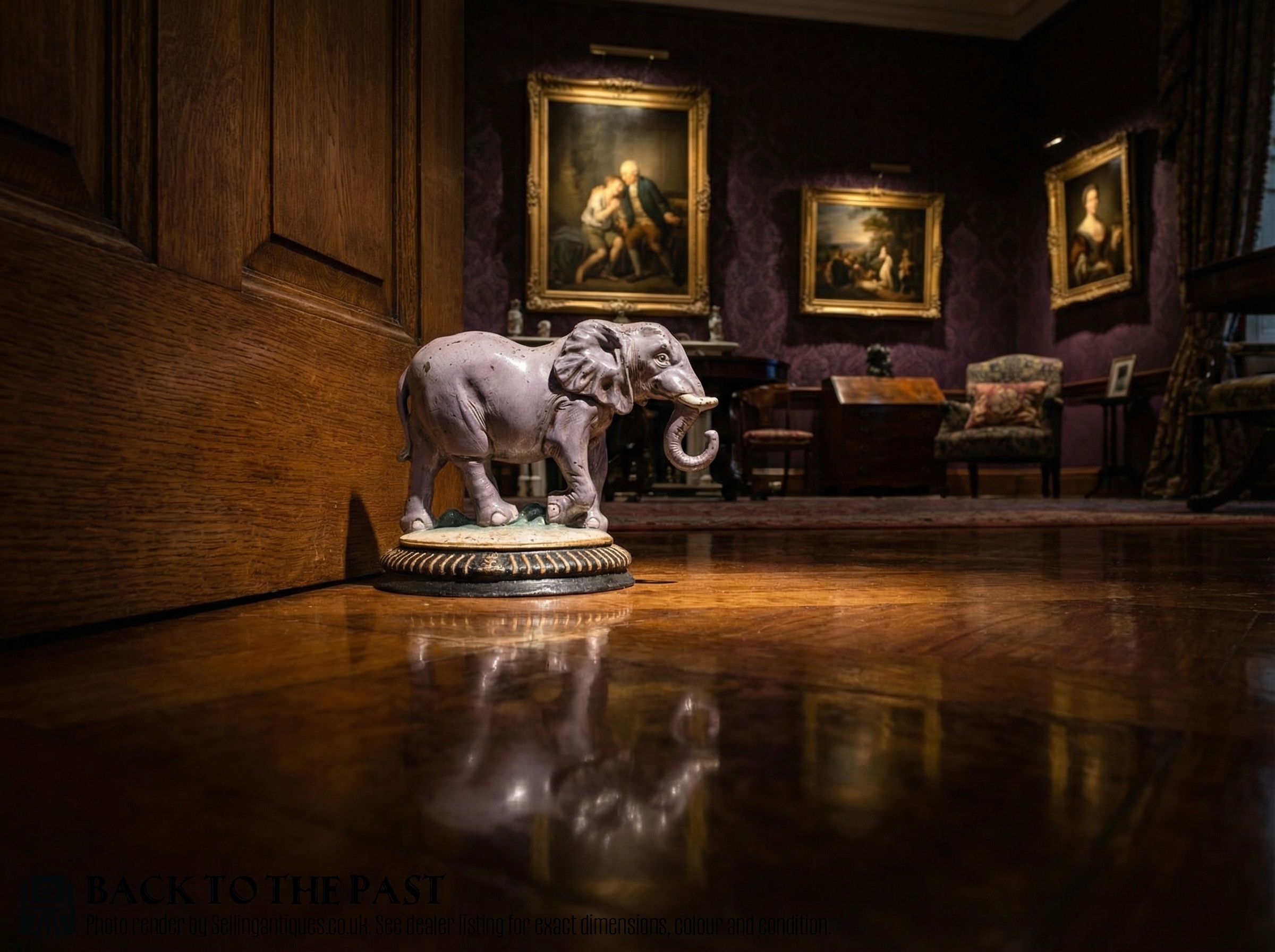
Vintage Door Weight
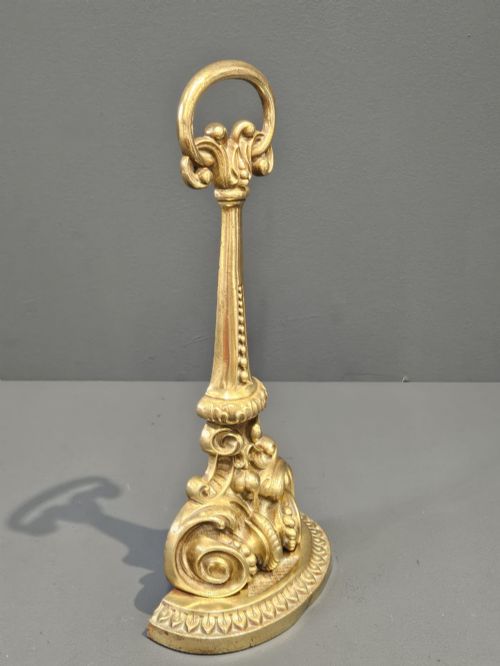
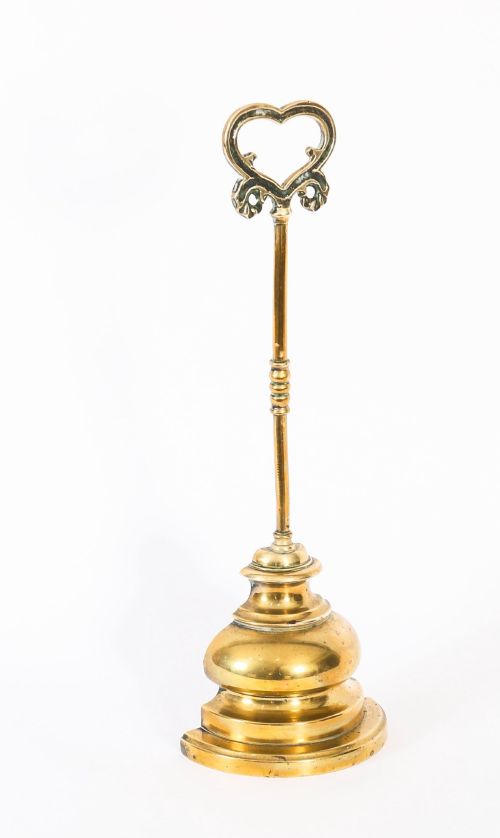
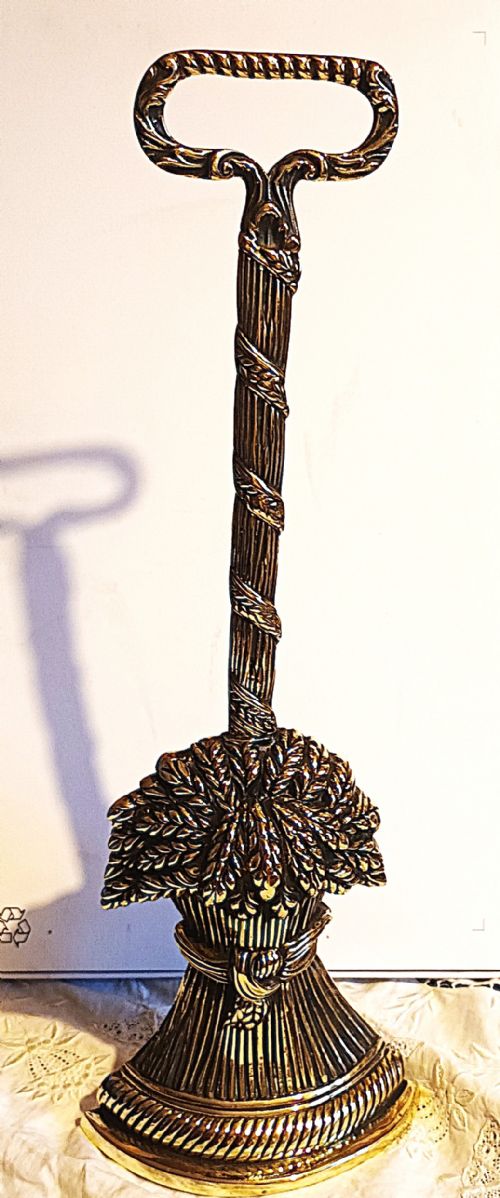
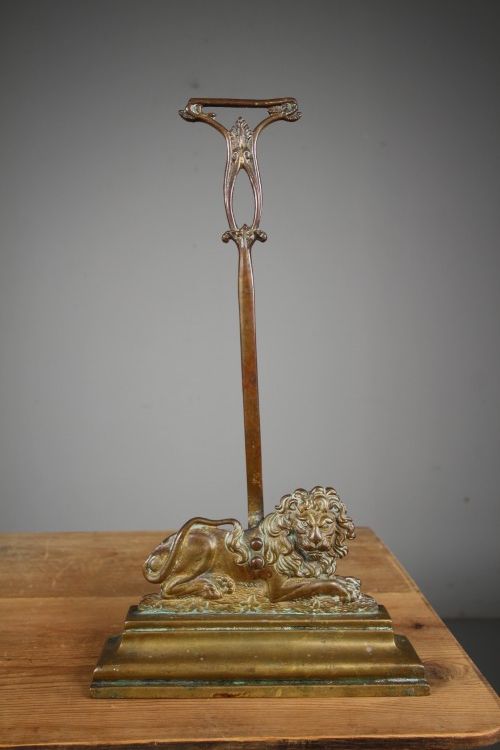
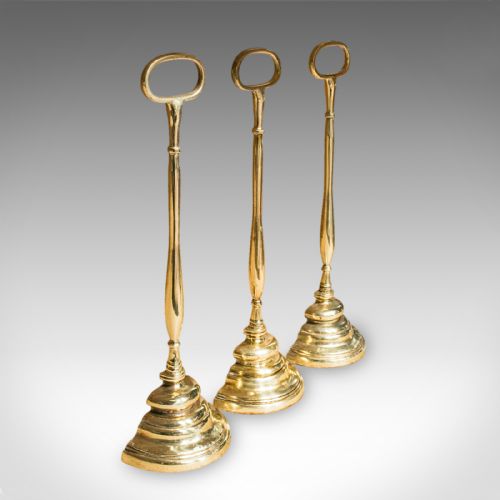
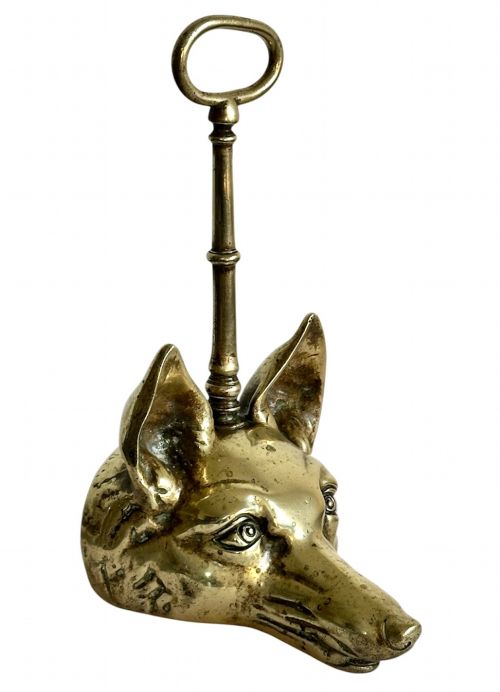
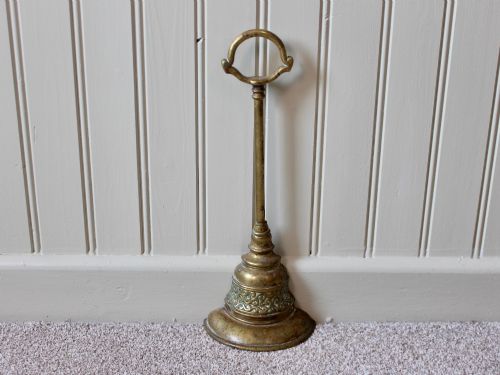
When you search for a vintage door weight, you encounter substantial metal objects designed to hold doors open against draughts. These items take the form of traditional doorstops and door porters.
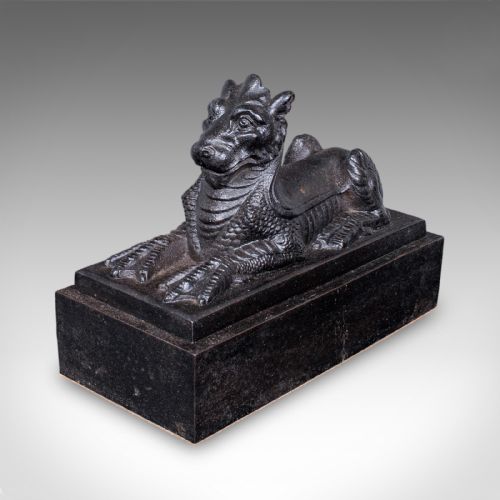
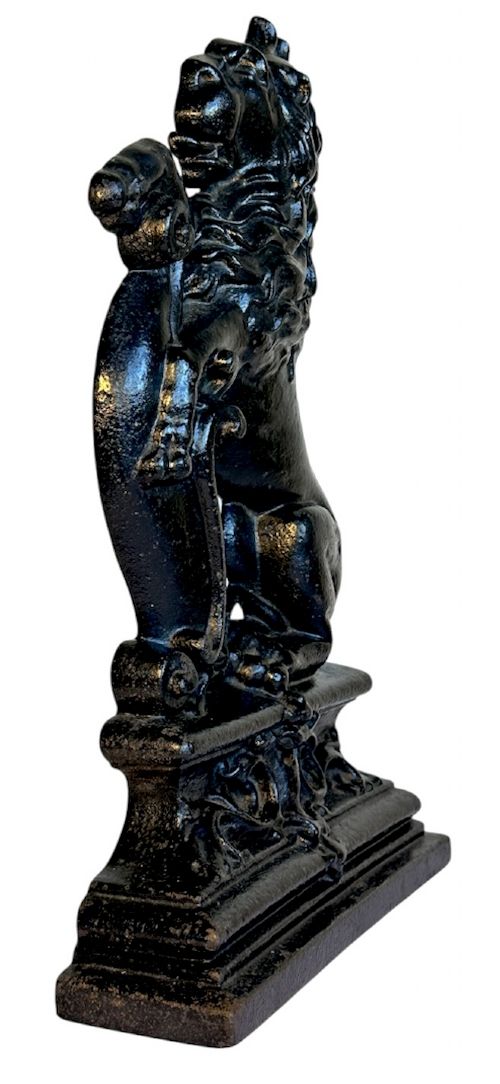
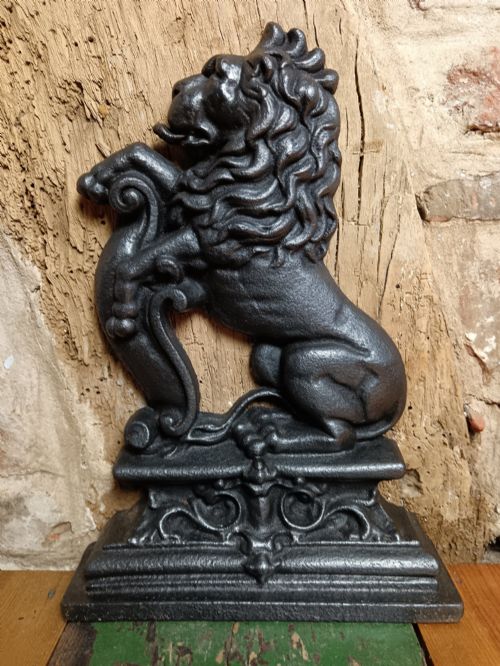
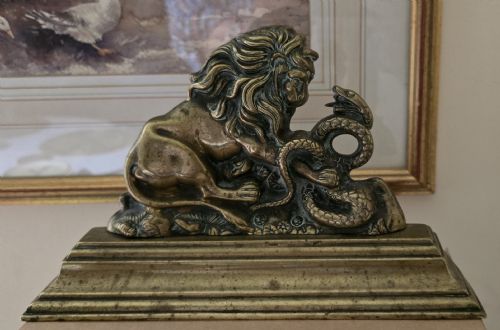
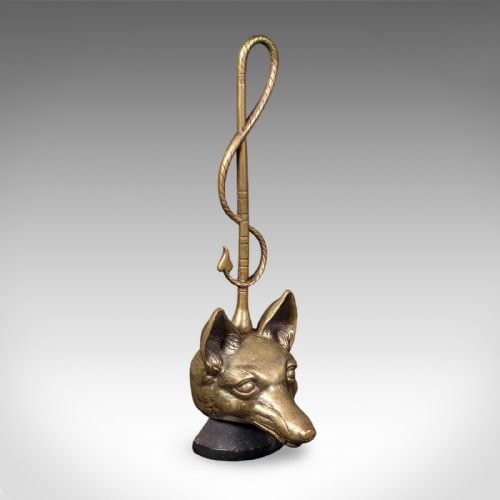
You meet Victorian and Edwardian examples most frequently on this page. They manifest as lions, horses, dogs, and figural characters cast in solid metals.
How they were made
Foundries utilised casting techniques in iron and brass to produce these heavy objects. Molten metal poured into sand moulds captured fine details such as manes, fur, and facial expressions.
Makers occasionally applied paint or gilt bronze finishes to the cast metal surfaces. These treatments added colour and protected the iron or brass from oxidation in busy hallways.
Mr Punch and Lord Nelson stand ready to guard interior doors alongside cast iron spaniels and rampant lions.
What varies in quality
Weight distribution and metal density also dictate quality. A heavier, well-balanced casting sits firmly on the floor and resists tipping during daily use.
Tonks·William Tonks
The Vintage Door Weight Glossary
- Door porter
- A tall, weighted handle-style stop designed to be lifted and moved without bending down.
- Cast iron
- An iron-carbon alloy poured into moulds to create heavy, rigid objects.
- Cast brass
- A copper-zinc alloy shaped by liquid casting, prized for its golden lustre.
- Gilt bronze
- Bronze treated with a thin layer of gold to give a rich, reflective surface.
- Figural
- Representing a human, animal, or mythological form rather than abstract geometry.
Vintage Door Weight: Frequently Asked Questions
How do I use a vintage door weight?
Place the heavy metal object directly against the base of an interior door to hold it open at a desired angle.
The substantial mass of the piece prevents the door from swinging shut in draughty corridors.
Are these pieces made of solid metal?
The listings comprise solid cast iron, brass, and bronze weights manufactured to withstand daily impacts.
This heavy metal construction ensures the object remains stationary when holding back heavy wooden doors.
How do I distinguish Victorian from Edwardian styles?
Victorian examples often display ornate detailing, gothic revival motifs, or grand figural subjects like lions and knights.
Edwardian pieces tend toward slightly more restrained proportions while retaining heavy cast iron or brass materials.
How do I care for brass door stops?
Dust the metal surface regularly with a soft cloth to prevent grit accumulation.
Avoid harsh chemical cleaners that strip the historic patina accumulated over decades of household use.