








Weighted Door Stop
A weighted door stop keeps heavy doors open with mass and presence.
Weighted Door Stop
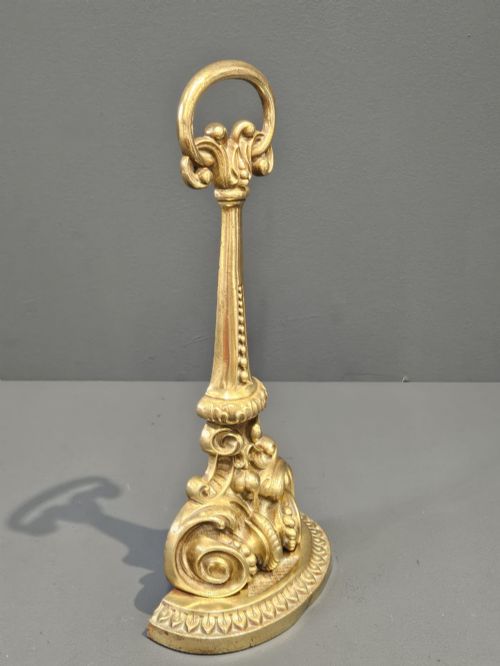
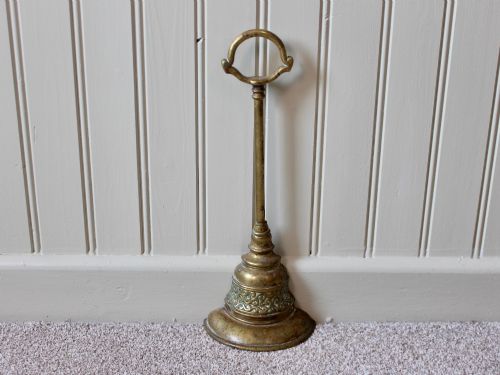
A weighted door stop serves to hold heavy interior doors firmly in place using substantial mass. When searching for a weighted door stop, a buyer encounters practical items designed to prevent slamming in drafty hallways and grand rooms alike. The selection leans heavily towards robust nineteenth-century forms.
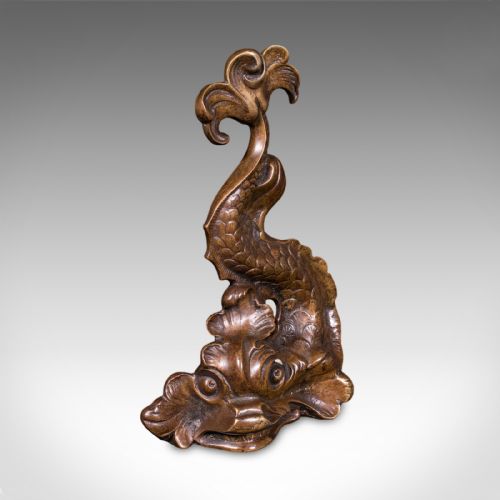
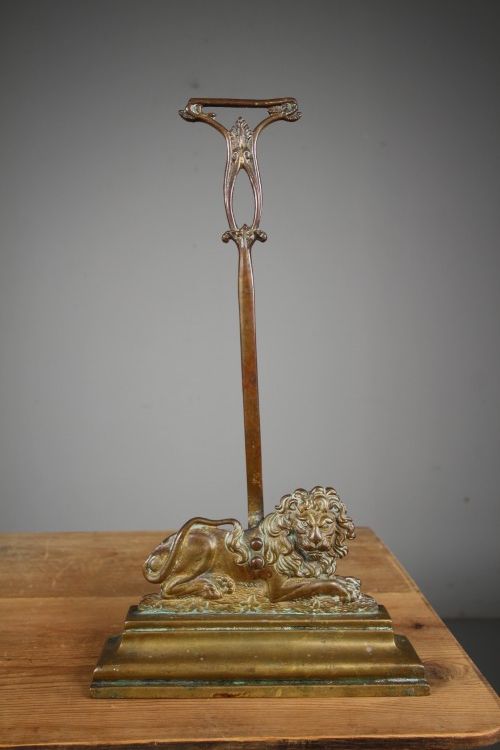
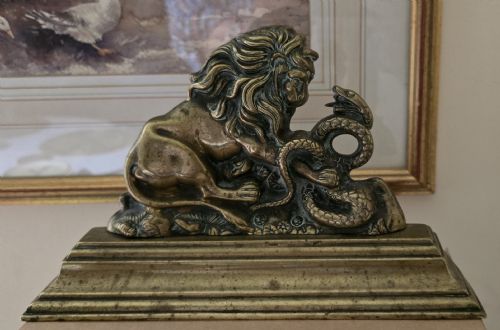
Most examples originate from the Victorian and Georgian periods, employing durable metals to achieve the necessary heaviness. Common figurative subjects include lions, dolphins, and characters such as Mr Punch, alongside heraldic and military figures. These utilitarian objects doubled as miniature sculptures for the floor.
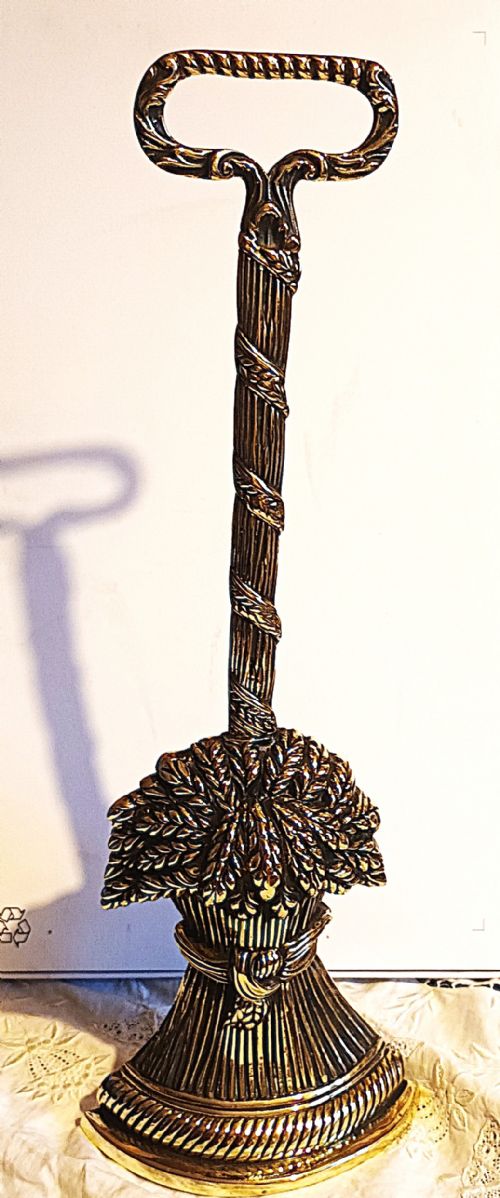
The dominant material variations include cast iron, brass, and bronze, often featuring internal lead weighting or original iron bases to increase stability. Forms range from slender door porters to wide animal figures. English country house and Regency styles appear frequently across the available items.
How they were made
Mr Punch stands ready to keep doors open with a permanent mischievous grin.
What varies in quality
Quality depends upon the crispness of the casting and the definition retained in the facial expressions and surface ornamentation. Finer examples display sharp tooling and careful finishing by the foundry, whereas simpler iterations show softened details from worn moulds. The presence of a registered design number or a known maker's mark elevates the piece.
The original surface condition and the integrity of the weighted base dictate the desirability of an item. Examples retaining old paint layers or patinated brass without excessive wear demonstrate better preservation. Heavy bases that remain secure to the upper figures indicate superior original construction.
Tonks·William Tonks·Wm Tonks·Kenrick
The Weighted Door Stop Glossary
- Door porter
- A tall, weighted door stop designed to be lifted by a top handle rather than kicked into position.
- Cast iron
- An iron-carbon alloy poured into moulds to create heavy, rigid objects with distinct surface textures.
- Regency
- An English design period spanning the early nineteenth century known for classical revival motifs like dolphins and sphinxes.
- Egyptian Revival
- A nineteenth-century style incorporating pharaohs, sphinxes, and other ancient motifs inspired by archaeological discoveries.
- Cast brass
- An alloy of copper and zinc melted and poured into a mould, creating durable decorative objects with a bright golden tone.
Weighted Door Stop: Frequently Asked Questions
How heavy should a weighted door stop be?
A proper door porter or stop requires enough mass to hold heavy timber doors against strong draughts.
Most traditional examples weigh several kilograms, utilising dense metals like cast iron, bronze, or solid brass combined with internal lead weighting.
Were these used in every room?
These functional objects typically served in principal reception rooms, grand hallways, and drawing rooms where interior doors needed to remain open.
Servants moved them between spaces as needed during daily household routines.
How do I care for brass door stops?
Maintenance involves gentle dusting and occasional cleaning with a soft cloth to preserve the natural metallic lustre.
Avoid harsh chemical polishes that strip away historical patination and age.
How can I tell a Victorian piece from a later copy?
Nineteenth-century originals display heavy sand-cast textures, wear patterns consistent with age, and construction methods typical of historical foundries.
Examining the underside often reveals the original weighted base construction and period screw fixings.