

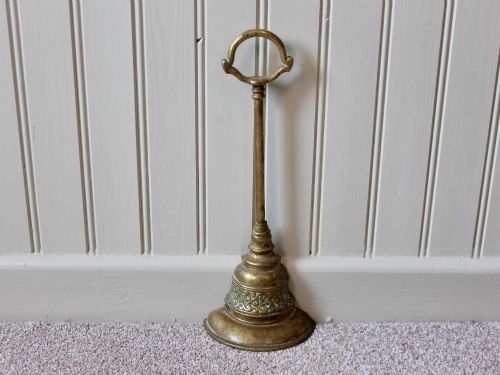


Traditional Brass Doorstop
A traditional brass doorstop keeps heavy interior doors open while bringing solid metal weight and period character to a hallway.
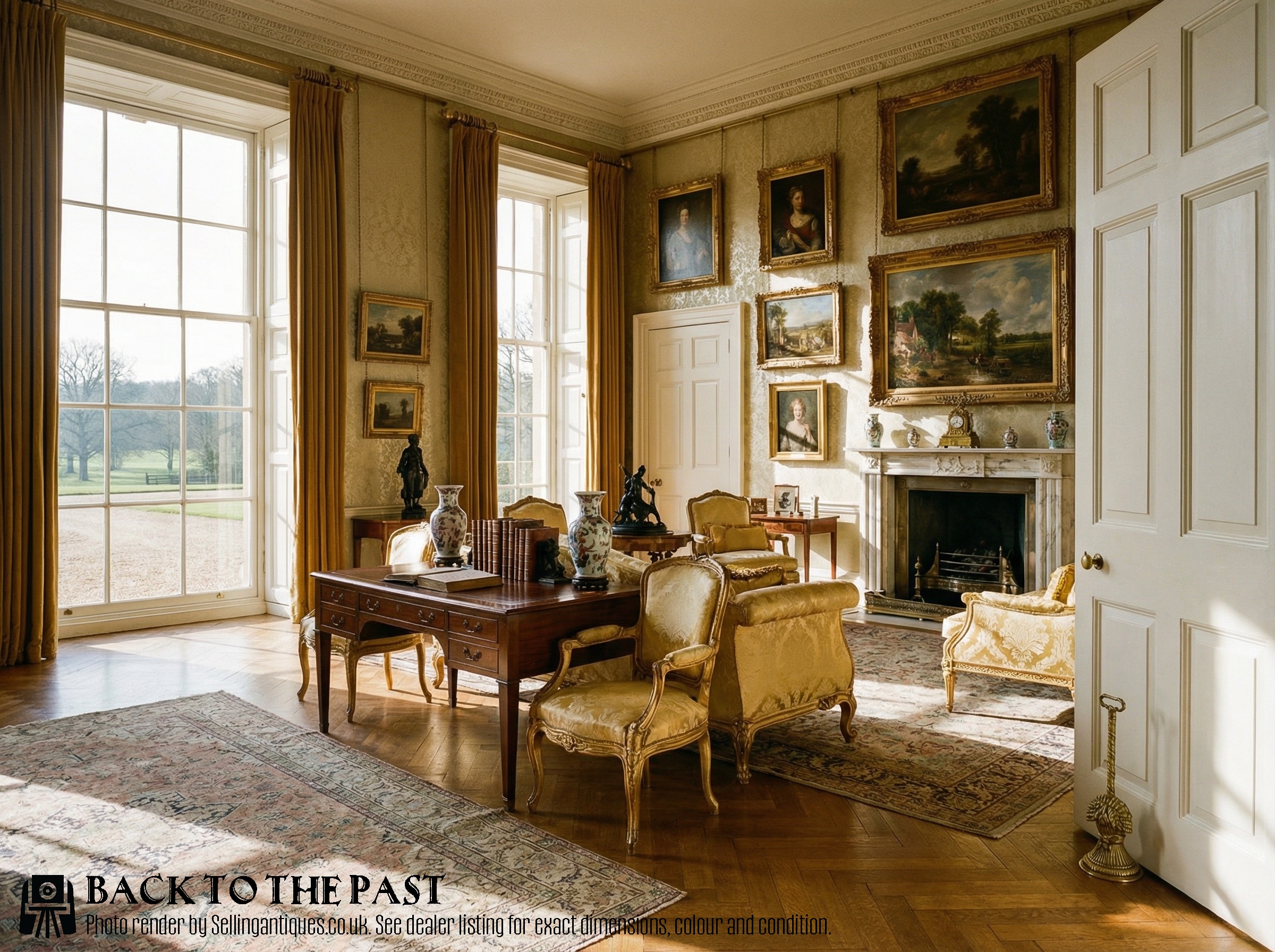
Traditional Brass Doorstop
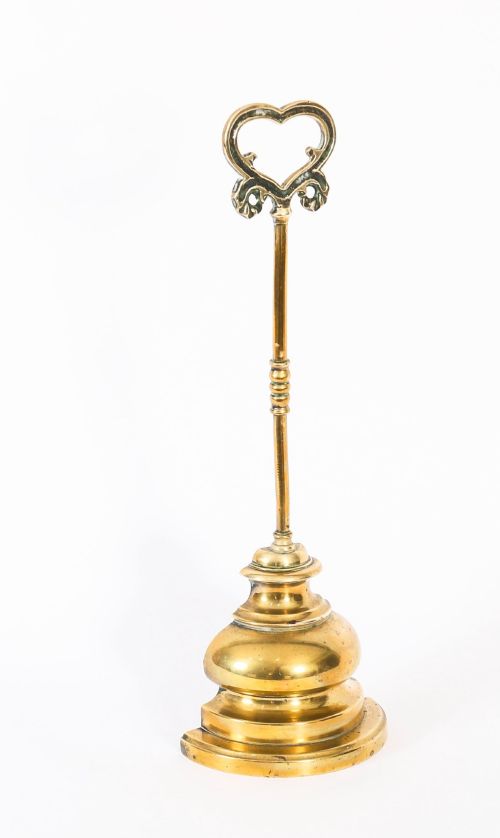
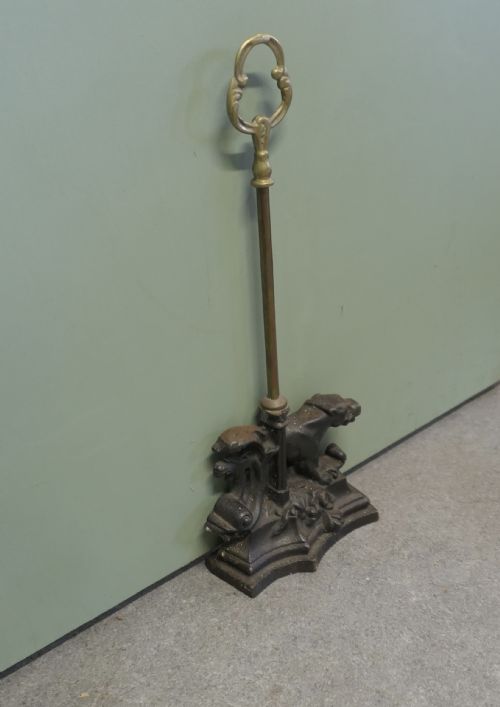
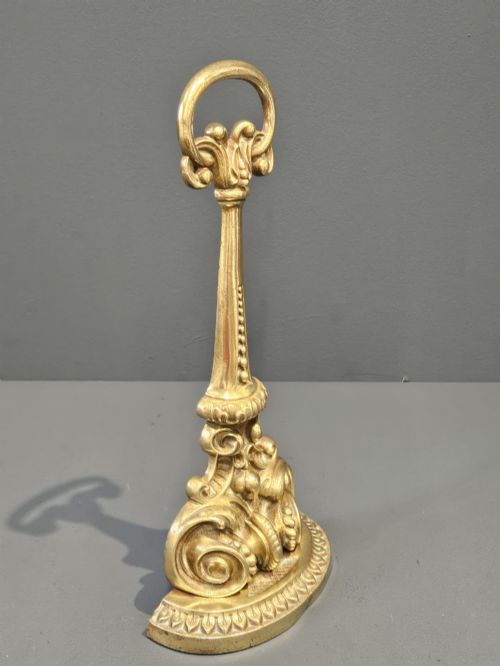
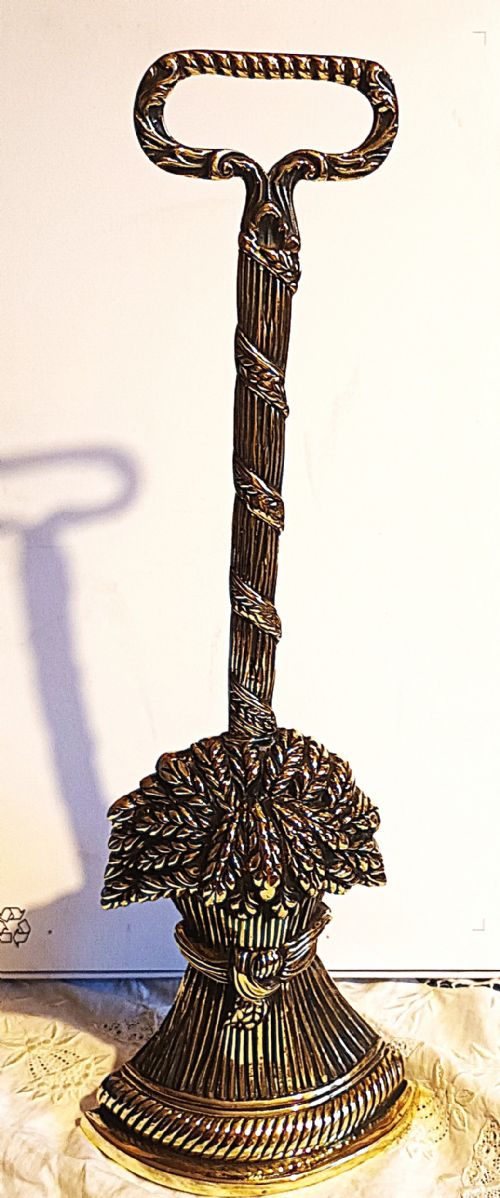
A traditional brass doorstop takes the form of a substantial weighted object designed to hold heavy doors open in a domestic interior. The examples found here span the Victorian, Regency, and Georgian periods, alongside related door porters.
Most pieces encountered on this page date from the nineteenth century, including specific items from around 1870 and 1880. Alongside solid brass, the selection includes related items such as cast iron and granite forms used for the same practical purpose.
Buyers will find distinct regional variations among these heavy metal items, including traditional Scottish designs. The forms range from decorative figures and floral motifs to heavy utilitarian porters equipped with integrated handles.
How traditional brass doorstop items were made
The manufacture of a traditional brass doorstop relies primarily on metal casting techniques. Molten brass or cast iron was poured into moulds to create solid, heavy figures and weighted bases capable of holding doors in place.
Many nineteenth-century examples incorporate lead filling or heavy iron components to increase the overall weight of the object. These mixed materials ensured the doorstop remained stable when placed against large interior doors.
Makers often integrated sturdy ring handles or loops into the top of the design so the heavy metal piece could be lifted easily. Surface finishing involved basic polishing or leaving the cast metal with a natural patination.
Traditional Brass Doorstop Retail Price Guide 2026
Typical asking prices for traditional brass doorstop among the pieces listed under this phrase on Sellingantiques today, from the lower quarter to the upper quarter. They describe what is for sale here now, not the wider market.
Heavy Scottish curling stones found a second life indoors as exceptionally durable doorstops.
What varies in quality
Weight distribution separates standard production items from superior specimens. A well-balanced piece uses solid metal thickness rather than hollow construction to achieve the heft required for a heavy door porter.
Maker attribution elevates certain items above anonymous domestic hardware. Marked examples from known nineteenth-century brassfounders demonstrate superior metal composition and more meticulous finishing.
Tonks·William Tonks
The Traditional Brass Doorstop Glossary
- Door porter
- A heavy portable doorstop designed to be lifted and placed against an interior door. These items typically feature an upright handle for easy movement.
- Cast brass
- Molten alloy poured into a mould to form solid decorative objects. This method allows for intricate sculptural shapes while providing the necessary weight.
- Regency
- An English design period spanning the early nineteenth century. Pieces from this era often display classical restraint and clean geometric lines.
- Victorian
- Relating to the reign of Queen Victoria during the nineteenth century. Domestic metalwork from this period frequently combines utility with ornate ornamentation.
- Curling stone
- A polished granite disk fitted with a handle, traditionally used in the Scottish winter sport on ice. Pairs of these heavy stones frequently double as domestic doorstops.
Traditional Brass Doorstop: Frequently Asked Questions
How heavy is a traditional brass doorstop?
These metal pieces are substantially weighted to hold large interior doors firmly in place against draughts. Most examples weigh several kilograms, relying on solid cast brass or internal lead weighting.
Because they were engineered purely for utility, their heavy mass allows them to function effectively without needing floor fixings.
What is a door porter?
A door porter is a specific type of heavy doorstop fitted with an upright handle at the top. This handle allows the user to lift and carry the dense metal object from room to room.
Unlike fixed doorstops attached to skirting boards, porters sit freely on the floor and can be moved wherever a heavy door needs holding.
How do I date an antique brass doorstop?
Dating relies on examining the casting quality, the style of the base, and any manufacturer markings. Nineteenth-century examples often display simpler utilitarian forms or distinct regional Scottish and Regency design traits.
Makers' stamps or specific casting numbers found on the reverse can also help narrow down the period of production.
Can I use these doorstops on modern doors?
These traditional items work effectively on any heavy interior door that requires propping open. Their generous weight makes them particularly suitable for solid wood doors in older properties.
Care should be taken on delicate flooring surfaces, as the heavy metal or granite bases can mark polished wood if dragged.