


Metal Door Stop
These metal door stop pieces hold heavy doors open with utilitarian purpose and figurative charm.
Metal Door Stop
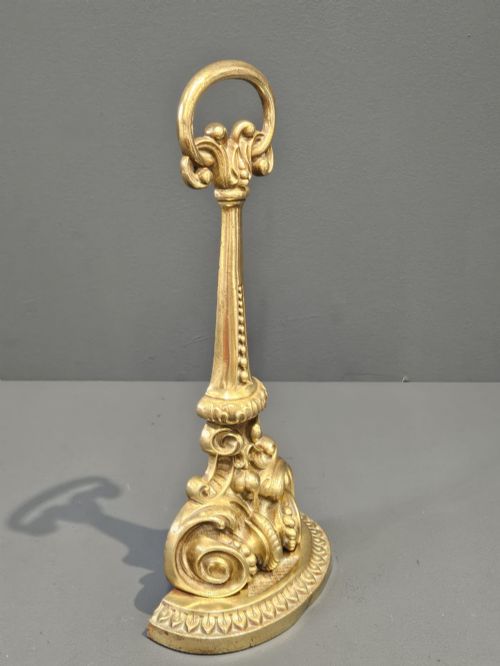
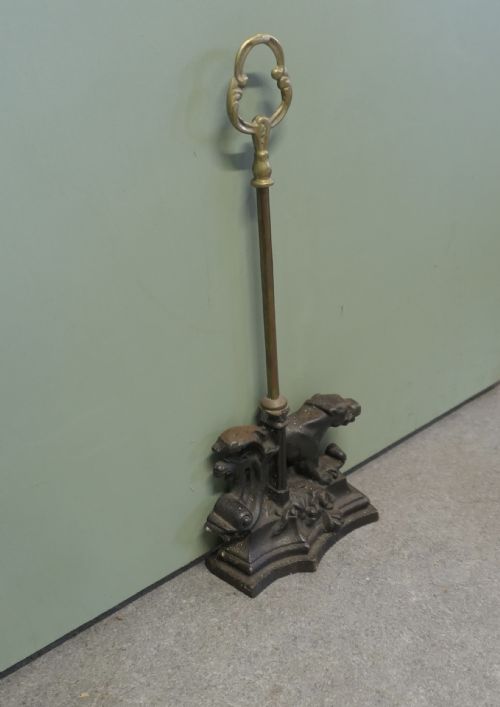
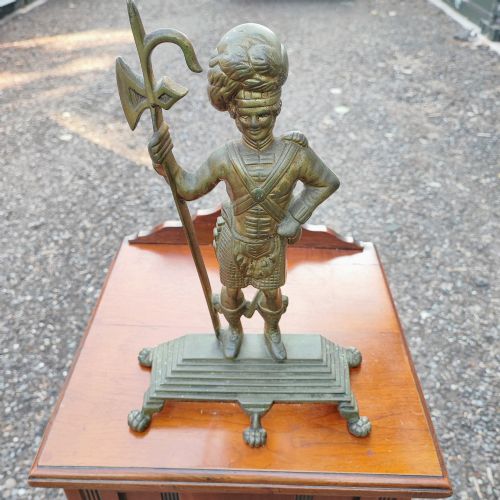
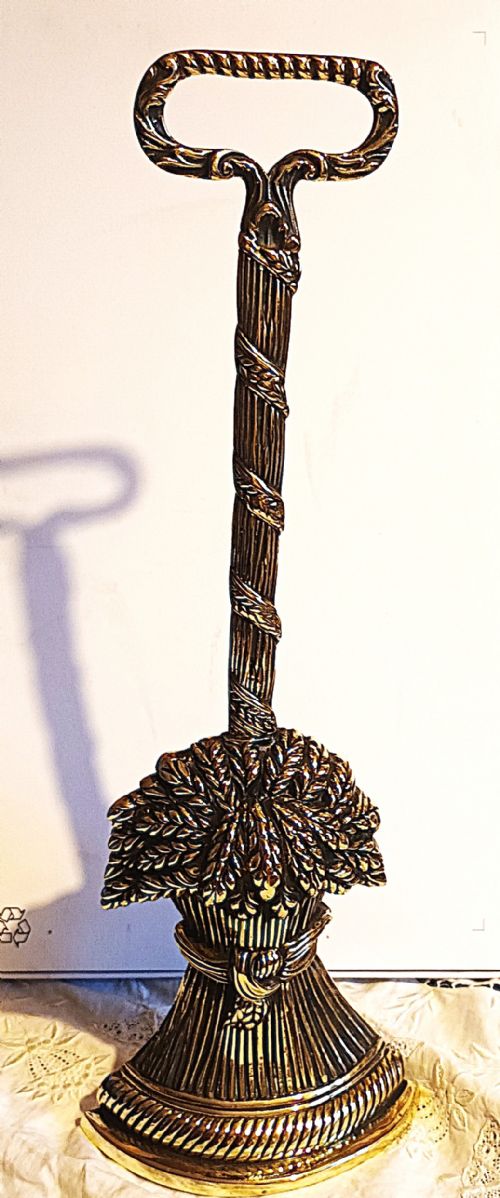
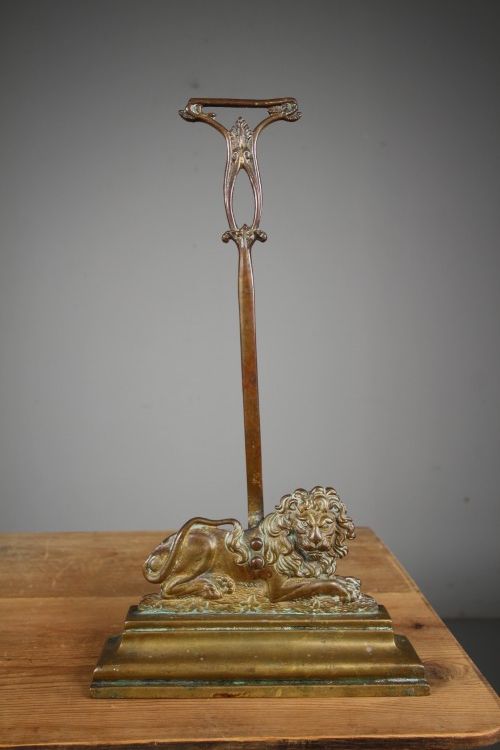
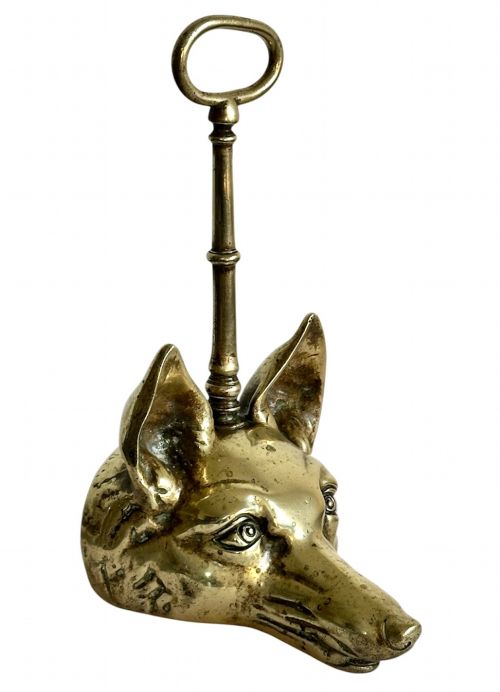
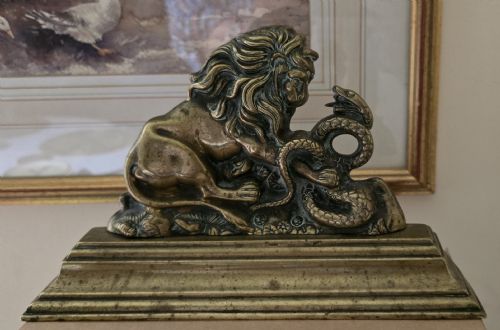
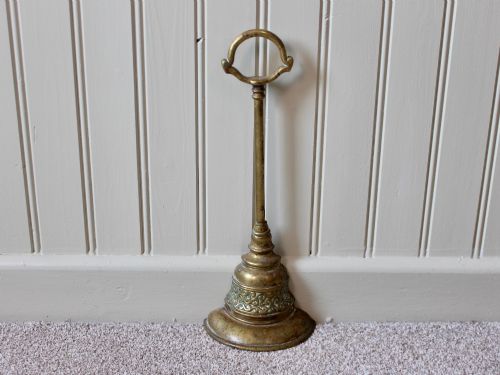
A metal door stop serves to hold interior doors open against draughts, taking the form of figural sculptures and heavy porters. Buyers seeking a metal door stop will encounter varied figures from lions and horses to characters like Mr Punch and soldiers.
The pieces on this page span the Georgian, Regency, Victorian, and Edwardian eras, predominantly fashioned in heavy metals like cast iron and brass. These sturdy objects function as practical household accessories while doubling as decorative sculptures.
English country house aesthetics dominate the selection, alongside items from Dutch origins and Victorian folk art traditions. Most examples use weighted bases or substantial forms to manage heavy doors effectively.
Materials and construction
Foundries utilised cast iron, brass, cast brass, and bronze to produce these durable items, often pouring molten metal into sand moulds to achieve detailed figural shapes. Lead and wood occasionally appear as components or weight additions within the construction.
Many examples incorporate paint applied directly to the cast iron surfaces, introducing colour and definition to figures such as animals, soldiers, and literary characters like Mr Punch.
Listings feature cast iron, brass, bronze, and wood materials across Georgian, Victorian, and Edwardian periods.
Assessing quality
Original painted surfaces retain their character better when the pigment shows natural wear rather than later repainting, while crisply cast brass components exhibit deliberate chasing and finishing work.
Tonks
The Metal Door Stop Glossary
- Door porter
- A heavy portable door stop with a handle or integrated shaft designed to be moved easily across floors. These tall pieces allow users to reposition them without bending down fully.
- Cast iron
- An iron-carbon alloy poured into moulds to create rigid, heavy objects. This material provides the substantial weight required to keep heavy doors stationary.
- Cast brass
- An alloy of copper and brass shaped through molten casting techniques. It offers a bright metallic finish that responds well to polishing.
- Figural
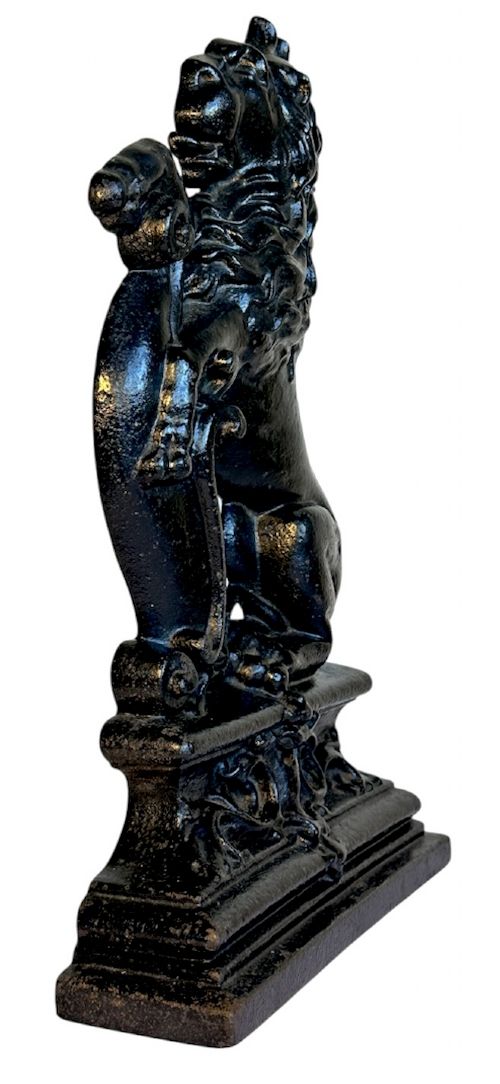
- Representing a human or animal form rather than an abstract geometric shape. These sculptural subjects range from heraldic lions to theatrical characters.
- Regency
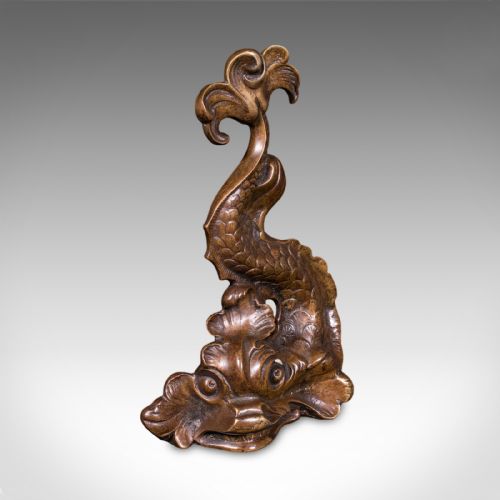
- A stylistic period spanning the early nineteenth century defined by classical restraint and decorative motifs like dolphins. Pieces from this era often lean towards refined classical styling.
Metal Door Stop: Frequently Asked Questions
What is a door porter?
A door porter is a tall, weighted door stop fitted with an upper handle, allowing it to be lifted and moved without excessive bending.
These pieces were designed for heavy interior doors in substantial homes during the nineteenth century.
How do I date a cast iron stop?
Dating relies on stylistic clues, casting sharpness, and material composition typical of nineteenth-century foundry work.
Victorian and Georgian examples often display distinct decorative motifs and manufacturing flaws unique to early sand casting methods.
Are painted finishes original?
Original painted surfaces show uniform wear and patination consistent with age, adhering closely to the cast iron beneath.
Later overpainting usually appears flat and lacks the historical integration found on untouched period examples.
Where were these placed?
They sat on floors inside principal rooms and hallways to prevent heavy doors from slamming in draughty corridors.
Their decorative figural designs ensured they remained attractive interior ornaments even when not actively holding a door.