



Vintage Brass Door Porter
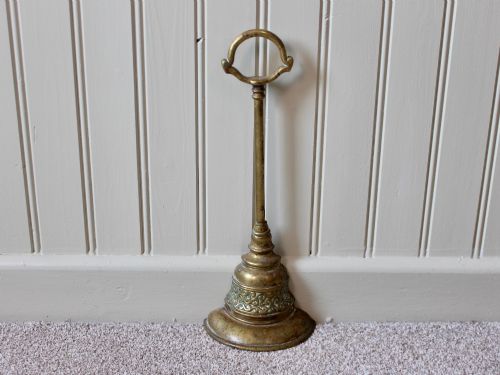
A vintage brass door porter holds heavy interior doors open with gravitas, bringing character and substance to any hallway.
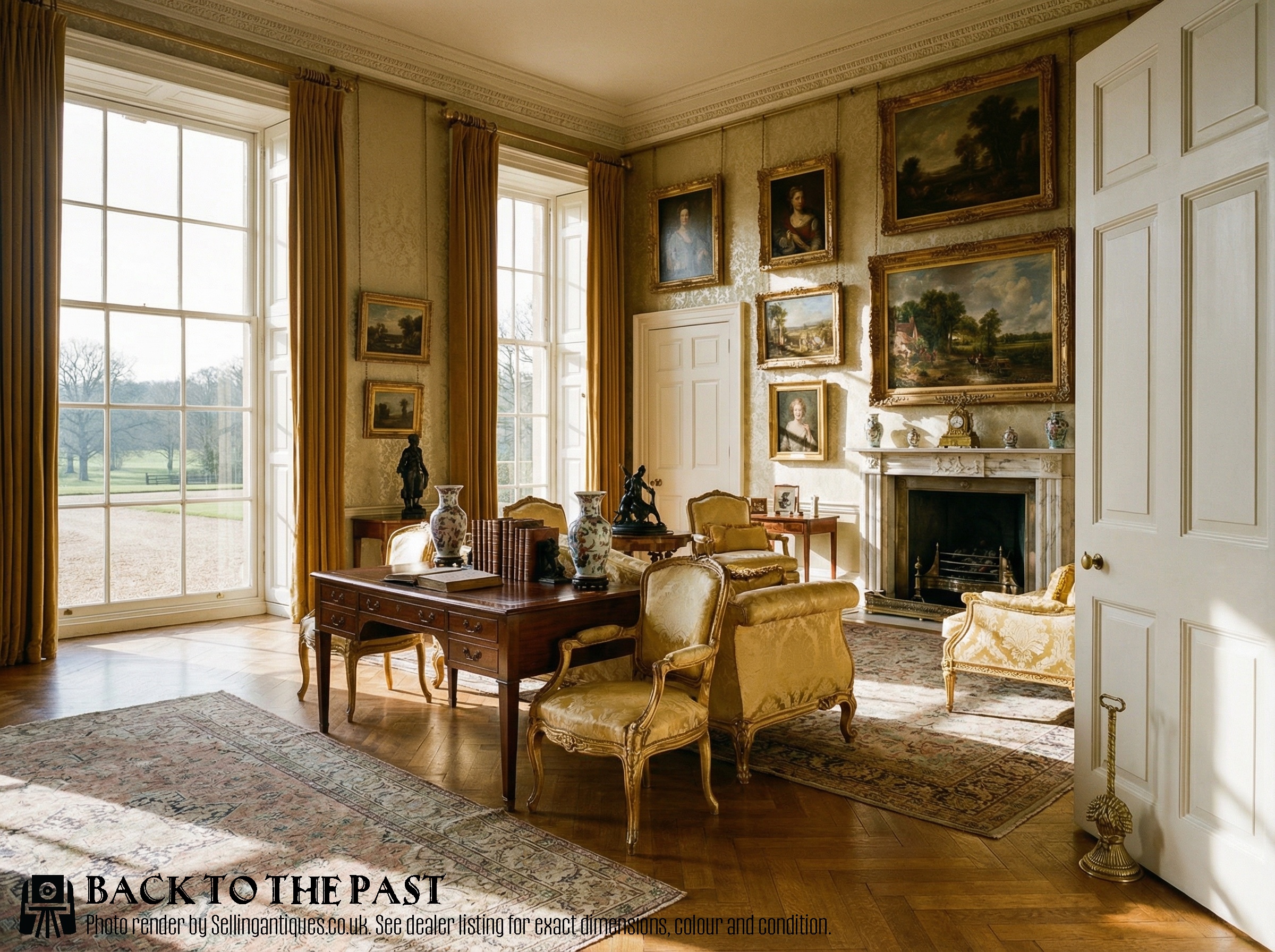
Vintage Brass Door Porter
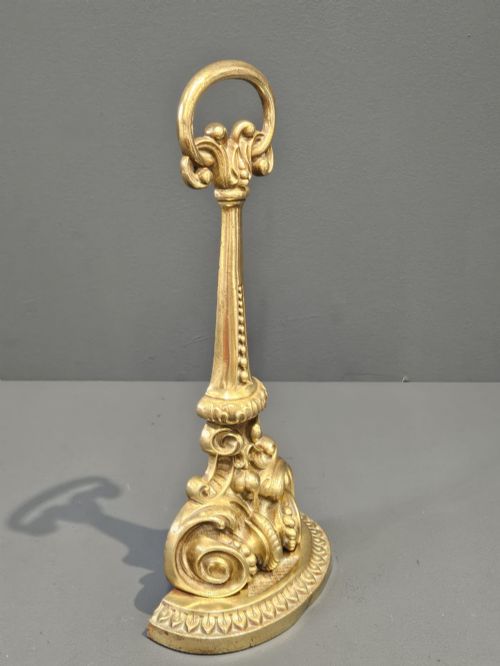
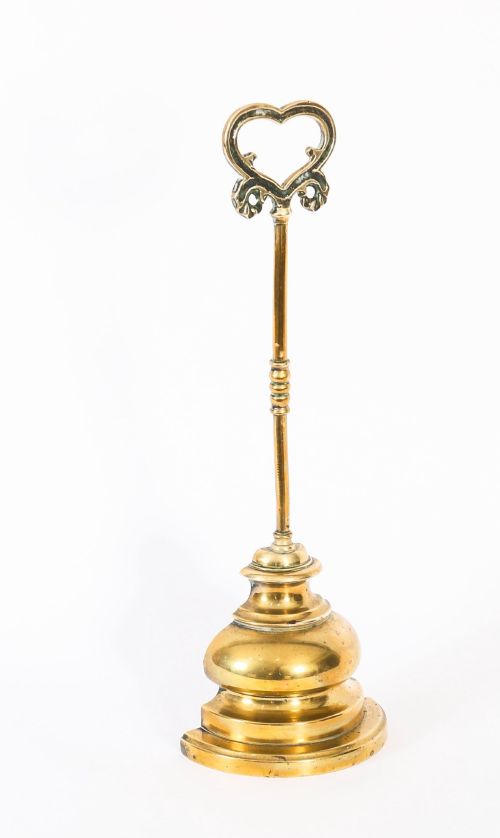
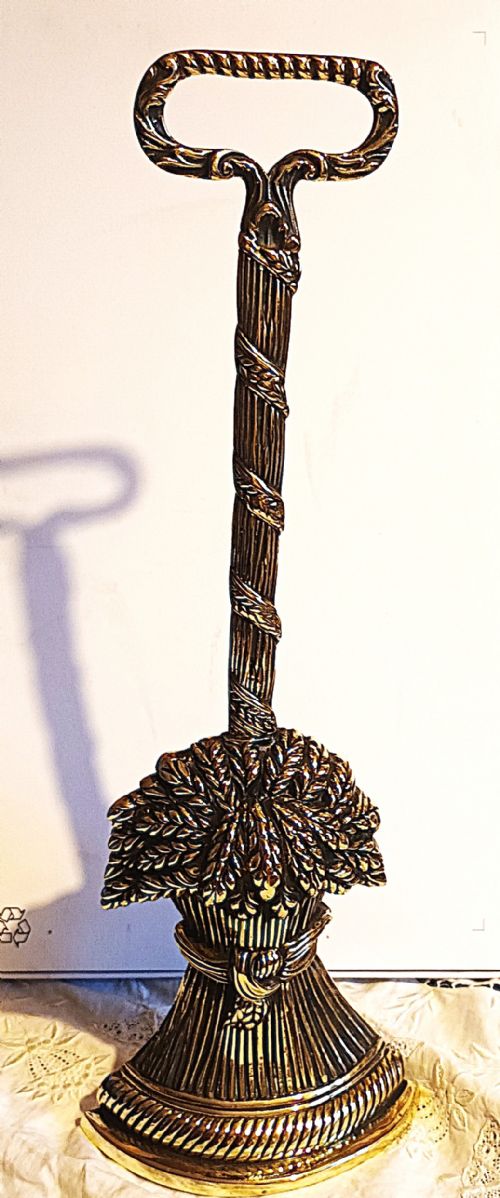
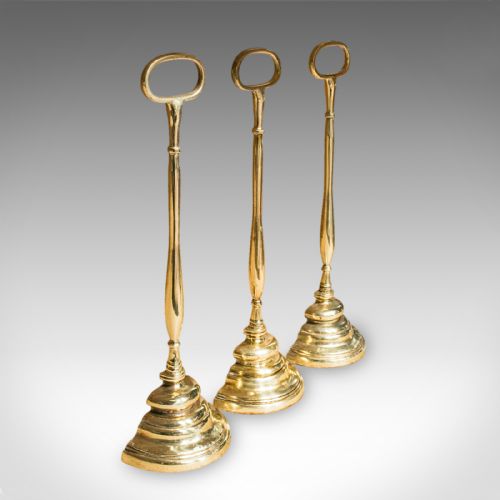
A vintage brass door porter is a heavy decorative weight designed to keep interior doors from swinging shut in draughty hallways and rooms. These functional objects appear in various forms across several periods, including Georgian, Victorian, and Edwardian eras.
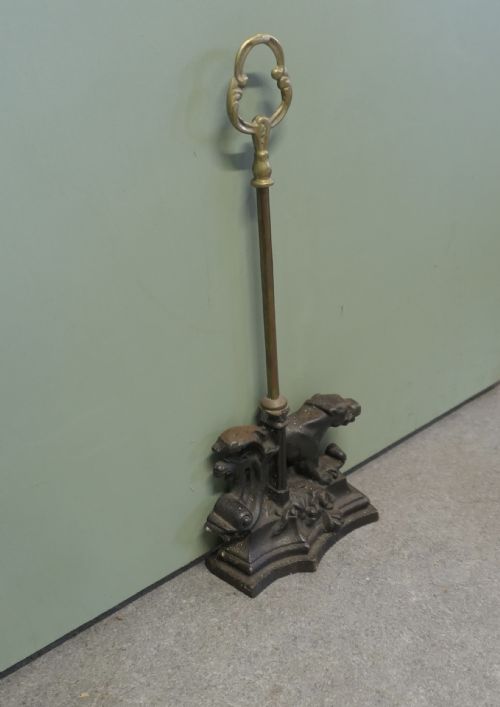
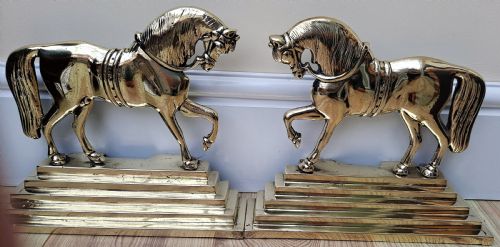
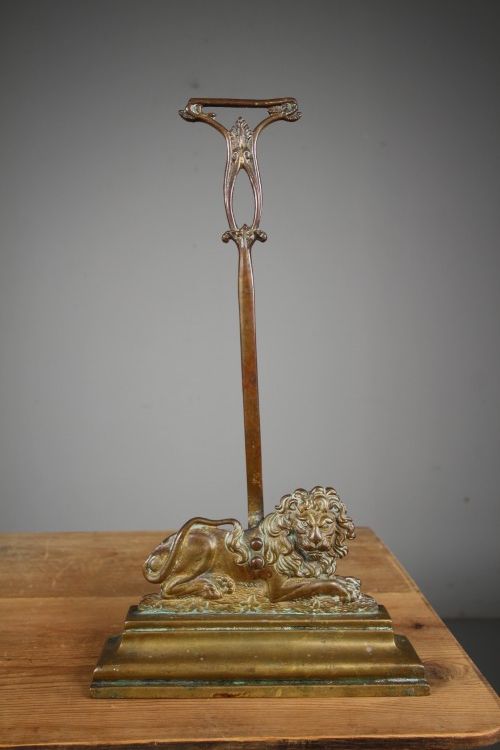
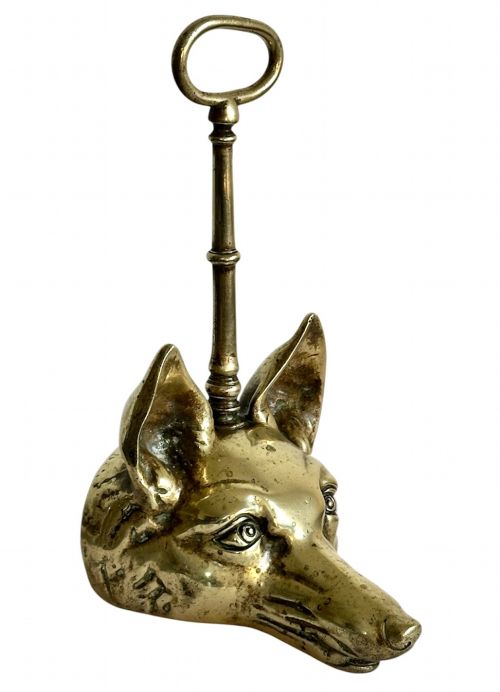
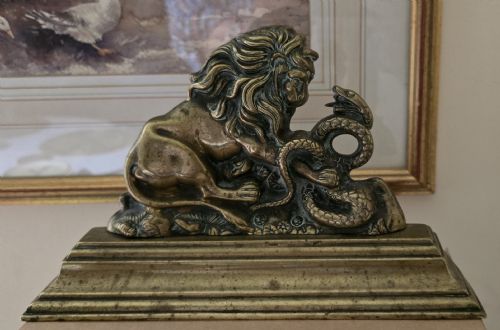
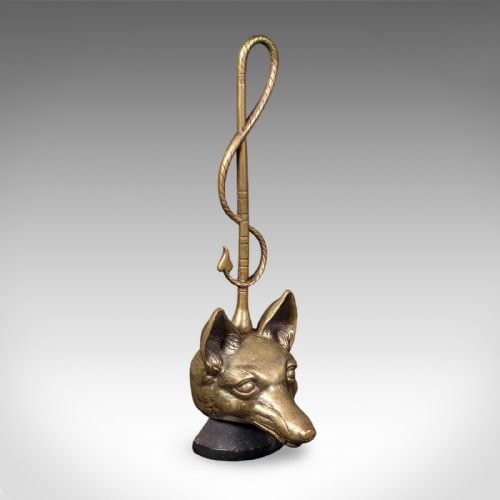
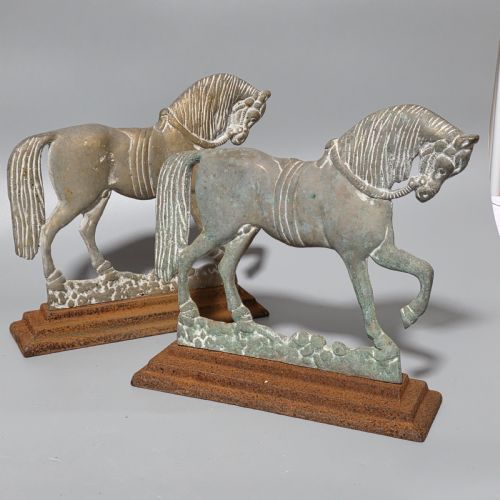
The pieces on this page span the nineteenth and early twentieth centuries, featuring distinct figural and animal motifs. Buyers will encounter domestic and classical subjects such as lions, horses, foxes, cherubs, and historical figures.
While most examples are cast entirely in brass, some combine brass with lead, cast iron, or bronze for added weight. They originate primarily from English workshops, with occasional pieces reflecting Dutch design.
How they were made
Many heavy weights include internal lead or iron weighting to ensure the door porter remains stable against stubborn doors. Surface finishes are achieved through casting and polishing, highlighting the warm metallic tones of the brass.
Vintage Brass Door Porter Retail Price Guide 2026
Typical asking prices for vintage brass door porter among the pieces listed under this phrase on Sellingantiques today, from the lower quarter to the upper quarter. They describe what is for sale here now, not the wider market.
What varies in quality
The choice of materials also distinguishes the range, with solid brass castings and balanced multi-material constructions demonstrating superior craftsmanship compared to simpler utilitarian forms.
Tonks·William Tonks
The Vintage Brass Door Porter Glossary
- Door porter
- A heavy movable weight designed specifically to keep interior doors propped open. These items are also frequently catalogued as door stops or door keepers.
- Cast brass
- Molten brass poured into a mould to form solid shapes and decorative figures. This material provides durability and a bright metallic finish.
- Chimney horse
- A traditional term for a specific style of brass door porter often shaped like a horse or associated with hearth furnishings. These pieces date predominantly to the Georgian and nineteenth-century periods.
- Figural doorstop
- A door porter moulded into the likeness of a person, animal, or mythological character. Examples include lions, foxes, dogs, and historical figures like Lord Nelson.
- Regency
- A design period spanning the early nineteenth century characterised by classical motifs and elegant proportions. Porters from this style often display restrained ornamentation.
Vintage Brass Door Porter: Frequently Asked Questions
What is a door porter?
A door porter is a heavy decorative weight used to hold interior doors open. They combine practical utility with sculptural form.
Historically placed in grand hallways, they prevent doors from slamming in draughty rooms.
How heavy are these pieces?
These pieces are cast in solid brass, iron, or bronze to provide substantial weight. This mass keeps heavy wooden doors securely in place.
Many examples incorporate lead weighting within the base for added stability.
Where were they used?
They were used primarily in country houses, townhouses, and domestic interiors. Porters sat on the floor near doorways in high-traffic rooms.
Today they serve the same function while adding period character to hallways.
How do I identify the period?
Period identification relies on stylistic cues, casting techniques, and specific motifs. Georgian and Regency pieces show classical restraint, while Victorian examples often feature ornate figural work.
Design details such as cherubs, animals, and historical subjects help narrow down the date of manufacture.