

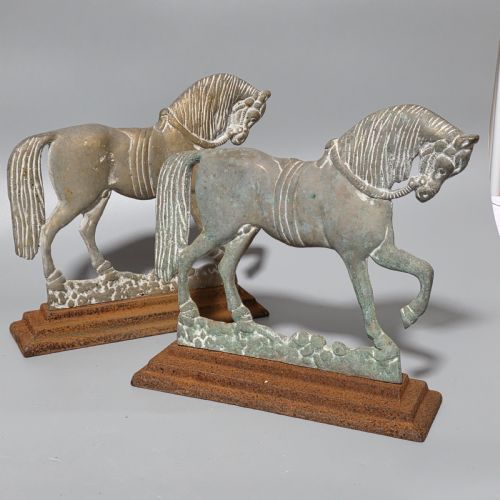


Antique Brass Porter
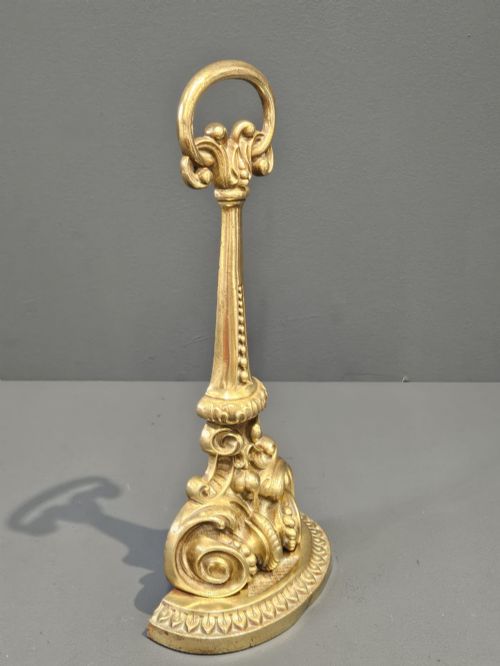
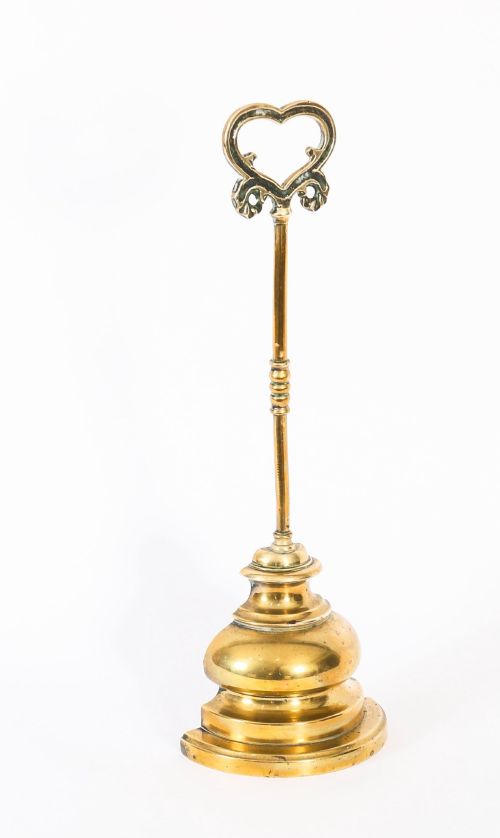
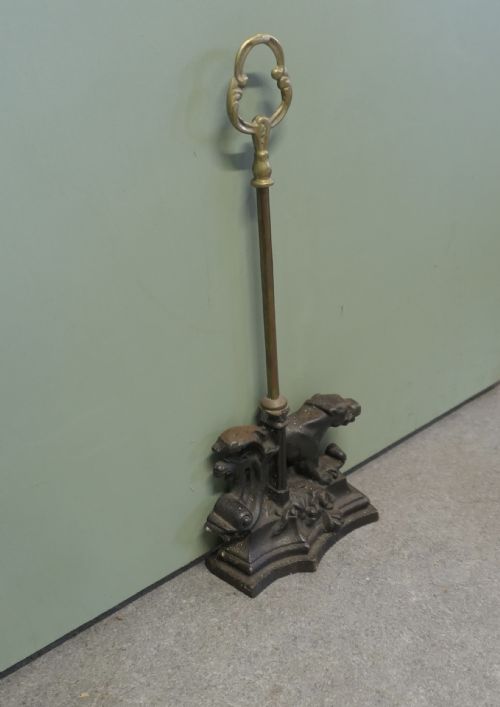
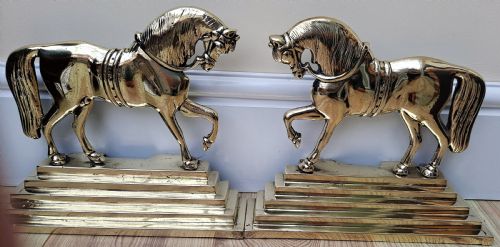
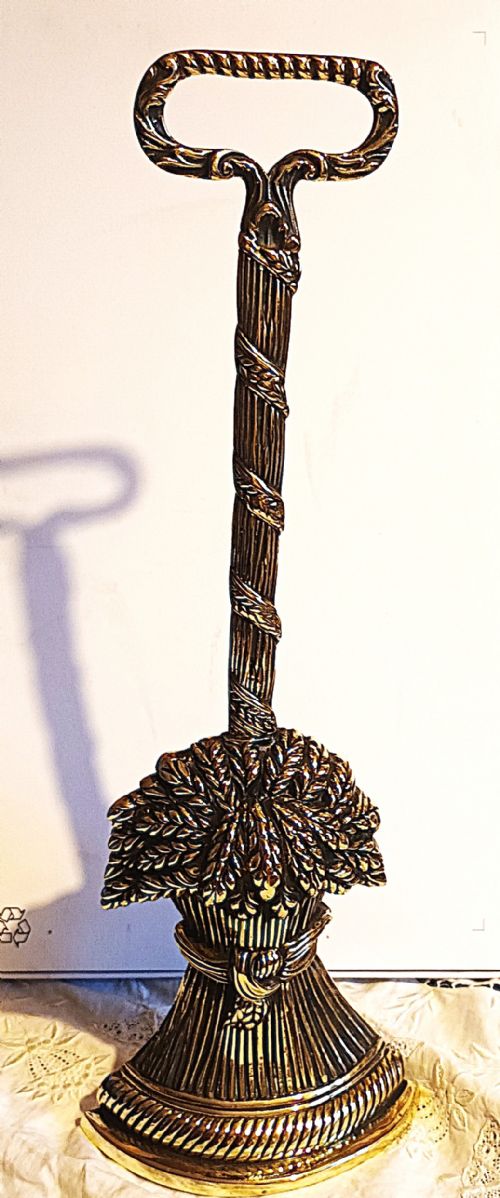
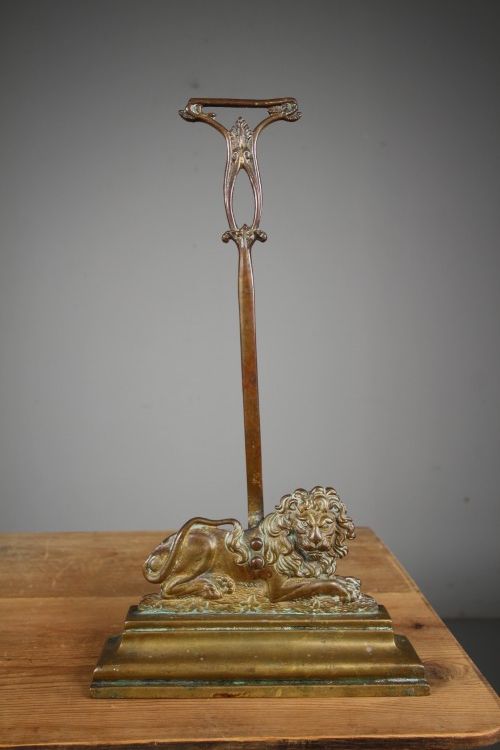
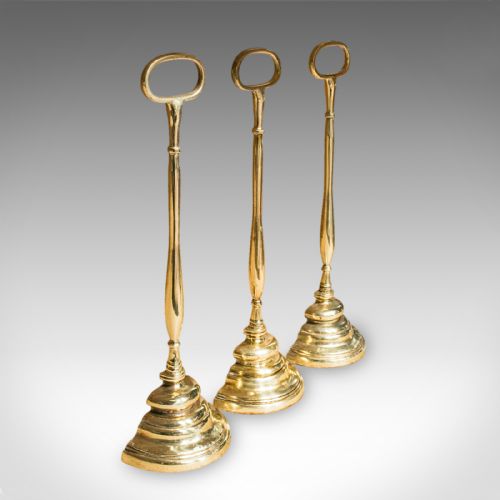
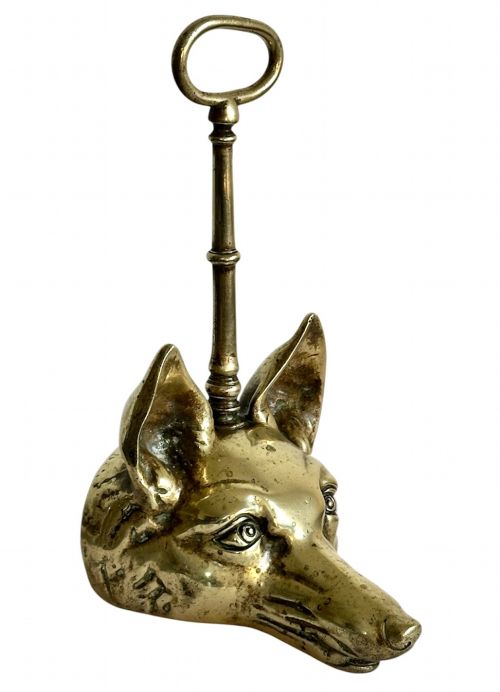
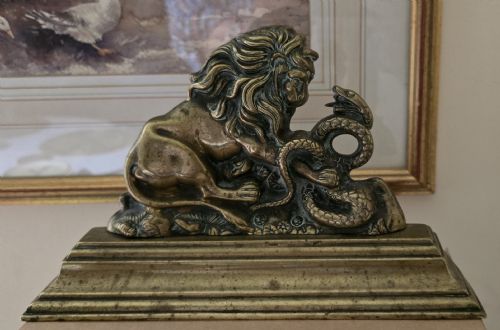
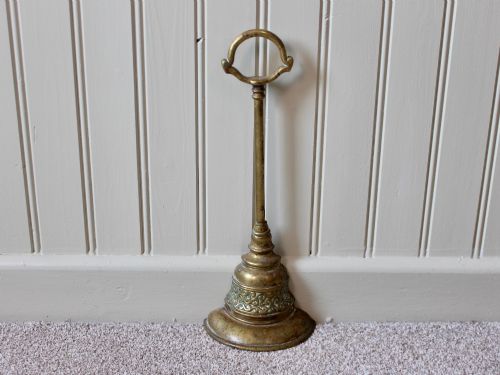
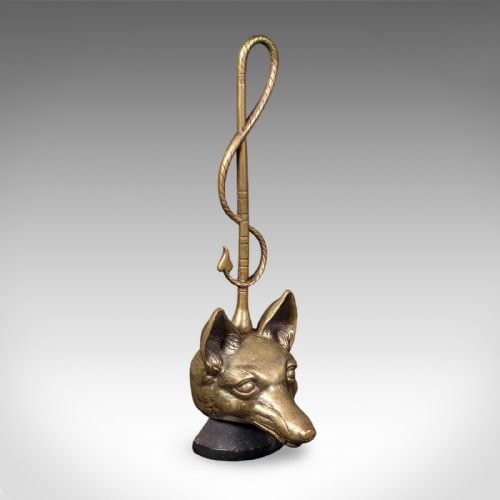
These heavy figures are an antique brass porter designed to hold heavy doors open in a draughty house.
Antique Brass Porter
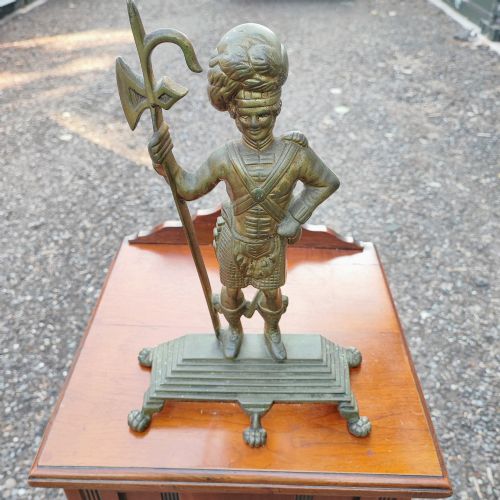
The term antique brass porter covers functional weighted objects designed to hold heavy doors open, predominantly encountered here as figural doorstops cast in solid metal. These pieces take various forms, from heraldic animals and soldiers to floral baskets and mythological cherubs, serving to anchor doors securely in hallways and reception rooms.
Most examples originate from the Victorian and Georgian periods, with a strong representation of late nineteenth-century manufacture alongside earlier Regency pieces. The primary formats include standalone brass figures, weighted pairs featuring iron bases, and occasionally related hearth furniture or key cabinets.
English country house aesthetics dominate the selection, often depicting specific characters such as Mr Punch, Lord Nelson, or Scottish soldiers alongside equine and canine subjects. Buyers encountering this selection find functional household metalwork that doubled as decorative sculpture during the nineteenth century.
Materials and manufacture
Foundries utilised sand casting techniques to produce these heavy objects, pouring molten brass into moulds created from wooden or metal patterns. The resulting castings required hand-finishing, including filing the seams and polishing the exterior surfaces to achieve a bright golden appearance.
Many heavy examples combine cast brass figures with lead or cast iron bases to provide the necessary weight for keeping large doors stationary. Detail work on faces, foliage, and uniforms was often chased or incised by hand after the primary casting cooled.
Mr Punch and Lord Nelson stand guard alongside brass dolphins and chimney horses.
The markers of quality
Weight distribution also separates standard utility pieces from finer items, with better doorstops utilising solid brass combined with substantial iron or lead ballast plates beneath. The presence of maker marks, such as those by registered foundries, distinguishes mass-produced items from superior workshop output.
William Tonks·Tonks
The Antique Brass Porter Glossary
- Door porter
- An alternative nineteenth-century name for a heavy doorstop designed to be lifted by a top ring or handle. These pieces were moved about large rooms as needed.
- Chimney horse
- A specific regional term found in listings for figural brass door stops, often depicting horses or military figures used around hearths and doorways. They reflect the ornamental tastes of English country houses.
- Hearth trivet
- A low metal stand placed near the fire for warming plates or vessels, sharing materials and manufacturing techniques with brass doorstops. They occasionally appear alongside door porters in older collections.
- Cast brass
- Molten alloy poured into a mould rather than beaten from sheet metal. This method allowed makers to achieve high levels of three-dimensional detail in figures and animals.
- Lead ballast
- Heavy metal weighting inserted into the base of a hollow or composite doorstop to ensure it holds firm against a draughty door. This hidden weight is essential to the function of the piece.
Antique Brass Porter: Frequently Asked Questions
How were brass porters used?
These weighted objects stood on the floor near heavy interior doors to prevent them from slamming shut in draughty hallways and reception rooms. Servants moved them throughout the house wherever airflow needed regulation.
Their substantial weight allowed them to hold firm against thick wooden doors without slipping or scratching floorboards. Many included an integrated loop handle at the top for easy carrying from room to room.
How do I tell Victorian pieces apart from Georgian ones?
Georgian porters often display restrained neoclassical lines, simpler figural subjects like Nelson or basic chimney horses, and heavier sand-cast proportions. They tend to feel simpler and more utilitarian in their decorative approach.
Victorian examples embrace ornate and theatrical subjects such as cherubs, soldiers, animals with detailed fur, and elaborate floral baskets. The casting technology of the later nineteenth century also permitted much finer undercutting and sharper facial expressions.
Are these doorstops made entirely of solid brass?
While the visible exterior and figural components are cast in brass, many examples incorporate other metals for functional reasons. Iron, lead, and wood frequently appear inside or at the base to provide the heavy weight required for door control.
Composite construction involving a cast brass front screwed to an iron or lead backplate is particularly common in nineteenth-century designs. This saved on precious brass while maintaining structural stability and heft.
How do I care for antique brass doorstops?
Maintenance requires only occasional dusting with a soft cloth to preserve the accumulated surface patina built up over decades of handling. Aggressive metal polishes should be avoided because they strip away the historical darkening that collectors value.
Keeping them away from damp environments prevents corrosion on any internal iron components or lead weights. A light application of microcrystalline wax can protect the brass surface if required.