




Antique Metal Door Porter
These heavy brass and iron pieces hold doors open, and an antique metal door porter brings distinct character to any hallway.
Antique Metal Door Porter
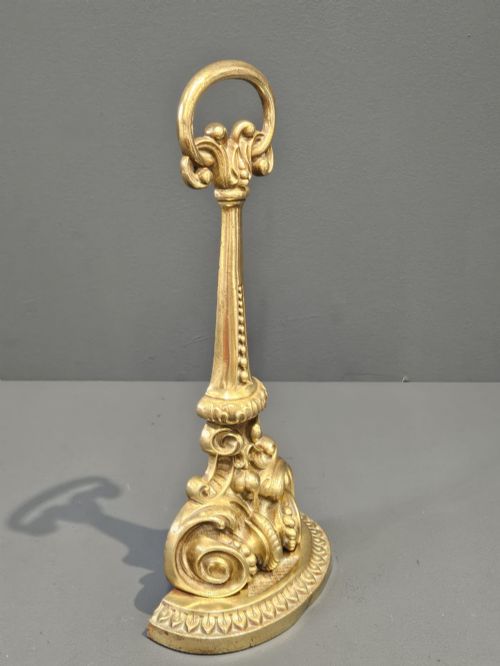
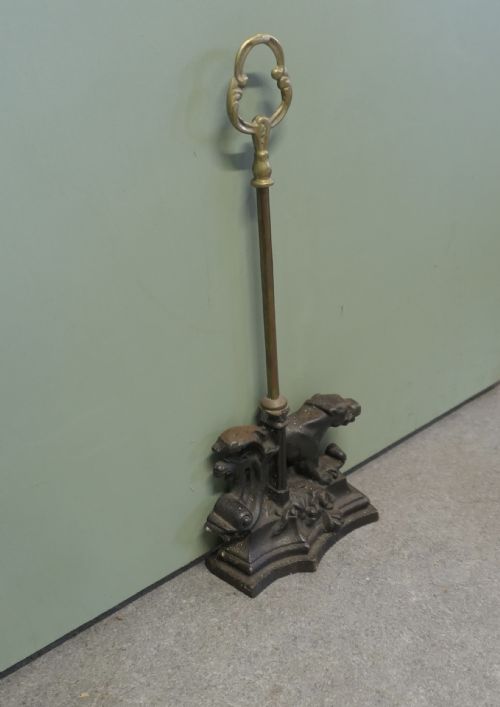
An antique metal door porter is a heavy freestanding weight designed to keep interior doors from swinging shut in draughty rooms. When searching for an antique metal door porter, buyers will encounter numerous figurative designs spanning the Georgian, Regency and Victorian periods.
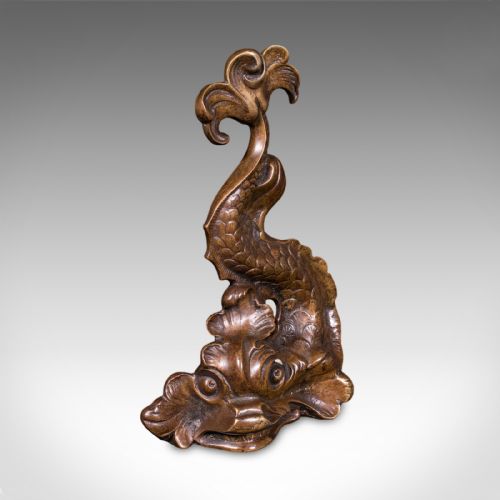
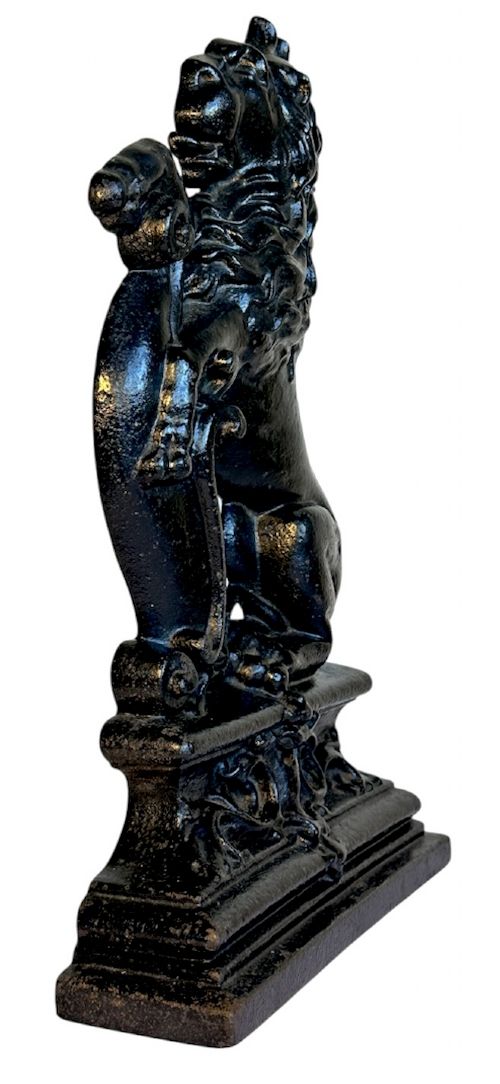
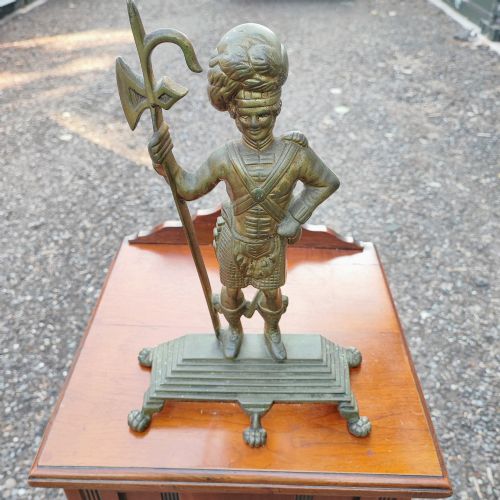
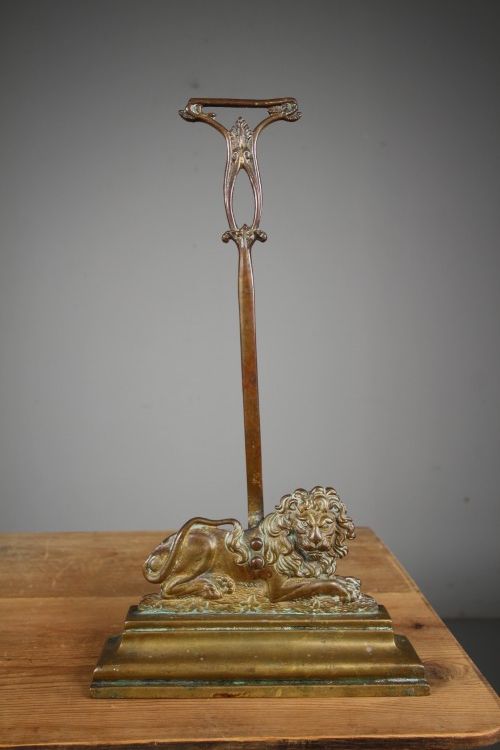
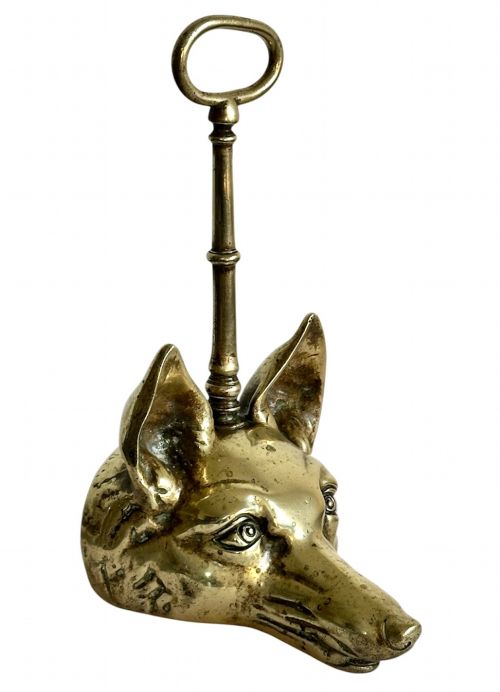
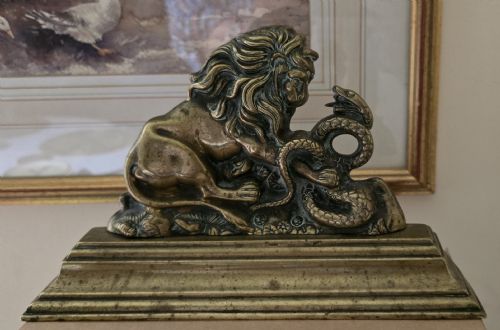
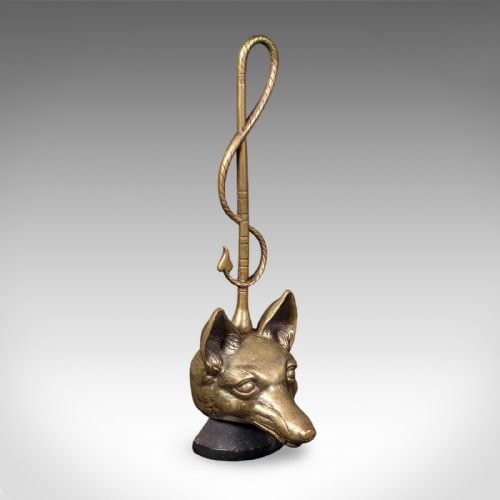
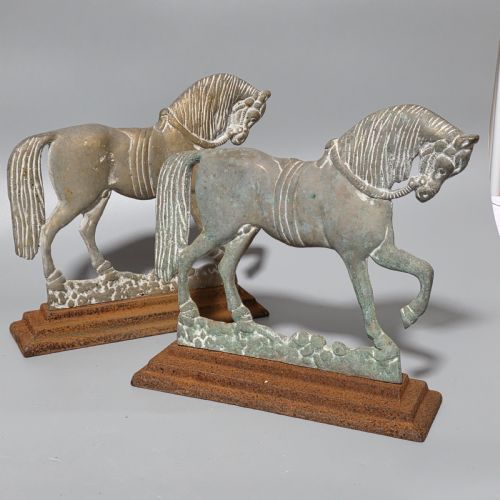
The selections on this page are dominated by 19th-century English examples cast in brass or iron. Animal subjects such as lions, horses and fox heads appear frequently alongside human figures including soldiers, cherubs and literary characters.
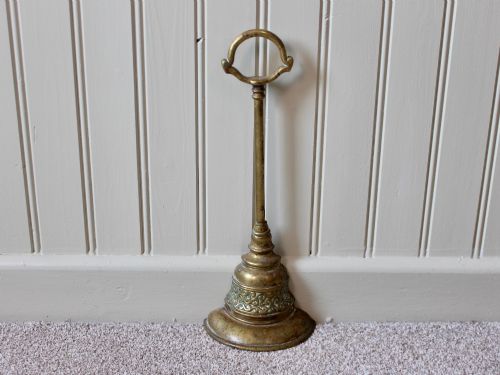
These functional objects double as sculptural ornaments for the hearth or hallway. Most examples rely on substantial weight and an integrated handle or ring to allow straightforward lifting and placement.
Materials and methods
Foundry workers utilised sand casting to shape molten brass, bronze or iron into detailed figurative and heraldic forms. Heavier models often incorporated lead weights within the base to ensure stability against thick doors.
Surface finishes vary from polished or cast brass to painted cast iron and occasional gilt bronze. Surviving examples frequently show traces of original pigment or aged patination developed through decades of domestic use.
Listings span the Georgian, Regency and Victorian eras, utilising cast iron, brass, bronze and painted finishes in animal and human forms.
Evaluating craftsmanship
Proportion and stance dictate stability and visual balance. Superior examples demonstrate a heavy, reassuring heft and secure assembly between the handle and the main body rather than loose or wobbly construction.
Tonks·William Tonks·William Tonks and Sons
The Antique Metal Door Porter Glossary
- Door porter
- A heavy portable weight designed to hold doors open in the manner of a traditional doorstop. These objects typically feature an upright handle for easy carrying.
- Cast brass
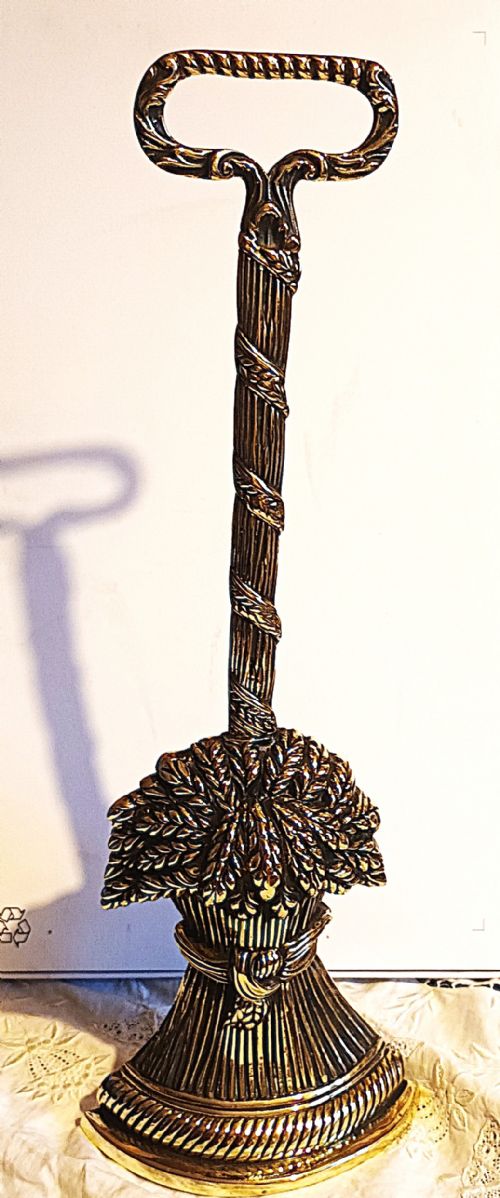
- An alloy of copper and zinc poured into a mould to create solid decorative items. This material forms the bright metallic body of many Victorian door keepers.
- Cast iron
- A strong, heavy iron-carbon alloy poured into sand moulds. This dense metal provides the substantial weight needed for utilitarian door control.
- Gilt bronze
- Bronze metal coated with a thin layer of gold for a rich decorative finish. This technique appears on select ornamental pieces from the Regency period.
Antique Metal Door Porter: Frequently Asked Questions
What is a door porter?
A door porter is a heavy freestanding weight fitted with an upper handle, designed to keep interior doors open against draughts.
Unlike fixed doorstops attached to floors or skirting boards, these portable pieces can be moved easily from room to room.
How heavy are these doorstops?
Most examples weigh several kilograms, relying on dense cast iron, solid brass or internal lead weighting to hold heavy doors in place.
This substantial mass ensures the object remains stable when nudged or subjected to sudden air currents.
Where should I place a door porter?
These pieces sit directly on the floor against the inside face of a door to prevent it from closing unexpectedly.
They are commonly used in hallways, living rooms and studies, doubling as decorative ornaments when not actively holding a door.
How do I identify a Victorian piece?
Victorian examples often feature robust cast iron or brass construction depicting popular animals, military figures or literary characters like Mr Punch.
Design motifs from this era tend towards ornate detailing and heavier proportions compared to earlier Georgian styles.