



Decorative Brass Weight
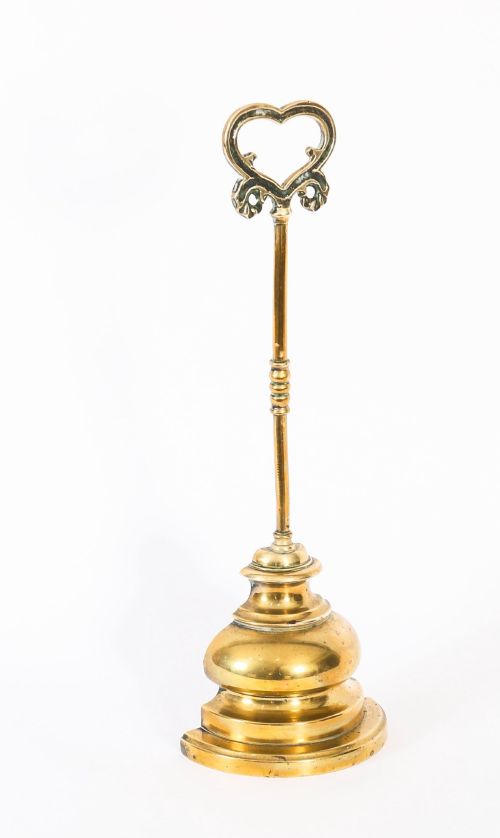
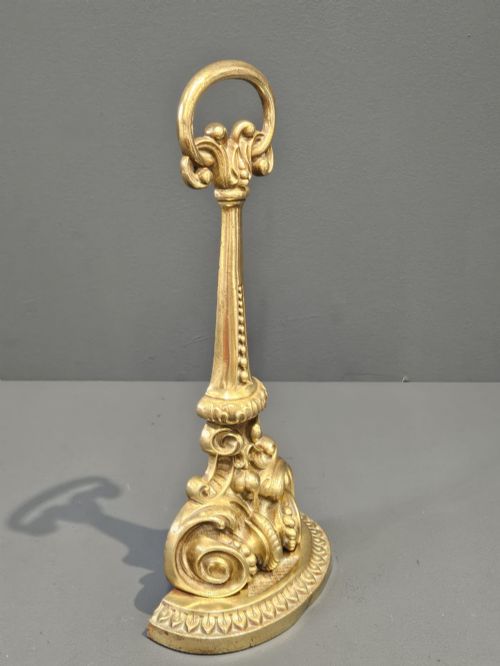
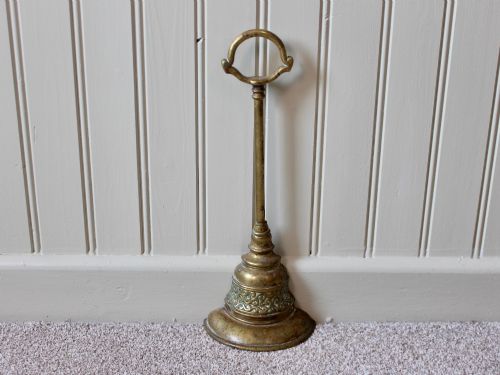
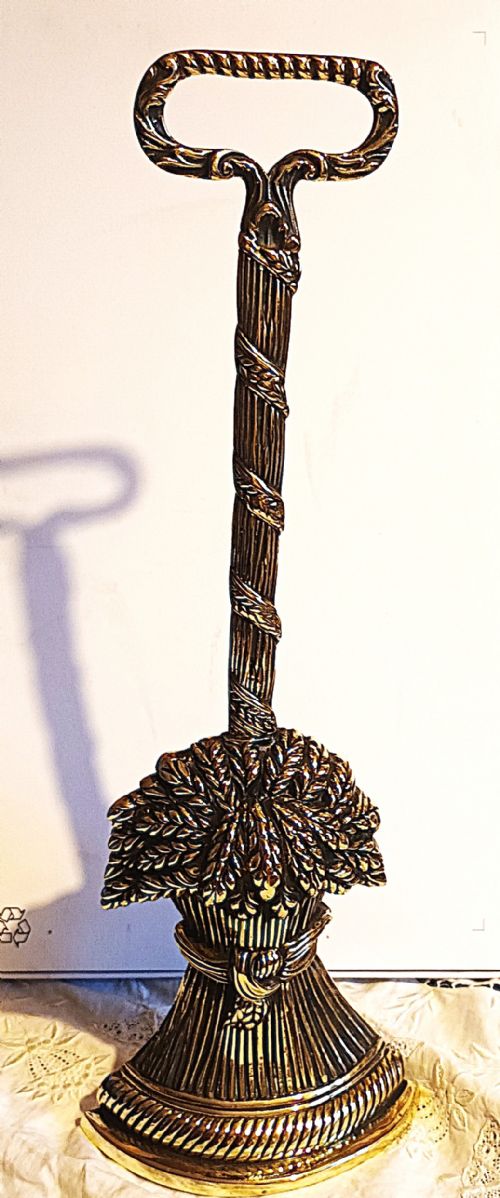
These decorative brass weight items are functional domestic objects built to hold doors or measure goods, bringing period utility and metallic warmth to a room.
Decorative Brass Weight
When you search for a decorative brass weight, you encounter heavy functional objects primarily designed as door stops, door porters, and weighing scales. These items span Victorian, Edwardian, and Georgian periods, showcasing domestic utility from the nineteenth and early twentieth centuries.
The most common forms on this page are brass doorstops and door porters, frequently cast in figural designs such as cherubs, dolphins, and fox heads. Alongside these heavy holders, you find postal scales, balance scales, and desk accessories combining brass with iron, copper, and hardwood.
Origins vary between English country house pieces and Dutch colonial examples, reflecting the widespread European domestic demand for robust, ornamental metalwork. Whether utilised to prop heavy interior doors or display on a desk, each object fulfils a practical purpose through decorative means.
Materials and construction methods
These pieces rely heavily on cast brass, often utilising iron or lead as weighted internal components to ensure stability for door porters and balance scales. Foundries poured molten metal into moulds to create high-relief figures and sturdy bases, resulting in thick, durable structures.
Makers integrated mixed media where function demanded, combining brass elements with hardwood bases, wrought iron shafts, steel components, and copper pans. Oak and other hardwoods provide solid foundations for scale sets and letter clips, while brass fittings supply the polished surfaces.
Listings span multiple eras including Georgian, Victorian, Edwardian, and 1960, utilising brass alongside cast iron, copper, lead, and hardwood.
Judging the quality of brass work
Quality in these objects lies in the crispness of the casting and the weight of the metal. Finer examples display sharp detail in figural motifs like animal heads and cherubs, whereas simpler pieces show softer edges from worn moulds.
The choice of secondary materials also separates standard items from superior works. Pieces incorporating solid hardwoods, lead weighting, and complementary metals such as copper demonstrate a higher grade of manufacture than uniform brass castings.
Tonks
The Decorative Brass Weight Glossary
- Door porter
- A heavy portable doorstop designed with a handle at the top for carrying between rooms. These items prevent doors from slamming in draughty hallways.
- Balance scale
- A weighing apparatus using a central pivot beam and suspended pans to determine mass. These instruments often feature brass beams and copper or brass pans.
- Letter clip
- A desk accessory utilising a sprung metal mechanism to hold correspondence secure. They appear in cast brass configurations for desktop or wall mounting.
- Troy weight
- A system of units of mass used for precious metals and gemstones. Sets of these weights are housed in fitted wooden blocks for display.
Decorative Brass Weight: Frequently Asked Questions
What is a brass door porter?
A brass door porter is a heavy freestanding object used to keep interior doors open. They incorporate a vertical handle at the top so residents can lift and move them easily across floorboards.
These items combine utilitarian weight with decorative casting, often featuring animals or classical motifs.
How do I date an antique brass weight?
Dating relies on stylistic clues, manufacturing techniques, and recorded periods such as Victorian, Edwardian, or Georgian. Examining the casting style and secondary materials like oak or wrought iron helps establish the era.
Makers' marks or specific foundry names, when present, provide a direct link to the period of production.
Were postal scales used in homes?
Postal scales served both domestic and commercial environments for weighing letters before dispatch. They ensured correct postage was applied by measuring small loads accurately.
These balance scales frequently incorporate polished brass components mounted on hardwood bases.
How do I clean antique brass?
Cleaning antique brass requires caution to preserve the dark patination accumulated over centuries. Harsh abrasives damage the surface texture and remove historical character.
Gentle dusting or light wiping maintains the appearance without stripping the aged finish.