



Weighted Brass Porter
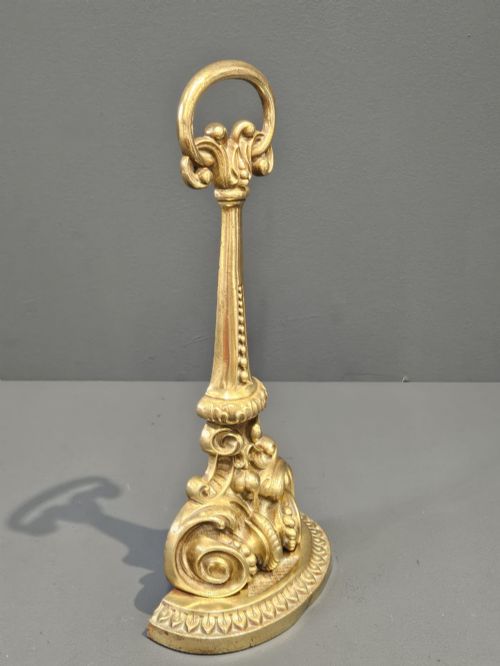
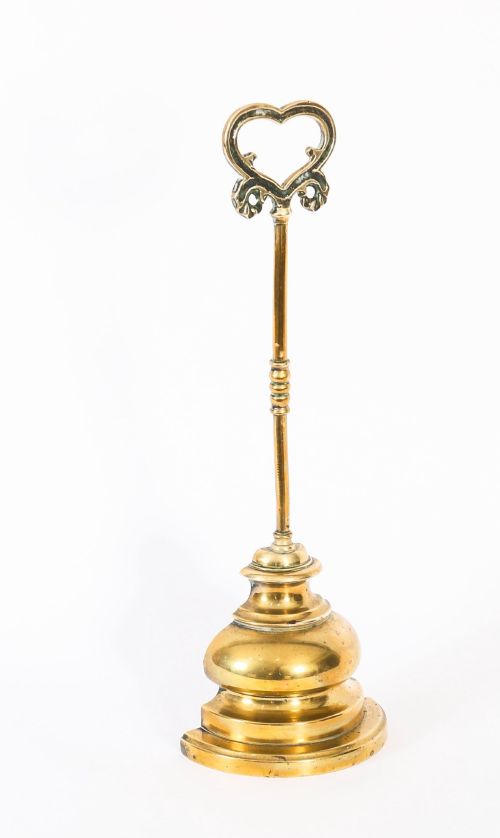
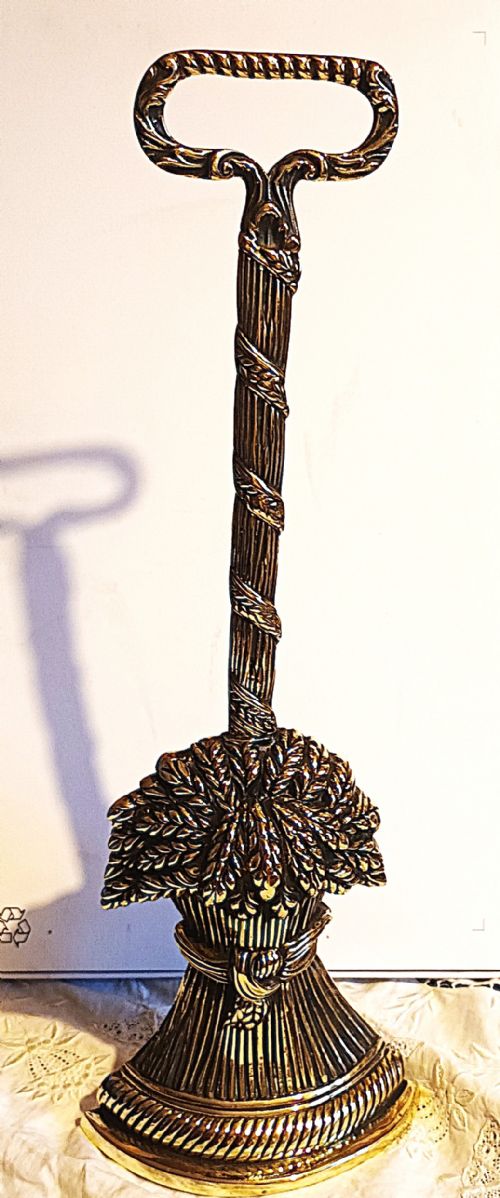
These heavy weighted brass porter items keep doors open with authority, combining solid metal weight with expressive figural designs.
Weighted Brass Porter
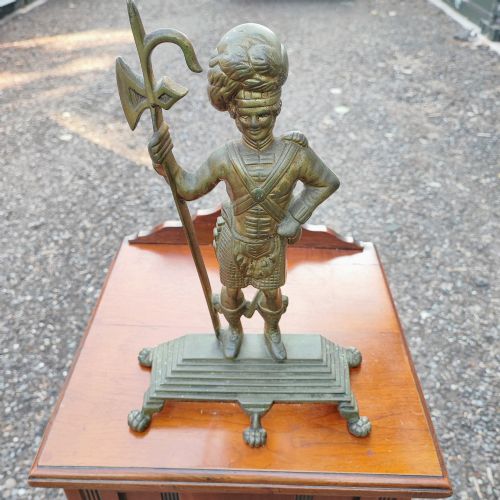
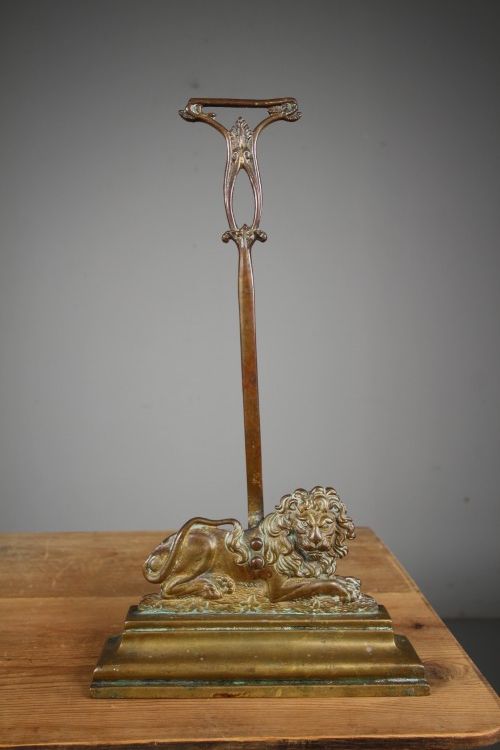
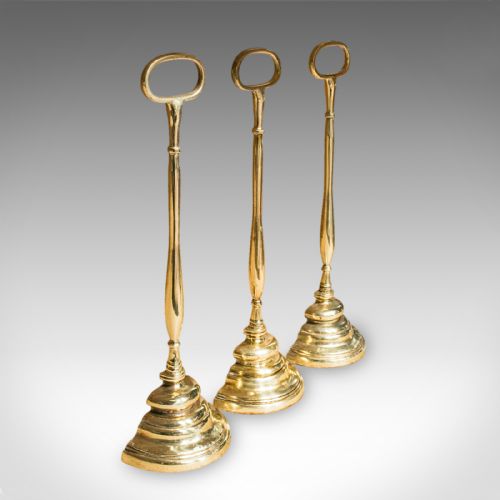
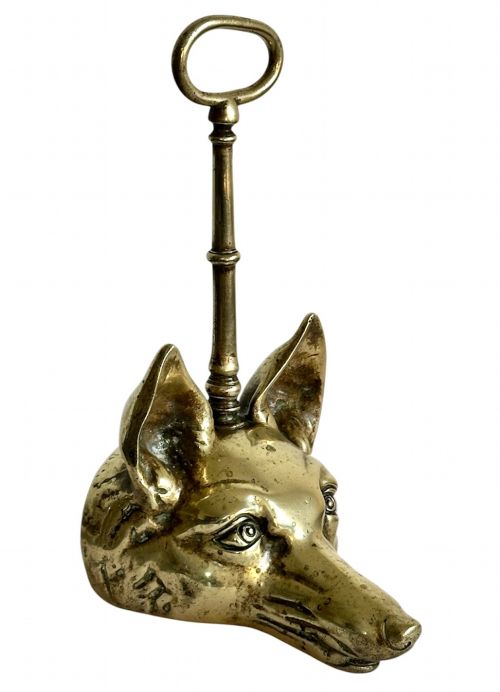
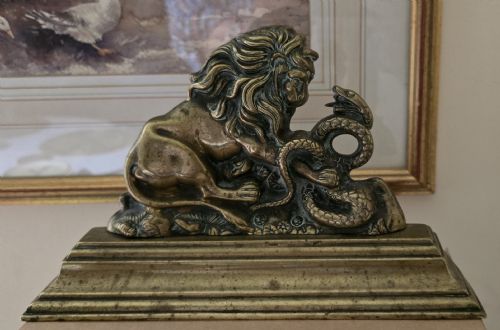
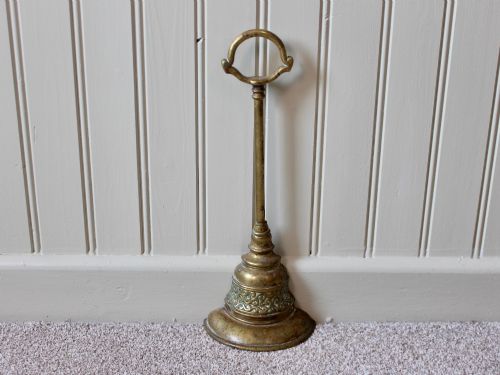
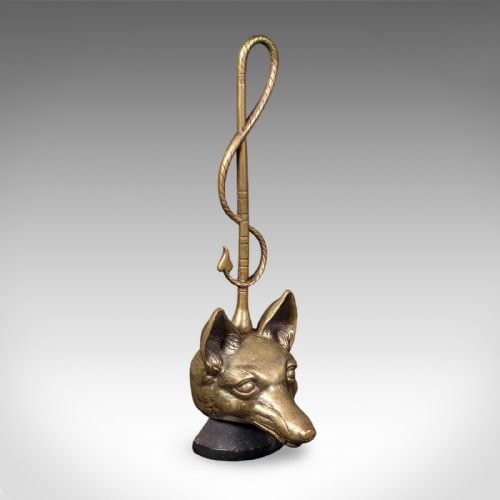
A weighted brass porter is a solid doorstop designed to hold heavy doors open in domestic settings, taking the form of figures, animals, or heraldic motifs. The examples seen here span the Georgian, Victorian, and Edwardian periods, produced mainly in England alongside occasional Dutch pieces.
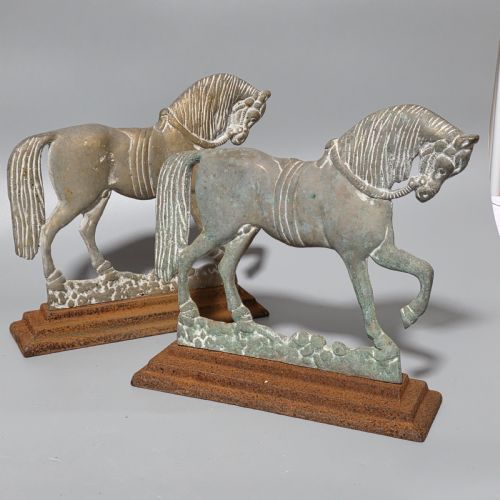
Most items you encounter on this page date from the 19th century, particularly the Victorian era, manifesting as lions, horses, soldiers, and cherubs. These functional objects served practical purposes in country houses and town residences alike, keeping draughts at bay while doubling as decorative sculpture.
Materials and construction
These pieces are primarily constructed from cast brass, often utilising lead or cast iron weighting components in the base to provide the necessary heft for holding doors. Foundries employed sand casting techniques to shape the brass figures and integrated iron or lead internal weights to ensure stability.
The combination of brass with secondary metals like iron or lead reflects the practical demand for a heavy base beneath an ornate metal figure. Surface finishes range from polished brass to patinated surfaces accumulated over decades of domestic use.
Listings feature items from the Georgian, Victorian, and Edwardian periods, utilising brass, cast iron, and lead.
Assessing quality
The weight distribution and the integrity of the base also separate superior pieces from simpler utilitarian items. A substantial casting with integrated lead or iron weighting offers better functional performance and a more pleasing presence on the floor.
Tonks·William Tonks
The Weighted Brass Porter Glossary
- Door porter
- A heavy movable stop placed against a door to keep it open. These items are also frequently referred to as doorstops or door keepers.
- Cast brass
- Molten metal poured into a mould to create a rigid three-dimensional shape. This method allows for detailed figural representation.
- Regency
- An architectural and design period dating from the early nineteenth century. Pieces from this era often exhibit classical restraint and elegant proportions.
- Victorian
- The period of Queen Victoria's reign spanning the nineteenth century. It encompasses eclectic stylistic revivals and robust domestic metalwork.
- Patina
- The surface sheen and coloration developed through age and handling. This natural layer distinguishes older metalwork from modern reproductions.
Weighted Brass Porter: Frequently Asked Questions
What is a weighted brass porter?
A weighted brass porter is a heavy metal object used to hold interior doors open. They combine a decorative cast brass figure with a weighted base.
These items were common in nineteenth-century homes where heavy doors required sturdy resistance against draughts.
How heavy are these doorstops?
These items are substantial enough to hold open heavy doors through the inclusion of lead or cast iron weighting.
The added internal weight ensures the solid brass figures remain stable on the floor during daily use.
Where were they used?
They were placed in hallways and principal rooms of English country houses and town residences. Their role was both practical and decorative.
Servants moved them between doors as needed throughout the day.
How do I date a porter?
Dating relies on stylistic clues like Regency classical lines or Victorian ornamentation. Foundry marks, where present, also point to specific periods.
Materials such as combined cast iron and brass provide additional chronological indicators.