



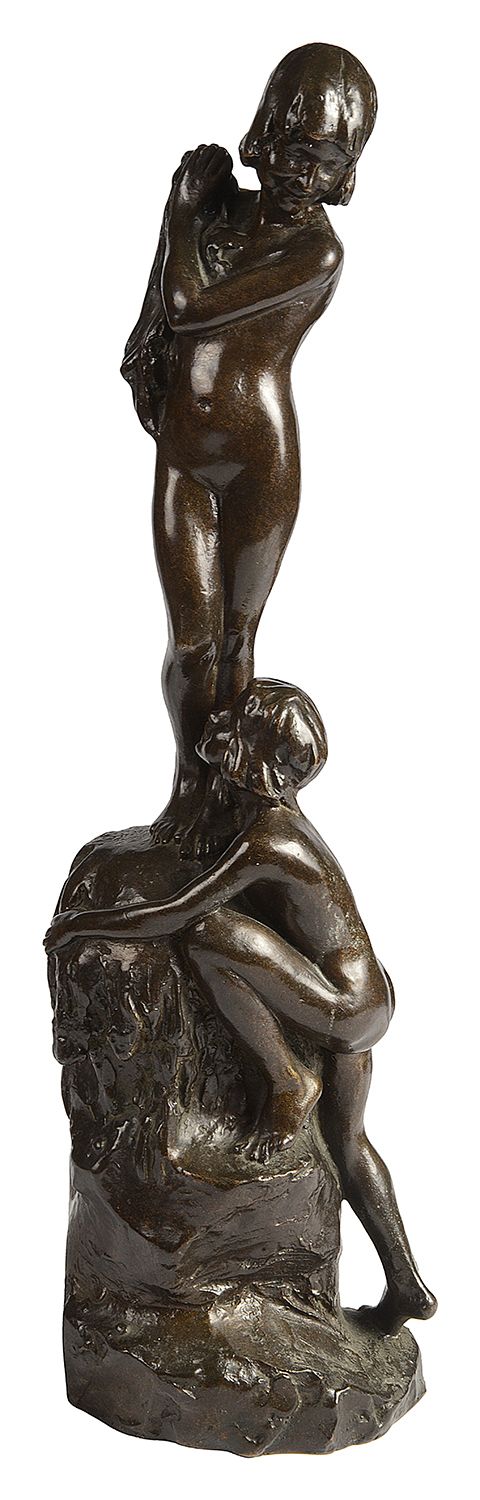
Dark Bronze Ornament
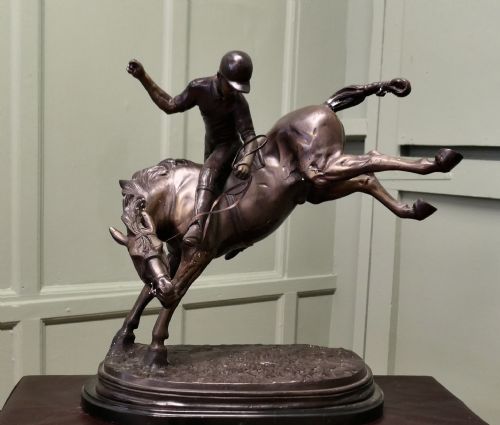
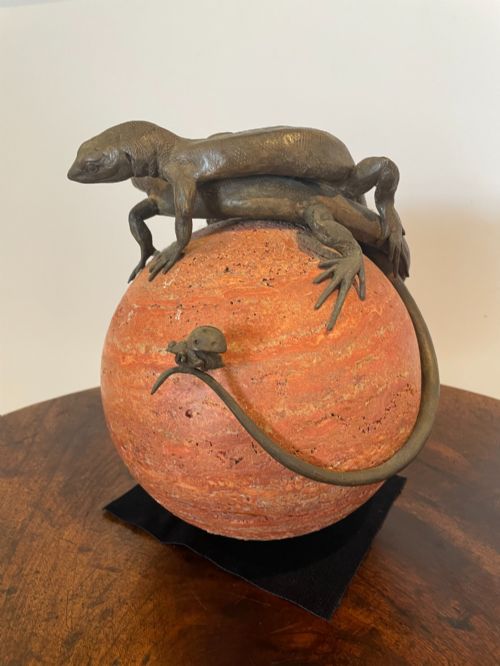
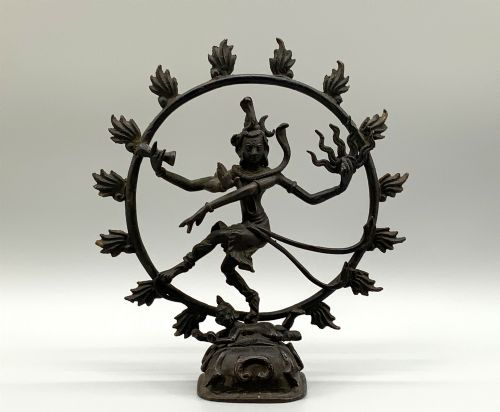
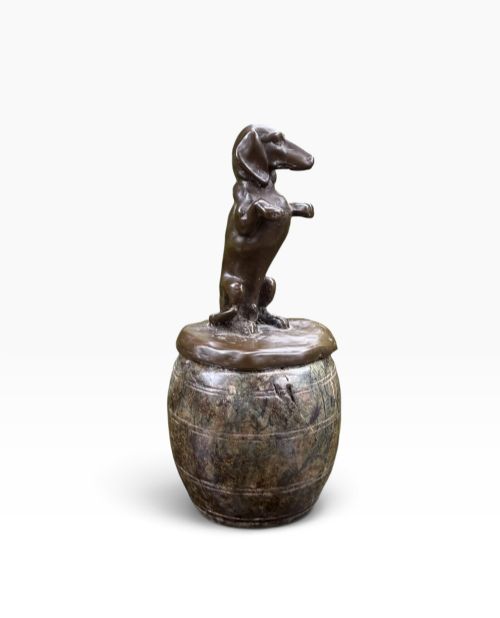
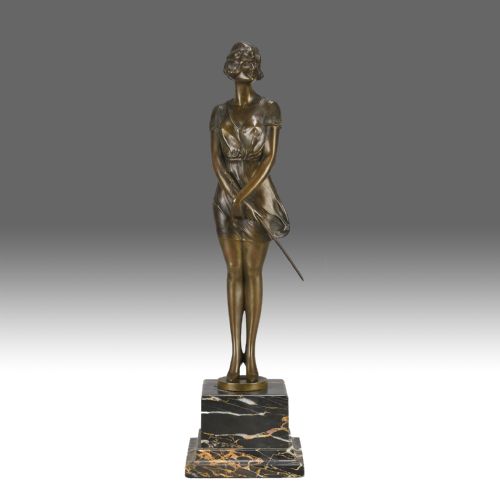
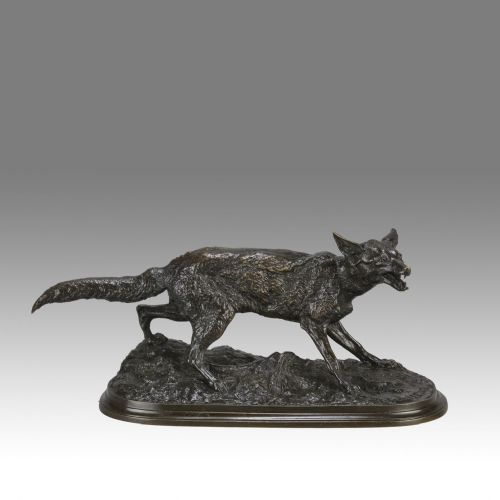
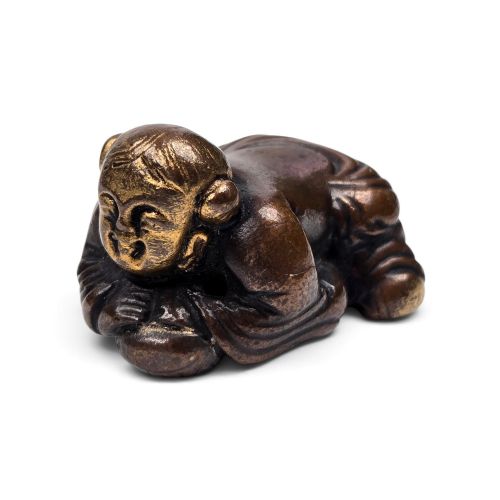
Dark bronze ornament pieces comprise figures, animals and scholarly objects cast in metal and patinated to deep tones.
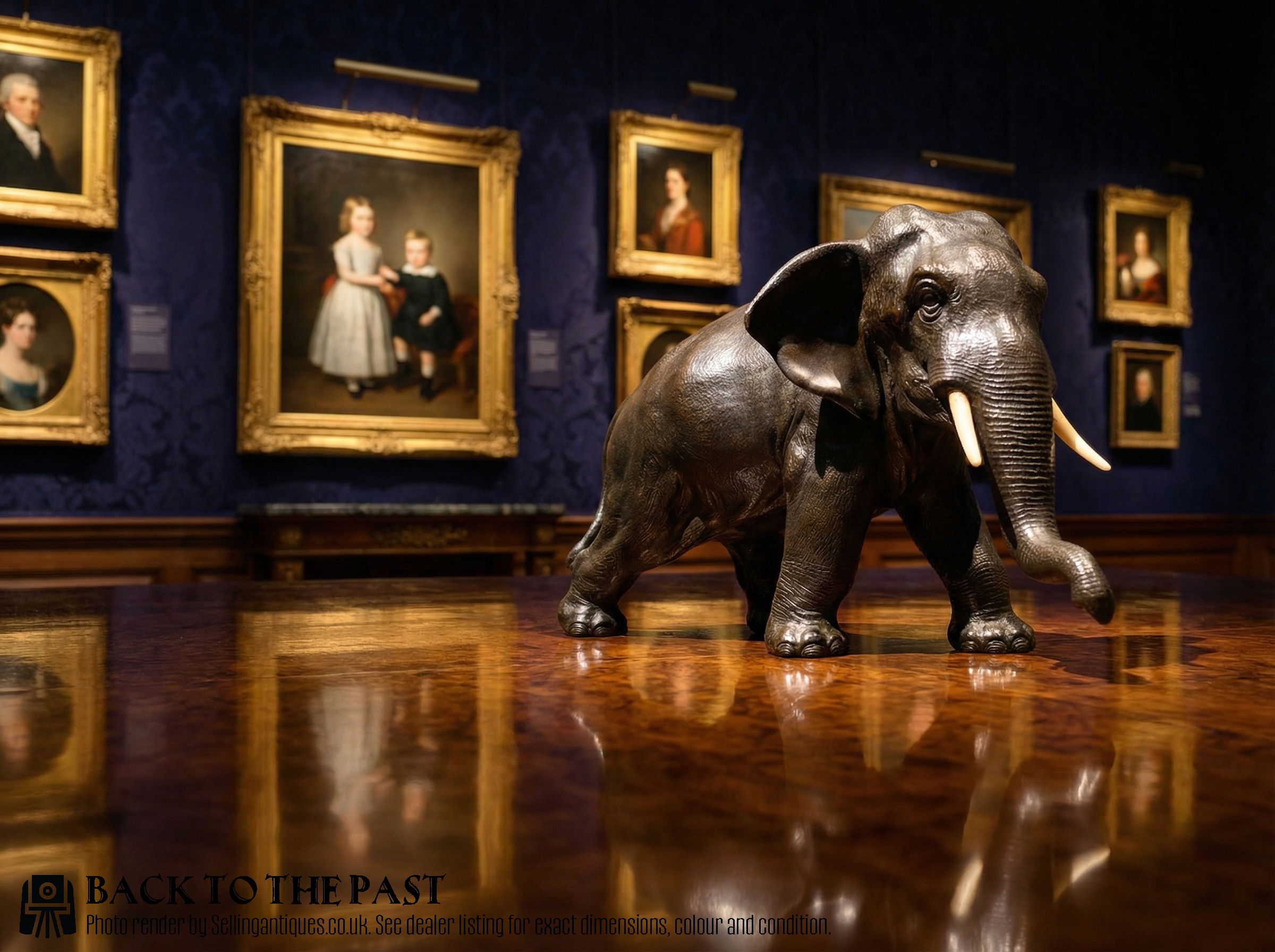
Dark Bronze Ornament
A dark bronze ornament encompasses sculptural works, desk accessories and figures cast from metal and given a deep patination. These objects span periods from the seventeenth century through to the mid twentieth century, originating from European, East Asian and Indian workshops.
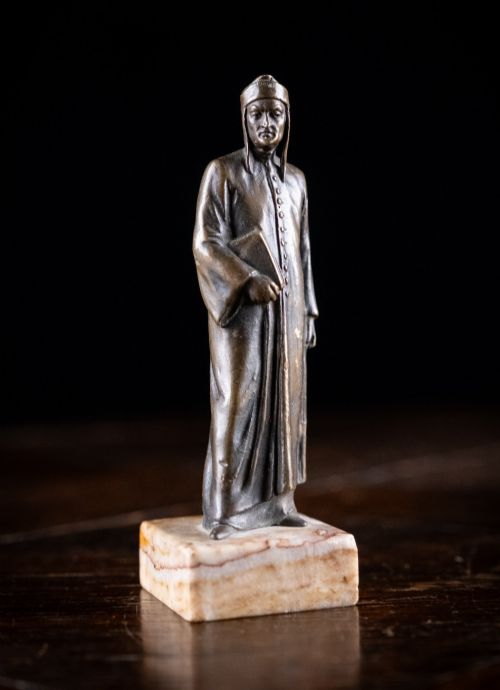
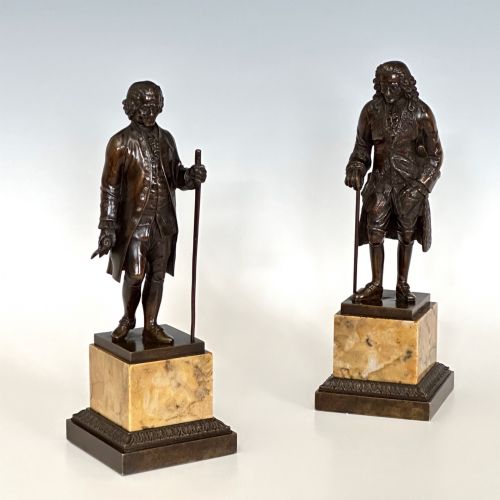
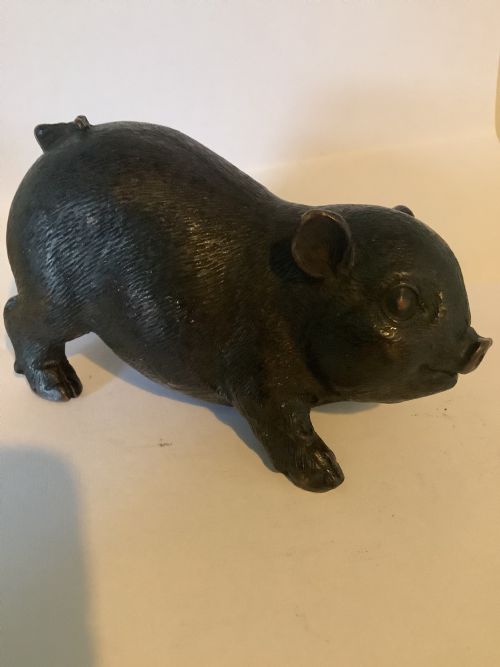
The most common examples on this page are nineteenth century European animalier studies, Grand Tour souvenirs and Japanese Meiji period okimono. Figures range from classical subjects and literary portraits to domestic animals and mythological beasts.
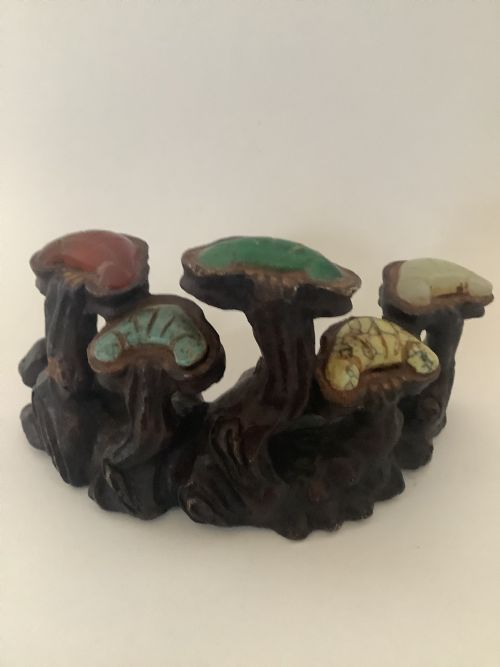
Forms include freestanding statuettes, paperweights, brush rests and inkwells, frequently mounted on marble bases or paired with wood components.
Materials and construction
Cast bronze forms the primary material, shaped through traditional foundry methods such as lost wax casting. Many pieces receive a dark chemical patination to achieve deep brown, black or greenish surface tones.
Secondary elements include marble plinths, gold inlay, paint, copper and gilt bronze accents. Selected Japanese works incorporate mixed metals such as shakudo alongside the bronze structure.
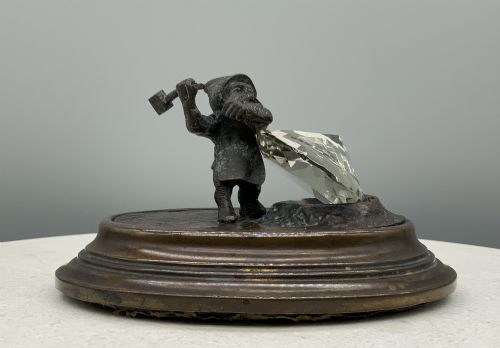
Victorian desks once accommodated industrious metal dwarfs holding crystal diamonds and scholarly monkeys inspecting fruit.
Distinctions in craftsmanship
Quality rests upon the crispness of the chased surface detail and the naturalism of the casting. Superior examples retain fine anatomical definition in animal and human figures without smoothing or softening from worn moulds.
The depth and stability of the original patination contribute significantly to a piece's integrity. Heavier, solid cast specimens demonstrate greater substance compared to lighter hollow castings.
Bruno Zach·P J Mêne·Émile Louis Picault·Christophe Fratin·Jomi Eisuke
The Dark Bronze Ornament Glossary
- Patinated bronze
- Bronze that has been chemically treated to alter its surface colour to dark brown, black or green. This finish protects the metal and defines the sculptural contours.
- Animalier
- A nineteenth century sculptural style focusing on the realistic depiction of animals. Practitioners specialised in capturing creatures in natural motion or repose.
- Grand Tour
- A nineteenth century tradition where travellers collected classical souvenirs in Italy. These small bronzes replicated ancient sculptures and architectural models.
- Okimono
- A Japanese decorative figurine designed for display on a household shelf or tokonoma. These pieces often depict wildlife, folklore figures or daily labourers.
- Ormolu
- Gilded bronze mounts or decorative elements applied to furniture and objects. The technique involves fusing gold to a bronze base using mercury.
Dark Bronze Ornament: Frequently Asked Questions
What is a dark bronze ornament?
A dark bronze ornament is a metal casting finished with a deep patinated surface, taking the form of a figure, animal or desk accessory. These items were produced across various centuries in Europe and Asia for domestic display.
They function primarily as decorative works of art, capturing subjects ranging from classical mythology to native wildlife and historical personages.
How do I identify a Grand Tour bronze?
Grand Tour bronzes typically replicate famous classical sculptures or architectural ruins encountered by travellers in Italy during the nineteenth century. They often feature characteristic dark patination and are frequently mounted on heavy marble plinths.
These souvenirs served as educational mementos for collectors returning from European travels.
What distinguishes Meiji period bronzes?
Meiji period bronzes originate from late nineteenth and early twentieth century Japan, frequently taking the form of naturalistic animal okimono or scholar objects. They display exceptional metallurgical skill, sometimes incorporating mixed metals like shakudo.
Such pieces reflect the opening of Japanese trade and a high standard of traditional foundry work.
How should I care for a bronze ornament?
Maintenance requires gentle dusting with a soft, dry cloth to prevent the accumulation of grit within recessed details. Avoid using liquid polishes or chemical cleaners, which can strip the original dark patination.
Keeping the object away from excessive moisture and direct sunlight preserves the surface finish over time.