



Antique Asian Deity
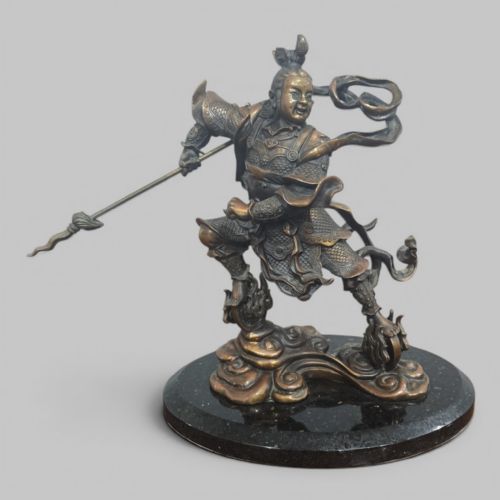
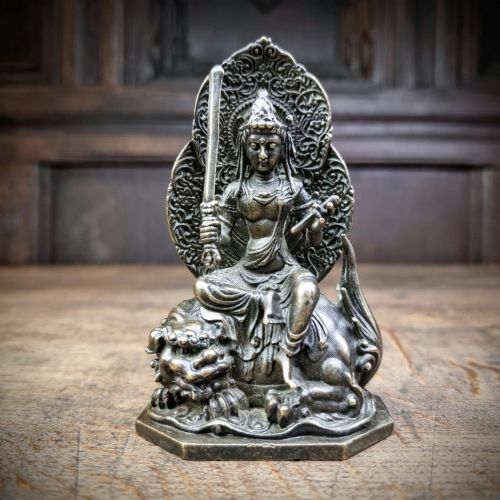
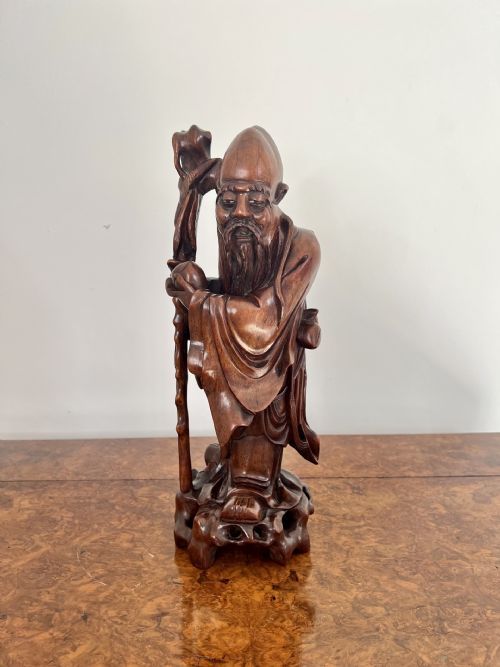
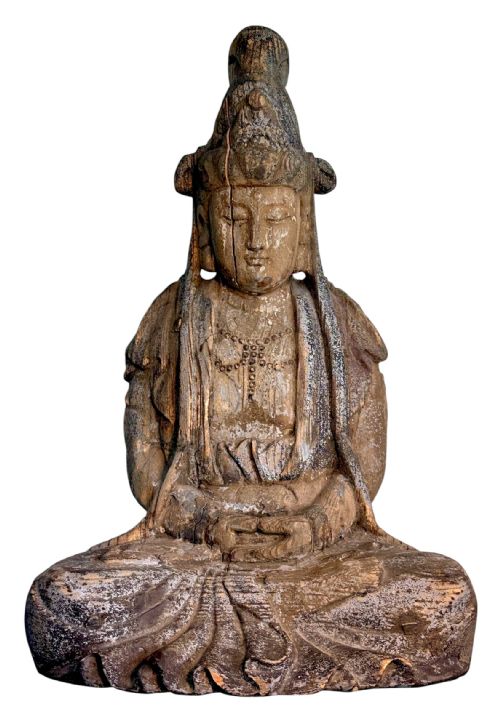
When you seek an antique asian deity, you encounter cast bronzes and carved hardwoods embodying Buddhist and Hindu figures across centuries.
Antique Asian Deity
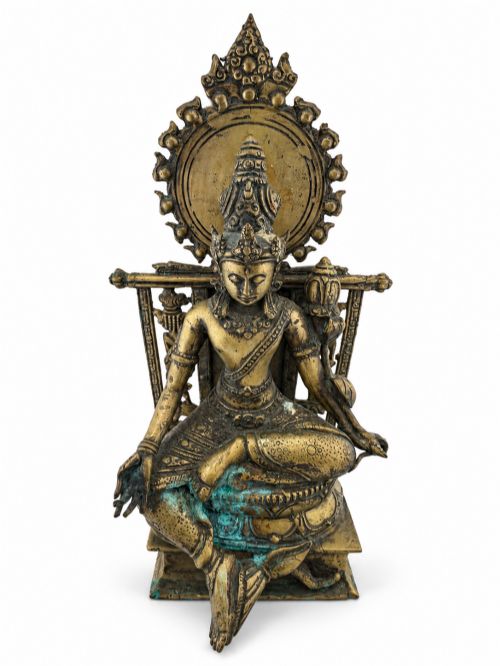
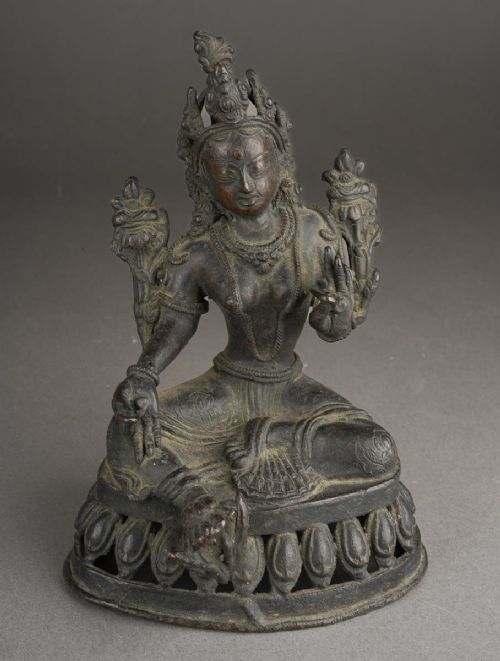
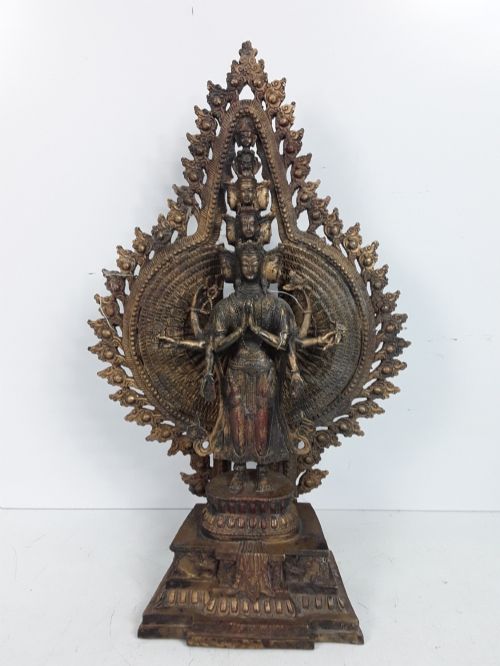
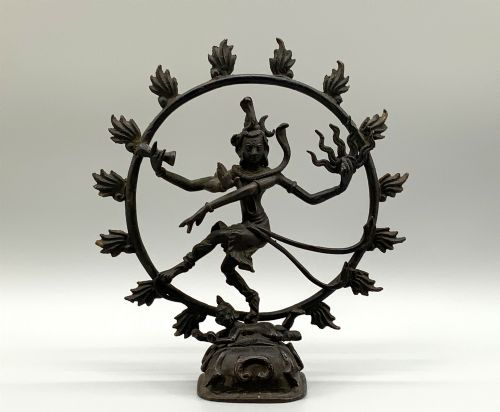
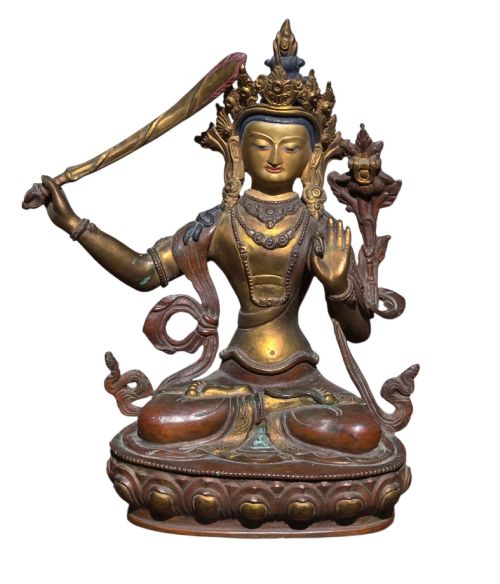
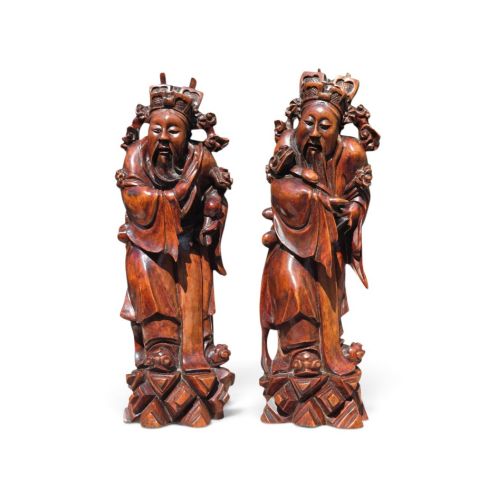
An antique asian deity encompasses sculpted representations of Buddhist, Hindu, and Daoist figures originating from regions including Tibet, China, Java, and Japan. You meet cast bronze figures such as Tara, Avalokiteshvara, and Shiva, alongside carved wooden temple guardians and deities.
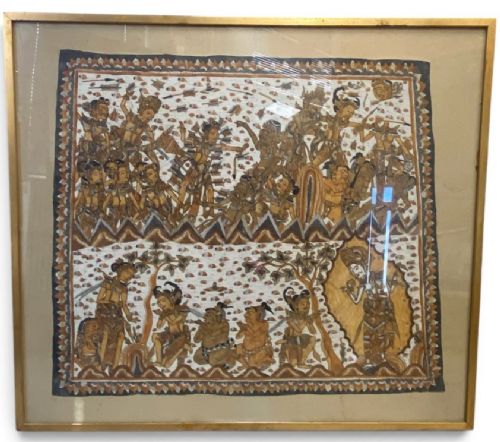
The selections span periods from pre-sixteenth century Javanese works to nineteenth-century Sino-Tibetan and Japanese pieces. Formats range from portable household shrine statues to monumental temple carvings and textiles.
How they were made
Metal sculptures utilise bronze, copper alloy, and gilt bronze, often shaped through traditional casting methods and finished with gold leaf or pigment. Wooden figures employ hardwoods, boxwood, and root carving, frequently complemented by polychrome paint.
Surviving surfaces show traces of gilding, paint, and natural patination developed through age and ritual use. Textiles and paintings on panels utilise pigments on woven supports.
Gods of longevity and happiness make frequent appearances, ensuring your shelf stays well-guarded against mundane troubles.
What varies in quality
The fidelity of anatomical proportion and the crispness of detail in facial expressions and vestments distinguish finer examples. Castings preserve intricate ornamentation more clearly when the mould and metalwork receive skilled attention.
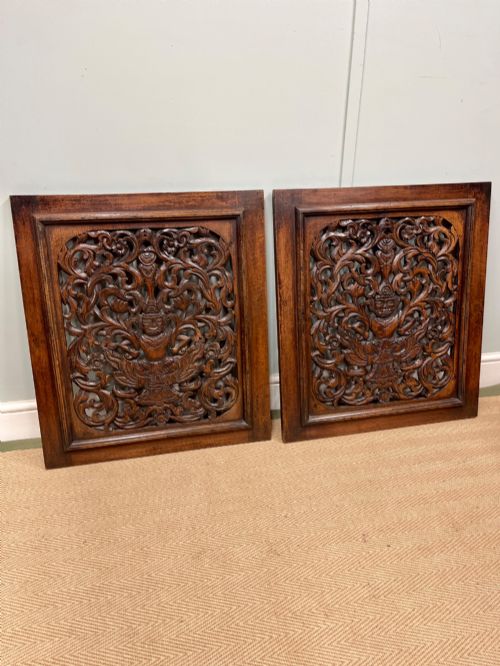
Carved wooden and gilt pieces demonstrate quality through the depth of relief and the preservation of original polychrome or gilded surfaces. Early regional examples derive distinction from stylistic purity and historical attribution.
The Antique Asian Deity Glossary
- Bodhisattva
- An enlightened being who defers nirvana to help others. These figures appear frequently in Tibetan and Chinese sculpture.
- Gilt-bronze
- Bronze metal coated with a thin layer of gold or gold leaf. This technique imparts a radiant finish to sacred sculptures.
- Polychrome
- Painted in several colours. Many wooden temple figures retain traces of these original pigments.
- Okimono
- A Japanese decorative freestanding statuette. These carved boxwood items often depict traditional deities and folklore figures.
- Lost-wax casting
- A metalworking method where a molten metal is poured into a mould created from a wax model. This process allows for intricate detail in bronze deities.
Antique Asian Deity: Frequently Asked Questions
What materials are antique Asian deities made from?
The pieces utilise cast metals such as bronze, copper alloy, and gilt bronze, alongside various hardwoods and boxwood. Some surfaces incorporate gold leaf, glass, and applied pigments.
Surviving examples also include textiles, terracotta, and sandstone across different centuries and regions.
How do I identify the period of a deity sculpture?
Dating relies on stylistic markers associated with dynasties, reigns, and regional traditions such as the Meiji period or Qing Dynasty. Material patination and tool marks provide further clues to the age of wood and metal items.
Comparative analysis of iconographic details helps narrow the century of origin.
Where were these statues originally placed?
Many sculptures served as focal points within household shrines, monasteries, and larger temples. Others functioned as portable ritual objects or protective temple guardians.
Paintings and panels similarly decorated sacred spaces and architectural interiors.
How should I care for antique wooden and bronze figures?
Bronze pieces require stable humidity and occasional dusting with a soft, dry cloth to preserve the natural patina. Wooden figures benefit from protection against direct sunlight and sudden temperature fluctuations.
Avoid using liquid cleaners or polishes that might damage original pigments and gilding.