


Oriental Bronze Figurine
When you search for an oriental bronze figurine, you look for a sculpted piece that captures life, form, and character from Asian traditions.
Oriental Bronze Figurine
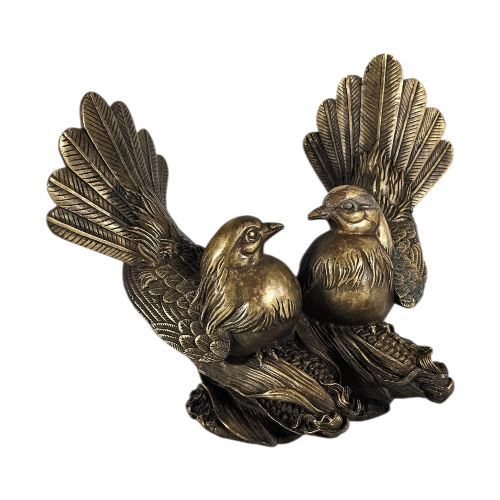
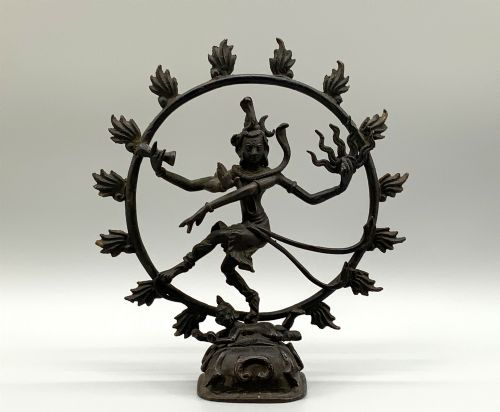
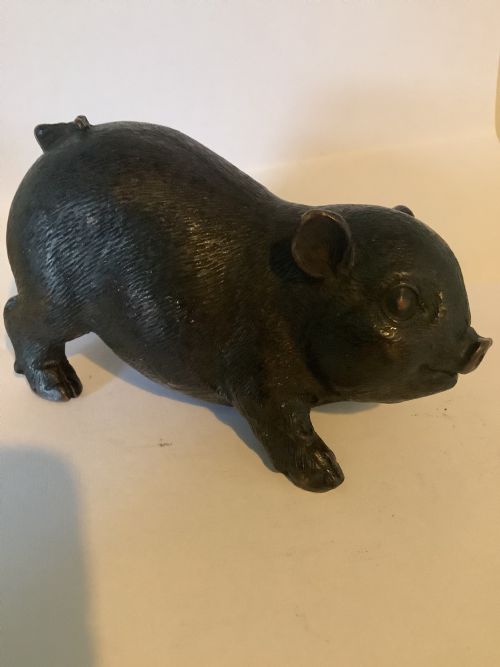
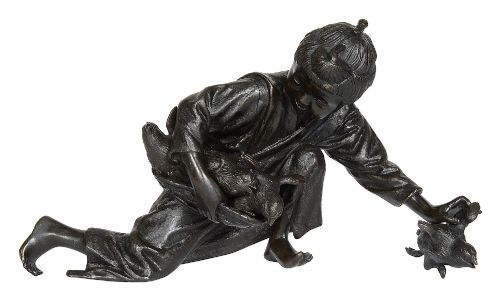
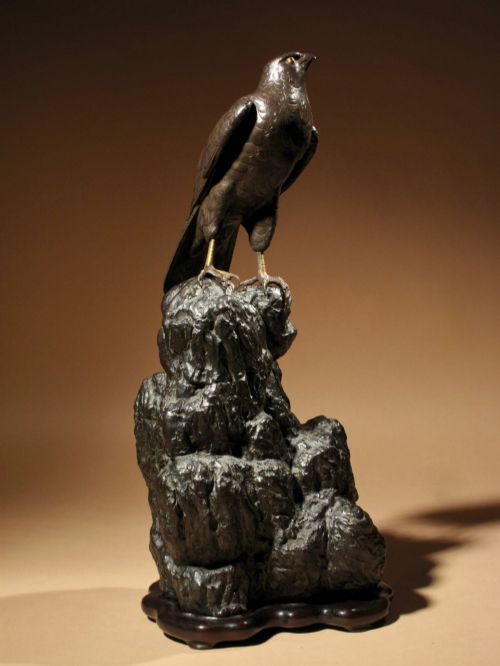
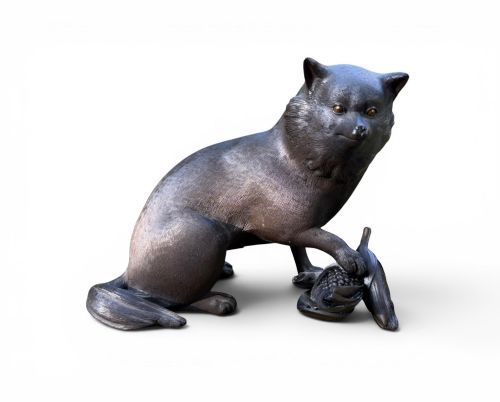
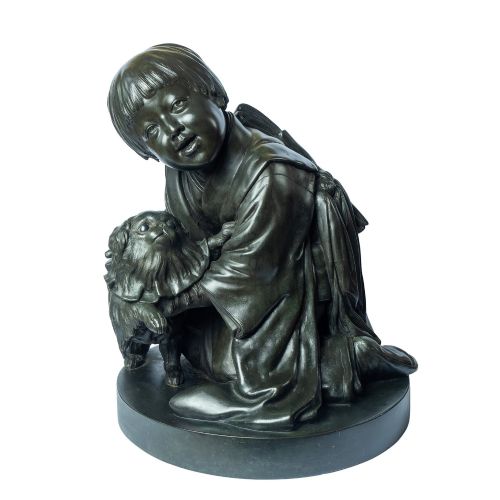
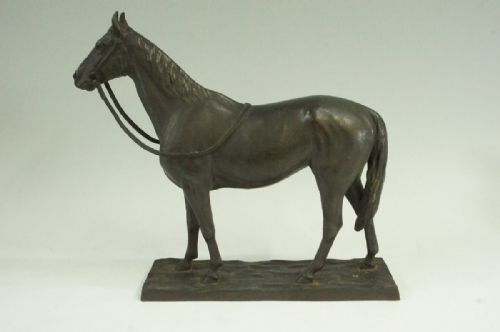
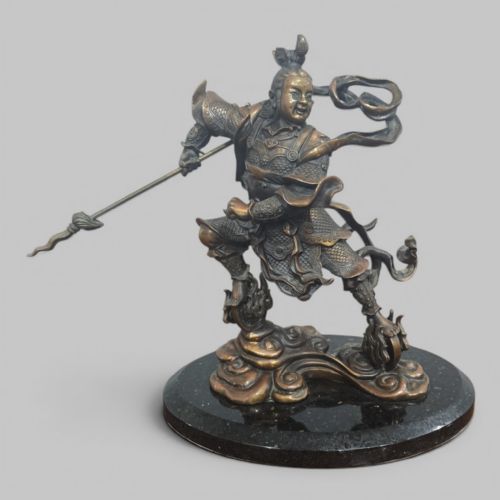
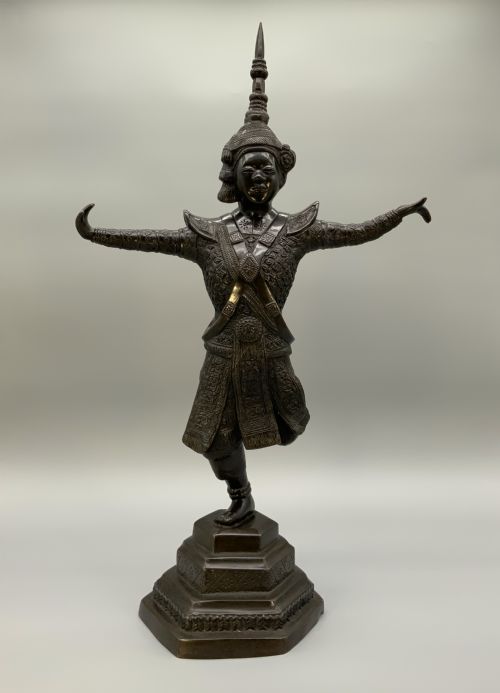
An oriental bronze figurine represents subjects ranging from human scholars, dancers, and deities to animals such as elephants, tigers, monkeys, and birds. These objects encompass works from Japanese Meiji workshops, Chinese dynasties, and Indian or Southeast Asian traditions.
The versions most likely to appear on this page date primarily from the nineteenth and early twentieth centuries. They take the form of okimono, paperweights, animal studies, and religious statues.
Makers and sculptors often shaped these pieces to stand alone on a desk, shelf, or table as decorative or scholarly items. Their size varies from small hand-held pieces to larger sculptural figures.
How they were made
Artisans employed traditional casting techniques to shape the metal into complex forms of animals, humans, and mythological figures. Many pieces incorporate patinated bronze surfaces, giving the metal deep brown, black, or greenish tones.
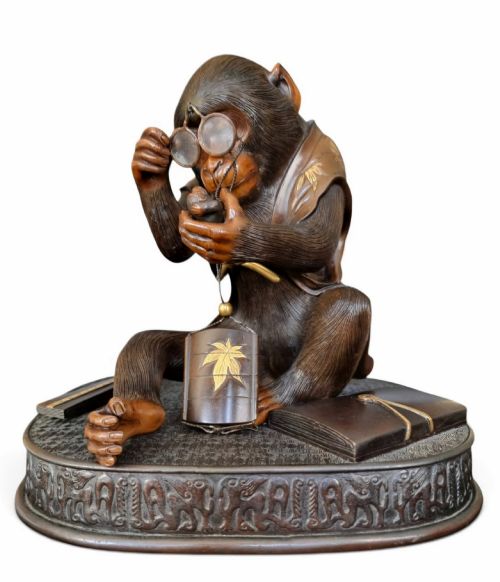
Certain objects utilise mixed-metal elements, gold inlay, silvering, or cold-painted pigments to add colour and contrast to the details. Artisans frequently mounted figures on wood, marble, or hardwood bases to complete the piece.
Listings feature items from the nineteenth and early twentieth centuries, spanning the Meiji period, Qing dynasty, and Southeast Asian traditions.
What varies in quality
The quality of an oriental bronze figurine rests on the precision of the casting and the expressiveness of the model. Master modellers achieved vitality in the posture of animals and the facial expressions of human figures.
Surface finishing separates standard productions from superior works, particularly where chiselling, patination, and inlay highlight fine textures like feathers, fur, or garments. The integration of signature marks from known workshops also distinguishes higher grade pieces.
Masaaki·Kunio Itô·Franz Bergman·Miyao
The Oriental Bronze Figurine Glossary
- Okimono
- A Japanese decorative statue or figurine designed for display in a domestic interior.
- Patination
- The process of treating the metal surface to create a specific colour, tone, or aged appearance.
- Cold-painted
- A technique where paint is applied to a metal object after casting, without being fired in a kiln.
- Meiji Period
- A Japanese historical era lasting from eighteen sixty-eight to nineteen twelve, known for significant output in metalwork.
Oriental Bronze Figurine: Frequently Asked Questions
What is an okimono figurine?
An okimono is a traditional Japanese decorative sculpture intended for display within a home. These figures often depict animals, daily scenes, or mythical characters.
Craftsmen produced them in bronze, ivory, and wood during the nineteenth and early twentieth centuries for domestic appreciation.
How do I care for bronze?
Bronze requires minimal maintenance to preserve its patinated surface over time. Dusting with a soft cloth keeps the metal clean without harming the finish.
Avoid using harsh polishes or chemical cleaners that might strip away the original patina.
Where were these figures made?
These sculptures originate from various Asian regions, with a strong representation from Japanese Meiji period workshops. Other pieces come from Chinese dynasties, India, Thailand, and Burma.
Each region utilised distinct artistic styles, subjects, and casting techniques.
How can I date a piece?
Dating relies on stylistic markers, historical periods, and occasional artist signatures or marks found on the metal. Nineteenth and early twentieth-century examples often reflect the aesthetic trends of the Meiji period or late Qing dynasty.
Examining the casting method and surface wear also provides clues to the age of the item.