

Antique Bronze Lion
When you search for an antique bronze lion, you discover heavy desk accessories, sculptural studies, and architectural mounts cast over centuries.
Antique Bronze Lion
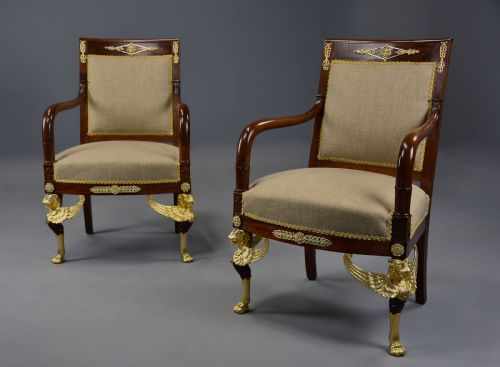
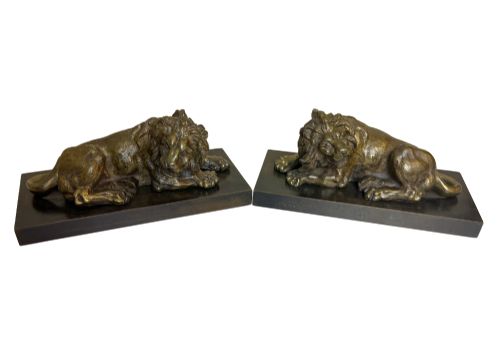
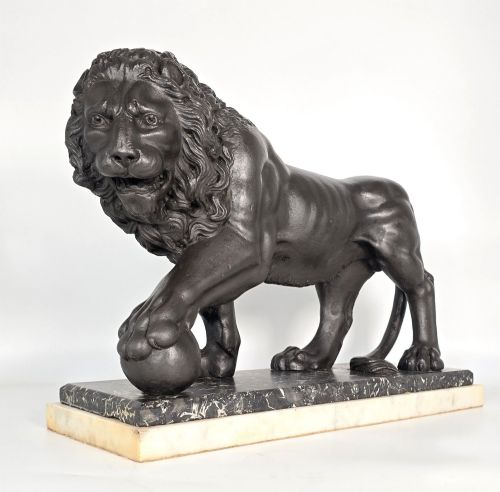
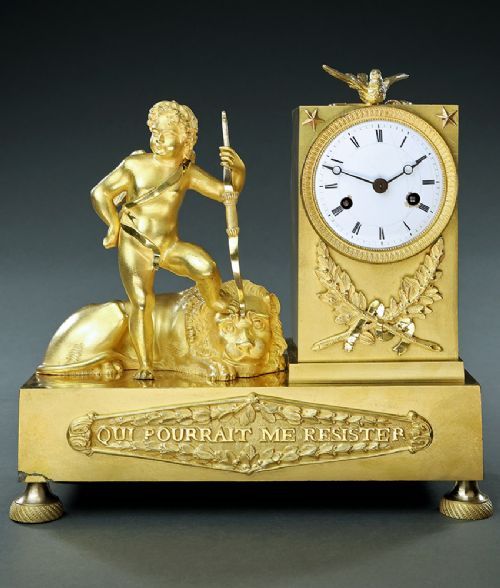
An antique bronze lion spans decorative objects and desk furniture, including inkwells, door knockers, and mantel clocks from the nineteenth century. These domestic items frequently adapt classical motifs such as the Medici or Canova lions originating from Grand Tour travels in Italy.
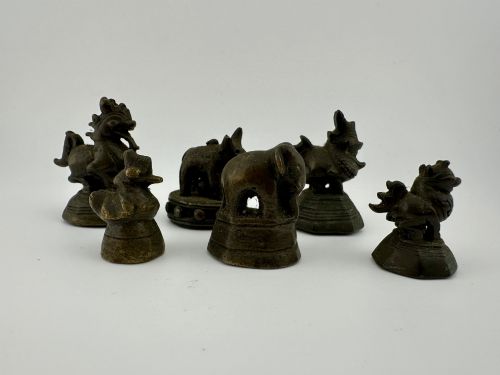
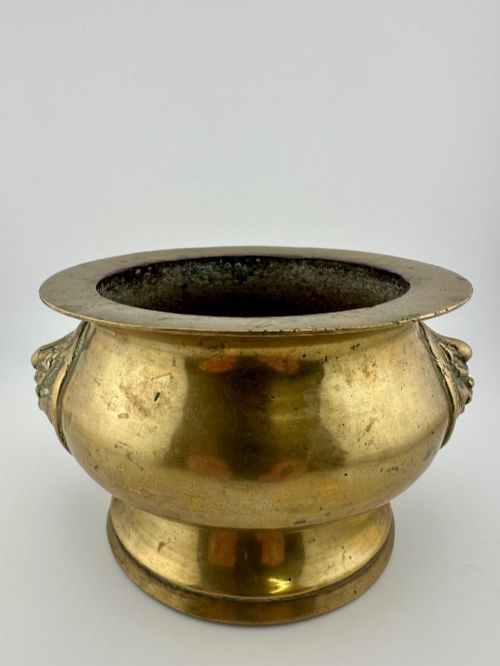
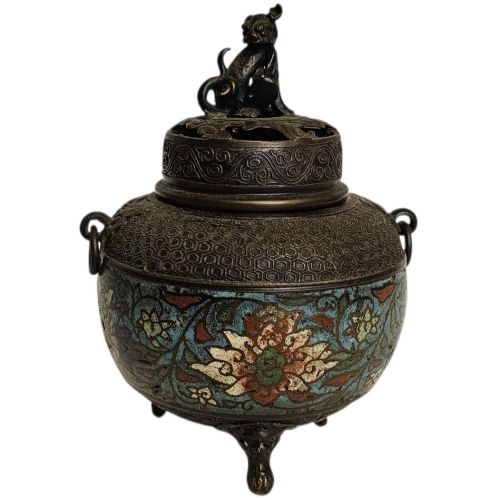
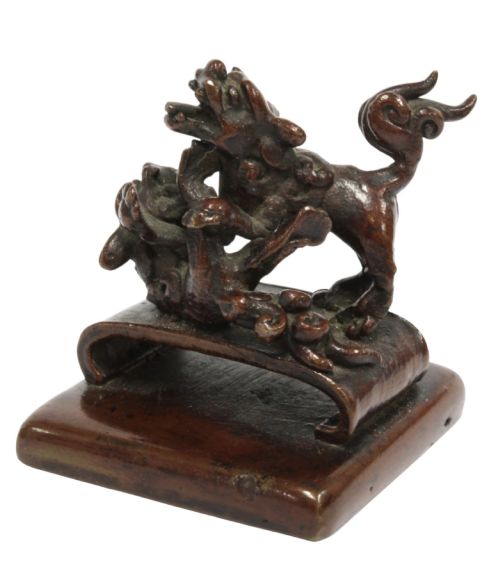
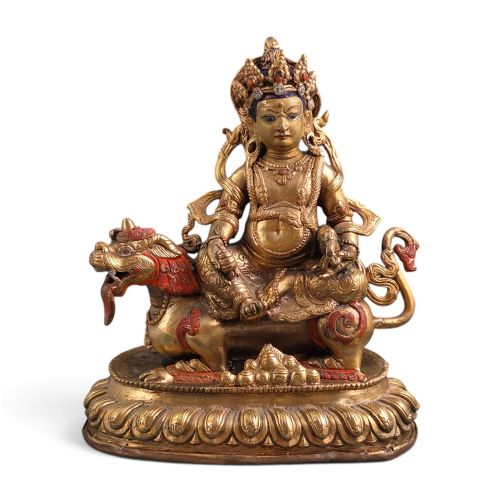
Asian examples take the form of temple guardians, Shishi dogs, and censers cast during the Ming and Qing dynasties or early twentieth century. European animalier sculptures also appear alongside practical items incorporating cast lion mask handles and paw feet.
How they were made
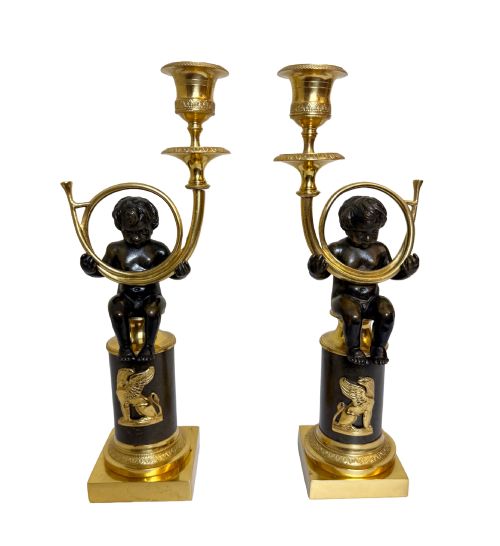
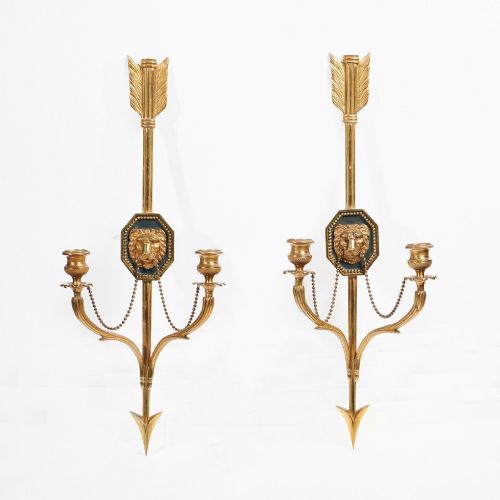
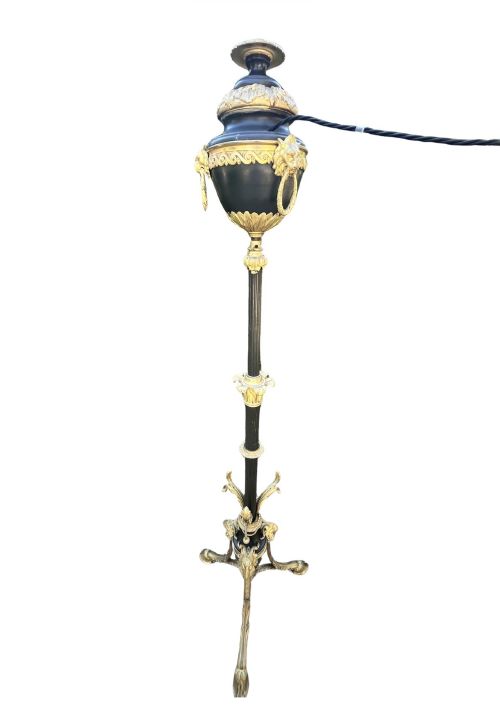
Foundry workers utilised traditional lost-wax casting and sand-casting methods to shape molten bronze into intricate animal forms and architectural mounts. Cold-painting and mercury gilding, known as ormolu, added surface colour and a durable finish to many European decorative pieces.
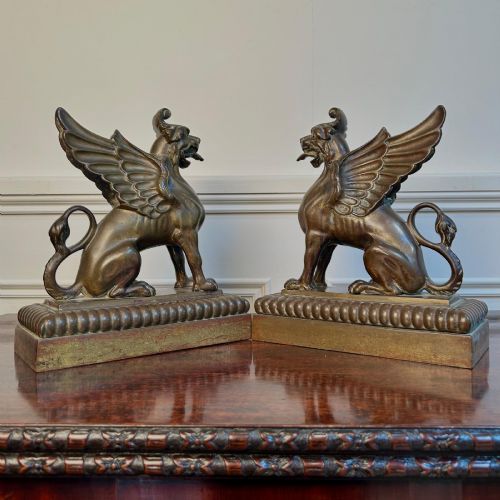
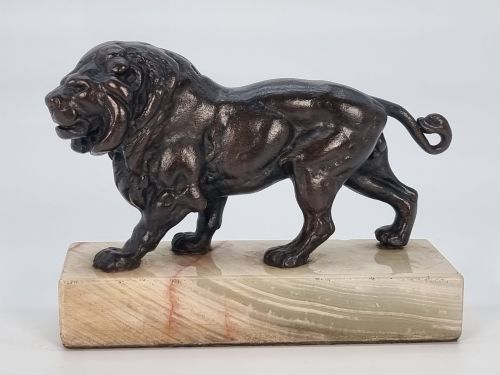
Patination techniques produced varying tones on the metal surface, ranging from dark brown to deep green hues. Artisans often mounted finished bronzes onto contrasting bases made from marble, onyx, or slate.
Listings feature 17th-century scholar's censers alongside 19th-century French animalier sculptures and Grand Tour desk accessories.
What varies in quality
Chasing and finishing separate ordinary castings from exceptional works, as skilled metalworkers manually refined the raw bronze with chisels and files to define fur, muscle, and facial expressions. Crisp details around the mane and paws indicate a careful hand during the post-casting stage.
The weight of the metal and the integrity of the original mounting, such as fitted marble plinths or integrated gilt bronze bases, dictate the overall standard of the object. Heavier, solid casts demonstrate a higher grade of craftsmanship than hollow or thin alternatives.
Franz Bergman·Paul Edouard Delabriere·Isidore Jules Bonheur·Louis Riche·Unno Shomin
The Antique Bronze Lion Glossary
- Animalier
- A nineteenth-century artistic movement focused on the realistic depiction of animals. Sculptors in this style studied live subjects in menageries to capture accurate anatomy.
- Ormolu
- Finely ground high-carat gold applied to a bronze base using a mercury amalgamation process. This technique creates a bright, lasting golden surface common in French decorative arts.
- Shishi
- A mythical Japanese or Chinese guardian lion, often depicted protecting sacred spaces. These figures frequently appear alongside a ball or as temple incense burners.
- Grand Tour
- A traditional trip through Europe undertaken by upper-class scholars to collect cultural artefacts. Miniature bronze sculptures of classical monuments and lions were popular souvenirs.
- Lost-wax casting
- A method where a model is coated in wax, encased in clay, and melted out to create a mould for molten metal. This allows for complex forms and sharp surface details.
Antique Bronze Lion: Frequently Asked Questions
How do I clean antique bronze?
Dust the surface gently with a soft, dry brush to remove particles without disturbing the underlying patination. Avoid abrasive cleaners, water, or commercial polishes that strip historical surfaces.
Apply a very thin layer of microcrystalline wax if the metal requires protection against moisture in the room. Buff lightly with a clean cloth after application to maintain the original finish.
What is the difference between bronze and brass?
Bronze is an alloy primarily composed of copper combined with tin, resulting in a heavier weight and a deeper, warmer colour tone over time. Brass contains copper and zinc, yielding a brighter, more golden appearance that tarnishes differently.
Antique castings often rely on bronze for its superior strength and capacity to hold fine chisel work during the finishing process. Elemental testing or visual inspection of the patina helps distinguish the two metals.
Where were these figures placed?
Desk ornaments such as inkwells, paperweights, and seals sat upon scholars' tables in nineteenth-century libraries and studies. Larger sculptures and clock cases decorated mantelpieces and entrance halls.
Architectural hardware functioned practically on doors, fire fenders, and furniture mounts. Temple lions guarded sacred items or marked important thresholds in Asian contexts.
How can I date my bronze lion?
Examine the casting quality, tool marks, and base materials to establish a manufacturing period consistent with historical foundry practices. Wear patterns on the underside and mounting screws often provide clues to the age of the object.
Compare the stylistic traits, such as Empire or Art Deco design elements, with documented pieces from known makers and periods. Signatures or foundry stamps embedded in the metal offer direct historical markers.