


Classical Bronze Lion
A classical bronze lion brings the monumental discipline of antiquity straight into a room, cast in heavy metal and finished with rich patination.
Classical Bronze Lion
When you search for a classical bronze lion, you are looking at metalwork derived from ancient sculpture, Grand Tour souvenirs, and later revival pieces. These objects range from sculptural mantel ornaments and furniture mounts to library chairs and candlesticks.
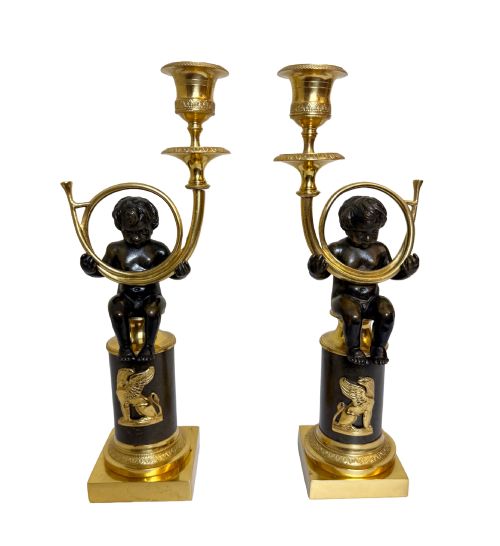
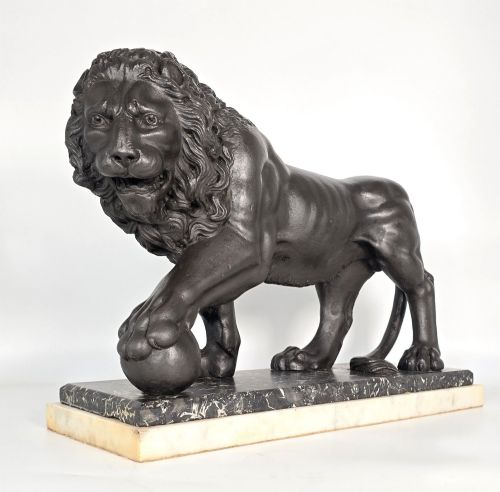
The most frequent examples on this page date from the nineteenth century, capturing Regency, Victorian, and French Empire aesthetics. Makers drew directly on prototypes such as the Medici lions or Venetian symbols, translating them into cabinet-sized bronzes and decorative hardware.
Forms vary from standalone animalier sculptures and winged beasts to decorative garnitures and architectural mounts. Each piece demonstrates how nineteenth-century founders reinterpreted ancient motifs for domestic interiors.
Materials and casting methods
Foundries utilised traditional casting techniques to shape molten metal into complex anatomical forms. The primary material is bronze, frequently enhanced with rich patination, fire-gilding known as ormolu, or parcel-gilt highlights.
Many sculptures and figures are mounted onto heavy marble or alabaster plinths to provide stability and visual contrast. Subsidiary elements occasionally incorporate brass, bronzed wood, and gilt bronze to accentuate specific architectural details.
Listings feature works spanning the Regency, Georgian, Victorian, and Art Deco periods, executed in patinated bronze, gilt bronze, marble, and alabaster.
Factors separating grades of quality
The sharpness of the metal chase work distinguishes superior castings from softer secondary productions. Crisp detailing in the mane, musculature, and facial expression indicates a skilled hand at the chasing bench after the initial demoulding.
The depth and integrity of the original surface patination or fire gilding dictate the visual authority of the object. Weight, density of the underlying bronze alloy, and the quality of the supporting marble plinth further separate standard workshop output from exceptional foundry commissions.
G. Gardet·George Smith
The Classical Bronze Lion Glossary
- Animalier
- A nineteenth-century art movement focused on the realistic depiction of animals. Sculptors in this genre studied anatomy closely at menageries.
- Ormolu
- Finely ground high-carat gold applied to a bronze base using a mercury amalgamation technique. This finish creates a brilliant, enduring golden surface.
- Patina
- The surface coloration and sheen developed naturally over time or applied chemically by the founder. It protects the metal and adds visual depth.
- Grand Tour
- A traditional trip through Europe undertaken by upper-class young men to study classical art and architecture. Travellers often purchased small bronzes as souvenirs.
- Neoclassical
- A Western cultural movement drawing inspiration from the classical art and culture of ancient Greece or Rome. It emphasises strict lines, symmetry, and heroic motifs.
Classical Bronze Lion: Frequently Asked Questions
How do I clean a bronze sculpture?
Dust the surface regularly with a soft, dry brush to prevent the accumulation of grit. Avoid using water, detergents, or abrasive polishes that can strip the historic patina.
Apply a very thin coat of microcrystalline wax periodically if the metal appears dry. Buff gently with a clean cloth to maintain a protective barrier against moisture.
Are these pieces from the ancient world?
Almost all pieces found here date from the nineteenth and early twentieth centuries rather than classical antiquity. They represent nineteenth-century revivals inspired by ancient Roman, Greek, and Renaissance prototypes.
Craftsmen during the Regency, Victorian, and Edwardian periods produced these works using historical design books and Grand Tour models. They are historical antiques in their own right, reflecting the tastes of later eras.
Why are some lions winged?
Winged lions typically represent the Lion of Saint Mark, the traditional symbol of the city of Venice. These motifs gained popularity during the Grand Tour period as commemorative objects.
Sculptors also incorporated wings to evoke mythological beasts and classical architectural fragments. Such pieces often connect directly to Venetian or neoclassical design traditions.
What is the difference between bronze and ormolu?
Bronze is an alloy primarily composed of copper and tin, valued for its strength and dark patination. It forms the structural core of many sculptural objects and decorative mounts.
Ormolu refers specifically to gilt bronze, where a layer of gold is bonded to the bronze substrate. This technique creates a bright, reflective golden appearance common in French Empire and Baroque revival pieces.