


Cold Painted Metal
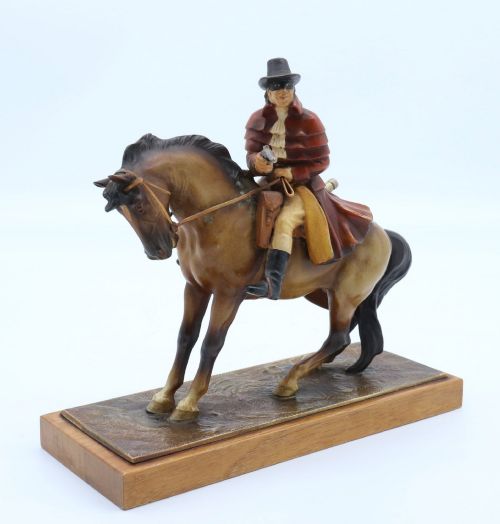
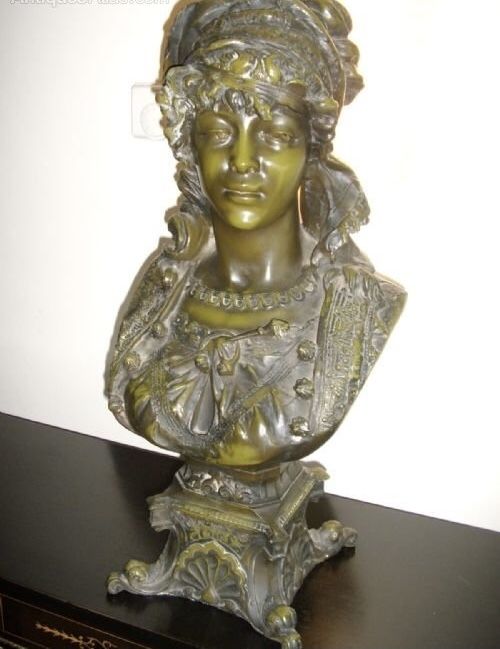
Cold painted metal brings together cast forms and bright surface pigments to create figures, animals and desk pieces that capture the eye.
Cold Painted Metal
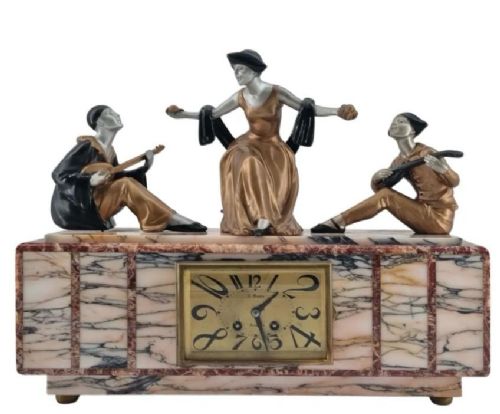
When you search for cold painted metal, you encounter cast sculptures, animal figurines, and functional desk accessories spanning the Victorian era through the Art Deco period. These objects range from miniature frogs and dogs to large human figures and figural clocks mounted on marble or onyx bases.
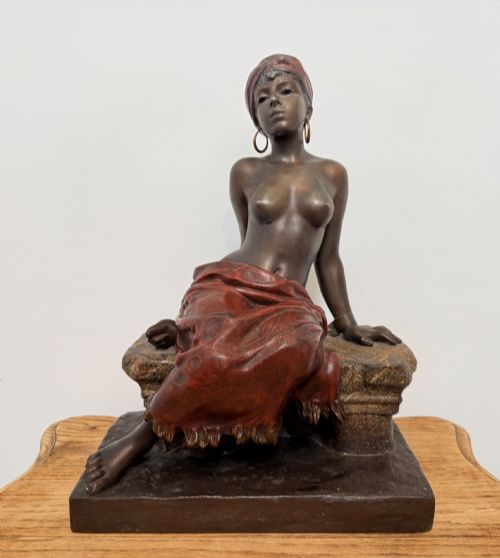
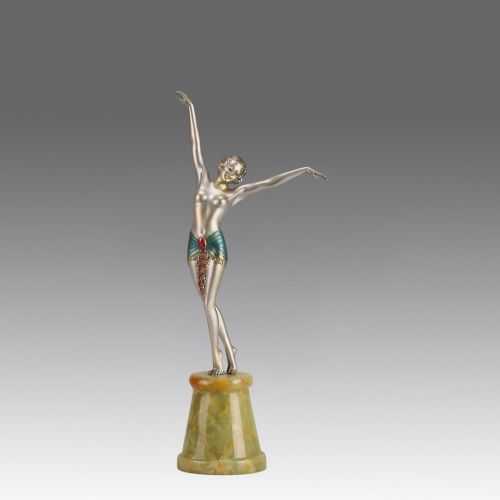
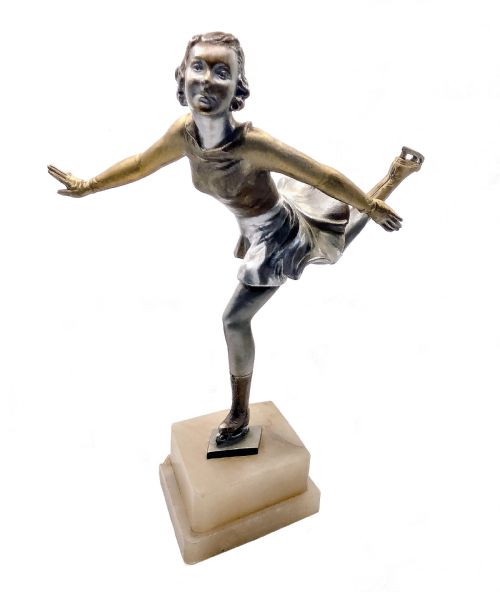
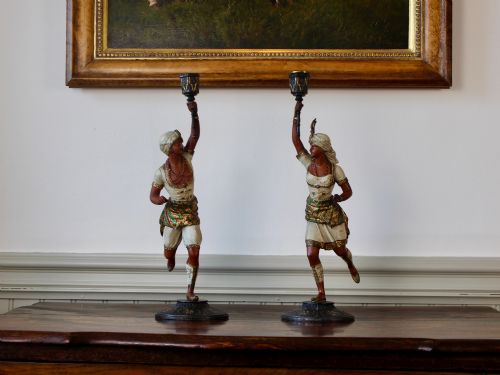
The versions most common on this page are Austrian and Viennese animal studies and human figures from the early 20th century. Alongside these, French and Continental works appear in styles moving from Orientalist subjects to sleek modernist dancers and athletes.
Materials and construction
The foundation of these pieces relies on cast bronze or spelter, a zinc alloy frequently utilised as an accessible alternative to solid bronze. Sculptures are cast in moulds and sometimes mounted onto natural stone bases like marble or onyx.
The distinctive surface colour comes from paints applied directly onto the unheated metal rather than fired in a kiln. Enamel and patinated finishes complete the detailing on figures, animals, and functional items such as inkwells and match strikers.
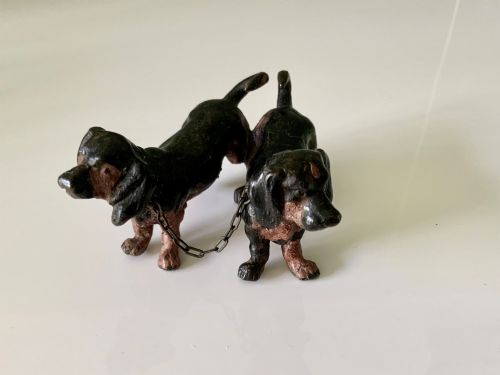
A nodding dog and a dog cocking its leg bring unexpected humour to early metal casting.
Evaluating the standard
The choice of base material also marks the tier of a piece, with heavy bronze foundations and genuine onyx or marble plinths distinguishing works from lighter spelter alternatives.
Pierre le Faguays·Josef Lorenzl·Franz Bergman·Jennings Brothers·Geo Maxim·E Villanis·Sega·Stephan Buchinger·Henry Wissen Senior
The Cold Painted Metal Glossary
- Cold-Painted Bronze
- Bronze sculpture decorated with unfired paint applied directly to the metal surface. This technique produces vibrant polychrome finishes that require careful handling to preserve.
- Spelter
- A zinc alloy commonly cast into decorative figures and mantel clocks. It provides a robust base for cold-painted finishes while remaining lighter and less costly than bronze.
- Vienna Bronze
- Small-scale cast metal sculptures produced by Austrian foundries, particularly known for animal studies and Orientalist subjects. These pieces often bear Bergman foundry marks or stamps.
- Desk Tidy
- A functional desk accessory designed to hold pens, stamps, or small stationery items. They frequently incorporate animal figures or figural groups into the cast design.
- Inkwell
- A small container for holding liquid ink, often integrated into a larger sculptural base. Many examples feature hinged lids and detailed animal or human figures.
Cold Painted Metal: Frequently Asked Questions
What is cold painted metal?
Cold painted metal refers to bronze or spelter sculptures decorated with paint applied to the finished casting without subsequent heat firing. This method allows for detailed polychrome decoration across animal figures, human studies, and decorative objects.
Craftsmen built these items primarily during the late 19th and early 20th centuries. The technique gives the metal a colourful surface that defines the character of each piece.
How do I care for cold painted items?
Preserving these objects requires keeping them away from direct sunlight and moisture to protect the delicate unfired paint. Dusting should be done gently with a soft, dry cloth without any cleaning liquids or solvents.
Handling pieces by their bases rather than their painted surfaces prevents oils from wearing away the finish over time. Proper environmental conditions ensure the colours remain stable.
How do I distinguish bronze from spelter?
Bronze objects generally feel heavier and display a resonant ring when gently tapped, whereas spelter is lighter and softer. Inspecting the underside or areas where the metal shows can also reveal the grey or white base metal typical of zinc alloys.
Many listings specify the material used in the casting. Comparing the weight and surface texture helps clarify whether a piece is cast in bronze or spelter.
What periods do these pieces come from?
The listings span from the Victorian era through the Edwardian period and into the Art Deco years of the 1920s and 1930s. Earlier pieces often feature Orientalist subjects or naturalistic animal studies, while later examples embrace modernist lines and sporting themes.
Stylistic shifts reflect the changing tastes of European and American foundries across these decades. Dating relies on stylistic cues, clothing details, and known foundry signatures.